Anatomy Atlas Part 23 – Circulatory System

We looked at our heart, but not at all the piping connected to it. There is rather a lot of it and this picture shows only a very, very small part.

There will be talk about testicles, read at your peril.

©Charly, all rights reserved. Click for full size.

Whilst the air pipes in the lungs are optimized for keeping constant pressure, for veins and arteries this is not the case. Perhaps there is less selective pressure for optimisation, or it is not possible to achieve? I do not know. The truth is however that there are a number of sub-optimal divisions and loops and one of them is so peculiar that once you learn about it, you will not forget it.

Professor Kos explained to us, that one such badly optimised division is at least in part responsible for the fact that one testicle is usually lower than the other, and the one that is lower is usually the left one. When you look at the picture at the right side and follow the vena cava inferior down from the heart past venae hepaticae you will come to a cross junction where from it split two venae renalis. And looking further down you will find out that venae testicularis do not both split of from the vena cava inferior symmetrically, but vena testicularis sinistra splits of from venna renalis at a near right angle. That is bad engineering – right angles mean loss of pressure automatically.

However when looking at the left side, where arteries are depicted, both arteriae testicularis split symmetrically and directly from arteria abdominalis at an angle in the direction of the blood flow.

This means that whilst fresh blood supply for both testicles through arteries is about equal, the outflow via veins is not. That means different blood flow rates through the testicles, leading to their different sizes and also different position. Because testicles regulate their temperature (which has to be lower than body temperature) via positioning, and this way the left testicle has to hang lower in order to keep the same temperature as the right one.

Sometimes It Happens…

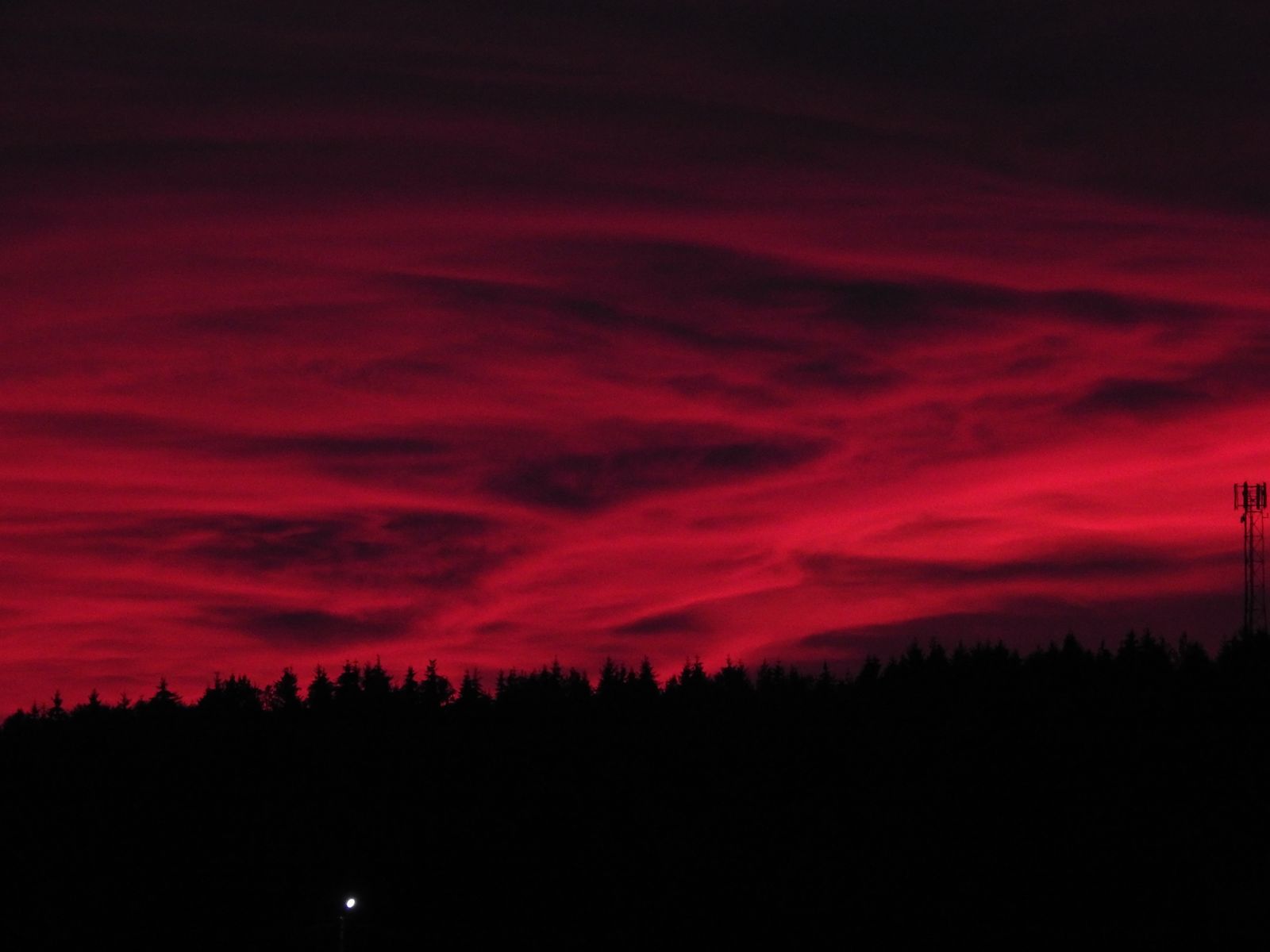
… that a real sunset looks so cheesy you would think reality has no style whatsoever. I glanced out of the window before going to bed and I had to try and make some pictures, the sky was unreal.

Pictures straight from the camera, no adjustments, only resized.

©Charly, all rights reserved. Click for full size.


Harakka Island – Chapter 7

When we last left Ice Swimmer’s series Harakka an Island we were at the top of the island. Where to next Ice Swimmer?


Chapter 7 – Back from the Top and Downhill


1. View East from the Laboratory Front Yard, ©Ice Swimmer, all rights reserved

Now we’re back from the top of the island, in the front yard of the Artists’ Building, looking east, the pier is behind the red wooden buildings. We’ll go a bit south and go down the hill back towards the crossroads.


2. Down to the Crossroads, ©Ice Swimmer all rights reserved

We’re going down the same road we got up to the Artists’ Building. The history exhibition building is to the left and the pier from which we came is on the other side of the crossroads. We’ll be going to the right from the crossroads, to the south.

(link to previous post, Harakka an Island, Chapter 6)

Mushroom!

Kestrel was mushroom hunting one of her finds turned out to be quite interesting. I will let her take over from here.

©kestrel, all rights reserved. Click for full size.


I went on a foray looking for mushrooms and noticed this. It’s a hump in the duff, right in the middle of the photo.


It’s hard to see what might be in there! I went around to the other side of this shrump (a hump in the duff where a mushroom is emerging).


That looks pretty exciting. I cleared away some of the debris to see better what was in there.


Aha! It’s Hypomyces lactifluorum, also called the Lobster Mushroom. It’s so fascinating: this is a parasitic mold attacking another mushroom. The original mushroom is Russula brevipes (Short Stemmed Russula) which although edible, is rather bland and crumbly. H. lactiflulorum attacks and parasitizes it, causing it to become dense and firm. They are often quite large.

Making a Rondel Dagger – Part 17 – Finale

When I have made my first, very crude, knife some twenty years ago, my friend’s father commented:

Charly, people want it to be handmade, but they do not want it to be immediately apparent that it is handmade.

That advice stuck in my mind so when I have read Feet of Clay from Terry Prattchett much later, following line resonated with me:

The thing looked like the kind of pots Igneous despised, the ones made by people who thought that because it was hand-made it was supposed to look as if was hand-made, and that thumbprints baked in the clay were a sign of integrity.

It is not impossible to get a handmade thing to look just perfect, but it takes great skill and experience and I am not there yet, although I might be heading in the right direction. The pictures hide some of the mistakes and imperfections that were not intended and are apparent – for example the blade is not symmetrical against the handle and the hand guard, so when it is in the scabbard the upper part of the guard sticks out more than the lower, and it is visible. Despite my best efforts the blade got a scratch from a grain that got somehow into the scabbard, and the handle got scratched too in the meantime. Which was inevitable if ever the knife were used, and I do intend to use it at least somehow, to see how it fares.


But enough of that, let me present to you the dagger of one of the most kickass characters in fantasy literature known to me, Cirilla Fiona Elen Riannon, aka the Lion Cub of Cintra, granddaughter of queen  Calanthe Fiona Riannon of Cintra, aka the Lioness of Cintra and daughter of Pavetta Fiona Elen and Emhyr var Emreis, Deithwen Addan yn Carn aep Morvudd the Emperor of Nilfgaard. This is my interpretation of the dagger worn by her as a sidearm in the computer game Witcher 3 – I noticed that dagger right on my first encoutner with her in my gameplay and I immediately wanted to make one. I photographed it on a bobbin lace doily that my mother has just made for her sister’s birthday. Bobbin lace is period/theme appropriate and I think it provides nice contrast and improves the quality content of these pictures by no small amount.


©Charly, all rights reserved. Click for full size.
I tried to tie the leather strap as close to how it is done on the in-game model as I could manage. The only significant difference from the game model is the red leather on the scabbard, instead of brown.


If you look closely, here you can see that the hand guard does not stick out symmetrically on both sides of the scabbard.


Overall length ca. 395 mm, blade ca. 257 mm long, 23 mm wide at the guard, single-edged. Good cutting ability although not as good as a dedicated cutting blade would have. It is still a stabbing weapon.


Handle is turned out of maple wood. Rings are allingend perpendicularily to the blade so the shiny lignin spots are symmetricaly with it on both sides of the handle.


Rondel has ten hammered grooves giving it a daisy like look. All metal parts are polished to mirror finish and buffed with jeweler’s rouge.


Although the handle looks massive, the knife is weighed towards the tip when put on a flat surface. I guess it could be thrown, but I do not intend to try it for fear of the blade breaking.


My signature for knives from now on – my initials in Glagolitic script. This is also the writing used in the Witcher games, so it also thematically appropriate.

Slavic Saturday

Today’s snippet is from my home country.

It is a symphonic poem “Vltava” from a series of six such poems in a musical epos “Má Vlast” (My Country) written by Czech composer Bedřich Smetana. Vltava is the most known from the six and in my opinion rightly so. It is an astounding piece of music, all the more impressive for the fact that Smetana composed it at a time when he was deaf. So he never actually got to hear it except in his head.

Truth be told I do not much care for most of Bedřich Smetana’s works, because he mostly wrote operas. And I was to one of his opera’s once, in school, and it was boring as hell. The singing, the implausible stories and lack of acting in my opinion destroy the beautiful music. But I did not care much about Má Vlast either at that time, partly because of natural tendency of children to oppose anything that is a part of the curriculum and partly probably because my brain was not mature enough to enjoy this kind of music. Maybe nowadays I could enjoy opera done properly?

This recording has the added dimension of being made in Prague Spring Festival in 1968, a year when Czechoslovak Socialist Republic had also a political Prague Spring,  when its people peacefully stood up to the USSR bully in wanting to determine their own fates and got beaten into submission in return.

And finally, before you can enjoy the music, author’s own words explaining what it means (a rare and very specific occurrence):

The composition describes the run of Vltava, beginning at its both springs, the warm and the cold Vltava, the confluence of both streamlets into one, then Vltava’s flow through woods and meadows, through landscapes where merry feasts are held; in Moon’s night glow veela dance; on the cliffs proud castles and their ruins stand; Vltava foams in St. Johns rapids; flows in a broad stream towards Prague, Vyšehrad shows up, and it ends its majestic flow n the distance in Labe.


Harakka Island – Chapter 6

It’s time for the next chapter in Ice Swimmer’s series Harakka – an Island. Our guide will take it from here. Thanks, Ice Swimmer.


Chapter 6 – Top of the Island


1. Odd Spruce, Rocks and open sea, ©Ice Swimmer, all rights reserved

This view is from the top of the island, towards southeast. I wonder what has happened to the spruce.

[Read more…]

Fluff and … Fluff… and Flowers

And as a finale of his week’s series from rq, mostly fluffy pictures.

©rq, all rights reserved. Click for full size.

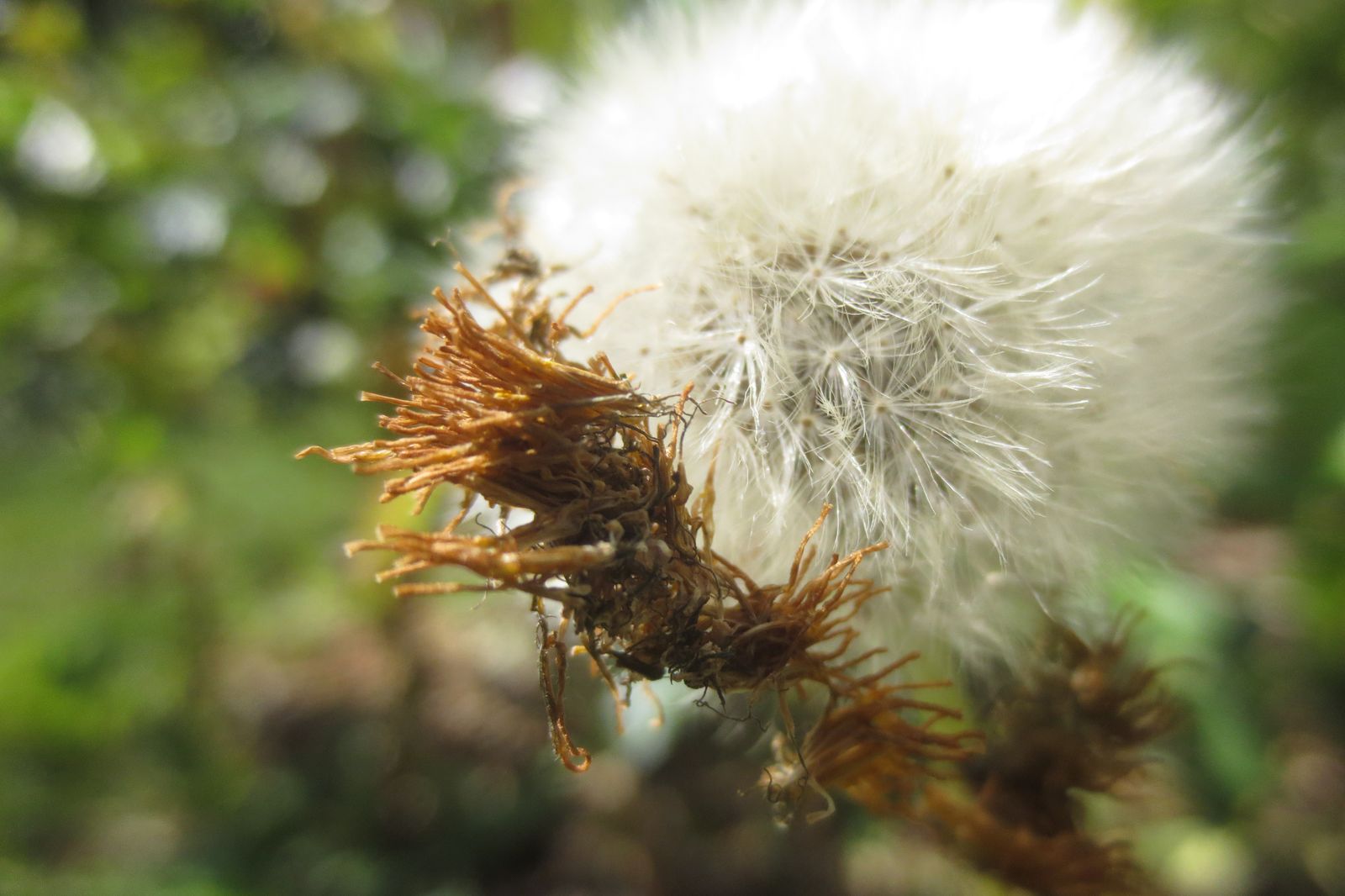
One has to admire thistles. Fluffy flowers, fluffy seeds and spiky everything else.


Bumlebees and bees have similar combination of fluff and spiky, I sense a theme here.


More fluff, but where are the sharp bits?


No fluff, no sharp bits. Just a wannabe tough guy.

And finally no fluff and no shar bits whatsoever. Just perfect depth of field. I love this picture.

Wot Lives in the Bog

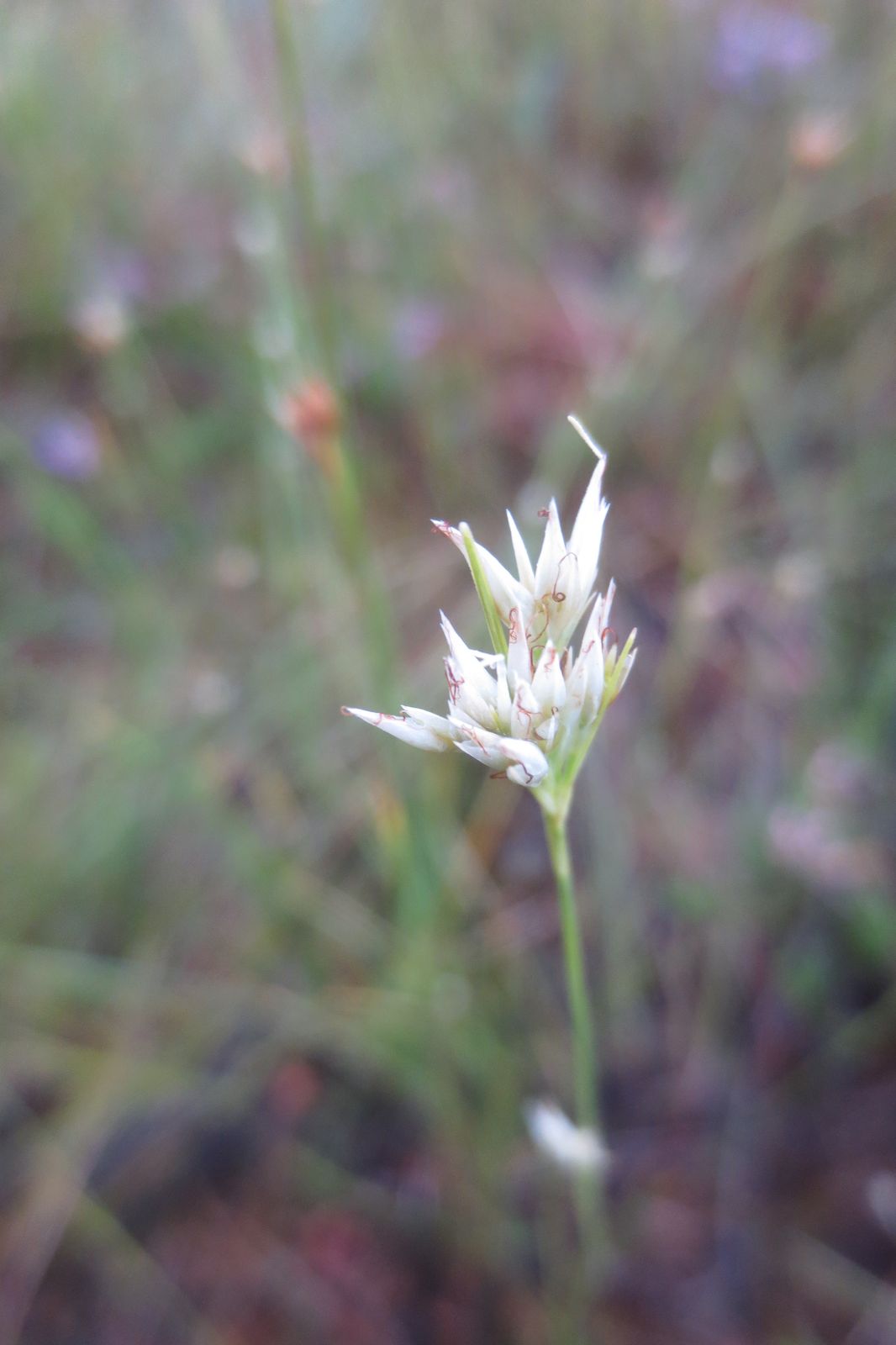
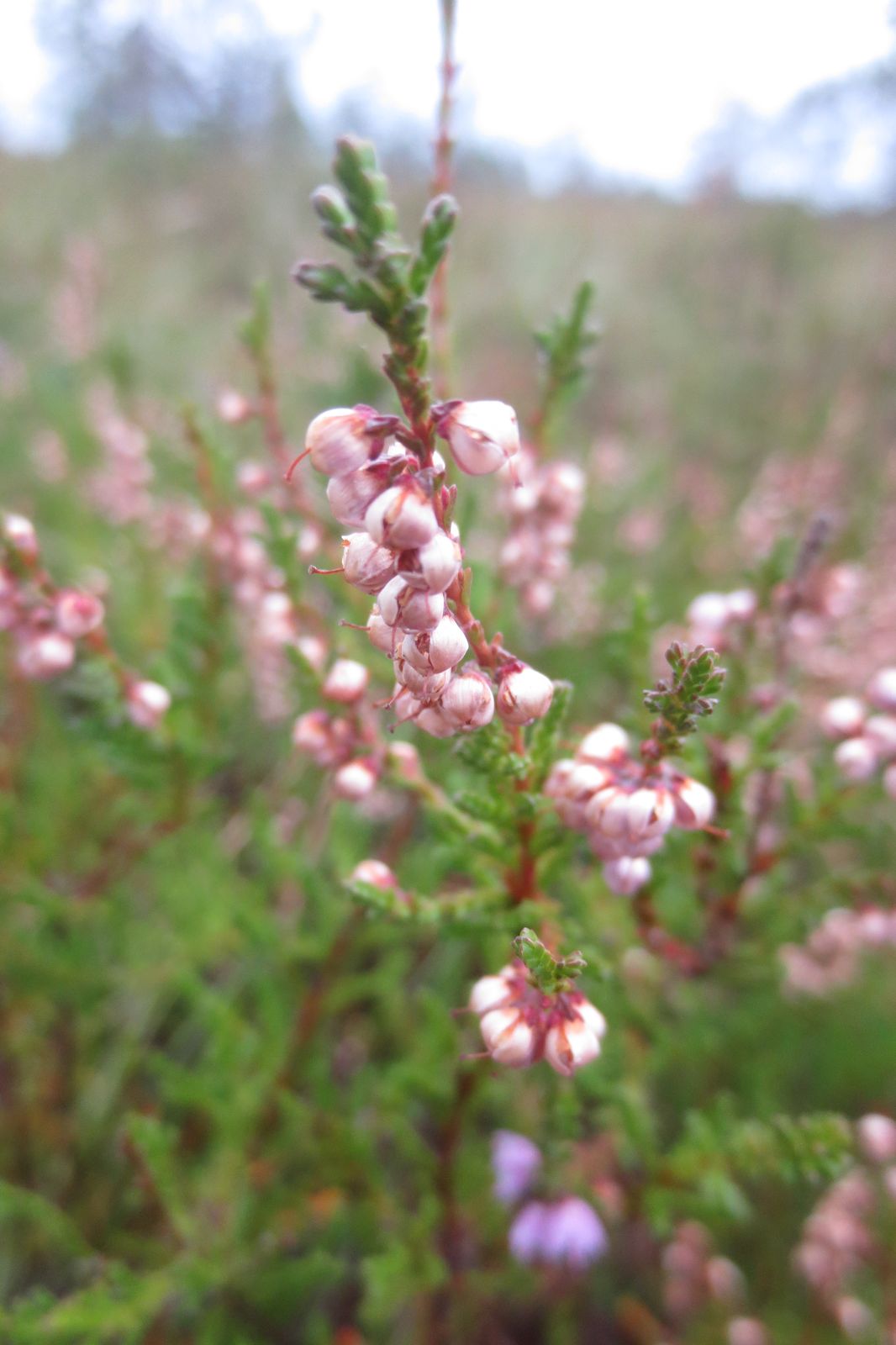
Second in this series from rq are plants growing in a bog. I hope she did not get too wet trying to get these pictures for us. They are beautiful and they do illustrate the biodiversity of an acidic bog nicely. There is even a predator here, hidden bellow the fold.

©rq, all rights reserved. Click for full size.

Possibly a plant from the Cyperaceae family

Calluna vulgaris

Calluna vulgaris

Vaccinium vitis-idaea L

Vaccinium vitis-idaea L

[Read more…]

Wot Lives in the Goldenrod

rq has sent us a little series about various flowers and their residents. First one is goldenrod, and it looks like  Solidago canadensis, which is quite common throughout Europe. Sadly this beautiful plant is not only strong allergen in the late summer, here it is also an invasive weed that is damaging the environment by outcompeting local species and creating essentialy monocultures in places.

But enough with being a killjoy – they are beautiful and that is important here and now.

©rq, all rights reserved, click for full size.