Let’s join Ice Swimmer on his walk around the island in the next chapter of his series.
Chapter 9 – Interlude II, Colours
This interlude is about colours, warm and cold, greens, yellows, reds and others.
Let’s join Ice Swimmer on his walk around the island in the next chapter of his series.
This interlude is about colours, warm and cold, greens, yellows, reds and others.
Yesterday was such a gorgeous day. The sun was shining and it was so wonderful, I decided to share with all of you. So instead of my usual “regular” (cough, cough) posts, you’ll get a different animal or group of animals every day.
Let’s get started:
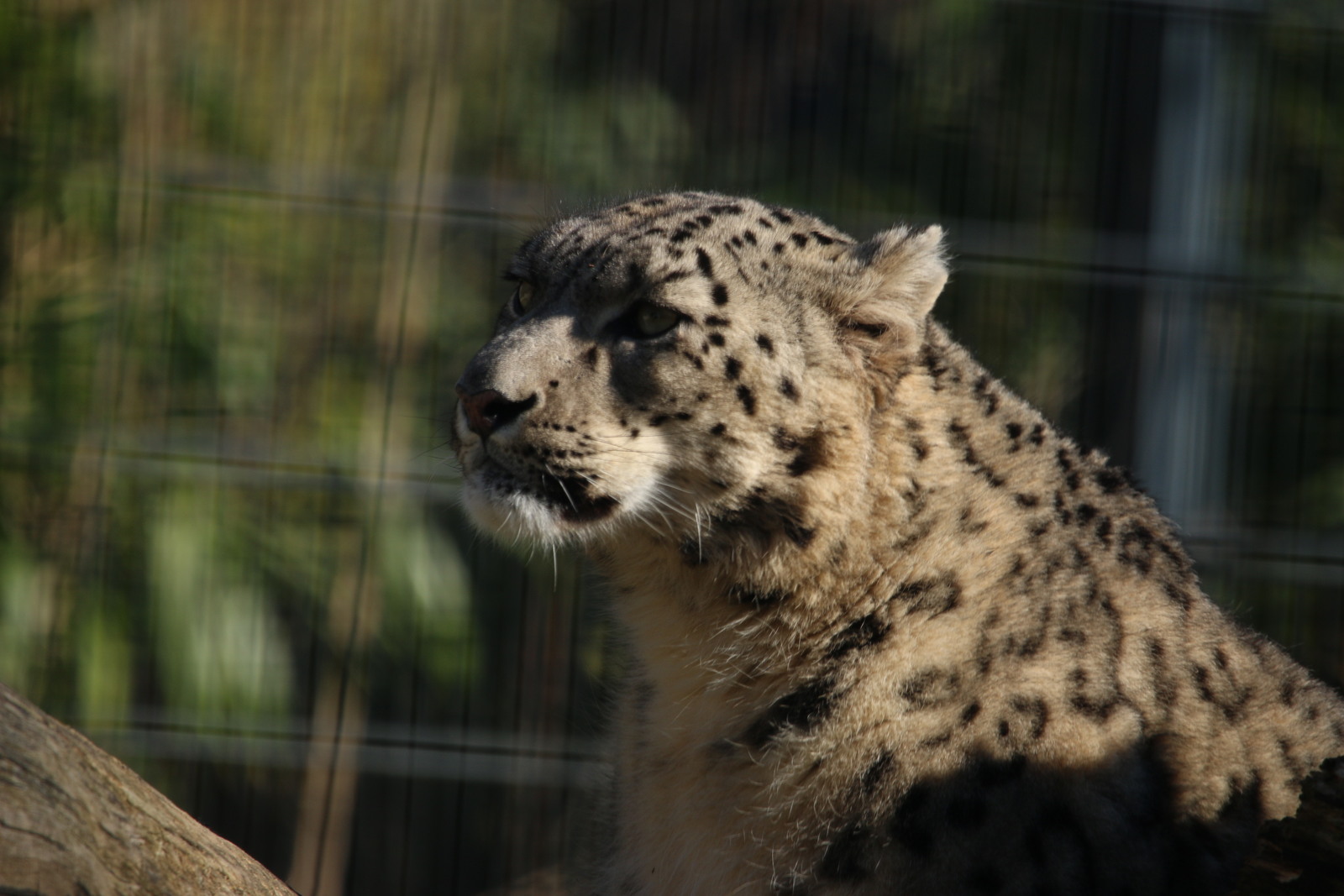
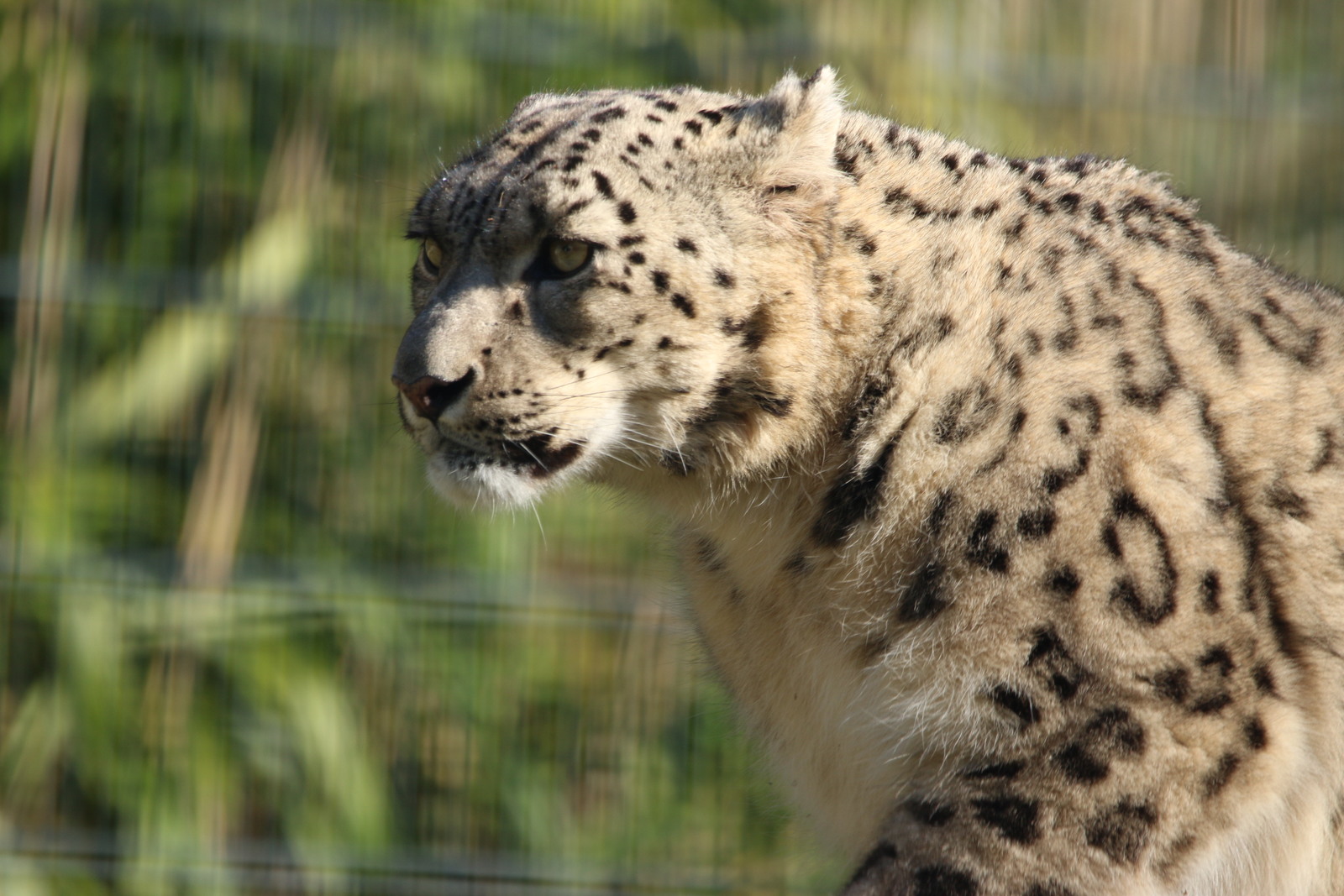
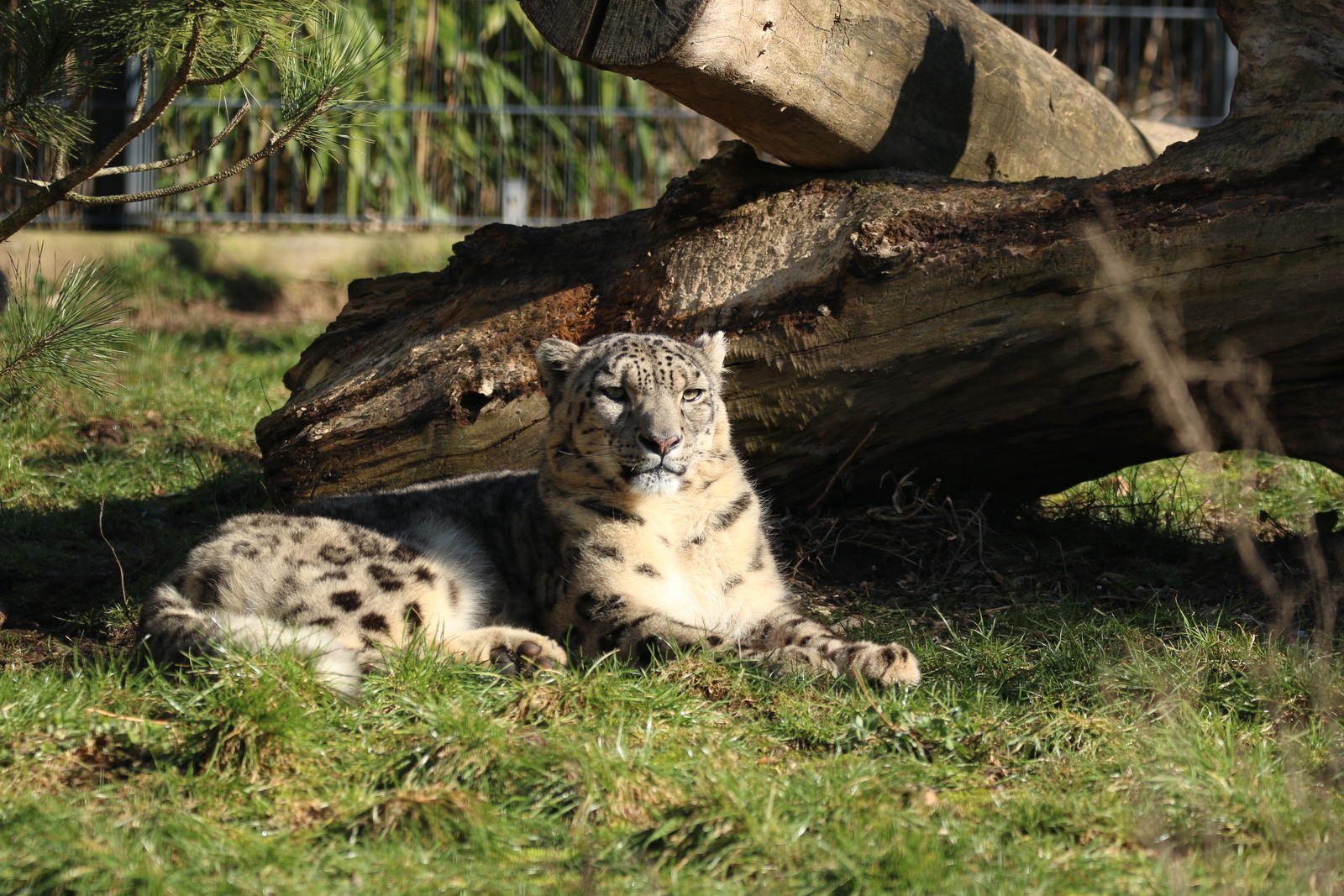
We’ve got many cute or interesting creatures here, but none as beautiful as our snow leopards.
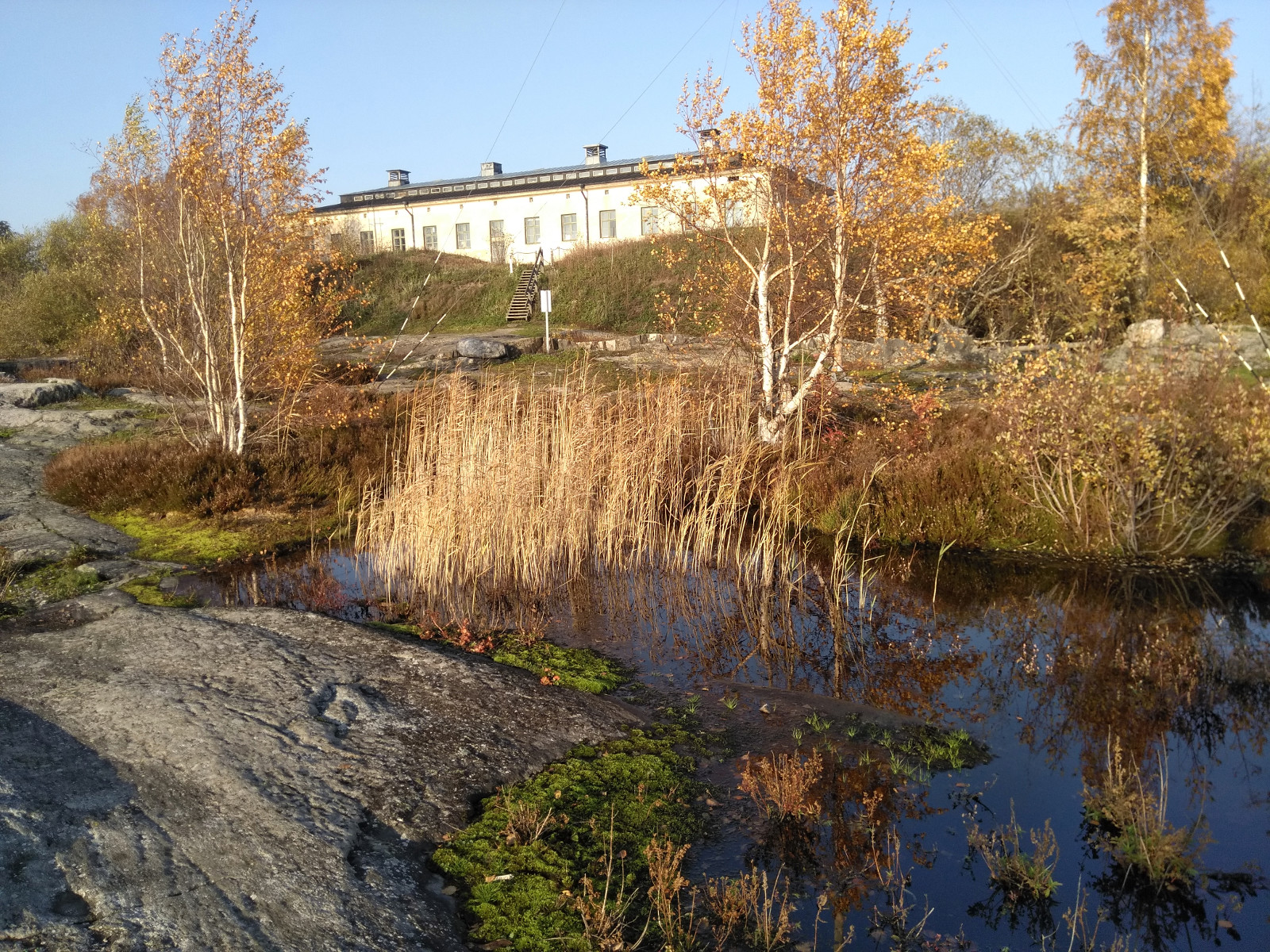
It’s another beautiful day on Harakka so let’s join Ice Swimmer on his walk around the island.
A HDR photo is generated using multiple photos with different settings from the same view. It is suited for stationary objects. Or when you want to play with things. [Read more…]
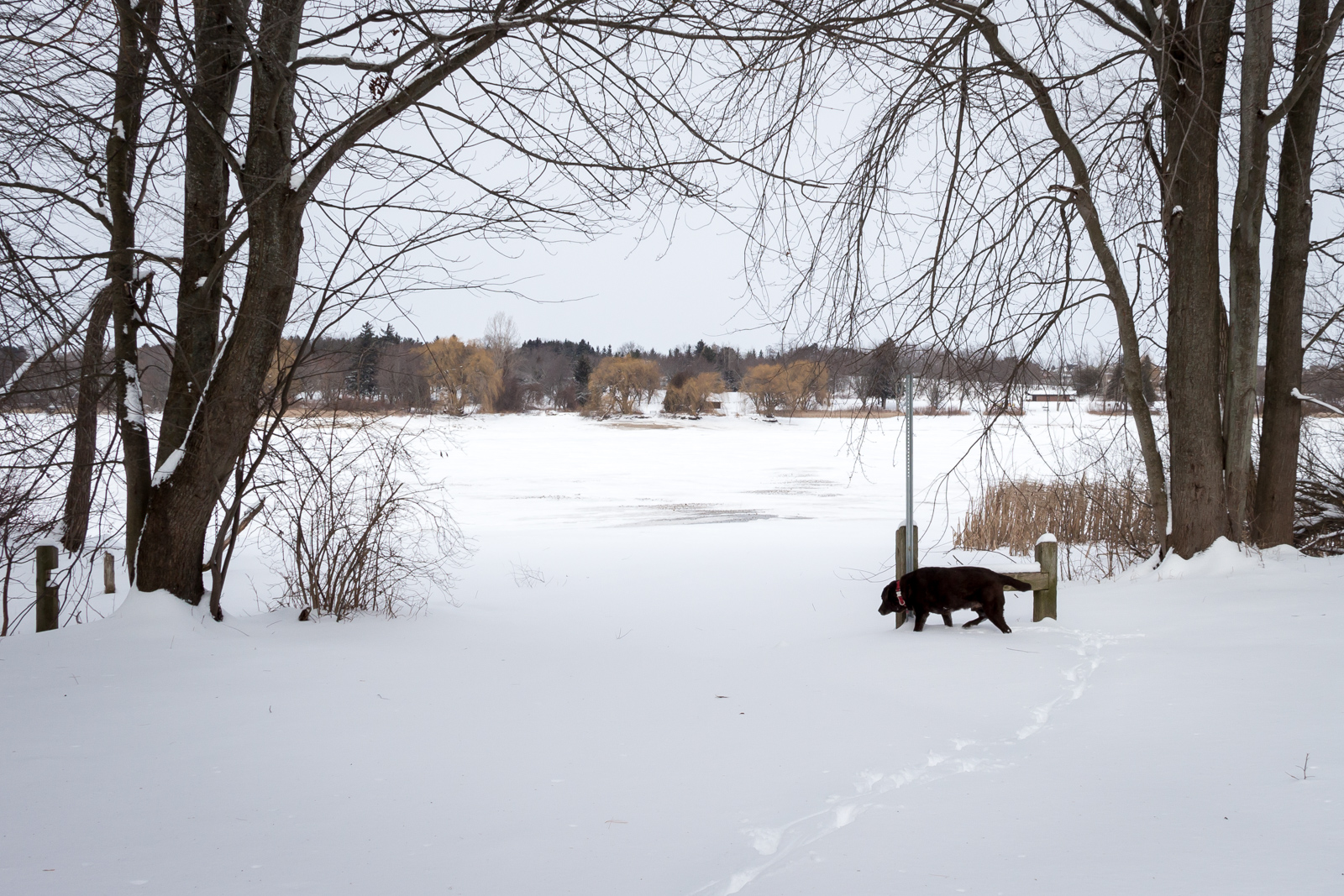
Grey skies, grey light, trees in black and white. I’m hungry for colour and sunshine and maybe even just a break from frigging with the white balance on my camera. These softly lengthening days of February have been so dull this year that the extra daylight looks more like daylong twilight. It’s a good thing HappyJack™ has a happy tail to motivate me or I might not leave the house at all on days like this.
It’s time for another chapter in Ice Swimmer’s series.
Right now temperatures change extremely between -5°C in the night and 15°c in the afternoon and the days, they’re getting longer. And all the hazel is blooming so I tried to claw out my own eyes because fuck allergies. So it’s time to for (hopefully) one last look at winter.
An adorable, out of season find from Avalus.
I found this tiny shroom in winter.
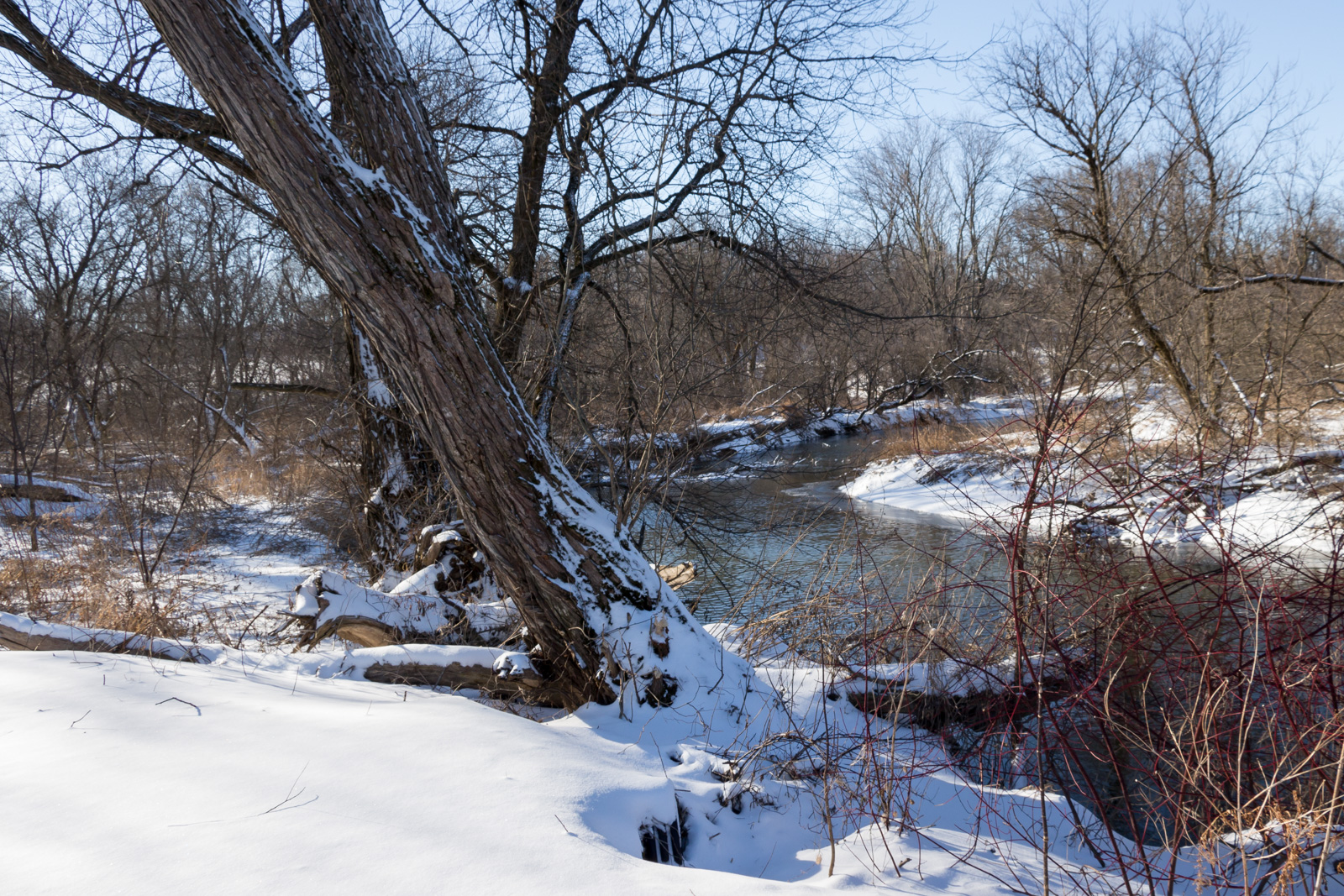
What a strange winter we’re having this year. Yesterday we had snow flurries in the morning, freezing rain in the afternoon and then snow flurries again overnight and this morning. It looks pretty, but under that blanket of snow there’s a thick layer of ice that makes walking treacherous. The ice is also still coating the trees and hydro wires which is a bit of a worry. It’s supposed to start warming up tomorrow again with a projected temp of +5 by Friday and after that who knows.
It’s time to take another walk with Ice Swimmer as he tours us around Harakka.
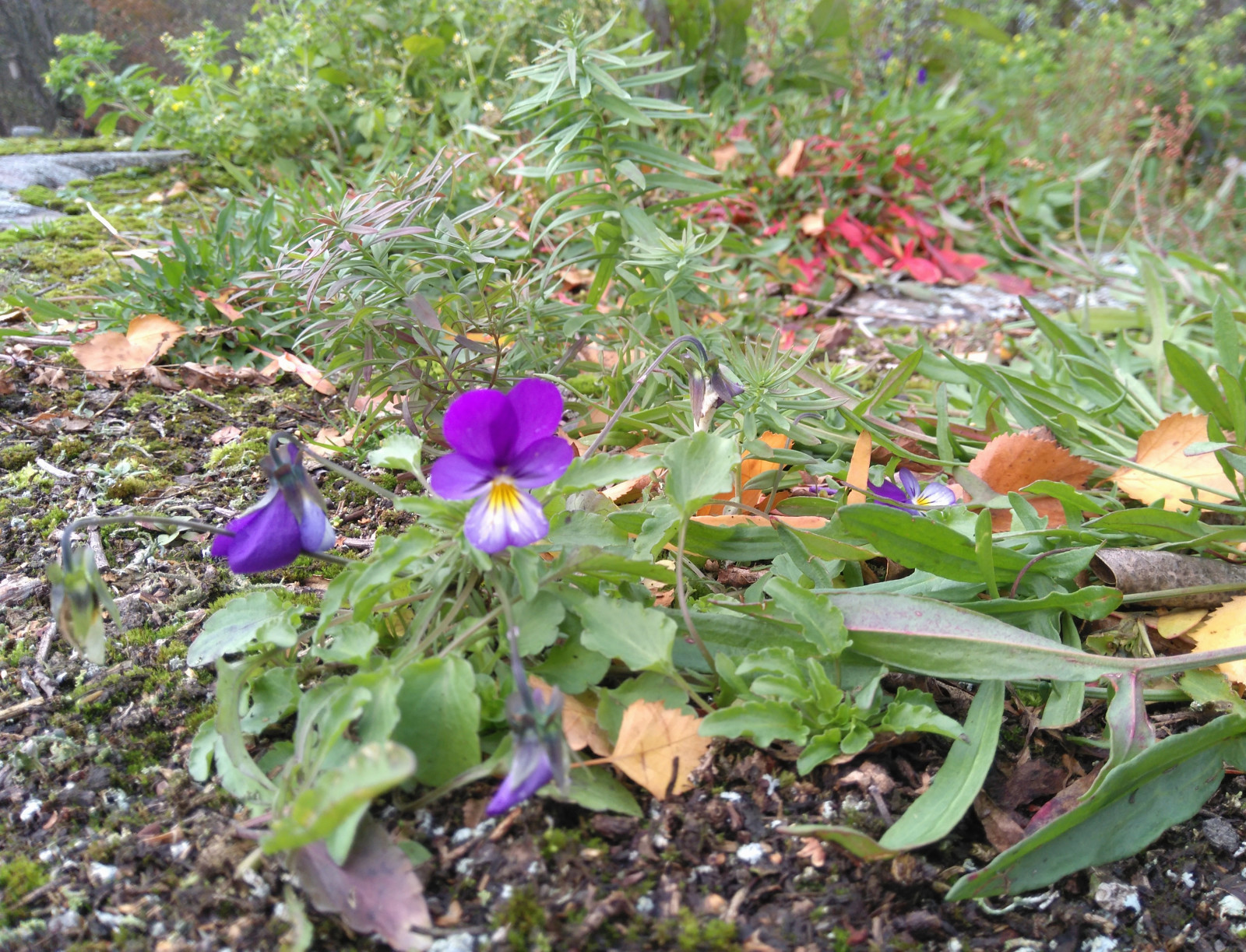
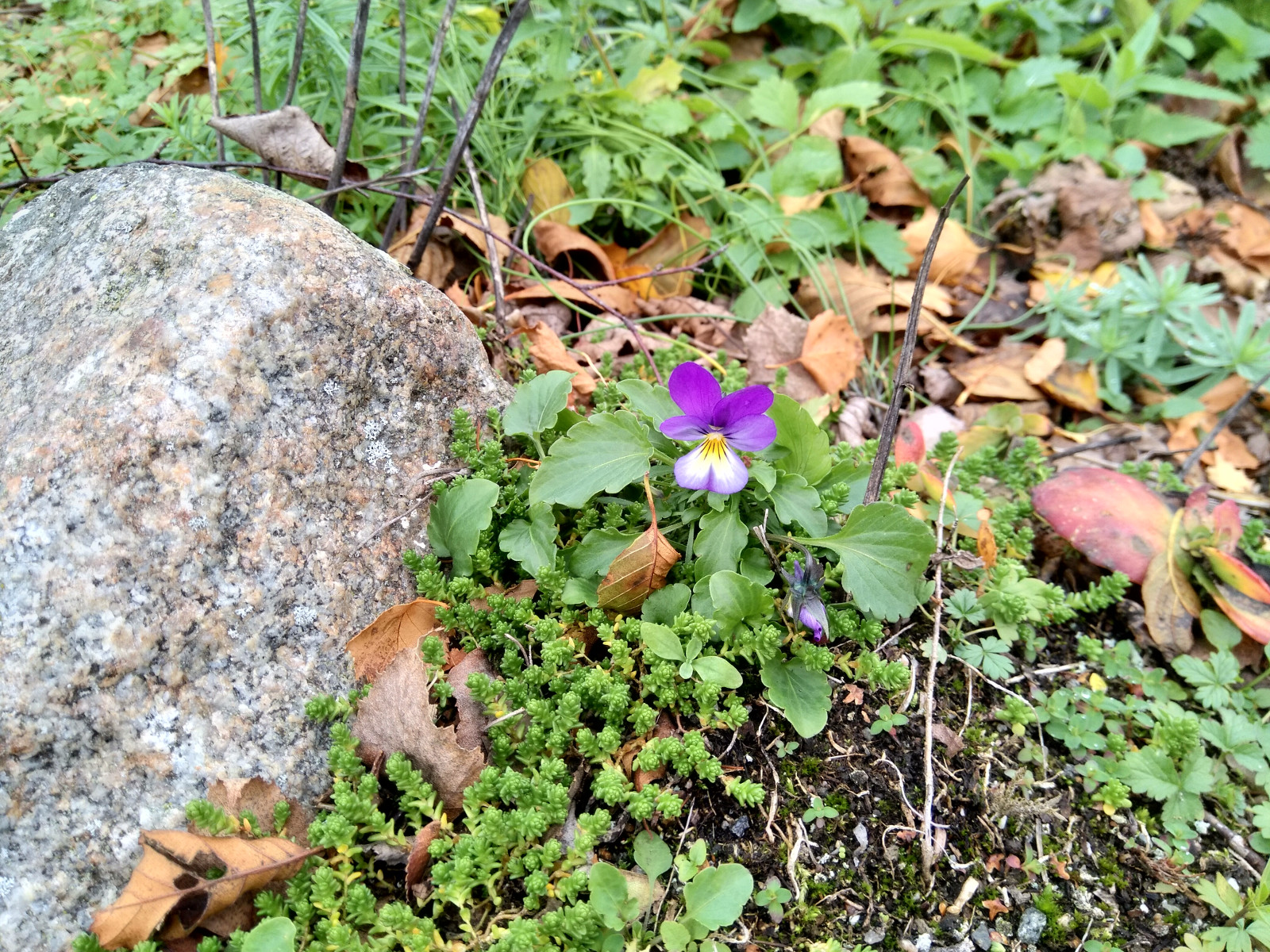
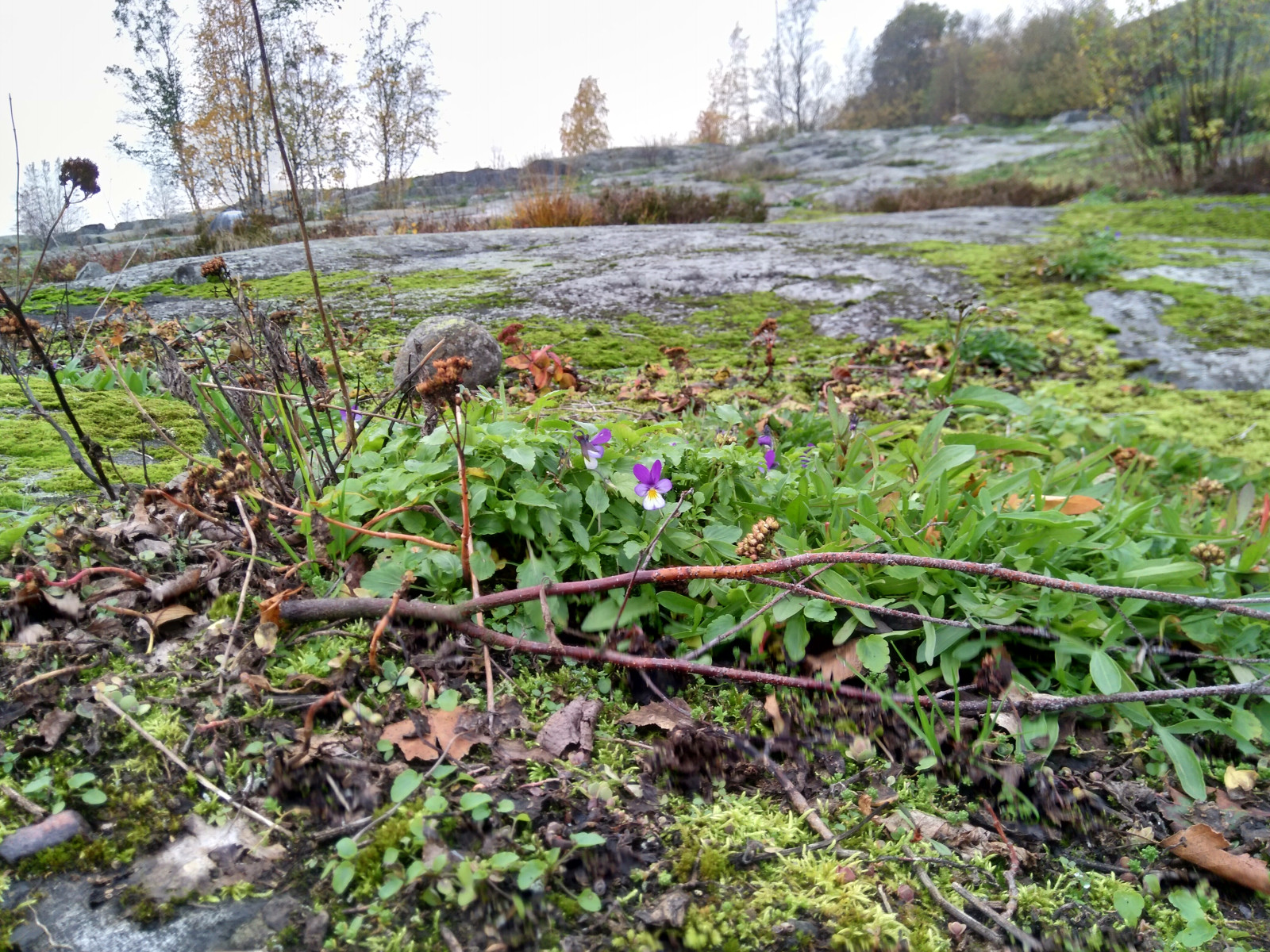
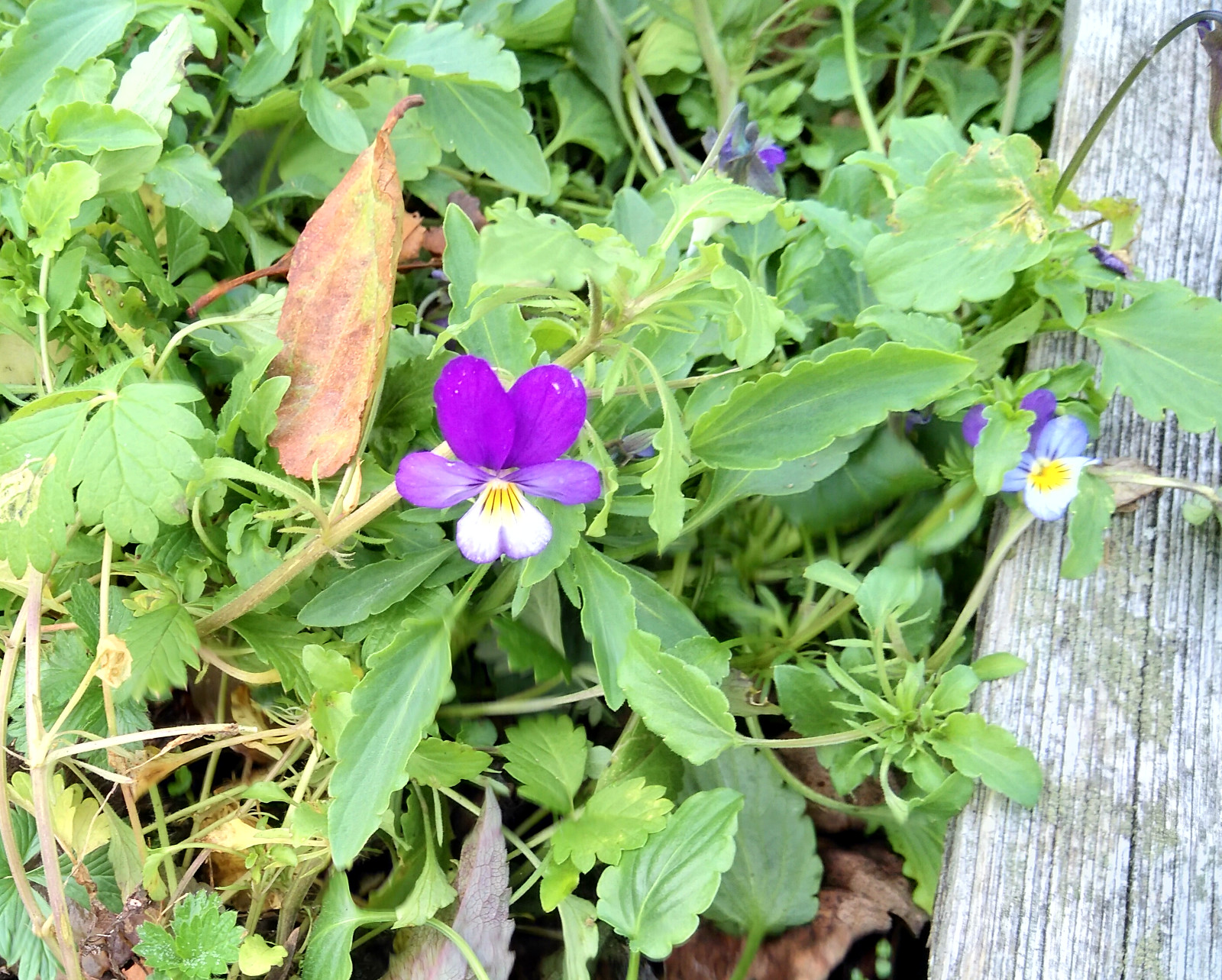
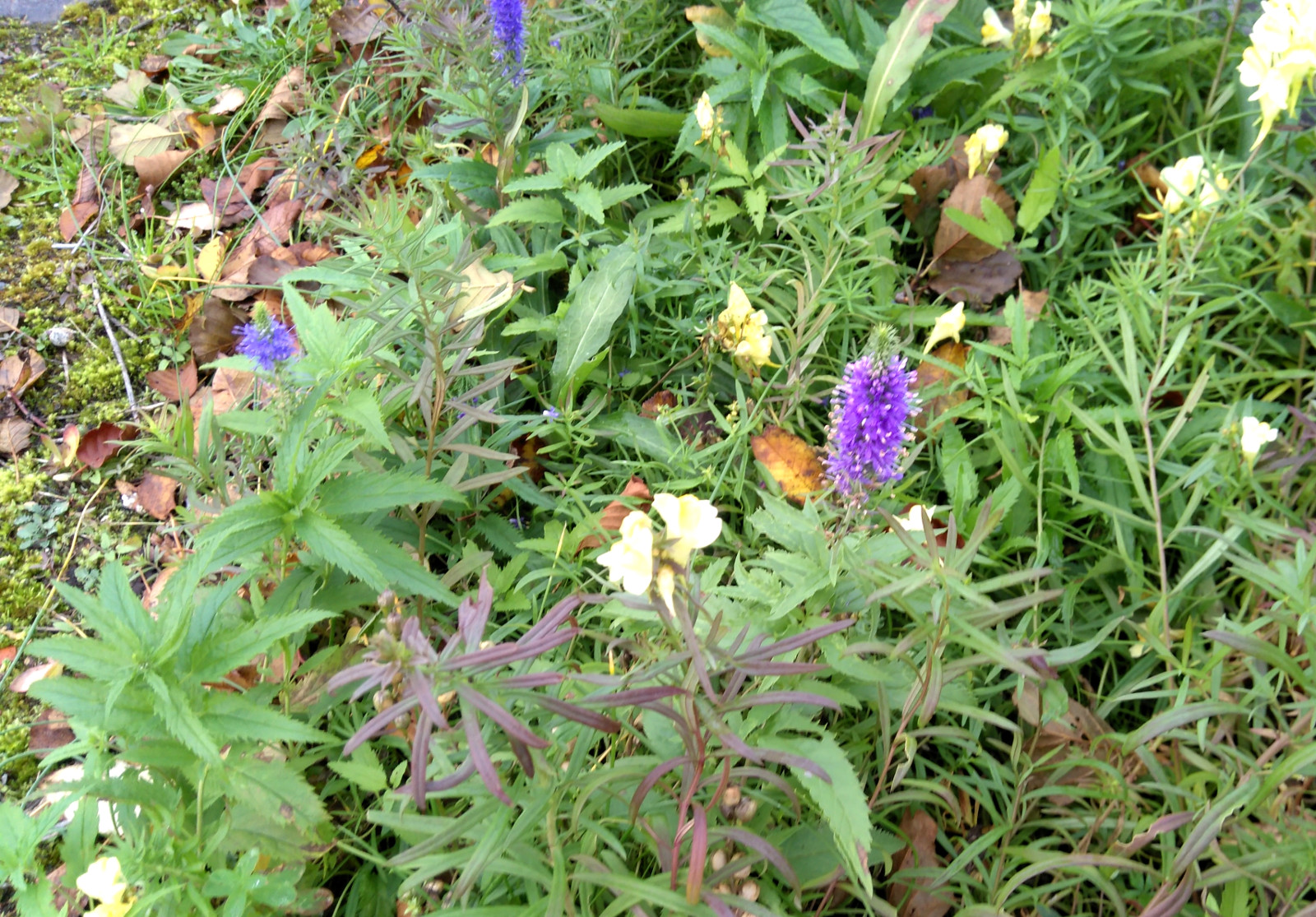
These pictures were taken on the rocks of Harakka, in various places and various times, both on Saturday and on Sunday. The wild/feral violas could be found all over the rocks wherever there was a large and dry enough crack or other place in which there was some soil.
Our journey on the rocks of Harakka will continue in the next post of this series.
This week we continue looking at the oldest and biggest tress in the world, but instead of looking up we’re going underground to have a look at a root system. A clonal root system, to be exact. You’ve seen Old Tjikko, the oldest living clonal tree in the world, but old Mr. T is not the oldest living clonal system in the world. That honour belongs to Pando The Trembling Giant, a colony of Quaking Aspen trees in Fishlake National Park in Utah.
Pando is an ancient clonal root system and although the individual trees live for about 130 years the root organism itself is estimated to be 80,000 years old. Pando was alive when early humans were first migrating out of Africa and it would be about 65,000 years before human eyes even reached the Americas to see Pando.
Pando is more than a group of trees that have withstood the test of time. Pando is actually just one tree; all the aspens of Fishlake National Forest are part of the same organism… Genetic testing has helped confirm that each tree in the forest is the same organism reproduced over and over again with only slight genetic variations.
Pando is big, too. It covers 107 acres and weighs in at an estimated 6,615 tons which makes it the worlds heaviest living organism. By comparison, a blue Whale is a lightweight at only about 200 tons. Pando is currently threatened by over-grazing of deer and elk, but a conservation project has been implemented and fences seem to be successfully working.
So there you have it. I think we can safely say that Pando is definitely the oldest and the biggest tree in the world.
Check out the full article and a few more photos at All That’s Interesting.