My Auntie’s Garden – Part 2 – Tulips

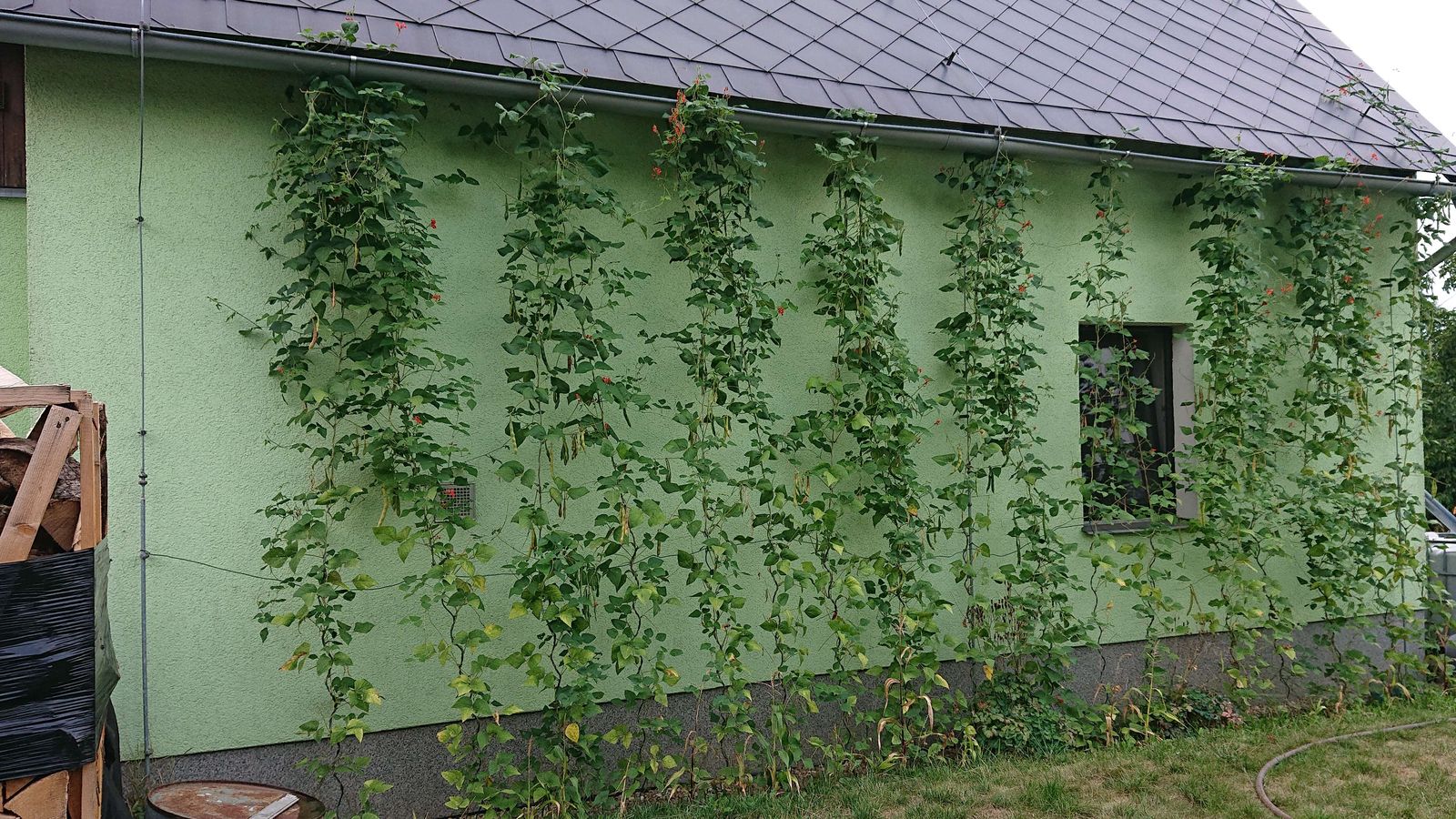
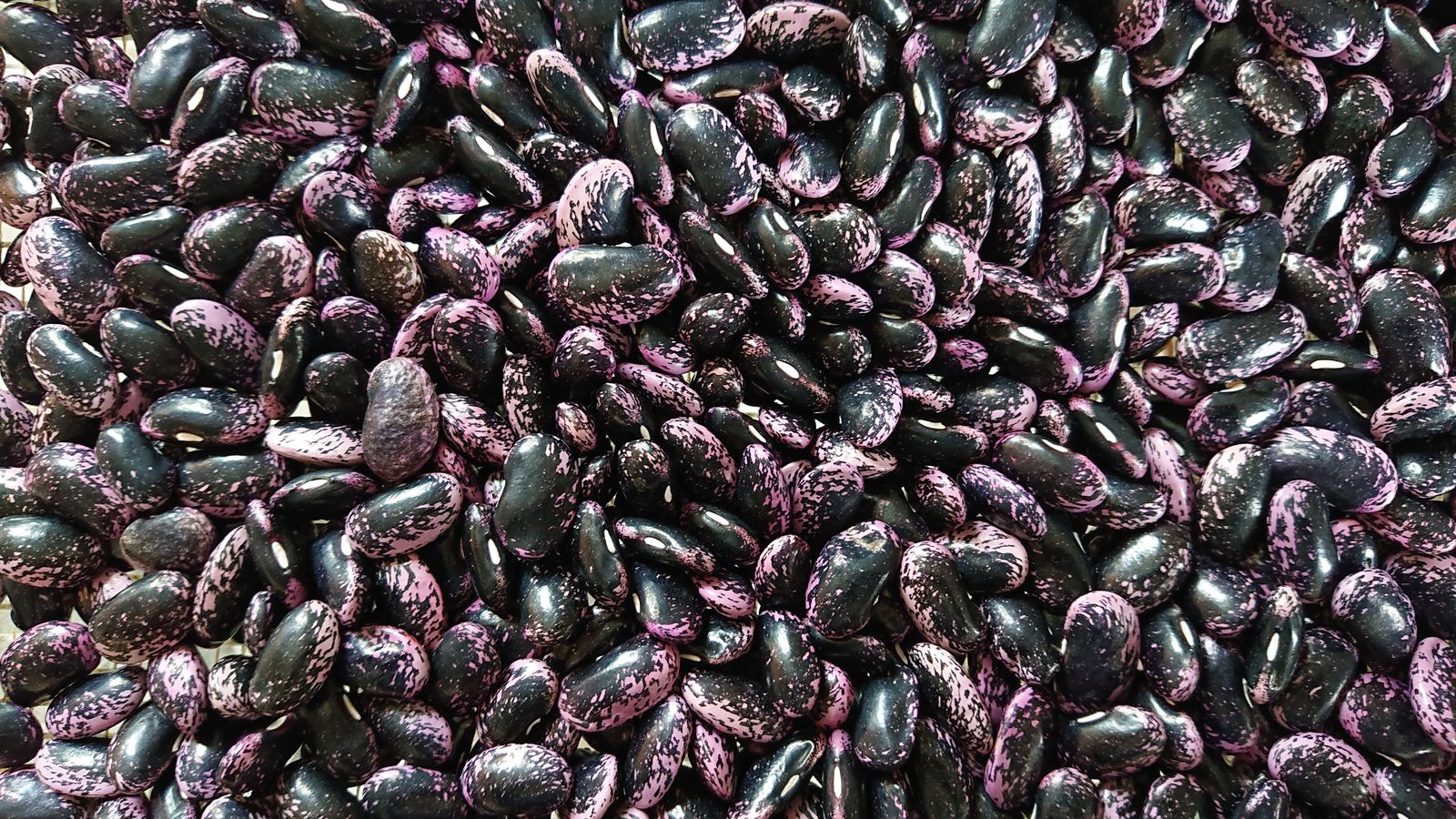
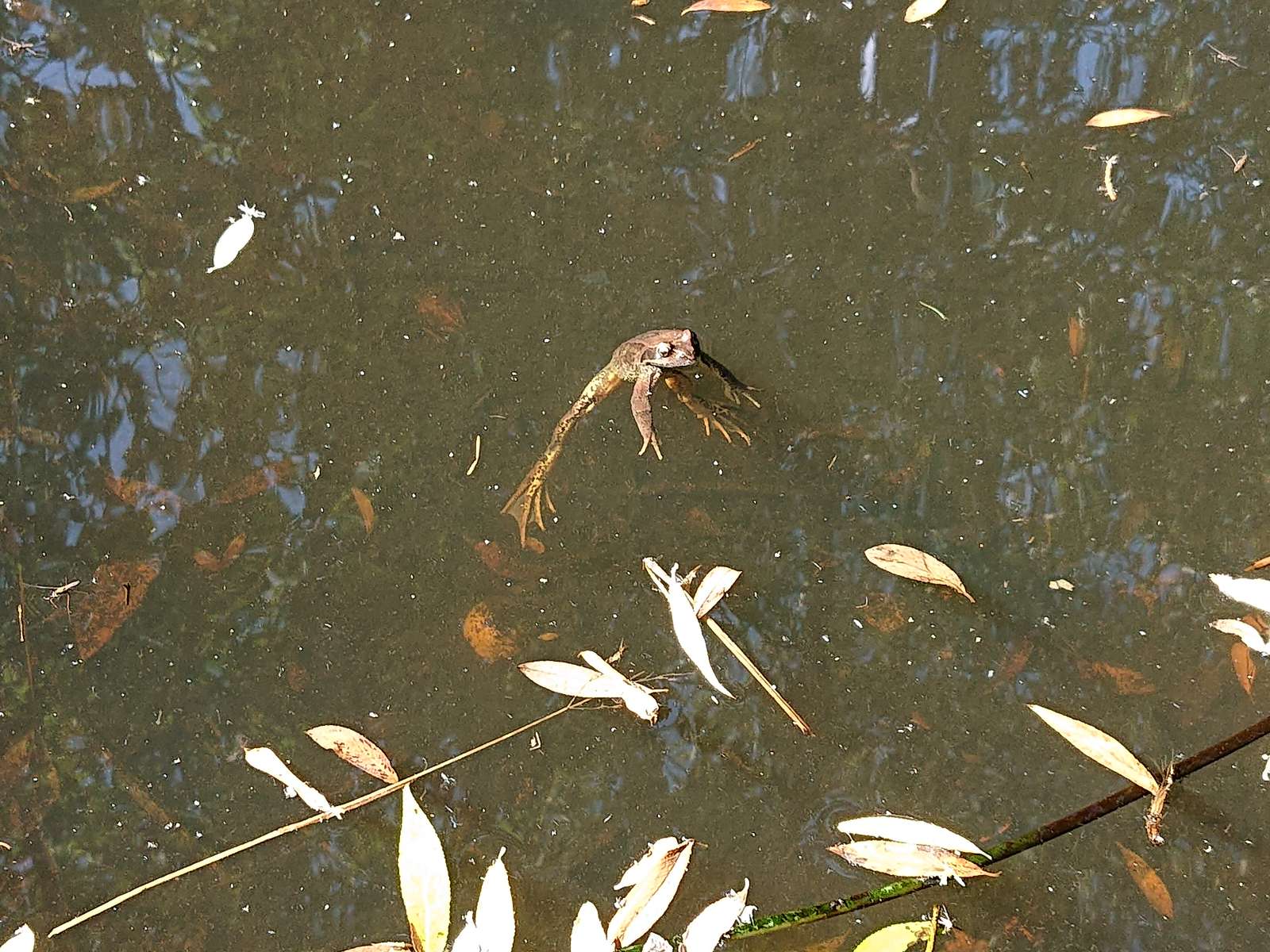
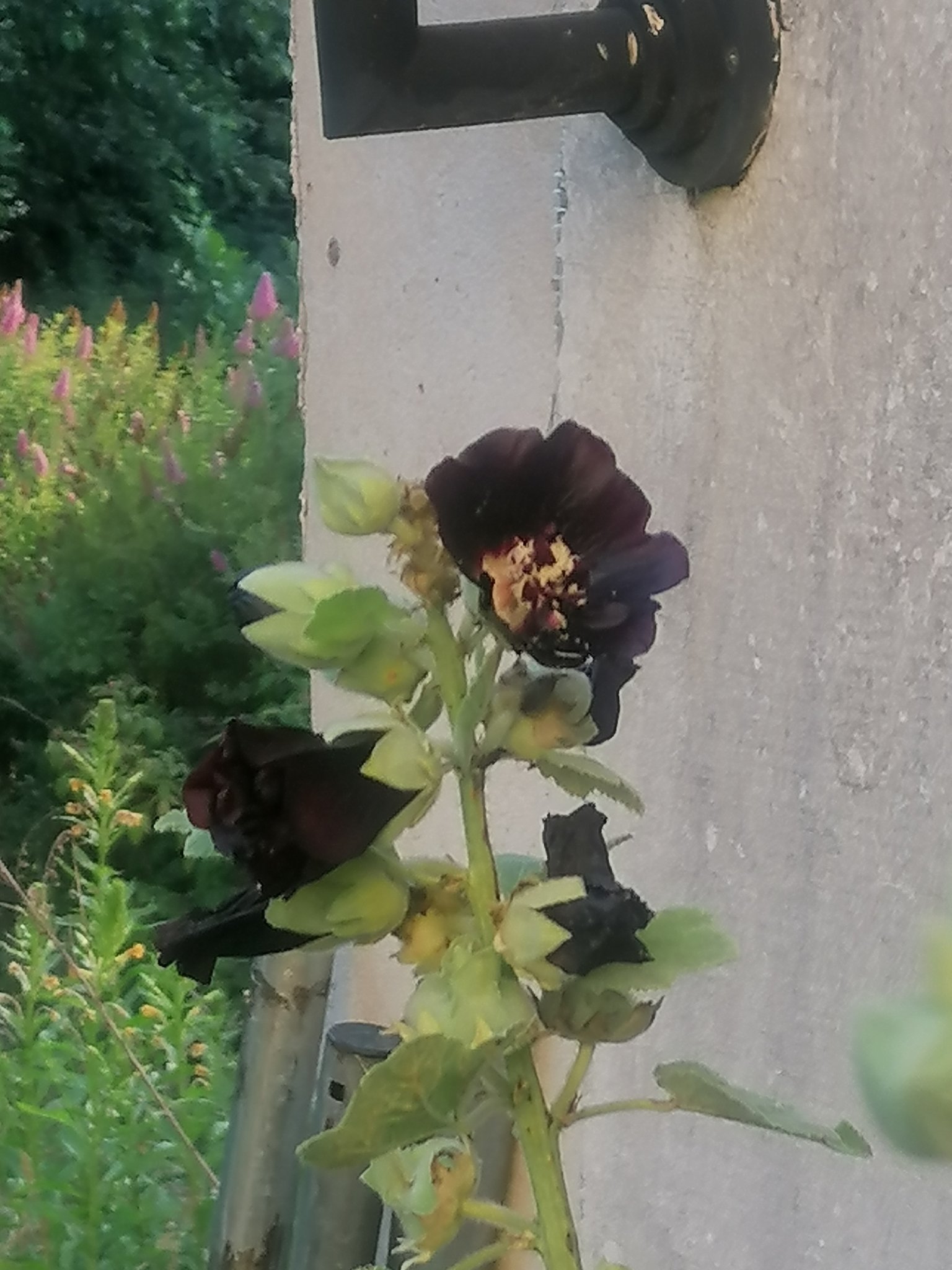
Not the biggest collection imaginable, but the strategically put tulips here and there resulted in quite a few various pictures.

© Charly, all rights reserved. Click for full size.

© Charly, all rights reserved. Click for full size.

© Charly, all rights reserved. Click for full size.

© Charly, all rights reserved. Click for full size.

© Charly, all rights reserved. Click for full size.

© Charly, all rights reserved. Click for full size.

© Charly, all rights reserved. Click for full size.

© Charly, all rights reserved. Click for full size.

© Charly, all rights reserved. Click for full size.

My Auntie’s Garden – Part 1 – Introduction

Very rarely do I have an opportunity to visit my favorite aunt in the spring when her rock garden is in full bloom, so today year when I got lucky I took a ton of pictures. I will post them piecemeal over a non-specified period of time.

This is the outside view of her house and the garden. You can already see the multitude of shapes and colors.

© Charly, all rights reserved. Click for full size.

And to start things first a picture of a small pond with water lilies. They are not blooming yet, so just a little anecdote to amuse you: When I was a little kid, I liked to play in this garden by running and jumping on the rocks. My aunt did not mid as long as I did not damage any plants, which I somehow managed. But she did warn me to not do it near the pond because I could fall in it. So of course I ignored that instruction and one summer day I did indeed fall into the pond, butt first. There was laughing and Itoldyousoing on my aunt’s part and wailing and gnashing of teef on my part. Luckily I did not hurt my self nor the water lillies.

© Charly, all rights reserved. Click for full size.

Akin All Avo

This Wednesday and Thursday the weather was warm enough to plant pohtatohes. These are the fruits of mah lay-bour:

© Charly, all rights reserved. Click for full size.

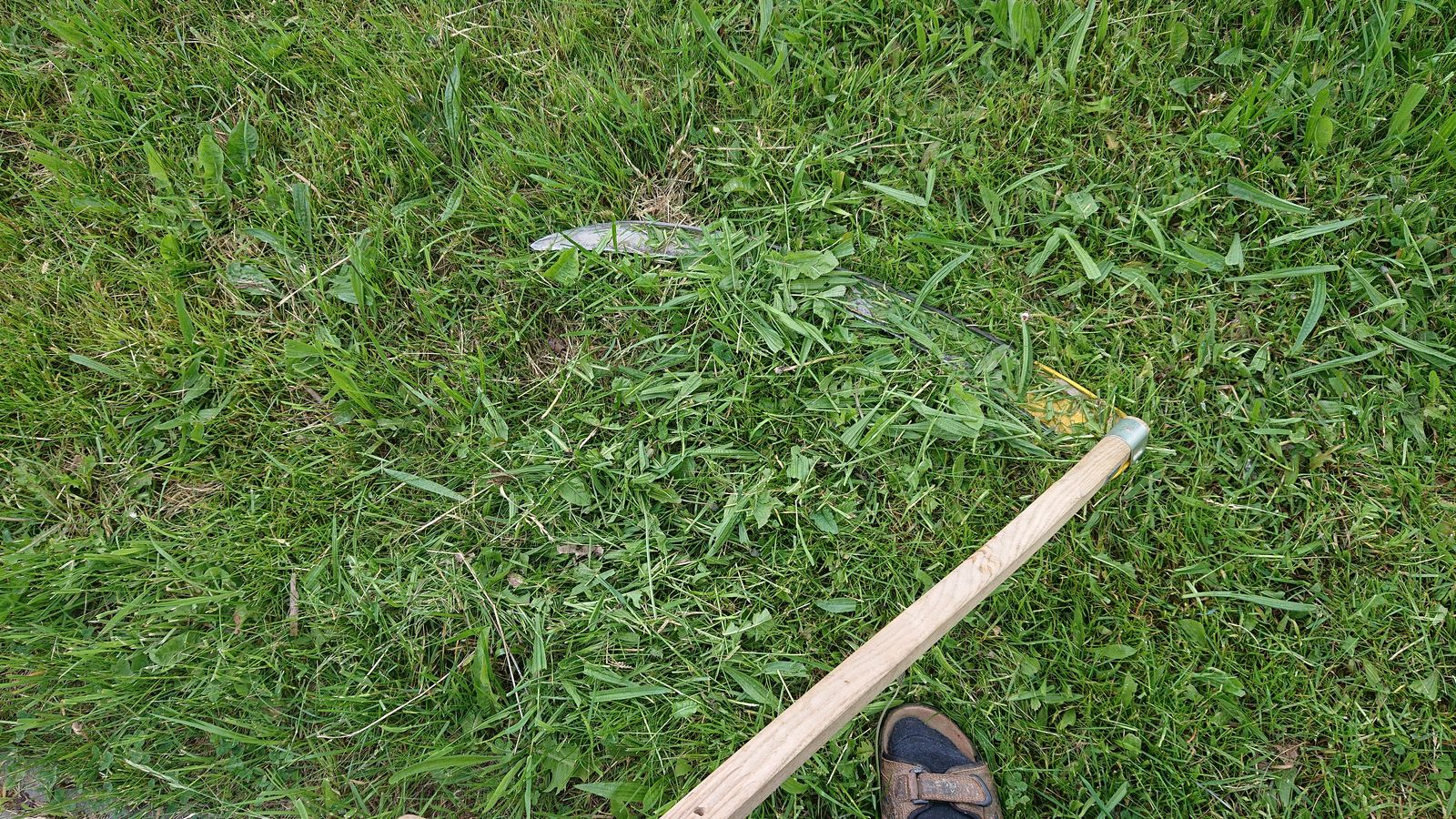
In the top left corner, you can see my sewage cleaning facility, specifically, its last two stages, the gravel-reed-bed where the water is further cleaned after the anaerobic tank and the seeping pond where it seeps into the ground around the edges. The reeds grew especially big last year with some stalks exceeding 3 m in height and 1 cm in thickness, which is normally unheard of at my elevation. Hooray for global warming, I guess. Mowing them with a scythe was an extreme p.i.a.

You can also see the pollarded willow trees around the pond that are due for firewood harvest next winter, but for years I did not know what to do with the reeds so they just rotted slowly on the compost. Two years ago I tried to put them directly on top of planted potatoes before they get covered with dirt. And it worked well, it lightened up the heavy clay significantly that year and I had the biggest haul of potatoes from that patch that I ever got – over 200 kg. We had even trouble to give the taters away because of the Covid travel restrictions, so we have tried some ways to preserve them for longer storage. Which worked well, especially dried chips for soups – we have those still and they work great in combo with dried mushrooms.

Last year there were no potatoes but peas, beans, maize, and pumpkins, so the soil can recover somewhat. It did not yield 200 kg of edibles of course, but we got a few dinners out of it. This year it is potatoes again.

So I am trying to replicate the success. On the vegetable patch, you can now see nine full and two very short rows filled with shredded reed stalks. In the next days, they will be slowly covered with dirt to form mounds for the tubers to grow. Inorganic fertilizer was added over the winter in the form of several buckets of ash from the house-heating stove. Some organic fertilizer has been added now with these reed stalks and more will be added over the year in the form of mown grass and raked moss. I do hope the weather won’t be too dry, but the sewage cleaning facility should help significantly if it is, and it adds some nitrogen too since the system is not as effective at cleaning ammonia as it should.

A whole cycle from poop to food in one garden.

Today I wanted to work on knife sheaths, but I am aching all over and it is probably not just from the work. I have a slightly elevated temperature and a bit of sore throat and a mild dry cough. The weather was reasonably warm, but not really warm, so I guess I caught a bit of chill and now some strep is trying to get me. I do hope to be able to work tomorrow, I have a commission due in May and although I still have enough time, finishing sooner is always better than later.

Bonsai Tree – I Still Do Not Understand You My Persimmon

Previous post.

Last year my Persimmon tree did not branch out and it also took a veeery long time to shed leaves. When it did shed the leaves, I decided to overwinter it in a cooler, darker spot than last year in the hope that I will get better control over when it starts to grow. I did not. Saturday I noticed that it has started to sprout new twigs. That is very early and very inconvenient because I had no potting substrate prepared and due to the extreme weather I could not prepare any for a few days. But today I finally got around to replanting the tree.

Maybe what keeps this tree dormant is not only cold but relative dryness and cold? I do not know. It has wintered, it has survived, but I still have no clue whatsoever what is optimal for it where I live.

© Charly, all rights reserved. Click for full size

Here you can see it in a bucket of water when I am washing out old substrate from the roots. The roots looked very healthy and were not overgrown. I might not need to re-plant the tree every year.

As you can see. last year there has only grown one twig, very upright and very long. And it did not start to grow from the apical bud right below the cut, but from one a bit lower. That has made the trunk shape in that place a bit awkward. Luckily this spring the tree started to branch out at the main stem, from the buds under the previous year’s cut. Go figure.

I have removed the whole of last year’s growth on the main stem and I did not touch the secondary stem at all. I will leave the secondary stem to grow this year uninterrupted. that should make it stronger and thicker. And next year I will cut it back a lot. On the main stem now are two budding twigs which I hope will become a suitable base for a nice crown.

© Charly, all rights reserved. Click for full size

Here it is replanted, being watered for the first time in the new substrate.

I made a cutting from the top of last year’s growth where the twig was soft and not very woody yet, I slathered some root stimulator on the wound and put the twig in water to find out if this plant can be propagated this way. Putting a cutting directly in water is the simplest way, but not all trees take root this way – some are more finicky in this regard. We shall see, the worst-case scenario is no harm, the best-case scenario is another persimmon to play with.

I Got Nuts

Last year I made a tool to pick up walnuts, but I had no opportunity to really use it. Just when the tree was in full bloom, late frost came and destroyed everything. Well, at least the tree got some rest and it is not like we are wanting walnuts – we still did not eat all we had.

And this year’s humid and cold-ish summer seemed to agree with the tree mightily. You can try and count the nuts in this picture but it would not be easy for they are difficult to spot and there are many, many, many.

© Charly, all rights reserved. Click for full size.

And this picture was taken after we already have several kilos of shelled and peeled fresh walnuts in the freezer, several kilos drying in their shells for long-term storage, and giving several hundred grams of low-quality ones to birds in the feeder each day. Which I suspect that a squirrel takest, for I doubt tits make them disappear this quickly.

So these last few days I go twice a day with the ladle and pick the nuts. The first that fall still have some green stuff on them (as seen in the picture) and are usually of lower quality.

© Charly, all rights reserved. Click for full size.

The tool works like a charm. No aching back and legs, no effort. I can easily scoop any nuts that fall in the nettle patch, or in the raspberries, or on the tarpaulin covering pool at the end of the sewage cleaning facility. After I pick them, my father cleans them, and in the evening when watching TV he and my mother crack and sort and peel them.

Yesterday most of these mixed-quality nuts were already down and what is falling now are mostly those where the husk cracks on the tree so the nut falls first and the husk eventually follows, so no additional cleaning is necessary. From experience, these are usually of a higher quality and when dried and stored properly, they last for years in their shells. However, I am a bit at a loss as to what to do with them. I no longer have colleagues to whom I could try and sell the excess, and it seems I will have more than enough to satisfy the whole family’s needs for years. Like I said, we still haven’t eaten all we had from two years ago.

I wish potatoes grew this way.

Garden update: Harvest is upon us

Autumn is sneaking in, which means that it will soon be time to say goodbye to the lush colours of the garden. But before we leave for winter, things are still growing.

Butternut squash on a planting stone

©Giliell, all rights reserved

There are finally some butternut squash. they’re pretty late, but this is the second one we ate and there’s a couple more. My corn (not pictured) was a mixed success. While the regular sweetcorn was ok (but I only had four stalks), the black popcorn maize put out cobs way too late and didn’t grow tall either. I doubt that it will still ripen and I’m a bit at loss as to why that happened. Can’t be the soil or anything I did, since both varieties were planted next to each other…

I will have way more chilis than anybody can wish for…

Orange chili on a plant

©Giliell, all rights reserved

Somebody must have told this one a dirty joke, it’s turning red.

And last but not least: asters. They’re about the last food the bees get in autumn and aren’t they just amazing?

pink/purple aster with lots of buds

©Giliell, all rights reserved

Bonsai Tree – Taking Things Slow

Previous post.

My persimmon tree got me worried this spring again. It looked perfectly healthy when I was repotting it, but I had to trim a lot of roots in order to promote good growth – the main root was a bit too much as a carrot. But it had plenty of lateral roots too, so I did not think cutting it will be a problem. I have also trimmed most of the last years’ growth in order to promote the tree to branch out a bit.

The roots did not support splitting the plant into two, but that is not a problem, I will be happy to have bonsai with two trunks. But the tree, again, did stubbornly did not grow. Outdoors was everything green already and growing like mad, and this one did nothing. It was indoors the whole time, so I do not understand how it could be so heavily influenced by weather (this spring was delayed by more than a month), but possibly it was.

I was fretting and checking the tree regularly. Both twigs were still springy and the bark was fresh-looking, there were no obvious signs of the tree dying. Just no growth.

Last week I have put the tree in the greenhouse, in the hope that the warmth and high humidity will wake it up already. And it might have worked.

© Charly, all rights reserved. Click for full size.

Well, the tree is growing, but it seems unwilling to branch out. Maybe persimmons are plants with strong apical dominance. We shall see whether I will persuade it to branch out or not.

On the right, you see a new addition to my plants collection, a mango grown from seed. My aunt gave me mango fruit in the fall, which I, unfortunately, could not eat because I was seriously revolted by the smell. It was not spoiled, it just smelled unpleasant to me, like raw peaches (to which I am allergic). At least my parents found the smell pleasant and the taste too. And the stone went straight into substrate afterward. It looks promising and might make a passable bonsai too. And it seems to grow much faster than the persimmon since it is a tropical plant and does not have a real need for wintering.

Baby, it’s cold outside

In one of Pratchett’s best novels, Nightwatch, Sam Vimes travels back in time and takes part in the “Glorious Revolution” (twice, actually), with its motto of Freedom, Reasonably Priced Love, and a Hard Boiled Egg, and its symbol of lilac in bloom, which happens on the 25th of April. I remember Caine being very fond of that day, posting pics of lilac. For me, living in a place where spring comes earlier than North Dakota and wherever Pratchett lived in the UK, by that time, the lilac had already bloomed, taking its sweet perfume with it.

Except this year, with its extraordinarily cold April. This year, the lilac has not yet dared to open its flowers.

©Giliell, all rights reserved

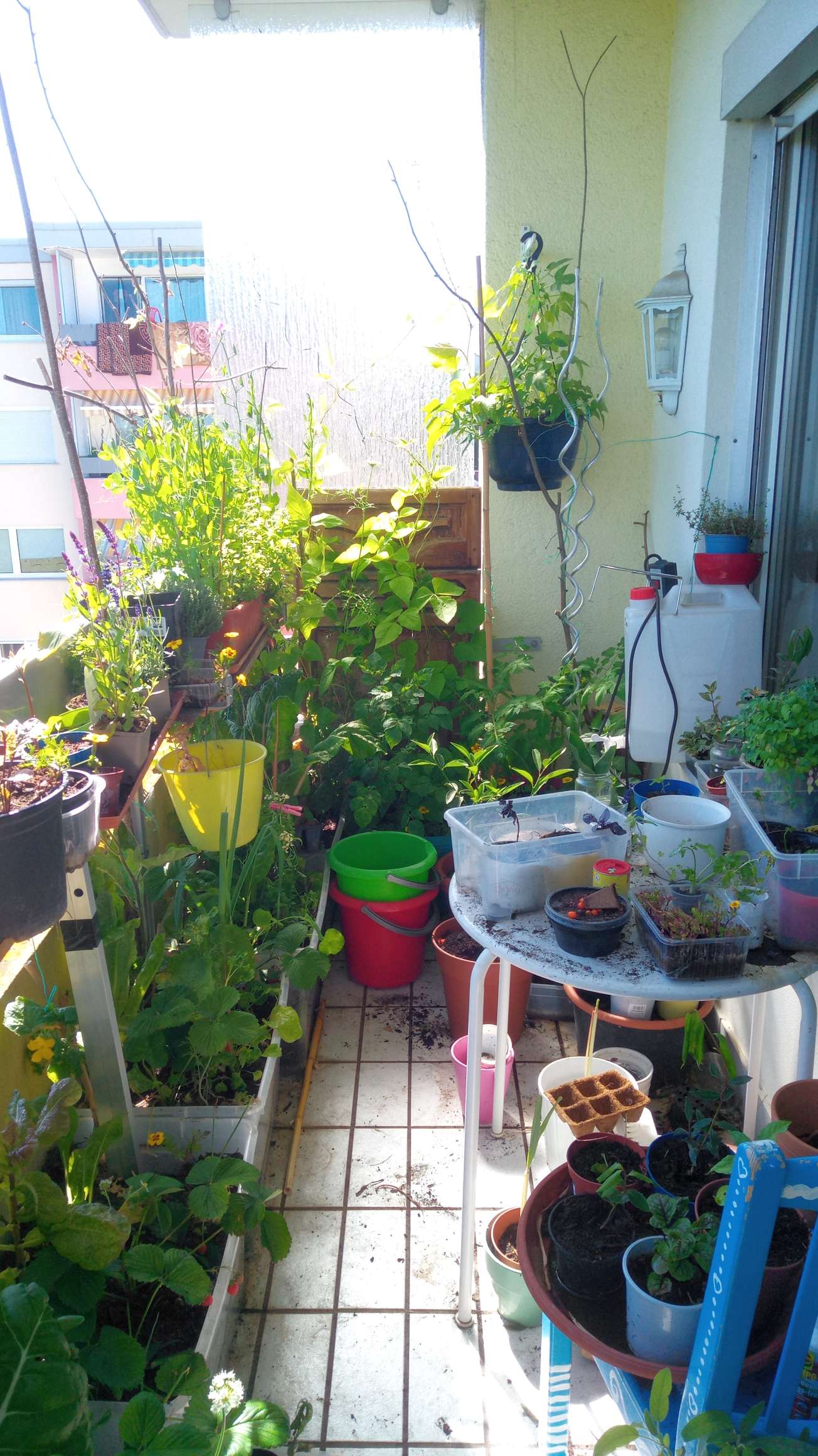
Most nights still had freezing temperatures and lots of plants are four weeks behind their usual schedule, which creates a problem for your dedicated hobby gardener: I planted the seeds according to the usual timeline, and most beds are also ready, only that it’s way too cold to plant anything outside:

©Giliell, all rights reserved The garden as o two weeks ago. The lower terraces are ready for planting, but the weather isn’t.

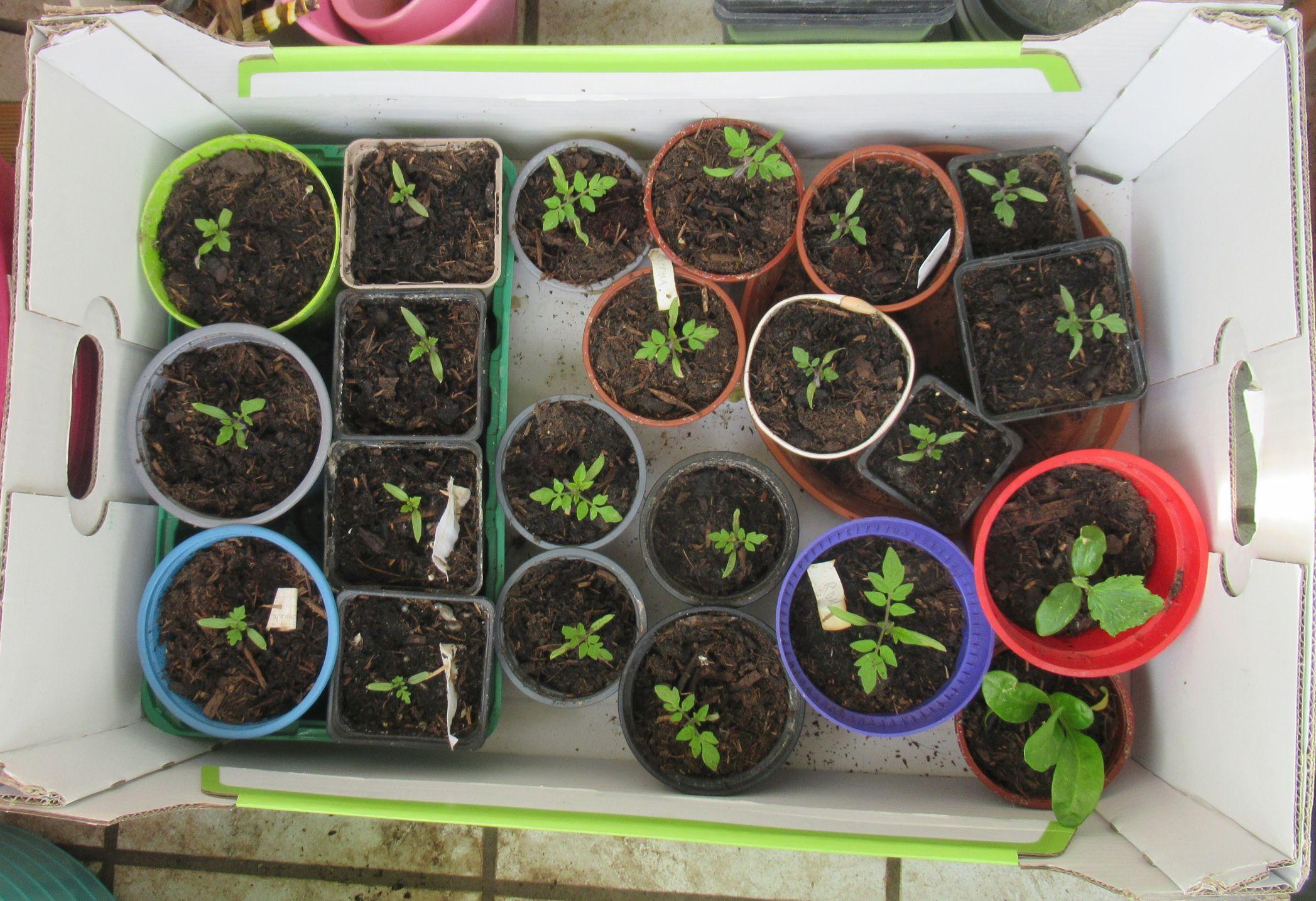
This means everything is still inside, although I usually carry about 50 plants outside in the morning and carry them back inside in the evening. Say hello to the cocktail tomatoes.

©Giliell, all rights reserved

I’m also running out of pots, because most of them have now been replanted three times and had to ask my mum for planting pots. What I really couldn’t keep inside for longer is the squash, so I planted it outside, hoping it would survive. By now, none of the plants look happy, some of them also don’t look alive:

©Giliell, all rights reserved

I can only hope that it will regrow those leaves, otherwise the squash will be entirely shop bought this season. As they were last year, when all my plants insisted on having male flowers only.

In the meantime I’m taking joy in the growth of my corn. Intellectually I knew that in order to get that high, it had to grow like mad, but knowing and seeing are two different things.

The two upper terraces in the garden will become “milpa” beds, also known as the “three sisters planting”, an old central American planting technique where you plant corn, beans and squash in the same area (hopefully the squash will survive…). The corn provides stability for the beans to grow on, the beans provide nutrition for the ground, and the squash protect the soil from drying out and being washed away. This was the little one’s idea and I must say, the idea of fresh corn on the cob is intriguing. So, cross your fingers for warmer weather and surviving squash (also the fucking slugs have been at it already. There’s a whole garden for them to eat, they can’t tell me they need to eat my squash).

Tiny Vegetable Patch Inspectors

The inspectors are tiny, not the vegetable patch. That is quite huge (over 40 square meters). It took me 1 hour to plow it all and that knocked me out for two days. Now I am breaking the dirt lumps and making the beds for the veggies which I expect to keep me busy for a week. Last year we had only one huge patch with potatoes, this year it will be split into several small ones for peas, onions, beans, and cucumbers.

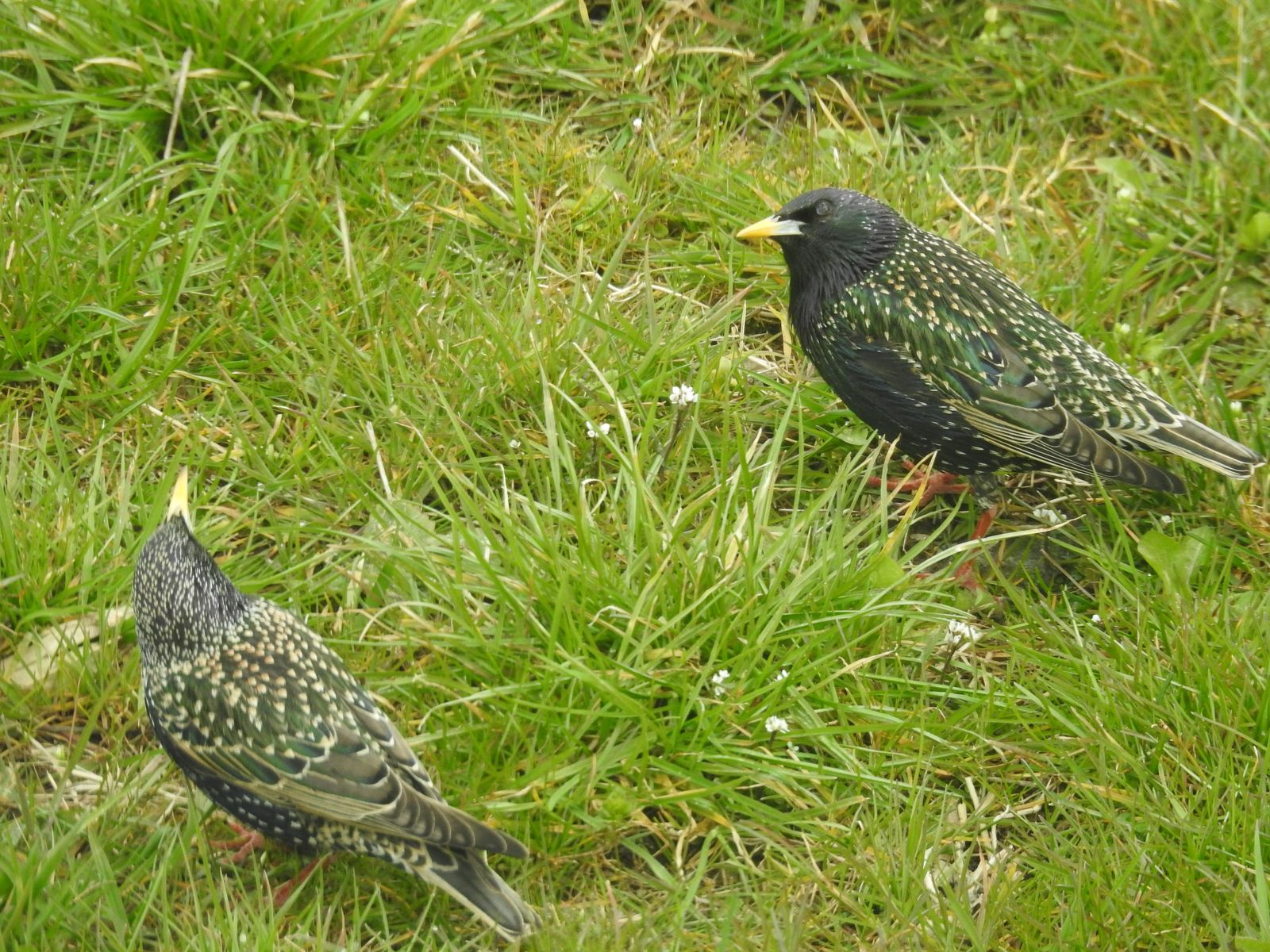
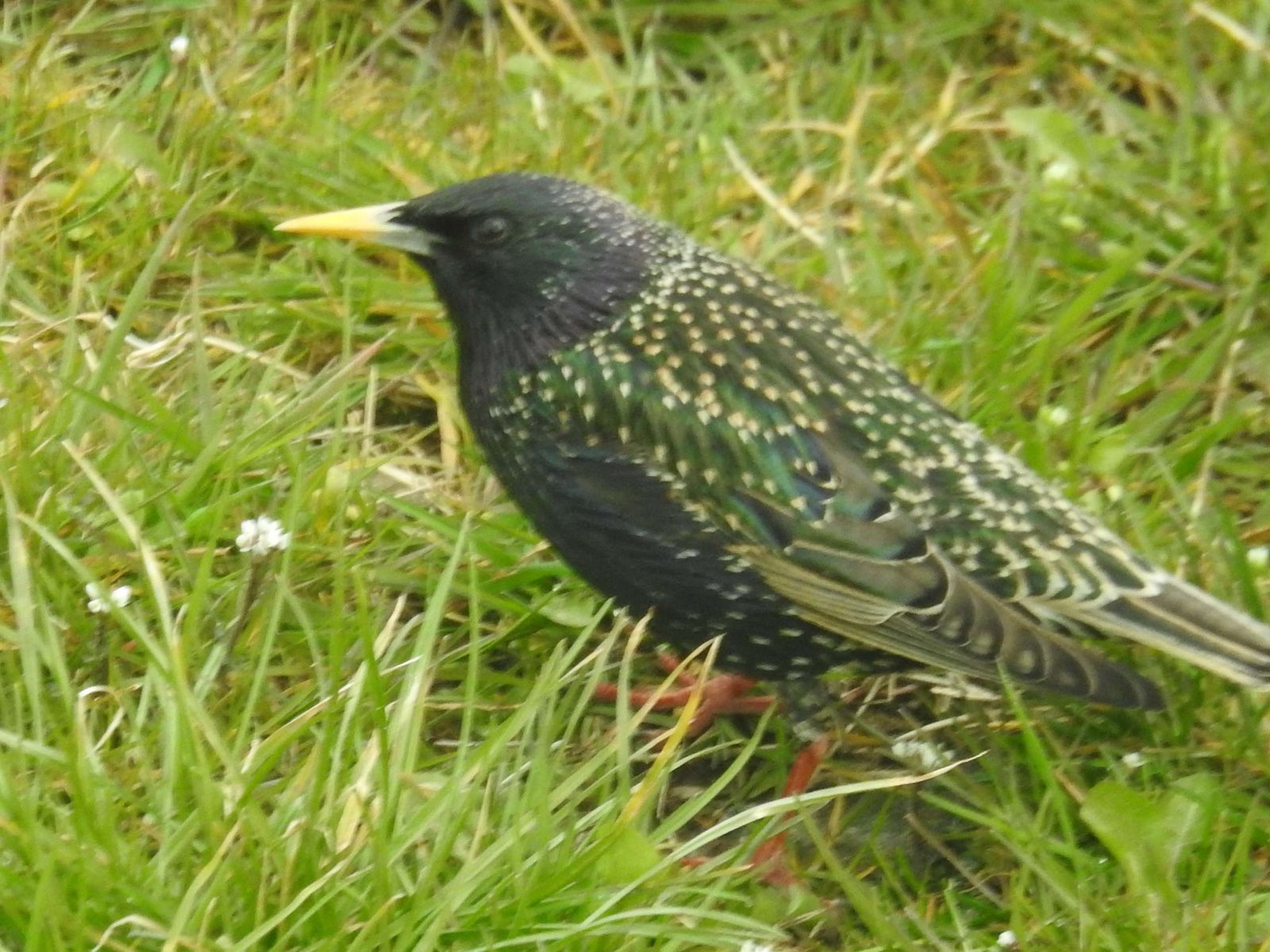
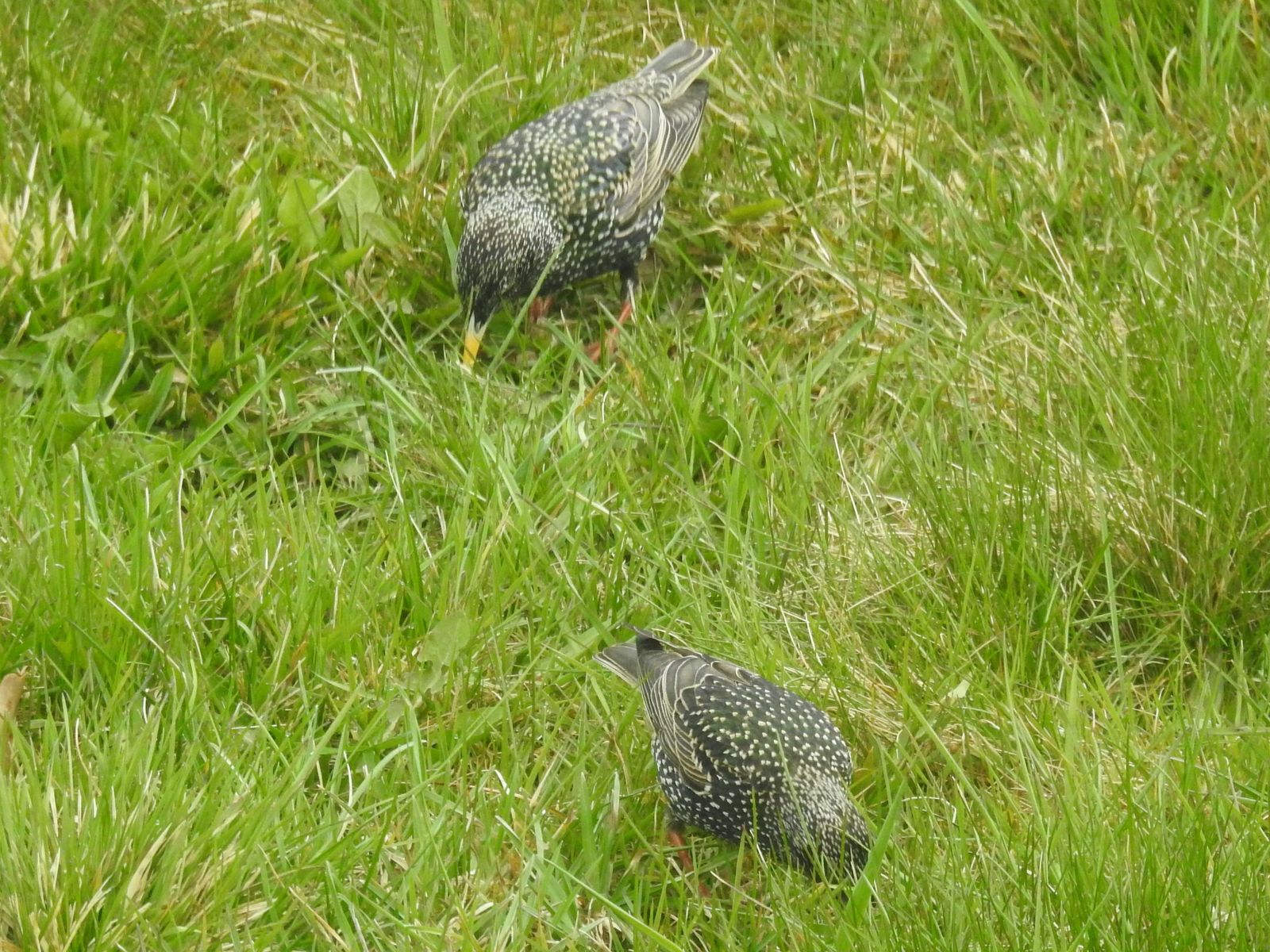
And today when I had my lunch break, several small birds came to inspect my handiwork and feast on earthworms and insects brought to the surface – the redstarts are back, a sure sign that spring has really begun. These birds never come to the feeder, they are strict insectivores and they really enjoy the vegetable patches after the rain or when the surface is disturbed.

© Charly, all rights reserved. Click for full size

© Charly, all rights reserved. Click for full size

© Charly, all rights reserved. Click for full size

© Charly, all rights reserved. Click for full size

I assume that these are all black redstarts Phoenicurus ochruros, because those I usually see around here. But there might be some common redstarts Phoenicurus phoenicurus among these four pictures this time or even all of them. These are all females and those are hard to distinguish, species-wise, for me. Today was one of the rare instances when I have also seen male common redstart, but he, unfortunately, whooshed before I got him into focus.

Oh My Potato!

There is a lot of talk about sustainability and growing your own food etcetera. So I wish to share this year’s results of our efforts in this regard, specifically potatoes.

In the spring we bought 20 kg of potatoes for about 40 € including shipping. We planted them to a patch approximately 40-50 square meters and now my father has great fun harvesting them.

Typical potatoes, ones that go into the cellar for storage look like this.

© Charly, all rights reserved. Click for full size.

Then there is also a lot of “beads” which are very small potatoes, and a lot of potatoes that are damaged by weeds, slugs, bugs etc. Those need to be consumed first. But this year it looks like we do get reasonable amount of big potatoes in good condition. And whilst the saying in Czech goes “Čím hloupější sedlák, tím větší brambory” (“The dafter the peasant, the bigger his potatoes”), I think that saying just reflects the enviousness in human nature. Because getting reasonably big potatoes, regularly, is not easy.

The main problem with potatoes is that they need light, humous soil, and the soil in our garden is more like heavy clay. In the vegetable patch, it is a lot better, because that soil is a result of careful cultivation over several decades of tilling the clay with compost, manure, wood ash, and fertilizer. Still, it is far from ideal and way too sticky. So this year I have tried to improve the soil further by adding a lot of organic material directly around the potatoes during planting, specifically crushed reed stalks from my sewage water treatment facility. It seems to have helped – a few plants were planted without the reed stalks and their potatoes were visibly smaller. Also, the soil with the crushed reed is easier to tilt and falls easier apart. So it seems I have a use for the reed stalks, which until now were a waste-product.

But even without those, each year when we grow potatoes, there are outliers like this ca. 500 g (>1 pound) specimen.

© Charly, all rights reserved. Click for full size.

Pieces like these bring great joy to my father, who currently really has fun with garden fork tilling the patch and getting the potatoes out. We have a small tractor, but my mother has urged me not to use it and leave my father to do the work manually – he needs the exercise and enjoys doing it. And although he impales some potatoes on the fork, the damage is smaller than the plow would do. For example, this 950 g specimen got impaled and needs to be eaten asap, but a plow would probably just cut it in half.

© Charly, all rights reserved. Click for full size.

Well, that one is really an outlier. It can feed the whole family for a day. It would be great if they were all like that, but that is alas unattainable.

Ok, enough bragging and back to the sustainability issue and soil care a bit.

We have planted circa 200 plants. We get at least 120 kg of potatoes from it, so on average 600 g from each plant. That means we could, theoretically, set aside 20 kg for next year and still have 100 kg to eat. So how does that help us re: self-sustainability? It is just about 600 g of potatoes per week per person in our household, so two-three servings. That is a lot, being a significant money saver. But it still does not bring us anywhere near to being self-reliant.

The first obstacle to that is of course the sheer amount of land needed for true self-reliance. I almost have the land, but the soil quality on most of it is very poor and it would take years of back-breaking work to bring it up to scratch with the vegetable patch.*

The second obstacle are nutrients. Potatoes have about the highest yield per area of all crops that I can grow here, but they also deplete the soil of nutrients really, really fast, and can destroy it. I do not need to go too far to see a real-life example of this – my neighbor does not make compost, does not take care of her vegetable patch the way we do, and she did grow potatoes always in the same spot for many years. The soil got sour, and the potatoes were getting so small it was not worth the effort anymore.

The third obstacle is pests and diseases. We solve this problem by twofold approach – we spray the potatoes against mold and beetles, and we only grow them every second year. It seems to work out well, but should we try to be self-reliant, it would double the needed land again. We alternate them with onions, pumpkins, and legumes, which also produce reasonable harvests, but nowhere near to be significant on the same amount of land. Alternating the crops also reduces the amount of pesticides we use, since onions and legumes do not need to be treated.

The fourth obstacle is the sheer amount of work needed. My father does most of it, with me only doing the most difficult parts like plowing, and it takes a lot of time and effort throughout the year. To feed all three of us that effort would be tenfold.

This makes me highly skeptical about growing your food on the windowsill or front porch. But even so, I think it is a great idea to plant some vegetables in pots on your windowsill or front porch if you can, just do not expect any wonders regarding the amount you will get.

What you can expect though, is great taste. Supermarket bought vegetables cannot hold a candle to anything you grow by yourself.


  • The poor soil quality around here is one of the main reasons why many fields were converted to pastures and meadows after the Iron Curtain has fallen.

All the Pretty Little Flowers 1: The frontyard

Pz has been raging and ranting about lawns and lawnmowers and I wholeheartedly agree. It also prompted me to do a bit of bragging about the sheer beauty of not having a lawn. Let’s start with the front yard, which was carefully weeded when we bought the house. Here’s another aspect of those lawn and front yard regulations: To keep them up to “standards” you need time to do it or money to hire somebody else to do it. I quickly reduced weeding to an absolute minimum. Nobody touches a dandelion in MY front yard. One thing that happened quickly was that wild strawberries overtook most of the ground. They do many things at once:

First, they protect the ground from drying out.

Second, they provide flowers for pollinators.

Third, they taste so good.

©Giliell, all rights reserved

In spring I built a plant tower in an empty space that had previously been occupied by some useless evergreen bush that got thankfully eaten by caterpillars. I also planted some regular strawberries there.

©Giliell, all rights reserved

Guarded by my little dragons

©Giliell, all rights reserved

M

If you want to make bees happy, plant lavender. It will also make you happy. Lavender is low maintenance, just cut off the dry stalks in autumn and ok with dry weather. I don’t know if it can survive Minnesota winters.

©Giliell, all rights reserved

©Giliell, all rights reserved

Probably no German frontyard is complete without a hydrangea. They are lovely, but high maintenance (needing much water, cutting, right ground) and absolutely no good for insects. Like most plants here they are a leftover from the previous owner. I figure that with so many bee friendly plants around I can afford a couple that only look nice.

©Giliell, all rights reserved

I have no idea about most of the plants that grow here. They were already well established when we moved in. Some of them have already bloomed long ago. I basically get flowers from March to October.

©Giliell, all rights reserved

©Giliell, all rights reserved

©Giliell, all rights reserved

Also one corner has been taken over by some wildflowers. I like them, the insects like them. We’re good.

©Giliell, all rights reserved

Oh, and btw, the next door neighbour has a lawn (I’m not criticising her, she’s 90 and still living all alone). It’s a sad brown area right now and the grass always creeps into my yard which means that I have to do the weeding there.

Gardenscaping: Where the Solution of one Problem Creates Three Equally Interesting Ones

Last time we saw the garden we had a new terrace and stairs, but were still far away from it being finished, which it still is. Since then I gave the old bench a new coat of paint and we got new garden furniture and somebody competent is working on a handrail. What we still need is a lamp. The easiest thing would be to screw one to the side of the house, but when has easy ever been an option? the plan is to put a lamp post in the upper corner of the slope, at the end of the terrace.

©Giliell, all rights reserved

In this pic that’s the upper right hand corner, basically where the wooden fence starts. This way it should give light to the small terrace, but also to the stairs. Also I want a small fountain there so we need electricity anyway. Therefore we spent most of Saturday doing what we’re good at: me telling Mr what he should do and him doing what I told him. Sounds pretty much like some sexist trope about the domineering wife and the poor hapless husband, but it links to the concept of the mental load: The fact that in heterosexual relationships the women are usually the ones who have to do the planning and coordination and sadly, our family is a poster child for this in most parts. Mr has gotten better over the years (often because I simply refused to to do it. If we agreed that it was his task then I would simply unburden myself. No more checking in, no more doing the thinking), but on the whole the mental load is still mine. It doesn’t help that he’s really not good at planning in several steps. He’s more of a Scrabble guy than a chess player and his plan was to start pouring a concrete base at the top where the lamp should go and worry about the slope later. Supposedly after the first heavy rain washed down the earth including the concrete base.

At my suggestion (haha) we started securing the upper part of the slope:


©Giliell, all rights reserved

What looks like just a couple of stones was the backbreaking work of several hours. The slope goes in two directions: into our garden and towards the neighbour’s garden. And we had to start somewhere in the middle, because that stone that looks like I had drunk the gin tonic before and not afterwards is turned over on purpose: It covers the drainage pipe from the terrace, making sure the water can exit freely. To prevent animals from getting in there we put in a tin with holes in the bottom. I’m curious at how this will work out, but it’s raining today so I’ll take a look later. This means that we had to start right there, that was our fixed point, and work our way up and to the sides and down as well. Every other stone has a steel bolt at least 30cm into the ground and a layer of concrete to secure it. And some drainage because I do want to plant something in those stones. The first row is always the hardest because it needs to be very level. Sure, the stones will always have their irregularities, they won’t all be the exact same height, but if you’re off there, you’ll be in a lot of trouble later. That means putting the stone (15kg) into position, checking, lifting it off, altering the ground, putting it back, checking… Yes, my arms are hurting, why do you ask? Especially since our ground is full of stones and pebbles that will just not give a millimetre, no matter how hard you push down.   And the worst part: because the whole terrain is helter skelter it looks like they’re all askew because all the other supposedly “straight lines” you’re looking at are, in fact, not straight, which is probably a metaphor or something for my life  but that’s off topic.

In the background you can see some boulders to further stabilize the slope. We still had these lying around, but we’ll need to get more of them to create a girdle on the lower edge to prevent the ground from being washed out. It will also create a nice habitat for lizards and insects, because with all the work we’re doing and all the alterations we’re making to suit our desires, that is always an important aspect. That’s the allotted “wildflowers” side of the slope anyway. I hope to get enough of the stones set in time to plant the pumpkins and courgettes. We’re not lazy, we’re environmentally friendly! We’ll spend a lot of time in the garden this year (I seriously cannot understand people who are planning their holidays this year. No, not even within Germany), so we better make it look inhabitable.

Bonsai for Beginners – Part 8 – Pests, Pets, Partners & Posterity

Previous post.

There is yet another thing that I feel needs addressing before I dive fully into describing individual taxa and how to care for them, and that thing being the beings that might share your household with you and your trees.

Let’s start with a sad anecdote about partners. I don’t have a partner, but my older brother is married. And when I started expanding my bonsai collection and some of my trees started to look really impressive, he wanted to try it too. I have him one really good indoor bonsai, Cupressus californica and one mediocre but with good potential Ficus benjamina. The trees prospered for a while and looked good, but my sister in law shuffled them around the house to places where they “look good” until she shuffled them on top of the cupboard above the kitchen counter. When I have seen this on my visit, I warned them that the trees won’t survive that, because they need a lot of sunlight in vegetation. It is possible to display trees in a hallway or some other place for a while to decorate your home, but ultimately they are living beings and their needs must be met. My sister in law made appreciative noises and pretended to care, but she only shuffled the trees into places where they were even worse off. Until they died, as I predicted.

I have begun to suspect ill intent, but I could not prove anything and I could not say anything even if I had proof. My brother was determined to have bonsai trees, he bought some, he even successfully poached some from the forest against my advice, and I bought him a healthy Pinus pentaphylla, the most iconic Japanese bonsai species, and I chose a tree with really great potential. The trees seemed to prosper for a while, and then they suddenly all died and my brother lost all enthusiasm at all that labor wasted.

For a long time – until last year, in fact – I thought he has just been unlucky. Trees die, it happens to me all the time. But recently I learned that he was a victim of a concentrated effort of his wife’s family. His father in law got bitter after he split with his mother in law, he got drunk and he babbled out what really happened to someone and it came in a roundabout way to me. They deliberately sabotaged all my brothers’ hobbies and I was deemed as persona-non-grata in the household. Their family deemed all hobbies as a waste of time, only activities that make money or are work around the house were allowed. And I came in there with my perfidious influences on my brother and their grandchildren like reading books and growing useless trees in a pot and reminding my brother of his own hobbies like making models and playing chess.

The high-end trees that I gave my brother were indeed deliberately shuffled off into places where they withered and died, under the pretense of appreciation. And when they could not do that with the outdoor trees because my brother put his foot down and claimed a piece of garden for his hobby and told them to back off, they have secretly put dish detergent into the barrel he used to collect rainwater for his trees. To my knowledge, my brother still does not know this and I won’t tell him. He is happily married. But I can’t stand his wife and his mother in law.

So before you start growing bonsai trees, make sure that people who share your household are OK with it. Do not just assume they are.

I also do not have children. And I do not currently have any pets, but I used to. For both children and pets apply the same rules as for any garden- or potted plants. Make sure that anything poisonous is out of their reach so they cannot nibble at it. Or better yet, make sure they cannot nibble at any plants at all. If you are cat-owned, you will have to make extra sure your owner does not knock any pots off the shelves to teach you a lesson.

Some plants are more poisonous to birds than they are to mammals, so if you have parrots and let them out of their cages, you too need to be extra careful. For outdoor bonsai, this does not seem to be a problem. Local birds never nibble on local flora if said flora is inedible or poisonous, and I never had them nibble on small trees when big ones are nearby either. And I have never seen local birds try eating indoor plants when I put them outside. Indeed having a bird feeder near bonsai trees has even helped a bit with pests because the birds do like to sit in the trees and they pick off any wintering eggs and pupae they find while there – especially tits are helpful in this regard.

The almost inevitable companion in your household once you start to grow any kind of plant are pest insects.

Worst of these are scale insects. They tend to attack mostly evergreen plants with hard leathery leaves, like Laurus, Ficus, Citrus, and Myrtus and once these fuckers get a foothold, it is really difficult to get rid of them. I have managed to finally destroy them by a combination of mechanical removal with concentrated water spray from a small nozzle- that allows for mechanical removal from even the least accessible nooks and crannies -but the spray must not be so strong so it would poke holes in the leaves. What also helps is to wash leaves and stalks with a cloth soaked in rubbing alcohol or cheap vodka, to destroy the eggs. Sometimes even more drastic measures are necessary, like severe pruning of the tree and trimming of all leaves. Insecticides are usually useless, they do not penetrate the hard shells very well.

Wooly aphids are similarly persistent and obnoxious and similarly difficult to get rid of. Here I did not in fact succeed and I am battling with them for years now on one pine. The problem with these is they tend to attack conifers like Pinus, Picea, and Larix and they nest themselves into the nooks and crannies around the needles, twigs and in the bark recesses, where they cannot be reached at all. Some even attack roots and those are usually a death sentence. I used to keep them at bay with a timely spray of daisy extract with a drop of detergent, but daisies disappeared around here for whatever reason and since then I am only left with washing them off mechanically either with water spray or with a toothbrush. I might need to try a commercial insecticide.

Aphids can also be a problem. Birds and spiders do help with their management however, and they are much more susceptible to insecticides and even ordinary mechanical removal than the previous two. They tend to attack mostly soft, freshly growing stalks and leaves of Hibiscus, Tilia, Acer, and others with similar growth patterns (probably my new persimmon would be susceptible too by the looks of it).

Since these pests prefer different plants, mixing the species on your windowsill/bench etc. does help to prevent their spread. Yes indeed, social distancing works for trees too.

Ants are not a pest in and of themselves, but they can spread all three above mentioned pests around your collection outdoors if they are present, because all three produce honeydew and ants love them.

Spiders in a bonsai tree are desired and should not be disturbed if possible. I am sure there are some people who would like to know this.

Fungal (and bacterial) diseases come in many varieties and are mostly species-specific. You must make your own research should you encounter one. Some species are more prone to them than others. The best help is prevention and fungicidal spray. If a tree catches a fungal disease that attacks wood it is usually the end of it. You might try cutting away the whole infected branch and burning it – you might catch it in time and save the tree, but most likely it will get damage that takes years to heal, even if it survives. Fungal diseases that attack leaves /needles are less threatening and can be mitigated by the removal of old fallen leaves/needles in the fall, but not always. Even these mild fungal diseases are detrimental to the tree so they should be avoided.

On the other hand, mycorrhizal fungi are desired. Even a bonsai tree starts to prosper and grow better if it manages to get mycorrhizal fungus on its roots, the effect this has on for example oaks is remarkable- I have observed nearly double growth rate in trees with fungus against those without it, but I did not conduct a proper scientific experiment, so you only have my word for it.

Lichens on roots, branches, and bark are also desired, they add the illusion of old age. They are also an indicator of health and proper care because they grow very slowly and are finicky.

Therefore any application of fungicidal sprays on bonsai trees must be done with care and deliberation and in a targeted manner and not in a “spray and pray” fashion.

One pest that I have not seen mentioned in any of my bonsaist literature are water voles. They do not get to the trees on benches, but if you take them off the benches for wintering during a tough winter, they can get in and wreak total havoc. In 2011 I have lost this way several prime trees and many others were damaged to such an extent they still did not recover. Voles also destroy a significant portion of any trees that I plant in my garden, I was unable to replace my cherry tree due to them and I have to plant new trees in my coppice two-three times before they survive long enough to be vole-proof. Having a cat helps, although they do not like to eat voles too much. But they do kill them and scare them off. The problem in my garden was also less severe when we had a dog, And it was nearly non-existent when an owl was nesting in a nearby spruce tree. However the 2011 disaster has happened when we had two outdoor cats and a dog, but the voles were safe under half a meter of snow. Voles are a mortal enemy to me. Forget capture and release traps. You can either be on the side of the trees or on the side of the rodents, not both. So killing traps, regularly checked and put safely with proper bait in order to not catch shrews or birds by accident, it is.

And lastly – it should go without saying that if your tree is visibly infected or infested, you should not display it. Especially not in an exhibition where it could infect other trees. Visible infection or infestation is an instant disqualifying criterion in competitions, and rightly so. As a beginner, look for any of these when buying a tree and do not take any that is visibly ill. You do not want to carry these unwanted guests into your household.