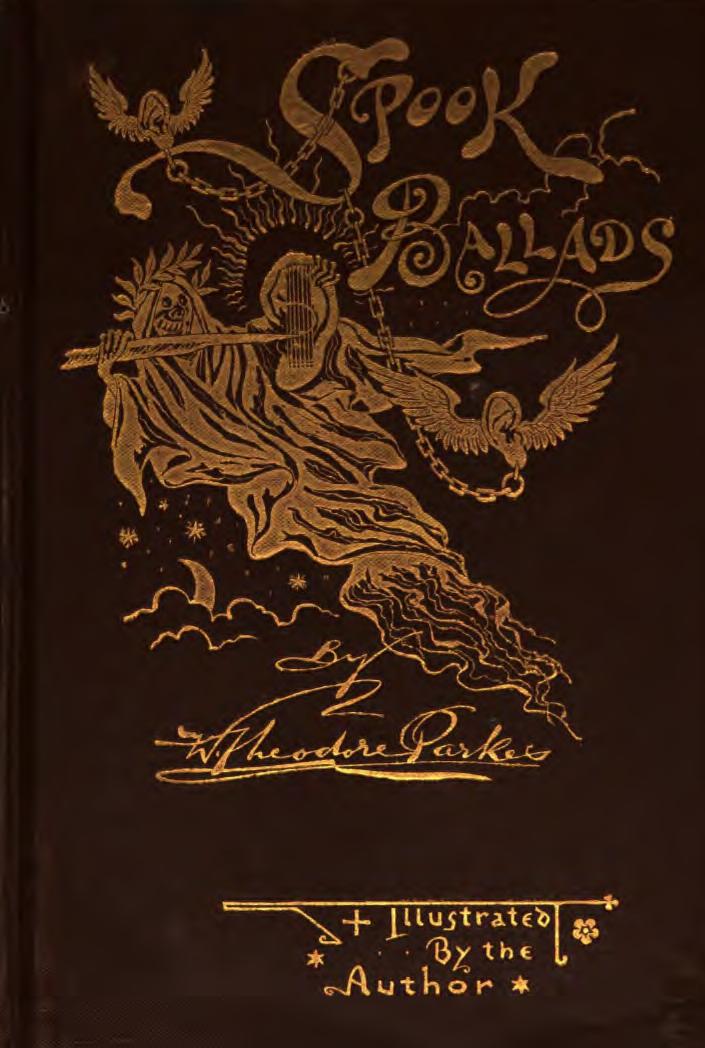
William Theodore Parkes. Spook Ballads. Illustrated by the author. London: Simpkin, Marshall, Hamilton, Kent & Co., Limited, 1895.
A rather odd collection of ghost stories and poems.
via: The Internet Archive

William Theodore Parkes. Spook Ballads. Illustrated by the author. London: Simpkin, Marshall, Hamilton, Kent & Co., Limited, 1895.
A rather odd collection of ghost stories and poems.
via: The Internet Archive
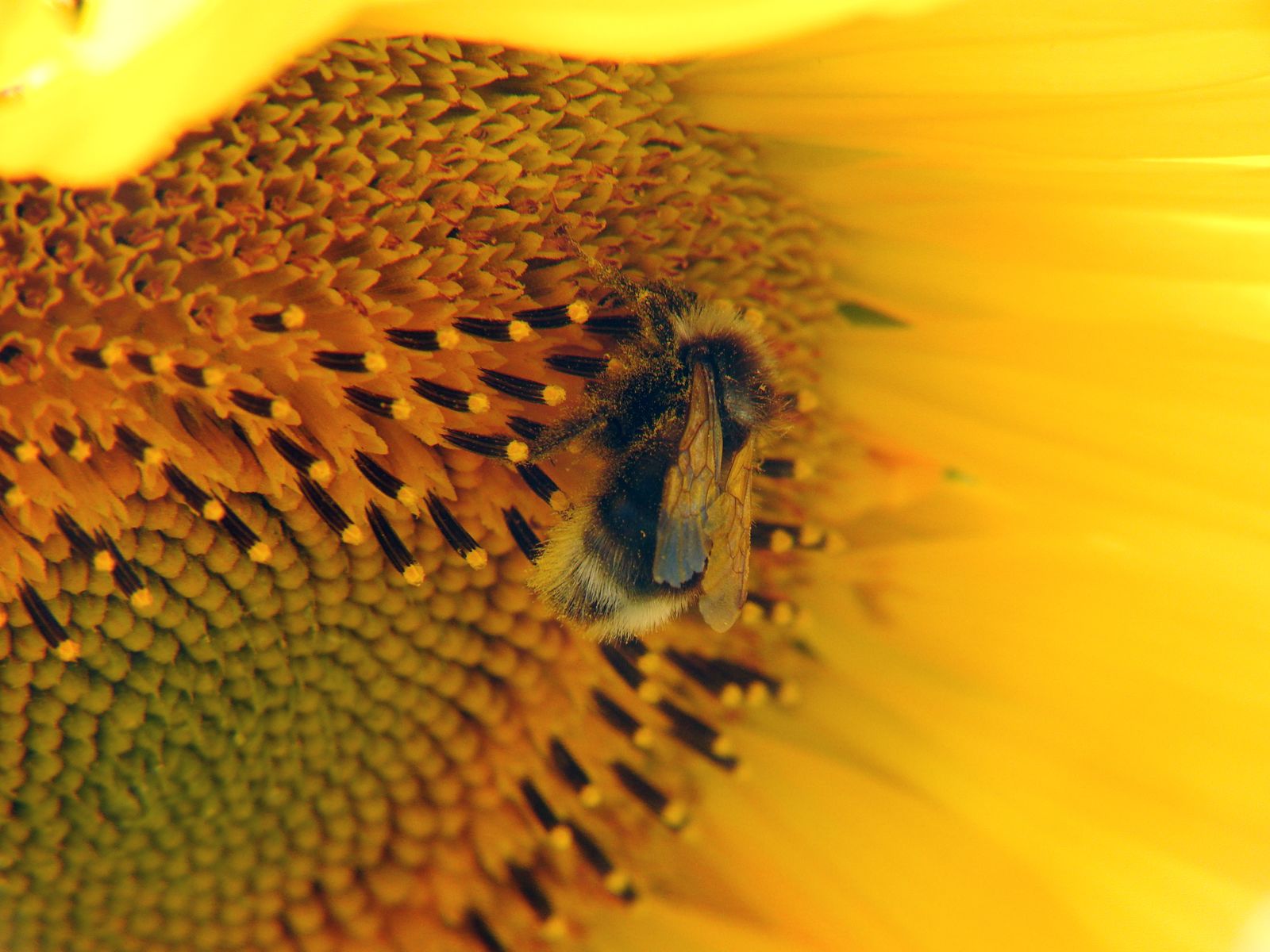
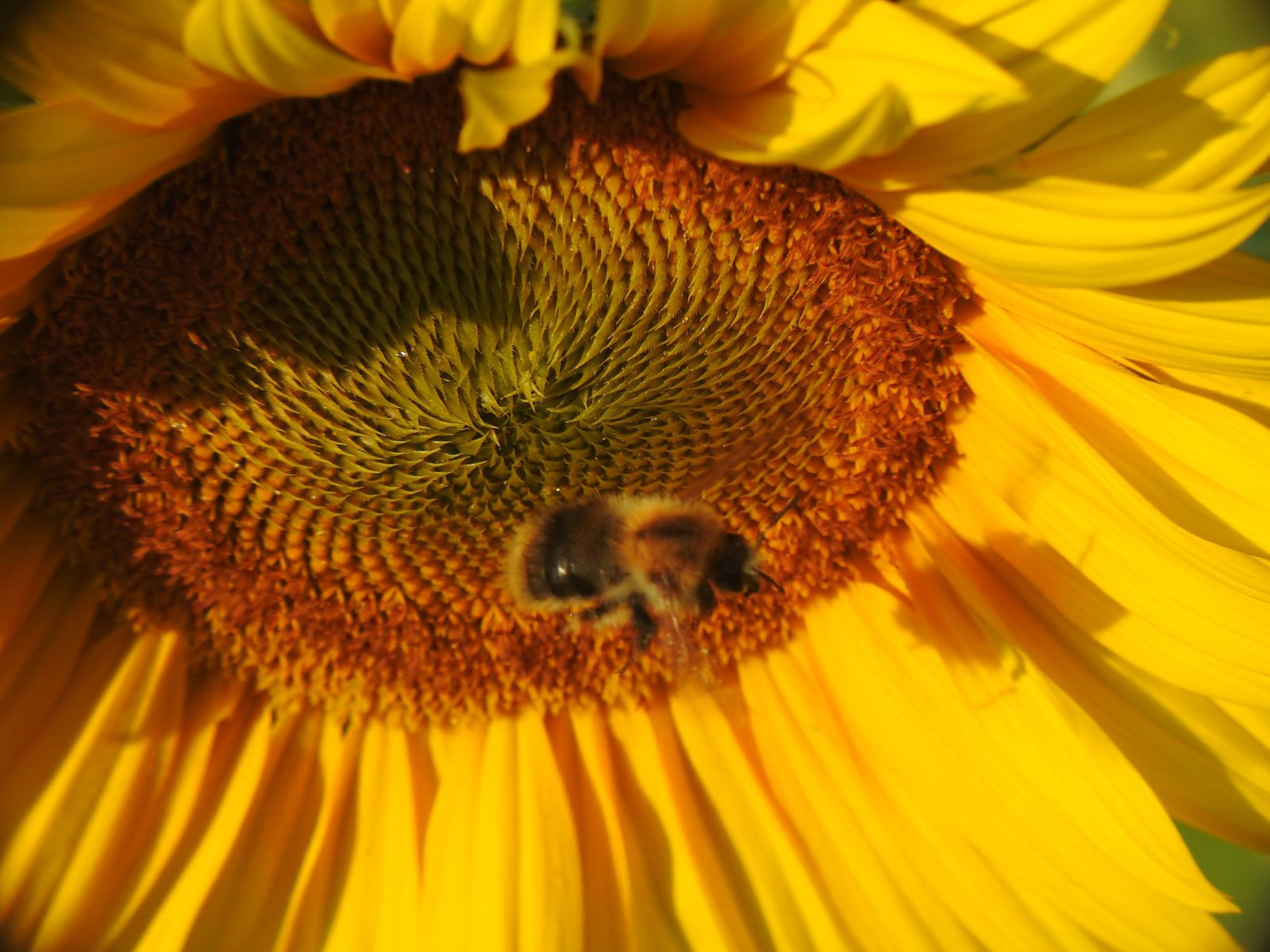
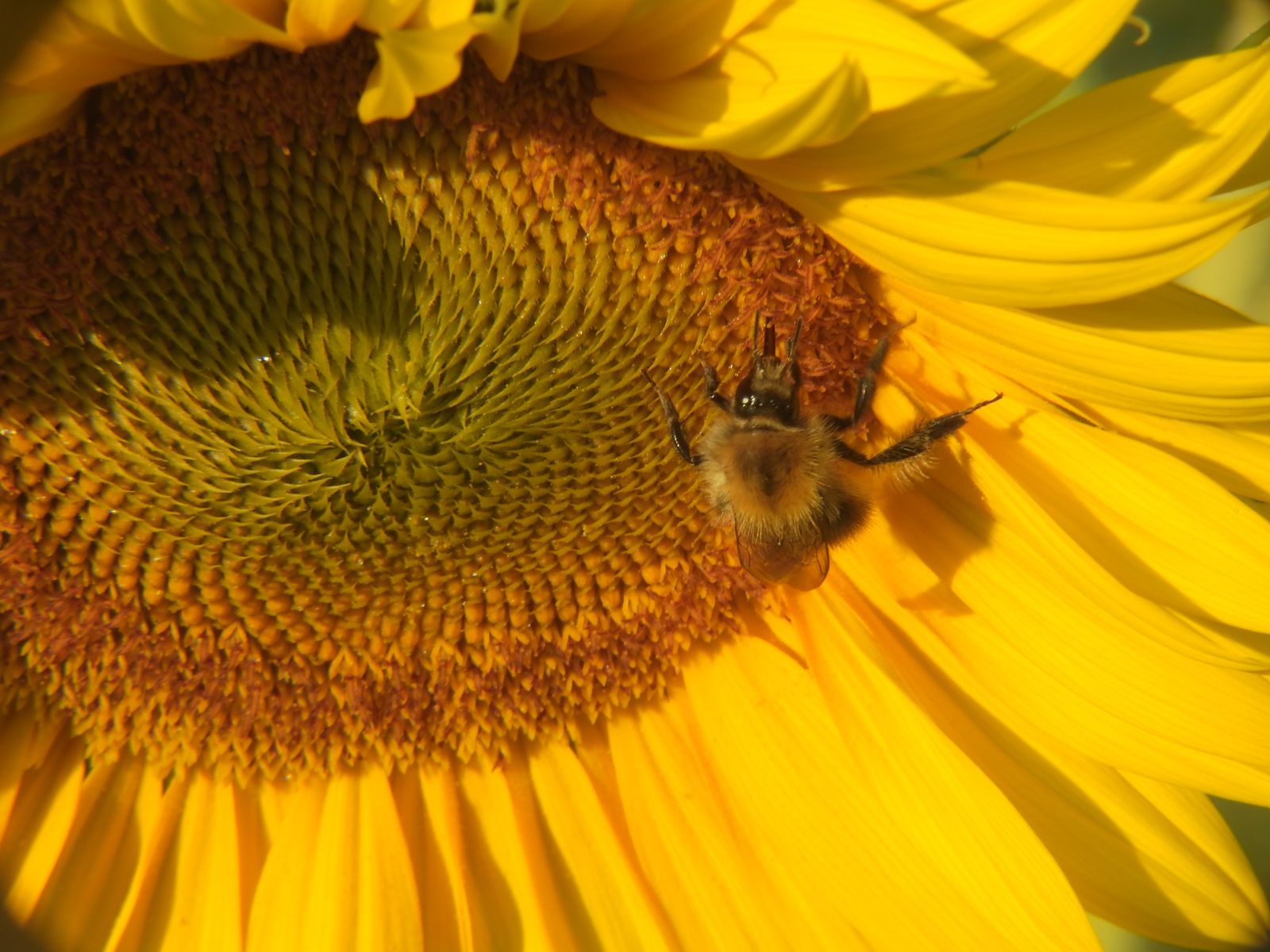
Sometimes a bumblebee lands, drinks a bit, and then flies off again like a little helicopter. Not these two though. They both took their time, going around the flower systematically in a circle, drinking as much as they can. And just when I was taking the pictures, one of them decided to take off.
© Charly, all rights reserved. Click for full size.
© Charly, all rights reserved. Click for full size.
© Charly, all rights reserved. Click for full size.
Nuff said.

© Charly, all rights reserved. Click for full size.

William J. Long. Beasts of the Field. Illustrated by Charles Copeland. Boston and London, Ginn and company, 1901.
The book is filled with true stories of animal encounters in the wild and the accompanying illustrations are charming. Every page has at least one small drawing on it and there are several detailed full-page illustrations. You can see it all at the link below.
Via: The Internet Archive

Glasgow, Ellen Anderson Gholson. Phases of an Inferior Planet. New York and London, Harper & Brothers, 1898.
via: The Internet Archive

Paul Lawrence Dunbar. Candle Lightin’ time. New York, Dodd Mead & Co., 1901.
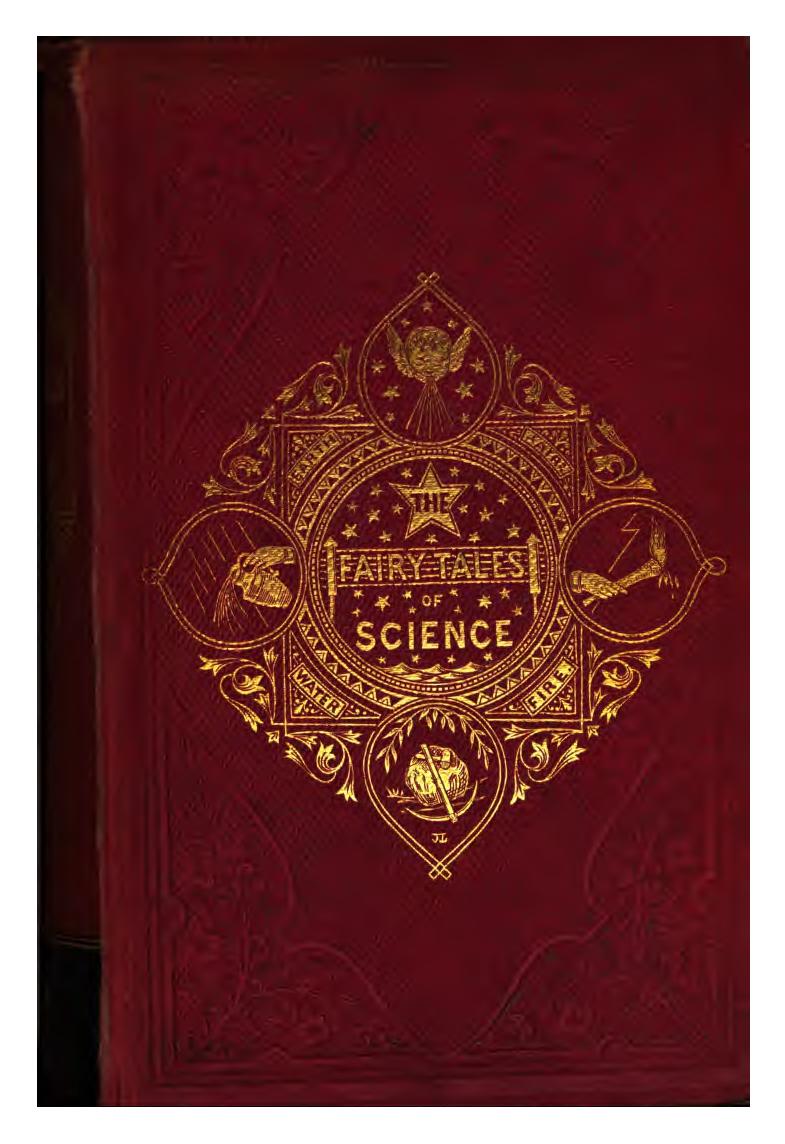
John Cargill Brough. The Fairy Tales of Science. London, Griffith and Farran, 1859.
A book using fairy stories to introduce children to the branches of science.
via: The Internet Archive
Nightjar is here to share her beautiful, monthly photos of the light in her world.

©Nightjar,all rights reserved
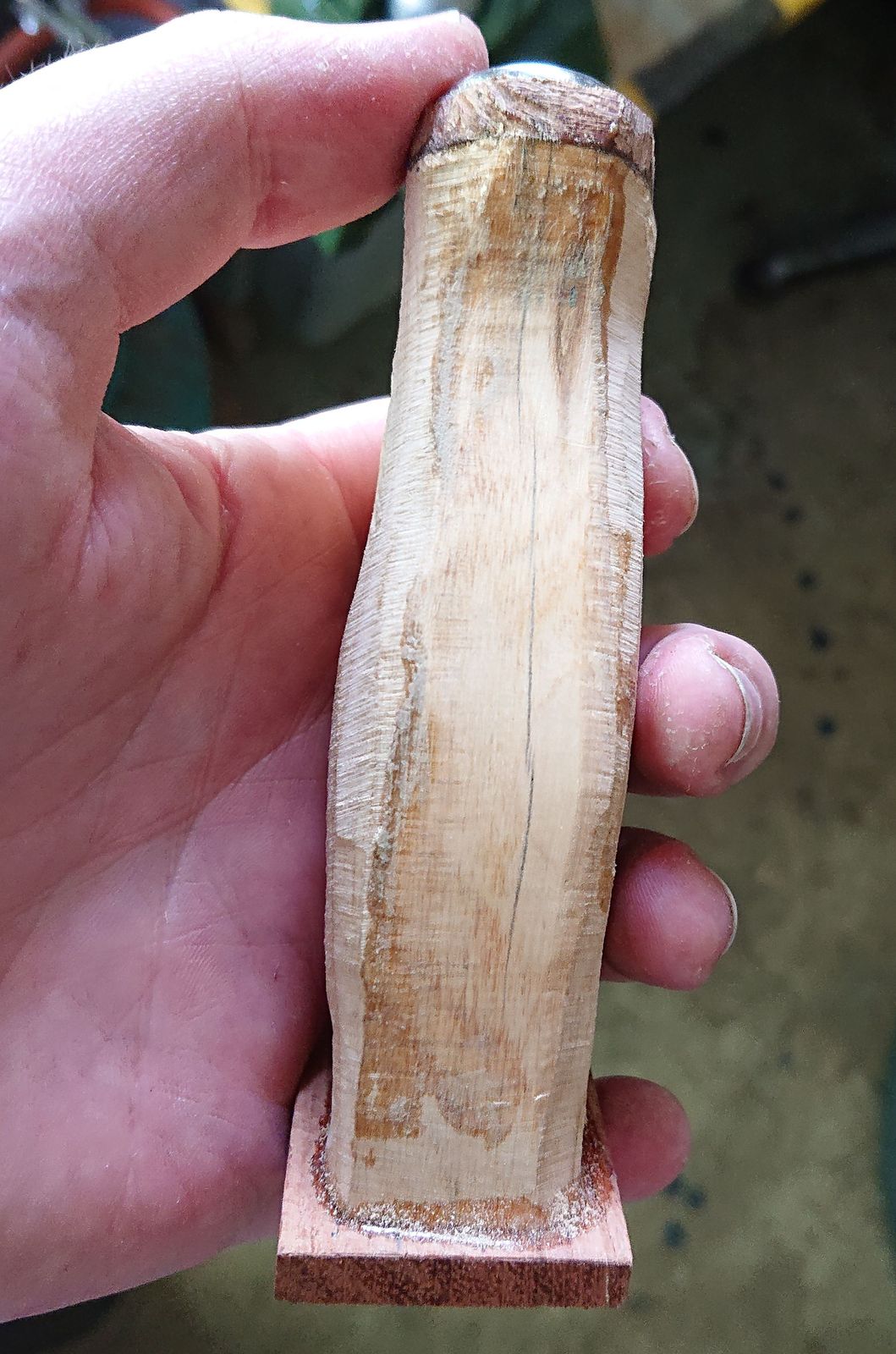
I thought I will finish shaping the handle today. Instead, I have to start all over again – the piece of cherrywood that I used had some deep cracks (they were not on the outside) that got too wide and too visible in addition to two unseemly knots. The knots themselves could be seen as a part of the wood, but the cracks kill it definitively.
I have just spent some 2 hours shaping a piece of firewood.
The fungi in this photo from Opus look like they’re having fun.

Orange moss ©Opus, all rights reserved
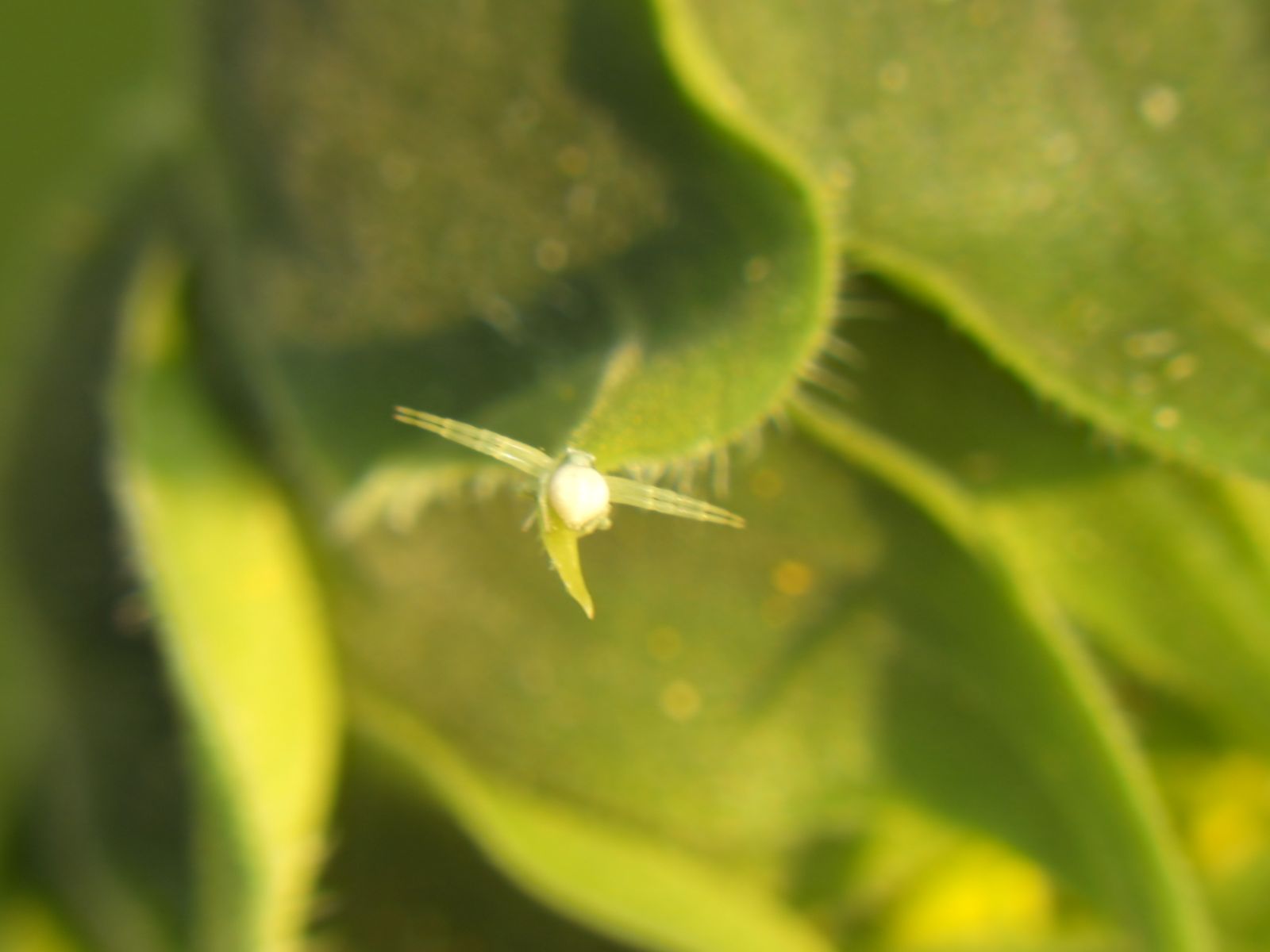
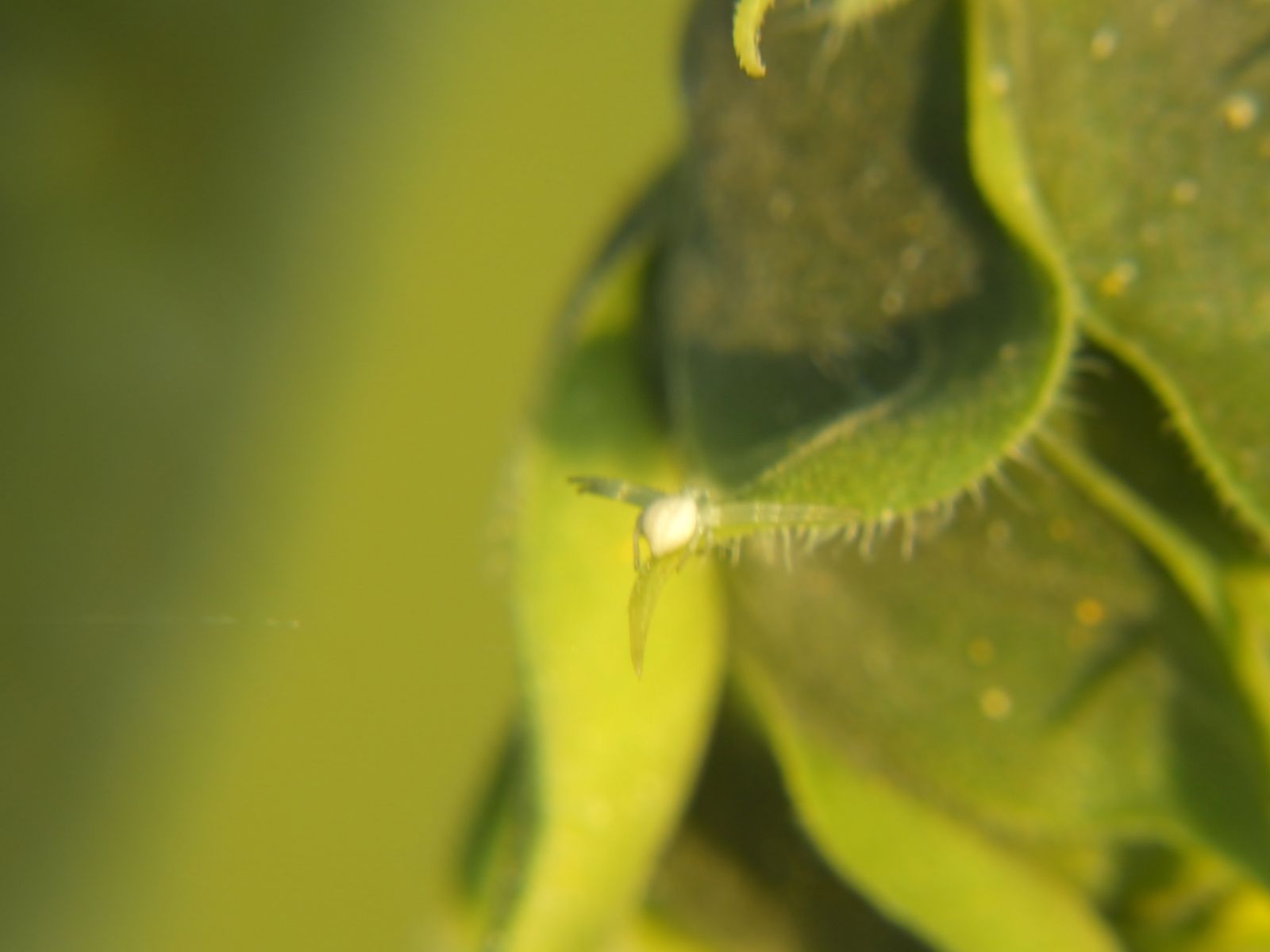
Last year I have shown you bright yellow crab spider who was munching on bees. This year I did not see a grown-up one, only this one little baby. Still white, slightly translucent and tiny, about the size of a pinhead. Sorry for a bit blurry pictures, but the little bugger did not stop, it kept wandering about and performing strange gymnastics. And I have forgotten to take my monopod with me, so this is shot completely freehand.

© Charly, all rights reserved. Click for full size.

© Charly, all rights reserved. Click for full size.
© Charly, all rights reserved. Click for full size.

© Charly, all rights reserved. Click for full size.

© Charly, all rights reserved. Click for full size.
© Charly, all rights reserved. Click for full size.
What I find the most interesting about his video is the realization that our modern perceptions of what is and is not beautiful are heavily skewed towards unreasonable and sometimes unachievable perfection. Sometimes perfection that you can only evaluate up so close, that you need a magnifying glass and calipers.
I blame the industrial revolution and mass-produced machined goods.
