From Avalus,
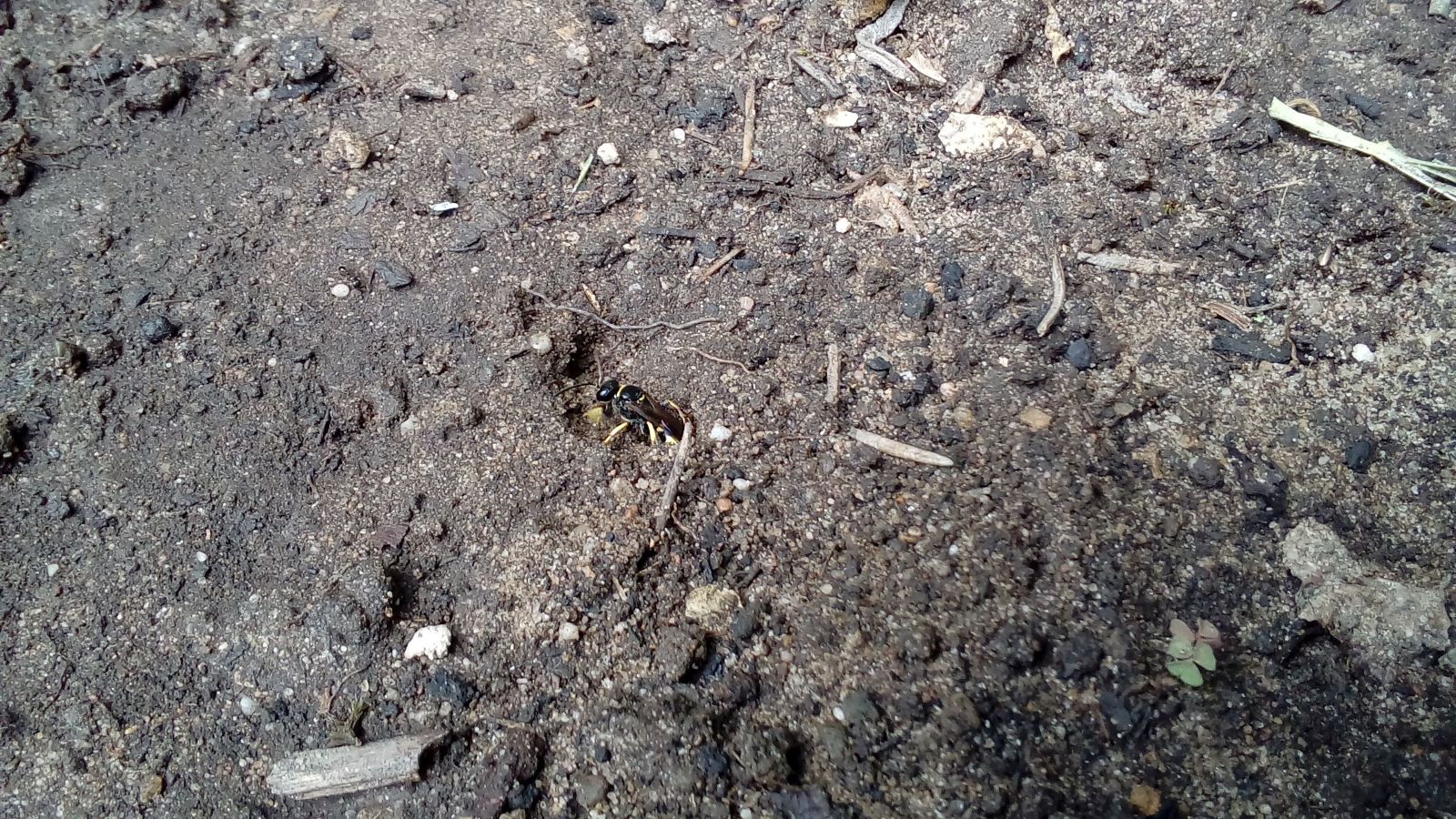
Erdwespe: An earth wasp digging a tunnel into the sandy soil.
erdwespe, © Avalus, all rights reserved

From Avalus,
Erdwespe: An earth wasp digging a tunnel into the sandy soil.
erdwespe, © Avalus, all rights reserved

Charles Hitchcock Sherrill. Stained Glass Tours in France. New York, John Lane Co. London, John Lane The Bodley Head, 1908.
Last week we looked at Stained Glass Tours in England by Charles Hitchcock Sherrill, from the collection of Anne, Cranky Cat Lady. It seems the author took his theme on the road and made it all the way to France.
Cover photo via: New York Society Library
The Book is available to read at The Internet Archive
From Nightjar,

G is for Green, ©Nightjar, all rights reserved
Green.
Brought to you by a green shield bug on a green potato leaf.

Invisible Links. Selma Lagerlof. Translated from the Swedish by Pauline Bancroft Flach. Boston: Little Brown, and Company, 1899. First edition in English.
It has the look of a book about nature, but nope, it’s a book of short stories told in archaic, melodramatic prose.
Cover photo via: Books and Art
Available to read at The Internet Archive
From Nightjar,
F is for Fuchsia, ©Nightjar, all rights reserved
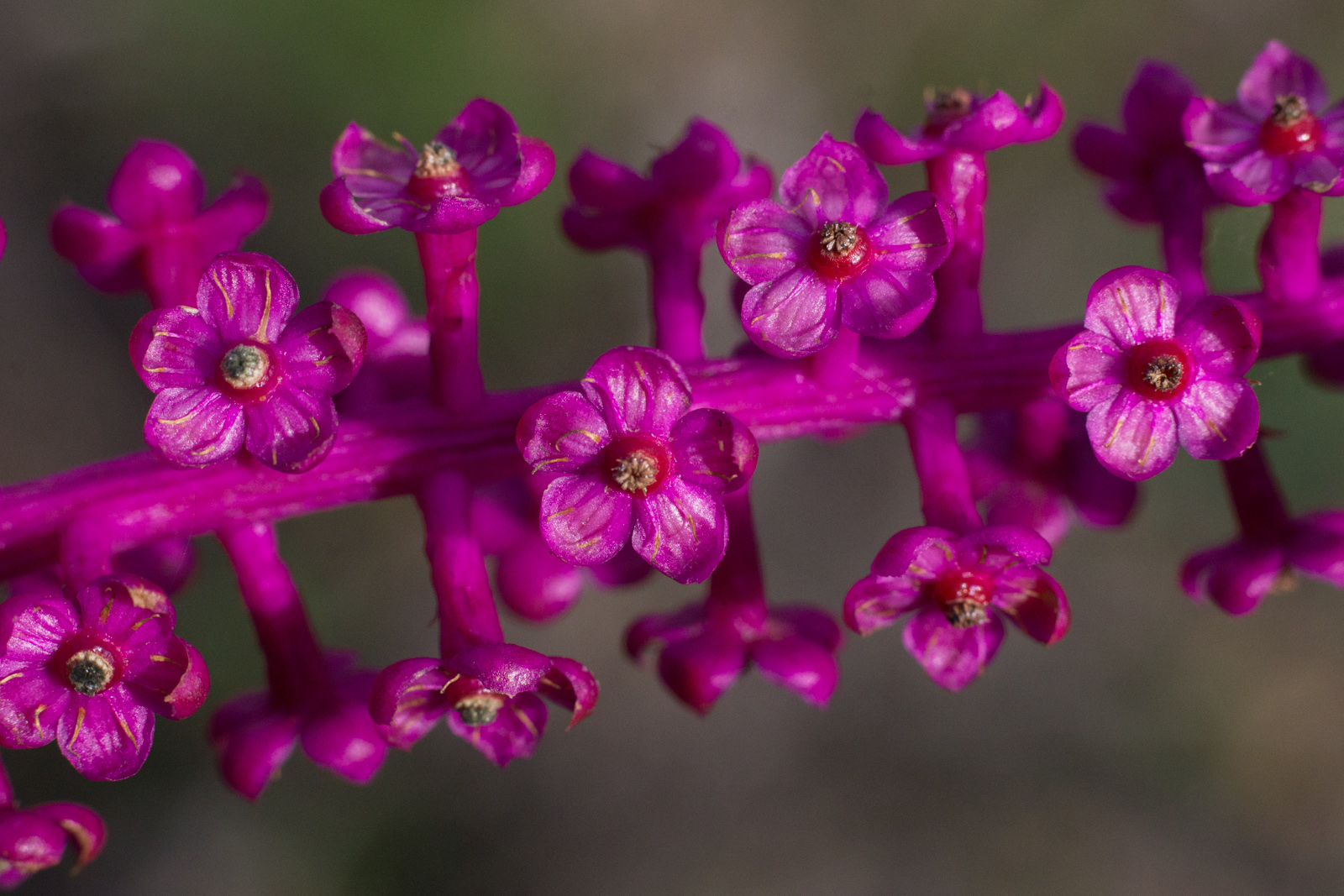
Fuchsia.
A vivid purplish red color associated with the flowers of fuchsia plants. Instead of an obvious fuchsia flower, I give you the empty flower stem of a pokeweed. The local birds were kind enough to remove all the berries to expose a vivid fuchsia.

Abbie Farwell Brown. The Book of Saints and Friendly Beasts. Illustrated by Fanny Cory. Boston, Houghton Mifflin, 1900.
A children’s book full of stories about Christian saints and their friendships with animals. The stories are very loosely based on legends, but the author has spun them into fantastic folk tales of adventure. Abbie Farwell Brown was a prolific writer and published many children’s books, including a book about the Norse Gods. I rather like the idea of making fictional stories of the saints. I think it strips them of power and makes them easier to dismiss as merely characters in a children’s book, like Cinderella or Red Riding hood.
Unlike the graphic artwork in most books about Christian saints, the illustrations in this book are charming and sweet and very typical of their time at the height of the Art Nouveu period. My favourite drawing is St. Bridget & the King’s Wolf, followed closely by the energetic Saint Keneth and the Gulls.
From Nightjar,

E is for Emerald, ©Nightjar, all rights reserved
Emerald.
A light and bright shade of green with a slight bluish tint, reminiscent of the gemstone. A succulent plant from my garden was vibrant and vivid enough to remind me of it. Those petals are like little gems.
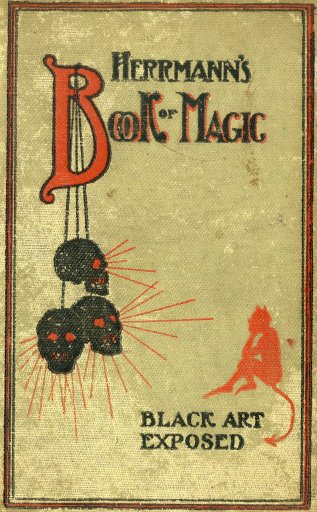
Professor Alexander Herrmann. Herrmann’s Book of Magic. Chicago, Frederick J Drake & Company, 1903.
Via: Fourmilab, where you can read the book and maybe learn a trick or two.
From Nightjar,

D is for Desert, ©Nightjar, all rights reserved
Desert.
A deep tone of beige that resembles the color of the flat areas of the desert. Lacking a nearby desert I went to the beach and found a desert-colored seashell.

Mabel Osgood Wright. Birdcraft. New York, London: The MacMillen Company, 1897.
Today a little video about the maintenance of sharp tools. Unfortunately I am not giving my tools the attention they would deserve, because I am not using them enough, but that should hopefully change soon. I have also bought a thick leather strip to make myself a good strop last year, but then I misplaced it and I found it again only last week.
In a pinch, I have also used following things for stropping a knife blade:
Folded newspaper, paper, cardboard, towel, dog’s collar, wooden board, and even the trouser leg of my worn jeans (whilst wearing them).
And when I had not commercial compound available, for stronger abrasion I have used:
A toothpaste, a bit of fine clay/mud, and fine wood ash (grass ash would probably work even better, it contains silica, but I did not try that one yet).
But the best results are in my opinion obtained with a strip of thick leather and jeweler’s rouge (the real stuff – finely ground haematite made from annealed rust). It is definitively worth stropping kitchen knives, especially if you have knives with an apple-seed edge.
From Nightjar…

C is for Crimson ©Nightjar, all rights reserved
Crimson.
A strong red with a slight bluish tint. Historically, it’s the color of the kermes dye, a red dye derived from the dried bodies of insects belonging to the genus Kermes. Kermesic acid is the pigment that gives the dye its color. I found a similar hue on a sunburnt rose.

Dainty Bits. Water Lily Series. Edited by Miss L. Penney. New York, The National Temperance Society and Publication House, 1891.
A children’s book full of stories and rhymes about the evils of alcohol. Some of the chapter titles include “Old Pussy’s Advice” and “Thoughtless Dick.”
Source – University of Florida, George Smithers Libraries, where you can read the entire book