… Posters. This one was done by Maxfield Parrish, who I’ll probably feature again.

Maxfield Parrish. Poster for Century Magazine, August 1897.
From the Book, Posters by Charles Price, via The Internet Archive

… Posters. This one was done by Maxfield Parrish, who I’ll probably feature again.
Maxfield Parrish. Poster for Century Magazine, August 1897.
From the Book, Posters by Charles Price, via The Internet Archive
…Monet.
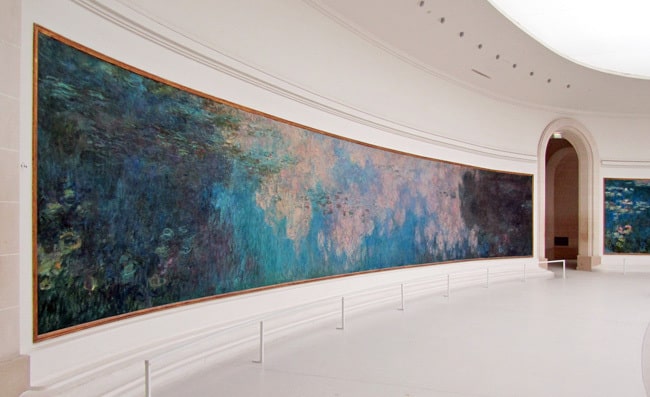
Water Lilies by Claude Monet. Photo courtesy of Discover Walks Blog/Matthieu
I’m supposed to be in Paris. Today. I should be there right now. It’s been the plan for 5 years to go to Paris in September of 2020. It’s the year a friend retires (she has) and the year I turn 60 (I will soon), and we were going to celebrate both milestones in Paris. We’ve read every guide book twice or thrice and have well-organized lists of what we want to see, do, and eat. We’ve talked endlessly about the trip, and the promise of it has helped us both through some difficult days. Covid doesn’t care about any of that, though, and so we had to cancel our plans.
This Water Lilies mural by Monet is one of 8 panels that grace 2 rooms at the Musee de L’Orangerie and I was very much looking forward to seeing it in person. Instead, I took a virtual tour today which only increased my desire to actually go there. The tour is nice though, and if you’re interested you can take it yourself. The link for the musuem will take you directly to it. The link for the photo has a nice walking tour if you’re looking for a bit more of Paris.
from Avalus,
more photos from my way to and from work, this time it is all about hares. They languish in the fields in the morning and the evening. They are also clearly uncomfortable about people stopping to take pictures from 20 m away. With their brown fur, they are pretty hard to spot if they don’t move.
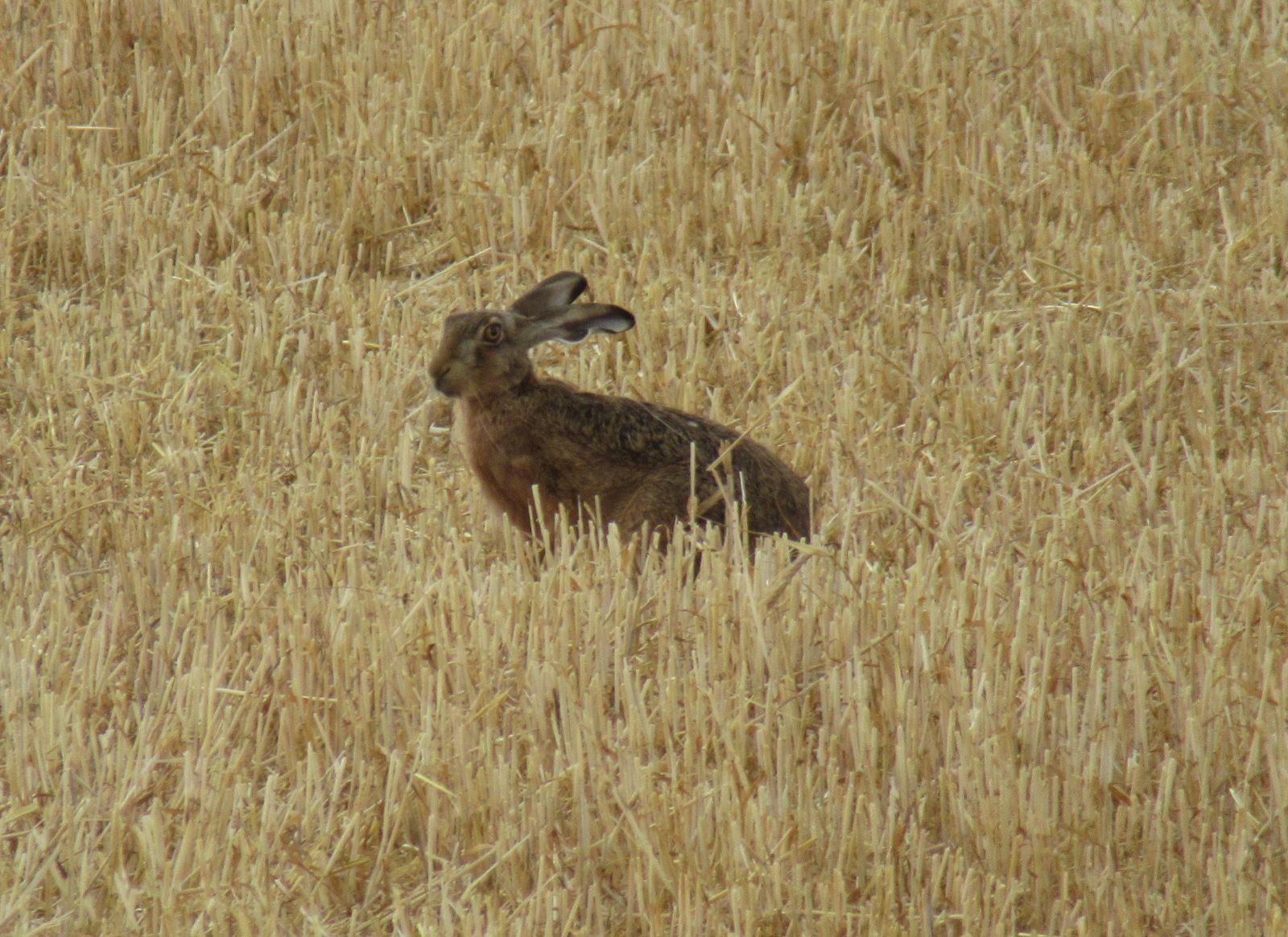
Hare 1 ©Avalus, all rights reserved
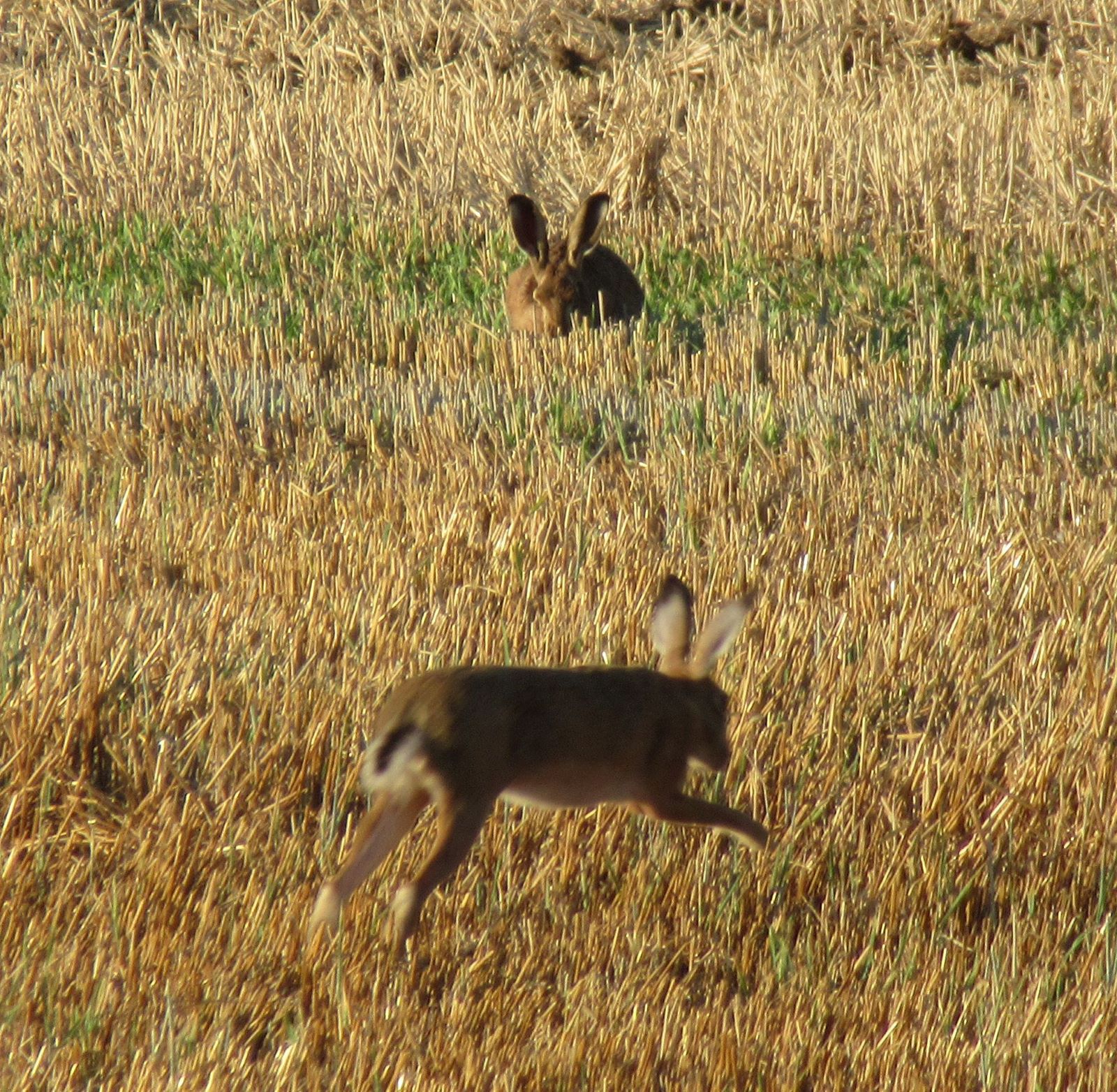
Hare 2 ©Avalus, all rights reserved
And for comparisons sake a rabbit. Note the much smaller ears.
Fun fact: In German the ears of hares and rabbits are called “Löffel” which means spoons.

Rabbit ©Avalus, all rights reserved
The Art of Book Design is changing. I’ve become bored with just books, and there are lots of other things I’d like to explore and share with you. So, I’ve decided to turn the basic concept into a daily surprise. The title is being shortened to simply The Art of …, and I’ll post a daily something art-related. If you want to know what that something is, then you’ll have to tune us in. There will still be books, but also posters, fine art, folk art, sculpture, architecture, museums, and anything else that piques my interest. I’m starting the series with an Indigenous artist whose work I enjoy.
So today it’s The Art of… Tony Abeyta
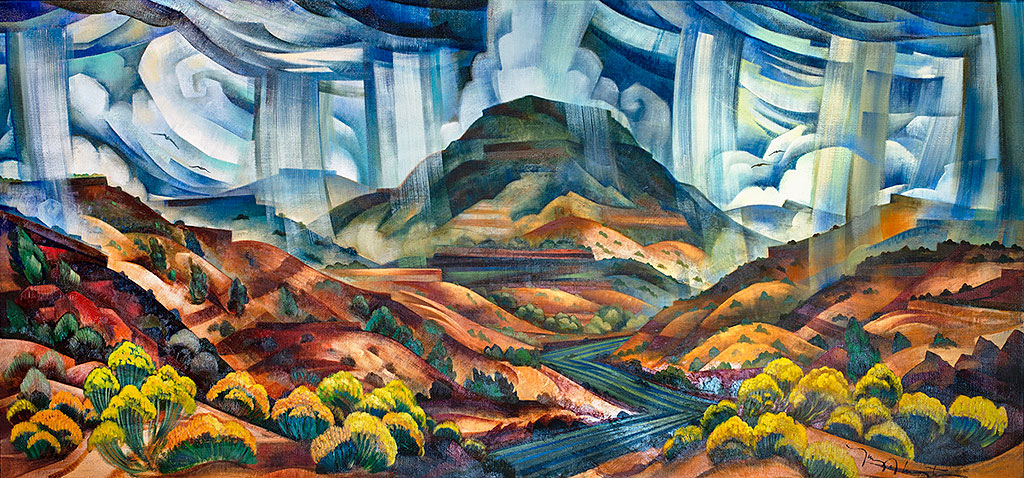
Stormy River Bend by Tony Abeyta. Image courtesy of tonyabeyta.com

Elisha J. Lewis M.D. The American Sportsman. Philadelphia, London, J. B. Lippincott Co., 1906.
via: The Internet Archive
Oh My! This photo was sent in by Anne, Cranky Cat Lady. It’s an Aglais io, a European Peacock Butterfly (known simply as the peacock butterfly), and the picture was taken by her daughter Emily Davis near Edinburgh, Scotland, on Aug. 29/20.
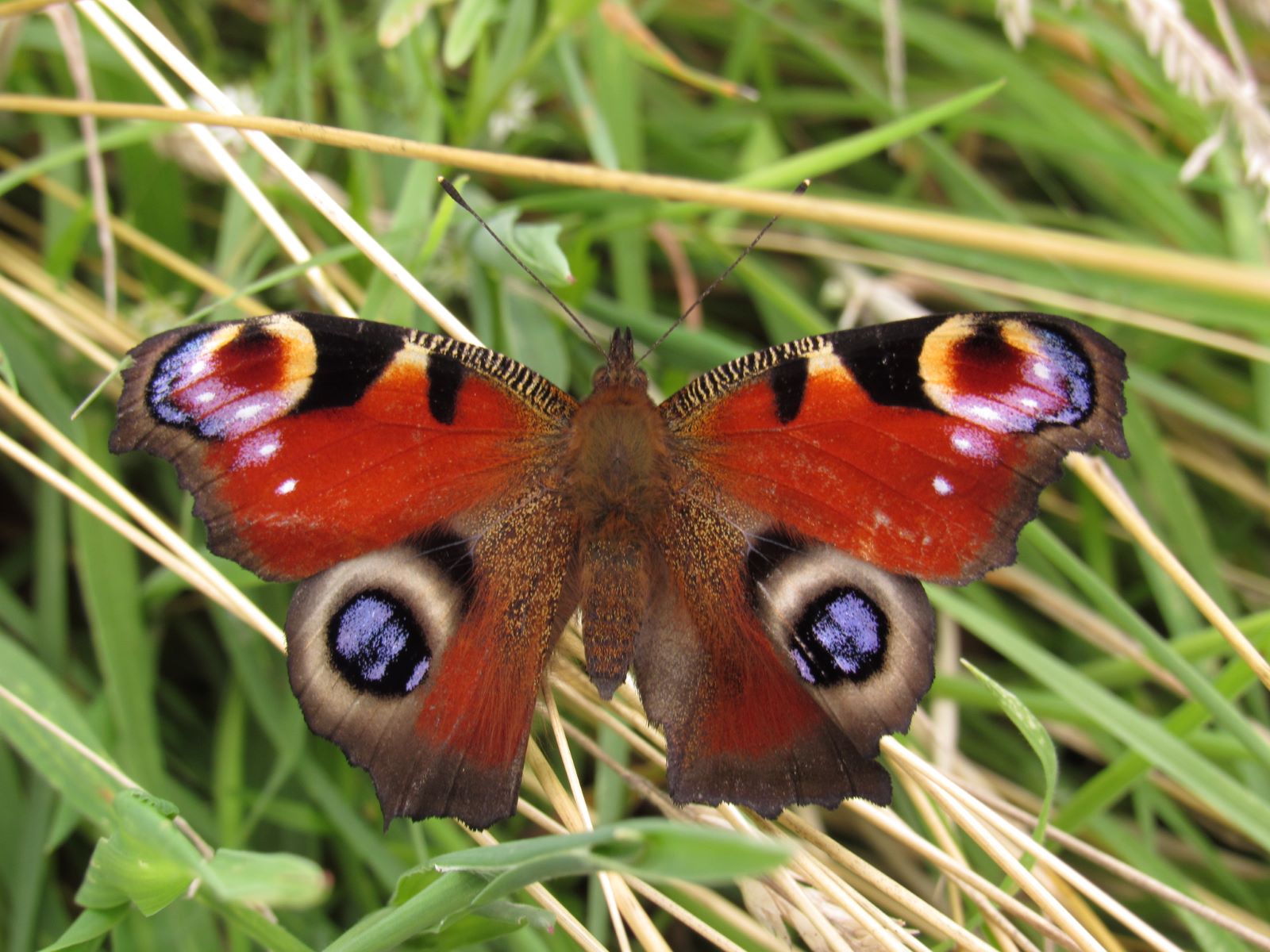
Aglais io – Peacock Butterfly. ©Emily Davis, all rights reserved

Rudyard Kipling. With the Night Mail. New York, Doubleday, Page & Company, 1909.
via: The Internet Archive

© Charly, all rights reserved. Click for full size.
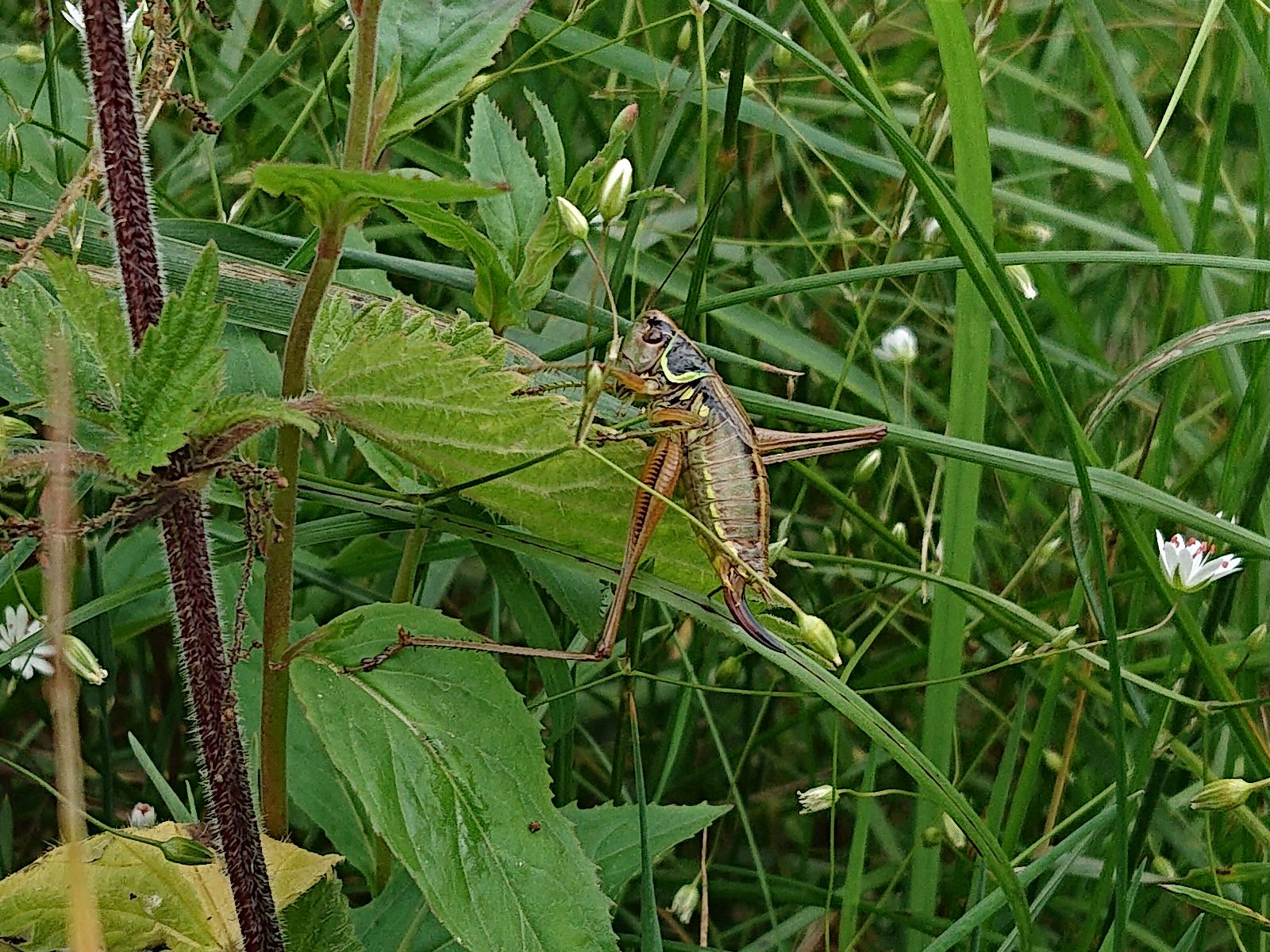
© Charly, all rights reserved. Click for full size.

© Charly, all rights reserved. Click for full size.
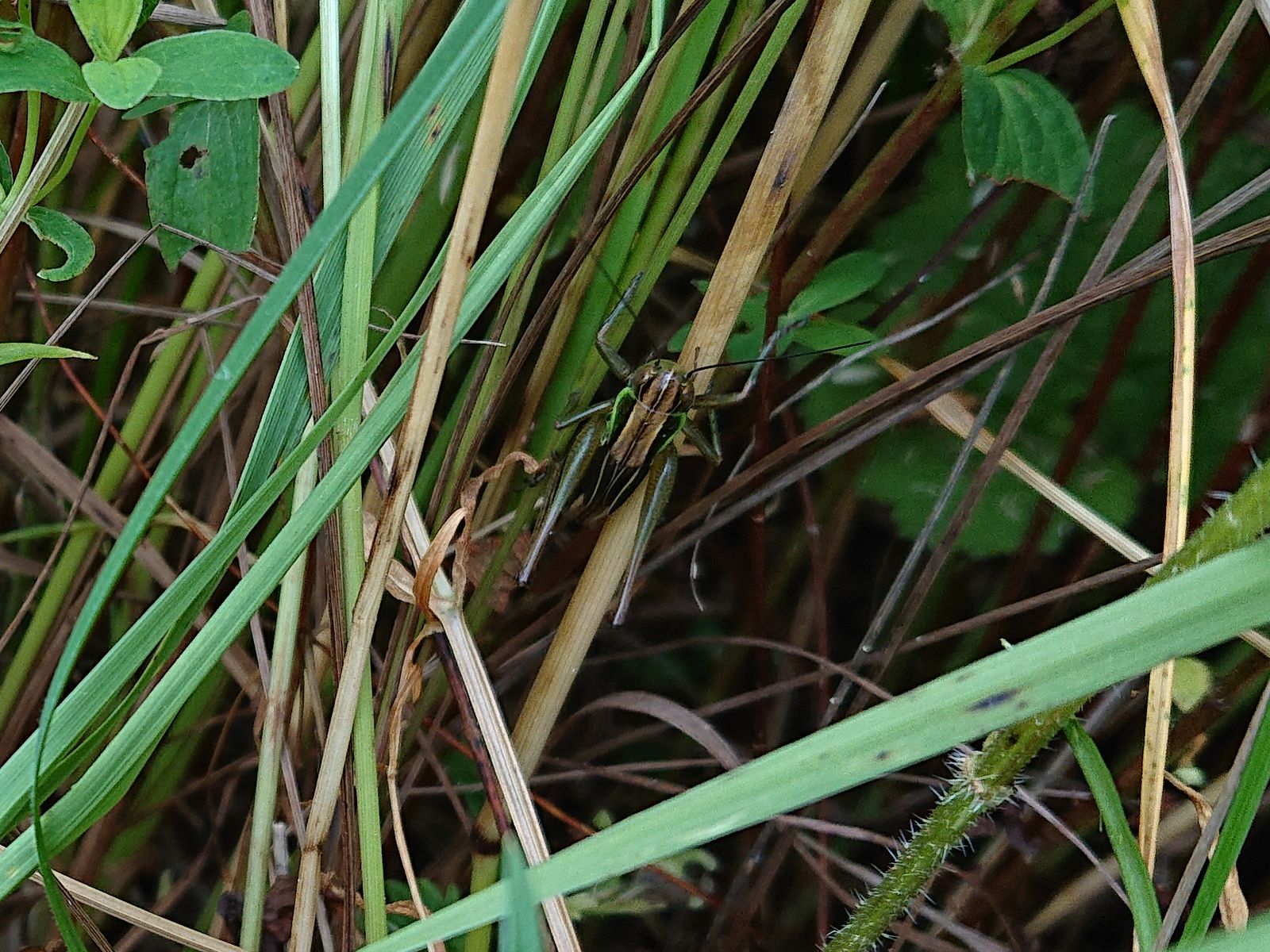
© Charly, all rights reserved. Click for full size.
kestrel is graciously sharing her woven artwork with us, and she’s taken the time to teach us about how this type of weaving is done. I’m sure you’ll agree that it’s fascinating.
Card weaving (or tablet weaving as it’s also called) is a very ancient craft going back quite a ways. A very wonderful find was the Oseberg ship with two women buried in it. Among the many textiles found, there was also a loom with the warp still attached to the weaving cards. However historians believe card weaving is much older than this 9th century find. Card weaving was a technique people used to create very strong and sturdy as well as ornamental bands. Some of the very ornamental bands seen in religious textiles were created this way.
Although I used to weave quite a lot, for whatever reason, I had never tried card weaving. I’d had to give up weaving (there was no room for my very large loom and I had to sell it) but recently I decided I wanted to weave again. My big loom was gone, but you don’t need much to do card weaving.

©kestrel, all rights reserved
And let me play among the stars. (Bart Howard, 1954) The moon fascinates all of us and Avalus is no exception. He’s taken some wonderful moon shots and is sharing them with us.
With these it is hard to not simply say: Look what my toy can do!
Because I kinda just pointed my camera at the moon and, very unexpectedly, got beautiful shots. The advance of photo-technology is pretty amazing, as I remember trying the same thing about a decade ago with my dad’s professional camera and failing to get any more than a washed out disk of light. And nothing for daylight-moon. These were taken by hand or the camera rested on my balcony railing.
Now I need go and play some more Kerbal Space Program.
To the Mün!

©Avalus, all rights reserved
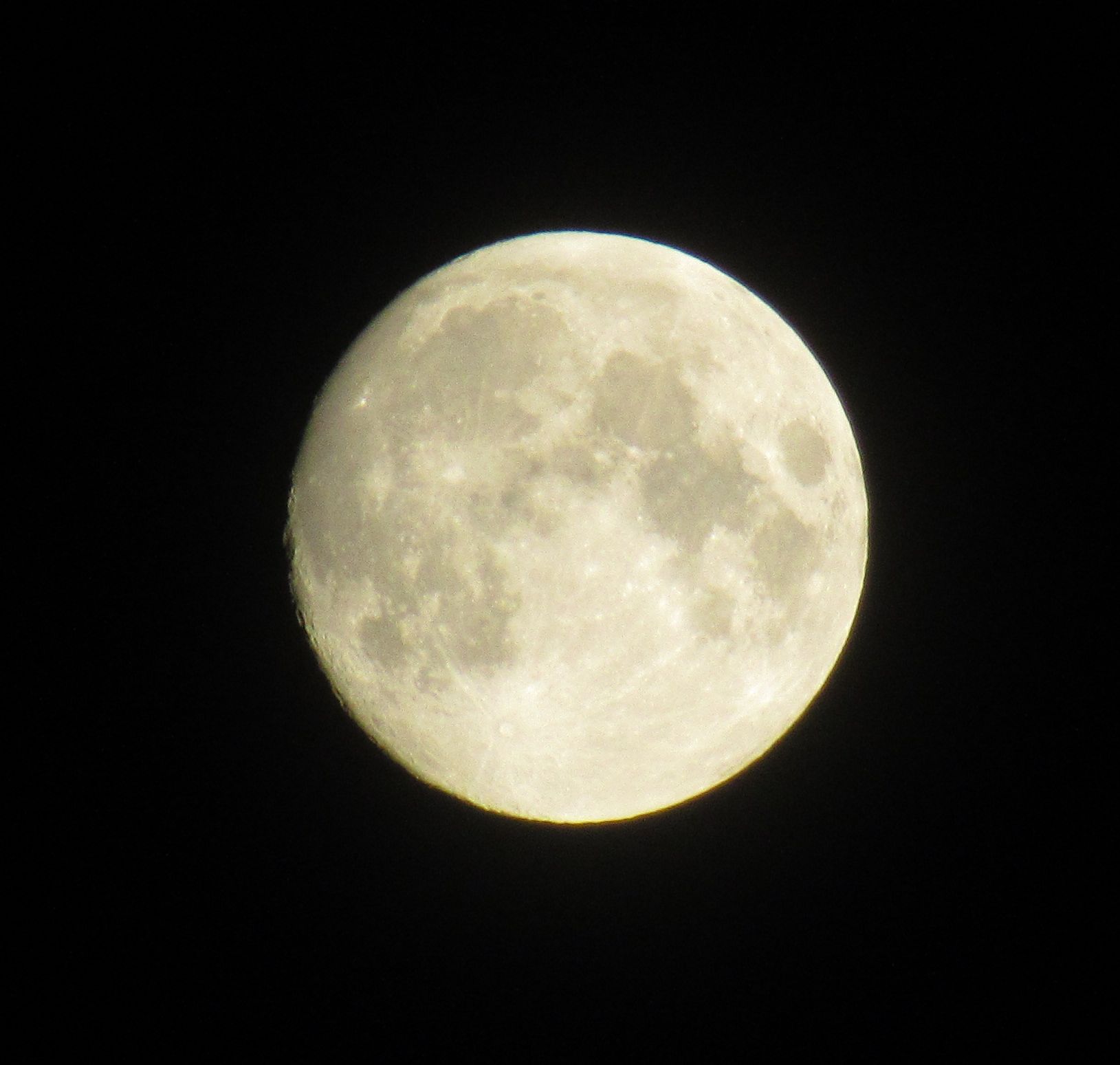
©Avalus, all rights reserved
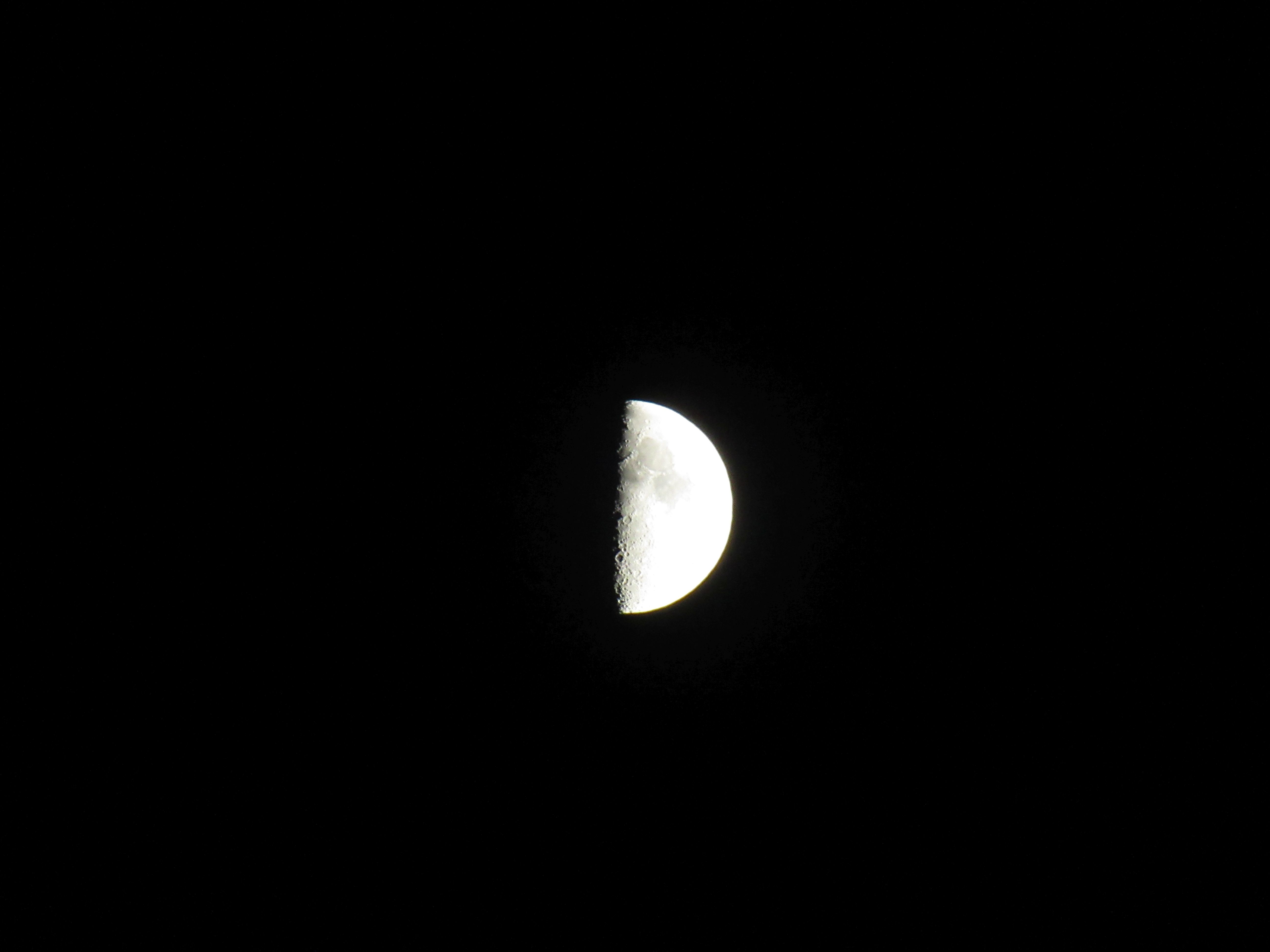
©Avalus, all rights reserved
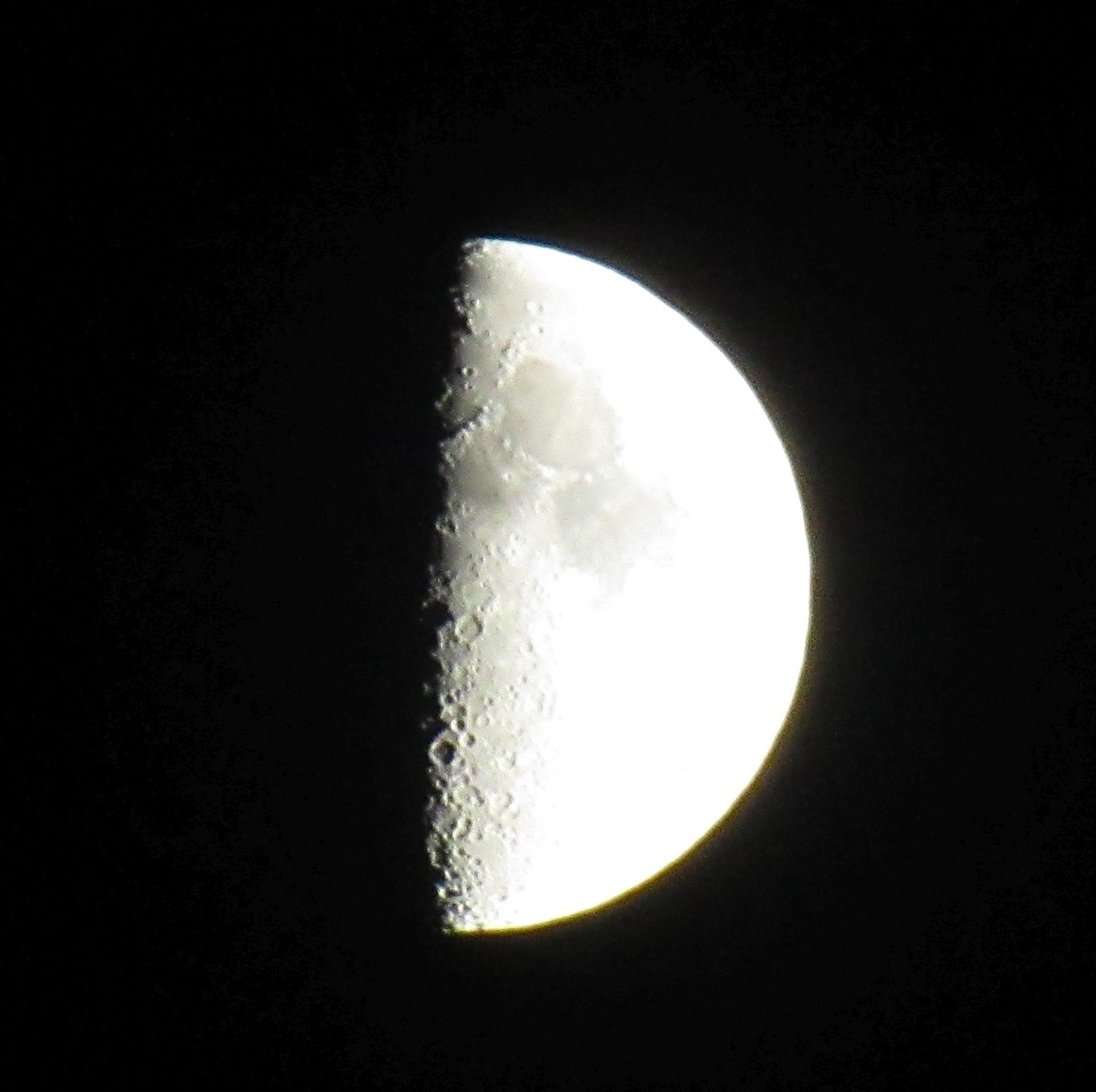
©Avalus, all rights reserved
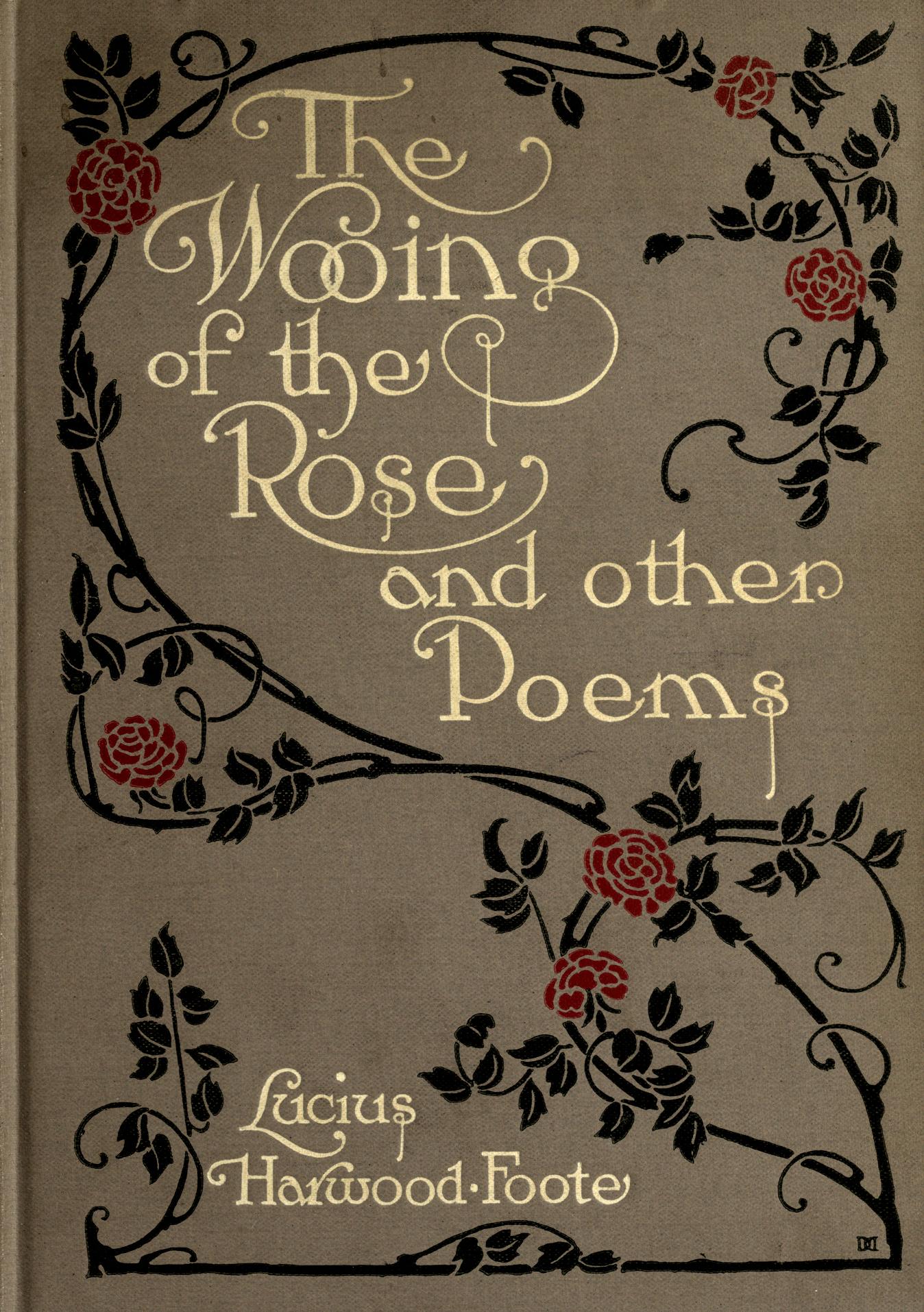
Lucious Harwood Foote. The Wooing of the Rose and other poems. New York, The Platt & Peck co, 1911.
via: The Internet Archive

