In Which Avalus is a Spider’s Playground

Story and photos by Avalus,

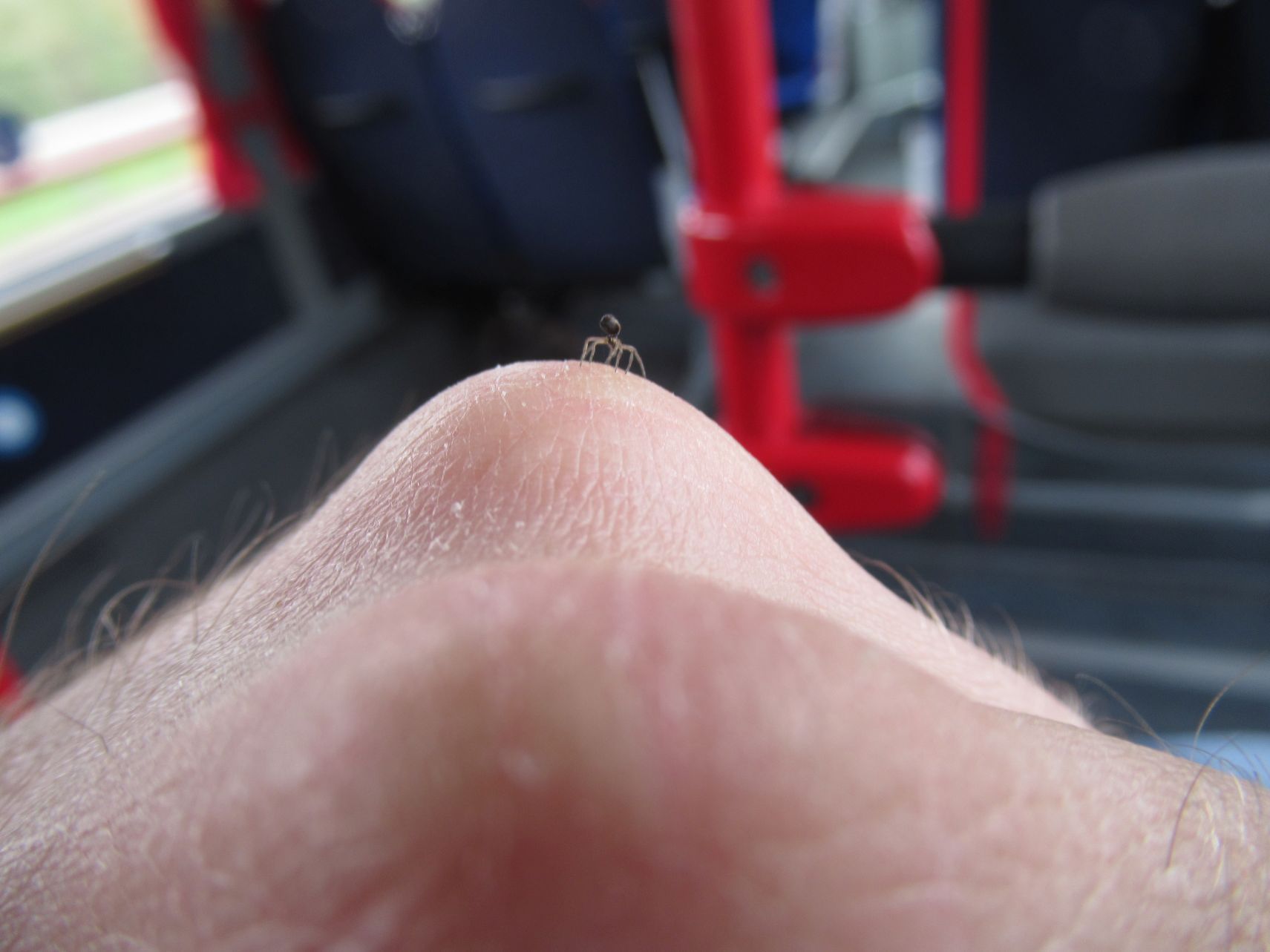
While riding a bus to Work, I noticed this tiny little spider running over my hand. For the next ten minutes or so, I got strange looks from the other passengers for first intensely watching and then photographing my hand. Most of the photos were very blurry, as the autofocus had trouble focussing on the ever zig-zagging spider.

The spider started spinning a web between my knuckles and then ran between them and did this stilted pose.

We finally parted ways after leaving the bus where it jumped off and maybe floated way on a strand of silk.

Goodbye little spider, grow big and eat some mosquitos for me!
©Avalus, all rights reserved

©Avalus, all rights reserved

©Avalus, all rights reserved

©Avalus, all rights reserved

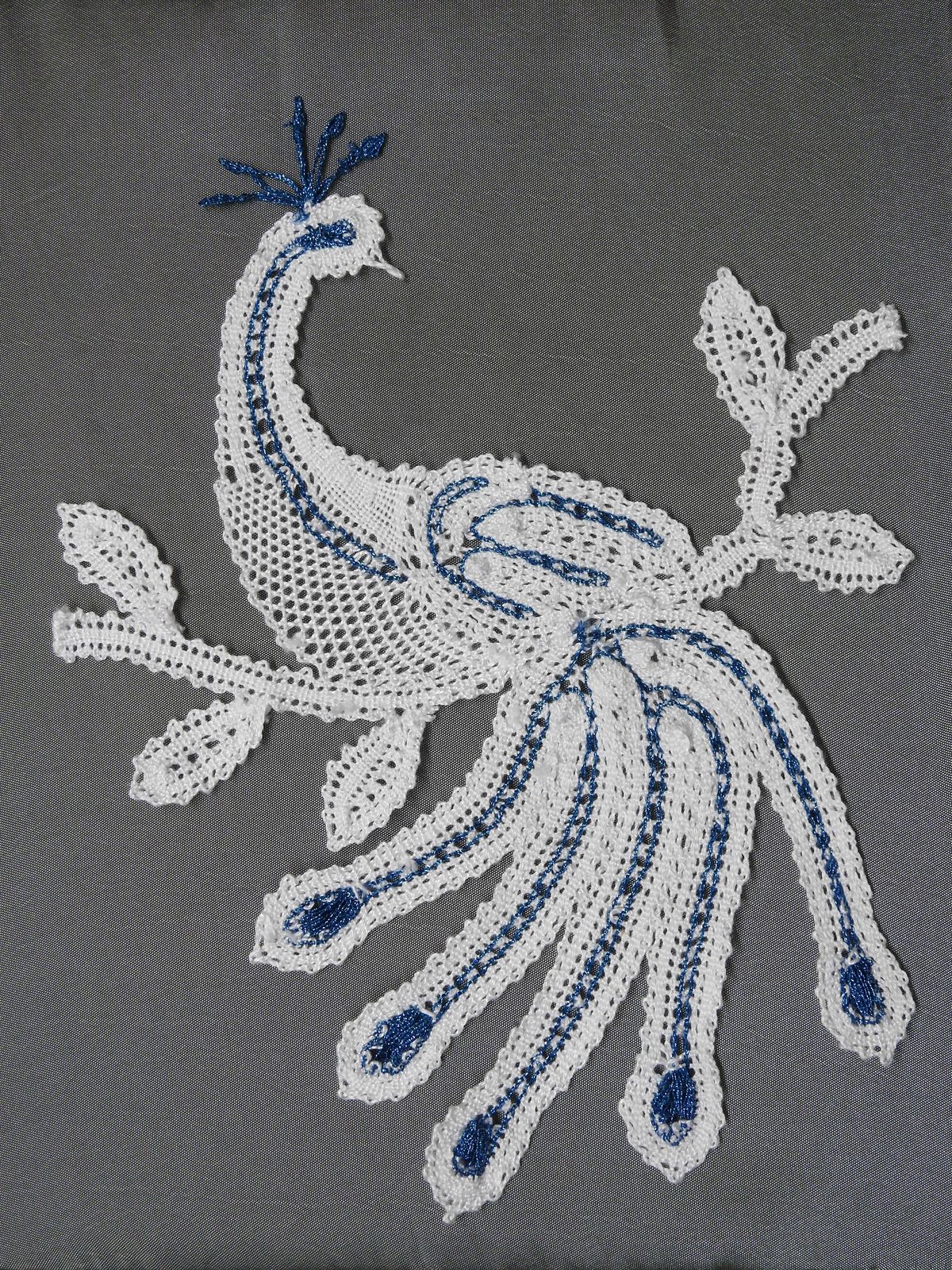
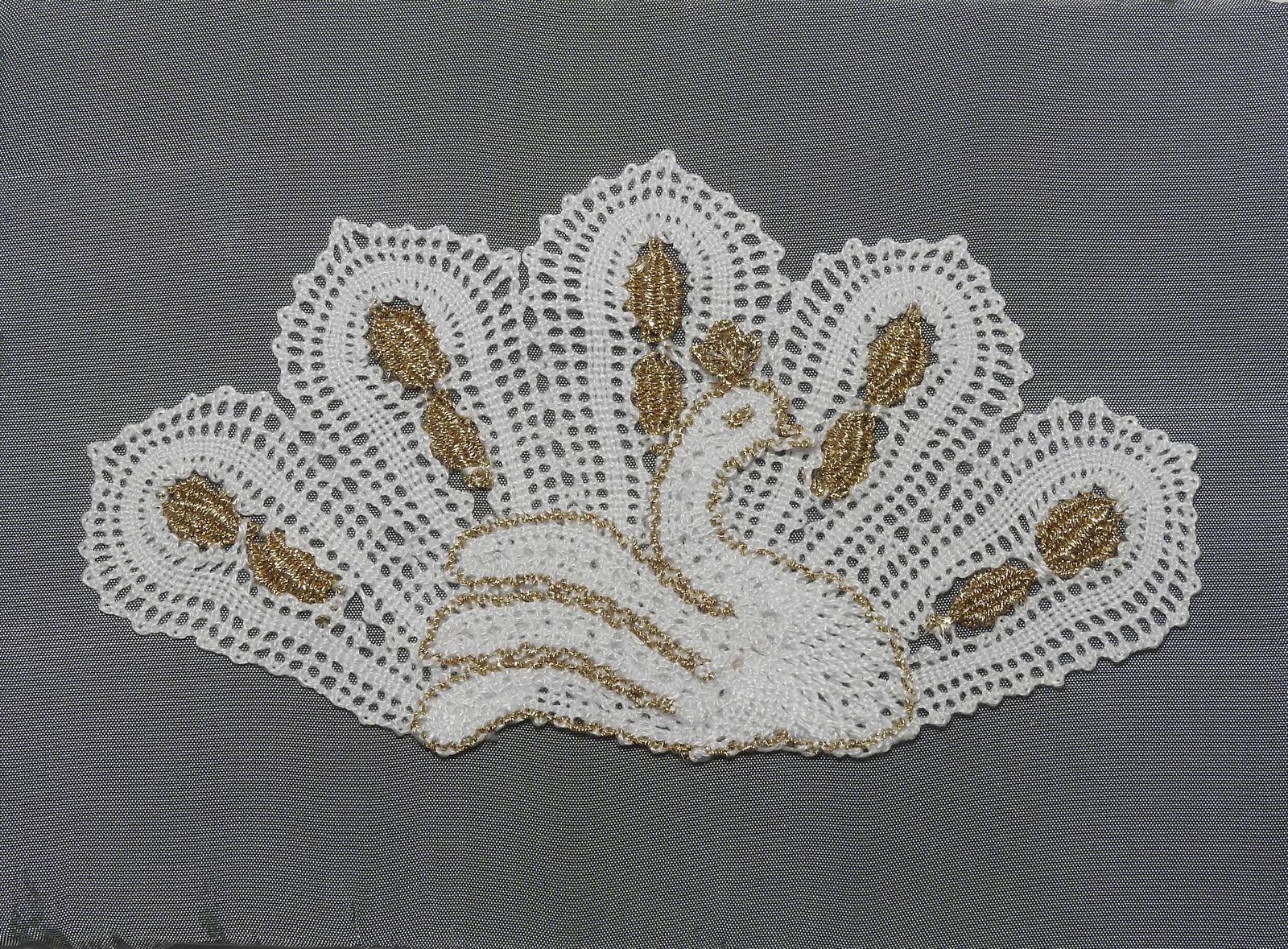
Bobbin Lace: Peacocks

My mother had a “peacocks” period now and has made several. This was our classical collaboration where she bounced a few ideas of me, I then suggested some improvements, she has drawn it again and so forth until she arrived at a design we both liked. Two of them she has even changed after she has already done them in lace because they did not come out right.

All except the last one are approx A4 size, that last one is about half of the others.

© Charly, all rights reserved. Click for full size.

© Charly, all rights reserved. Click for full size.

© Charly, all rights reserved. Click for full size.

© Charly, all rights reserved. Click for full size.

© Charly, all rights reserved. Click for full size.

© Charly, all rights reserved. Click for full size.

© Charly, all rights reserved. Click for full size.

The Art of …

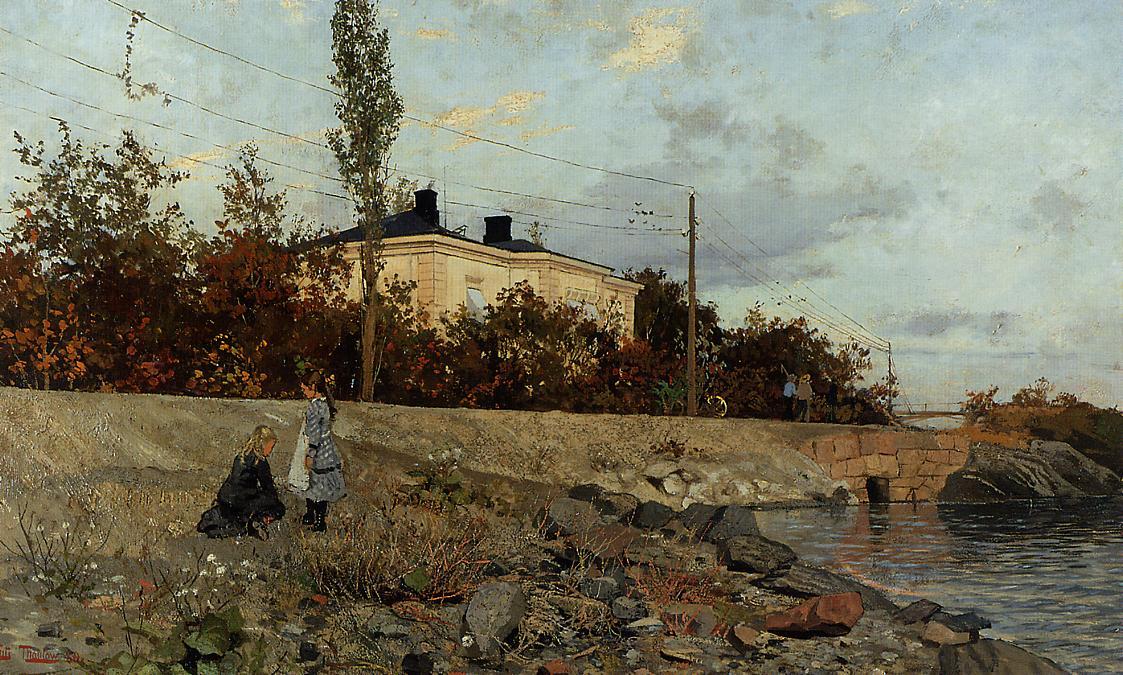
… the human form, by Roberto Ferri

Ferri is a modern-day Italian artist, who notes on his website that his work is,

Inspired by artists of the baroque in particular Caravaggio, and other ancient masters of Romanticism, Academicism and Symbolism of such as David, Ingres, Girodet, Gericault, Gleyre, Bouguereau, Moreau, Redon, Rops, and others. 

His works are already present in the world’s most important public and private collections

If you’re curious and would like to see more of Ferri’s work, the artist has a Website and Instagram account.

Untitled, Roberto Ferri. Image from Surrealistisch Blogspot.


Sharpenatrix

Walter Sorrells has recently made a video about a sharpening tool for his belt grinder, which gave me an inspiration for finally making my own. I have been planning to do this for a long time, but watching that video helped me to solve the final piece of the puzzle.

Walter Sorrells is of course not only a much more experienced knifemaker than I am, but he is also much better equipped. So my project has all the hallmarks of my handmade tools – it is crude and made from scraps.

© Charly, all rights reserved. Click for full size.

I have started with a very rough sketch of the jaws and I have also spent some time calculating trying to establish various proportions whilst finding a compromise between stability (shorter arm is better) and consistent angle across the blade (longer arm is better).

© Charly, all rights reserved. Click for full size

Here you can see it in full when finished. Jaws for holding the blade are mounted on a ca 40 cm long 10 mm stick with a ball on the lower end. The ball goes into a socket at the end of an arm that can slide forward and back with regard to the belt, thus adjusting the angle at which the edge leans on it.

© Charly, all rights reserved. Click for full size

The 10 mm steel rod is recycled from our old heating oven. The plastic ball at the end is an old furniture handle. All the wood is recycled from an old bed.

© Charly, all rights reserved. Click for full size.

The jaws are made from 4mm mild steel and lined with 0.25 mm bronze held in place by means of double-sided adhesive tape. Near the tip of the jaws are two 5 mm pins that are screwed into the smaller jaw and slide into holes in the bigger jaw. They provide an end-stop to rest the blade against in order to fix it easier into the jaws and they also prevent them from wobbling.  The upper screw tightens the jaws and the lower one sets the distance between them, so I can vary it according to the blade that is being sharpened.

© Charly, all rights reserved. Click for full size.

Originally, I have planned to make the socket from wood and I expected it to take a lot of time. But I got a brilliant idea during the work to use a lid from a fabric softener bottle. It cracked during work, but I still could attach it to the arm with a  screw and a large washer. After that, I have covered the screw head with a piece of PVC flooring and after some consideration, I have also added two hard gaskets to keep the ball centered and to provide ever so slight resistance to movement.

The sliding arm can be fixed in position with a fastening screw salvaged from some defunct kitchen appliance from a long time ago and a galaxy far, far away, from times when things were made to last.

When the weather allows it, I will give the thing a coating of grey paint so it looks slightly less amateurish and also to protect the wood from moisture. And I will mark a scale on the sliding arm so I do not need to bother with measuring the angle.

I do not expect this to save a lot of time. I already sharpen knives on the belt grinder and it does not take me more than about five-ten minutes per blade. But it will make the job a bit easier and the angle should definitively be more consistent, which is a plus. I am not one who is overly concerned with sharpening angle, I think that anything between 15° and 25° works just fine for most knives, but consistency does have an influence on the durability of the edge. For example, the N690 steel that I am using for most of my knives allegedly should not be sharpened at a too steep angle (below 15°) because then it tends to chip and break. With this tool, I can at least be definitively sure that I won’t go any lower than that.

We shall see how it works. I do have a lot of knives that need sharpening.