Jack’s Walk

©voyager, all rights reserved

©voyager, all rights reserved

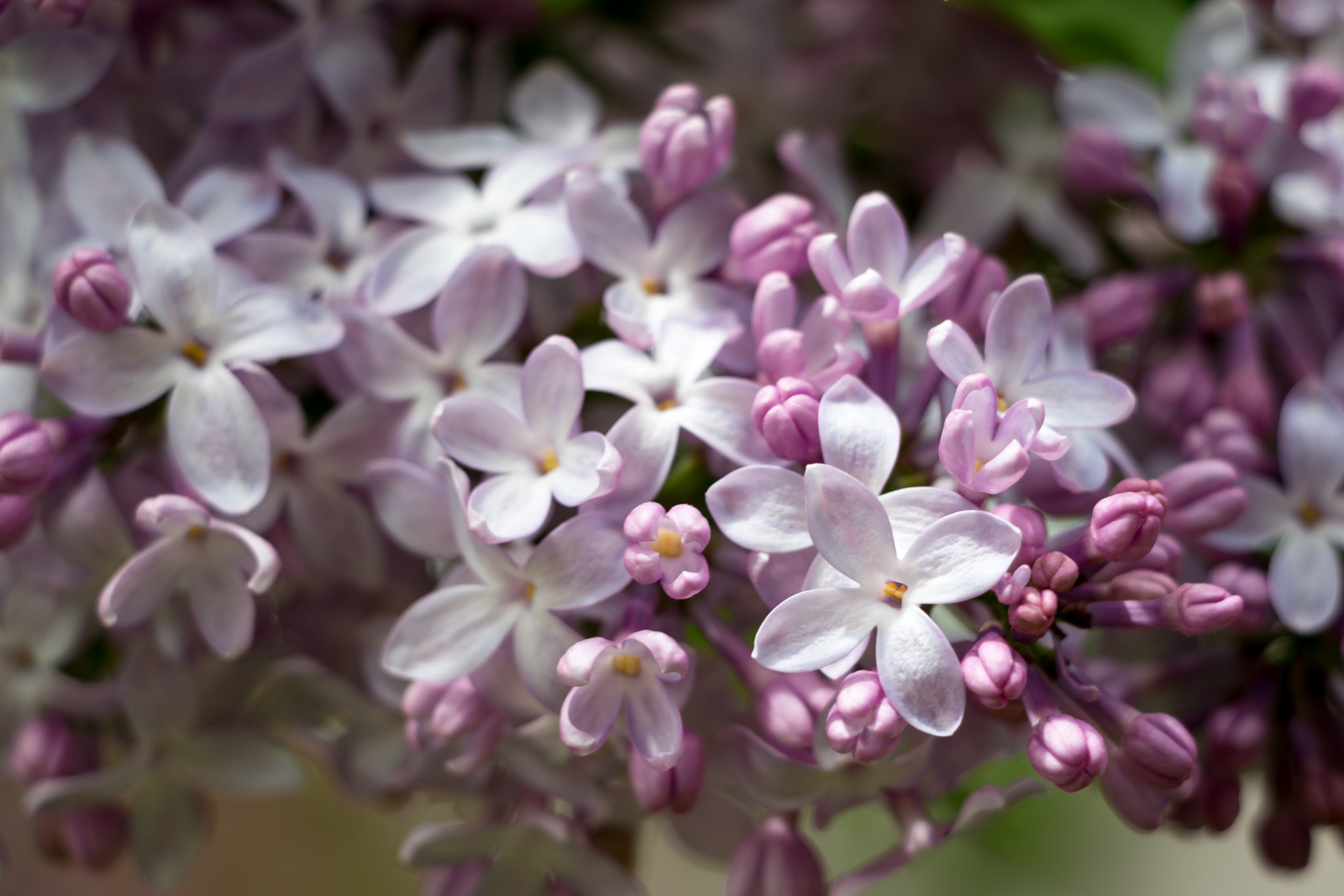
My grandmother loved flowers and my grandfather adored my grandmother and so he kept a large mixed flower garden where something was blooming from earliest spring until latest fall. Every few days he would tour the garden and cut the finest blooms for my Oma who kept them in an  indigo blue vase beside her reading chair. First would come tulips and hyacinths, then branches of apple, cherry and plum blossoms. Soon lilac would follow in fragrant shades of deep purple and white and then finally, finally, the peonies would bloom. They were my Oma’s favourite flower and their yearly appearance was an anticipated event.

I’ve always wanted to grow peonies, but it’s one of those things I never quite got around to. We have a small yard and a large patio and we just didn’t have space. Then, one of our trees died. It was a white lilac tree (not a lilac bush) that had never done well and suddenly I had an open space big enough for peonies. A friend who helps me with my garden found 2 peony shrubs and last year we planted them in early June. They struggled and straggled along over the summer and fall and I wasn’t sure I’d get blooms this year, but about 2 weeks ago buds appeared, three on the pink bush and one on the purple bush. I’ve been filled with anticipation waiting for them to open and yesterday when the sun finally appeared all three pink flowers opened at once and they’re glorious.

©voyager, all rights reserved

©voyager, all rights reserved

©voyager, all rights reserved

©voyager, all rights reserved

Jack’s Walk

©voyager, all rights reserved

Much like leaves in autumn, white trilliums put on a bit of a show before they disappear, turning delicate shades of pink as they begin to wither. Their passing marks the end of the showy spring flowers in the forest. The mayapples are still to bloom, but their flowers hide under big umbrella leaves and are barely seen. The buttercups and forget-me-nots that linger are small and fragile and just don’t command the same attention as a trillium or bloodroot or Jack-in-the-pulpits. The forest is losing its frills.

©voyager, all rights reserved

Jack’s Walk

©voyager, all rights reserved
I can see a tinge of pink on the many of the white trillium flowers in our forest which means they’ll soon be gone for another year. Before they go, I thought I’d share one of the larger patches we see every day. It’s been an excellent year for trilliums and Jack and I consider ourselves very lucky to have this so nearby. I’m sorry about the bad light. It’s another cold and dreary day here.


Jack’s Walk

©voyager, all rights reserved

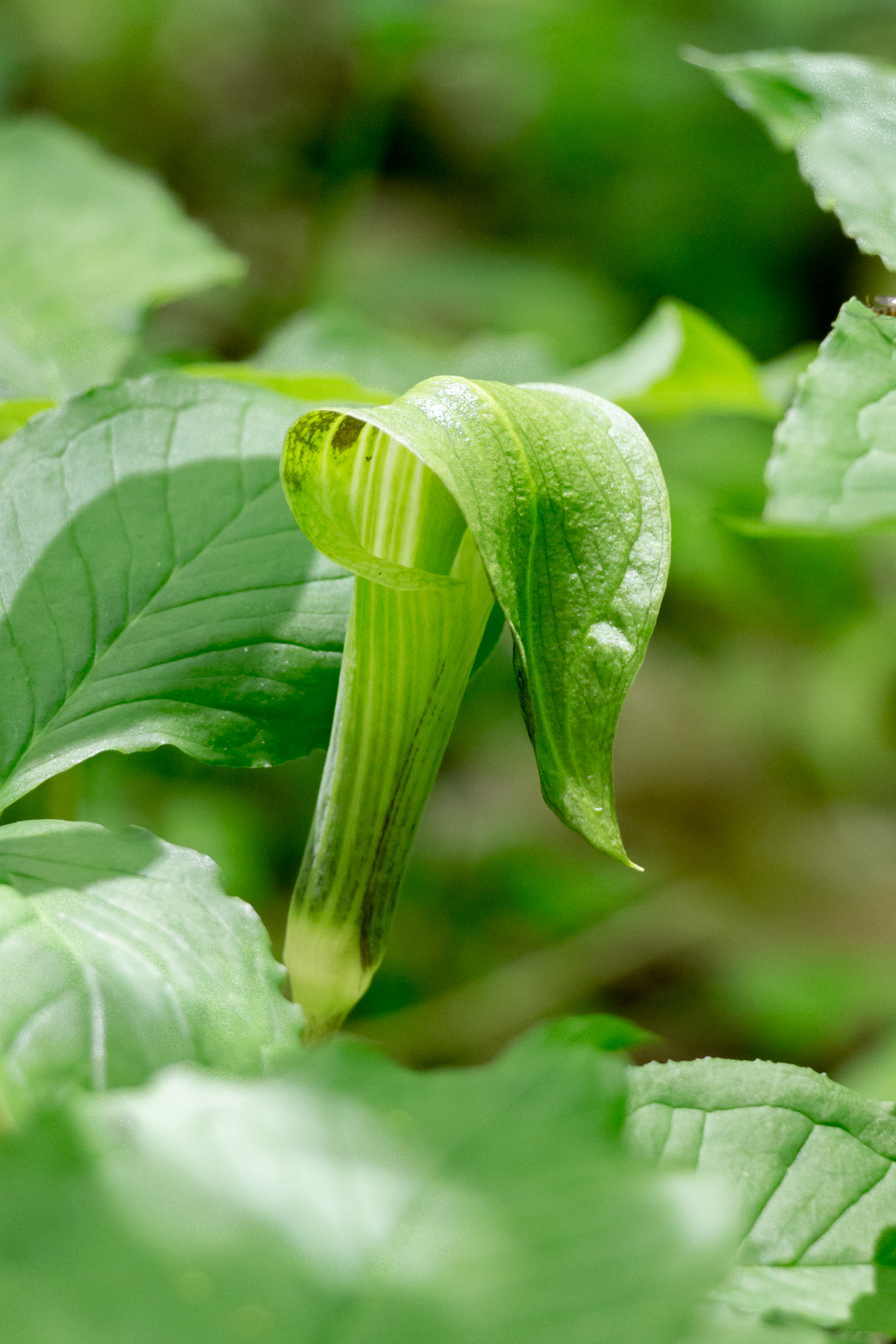
Jack-in-the-pulpits are one of my favourite spring flowers and they won’t be around for much longer so I’m sharing while I still can. This has been an excellent year for them in our wee forest. They’re literally all over and many of them have grown to be a foot tall or more. Obviously, they like this year’s wet and dreary type of spring much more than I do.

©voyager, all rights reserved
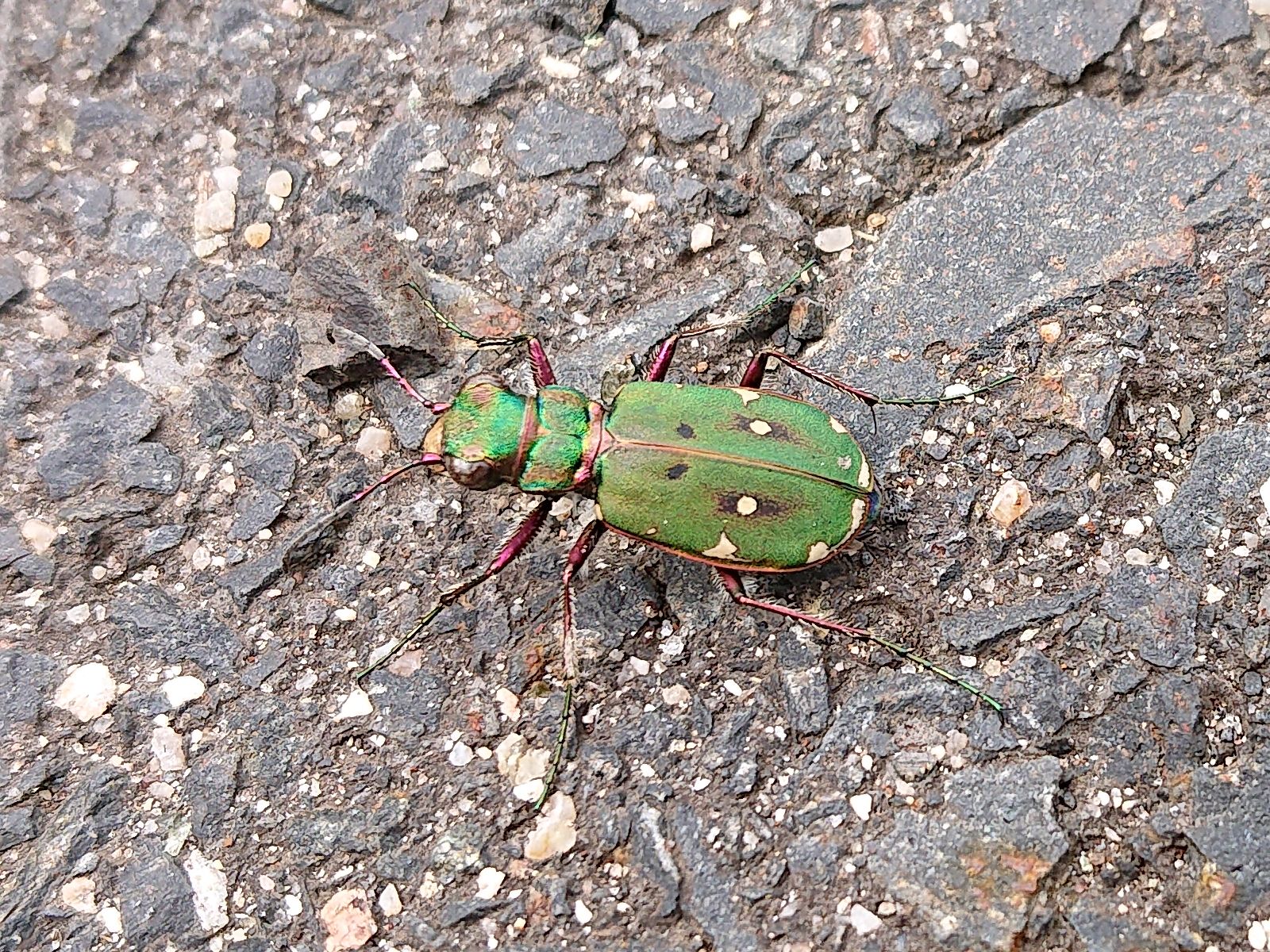
Close Encounters of the tiny kind

During lunch break walk at work, I have encountered this little fellow. He flew by and sat on the macadam right next to me – a very conspicuous bright green jewel on the grey dull road. It was really tiny – about the size of a thumbnail. And of course I did not have my camera and macro lenses on me, so you have to do with this rather poor pictures made with my phone.

© Charly, all rights reserved. Click for full size.

© Charly, all rights reserved. Click for full size.

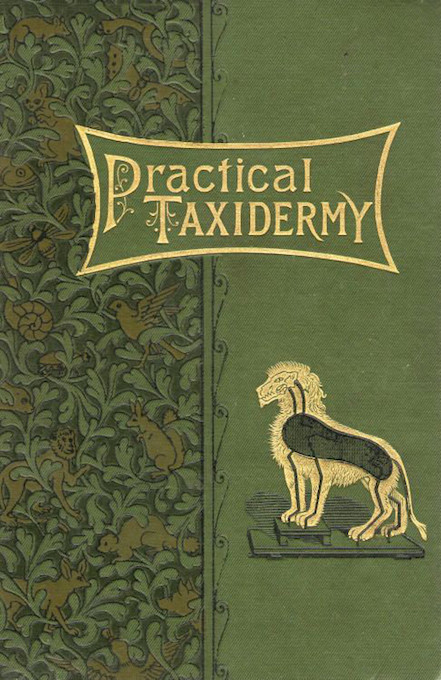
The Art of Book Design: Practical Taxidermy

Montague Browne. Practical Taxidermy. London: “The Bazaar” Office, 1878 — Source.

I have mixed feelings about taxidermy. On the one hand, it’s an interesting art form. It involves a lot of sculpture and the artist needs a good understanding of anatomy and the nature of the animal when it was animate. Taxidermists strive to make the animal look as natural as possible, even if they place it in an unnatural pose or place. It’s very multi-media and there are all sorts of little tricks they use to put things together and make them stay put. Fascinating, eh?

On the other hand, I think that displaying “trophy animals” on the wall or floor is disgusting. I once had a client who was a big game hunter. He had a tiger skin rug and a polar bear skin ‘throw’ on his sofa and hanging on his walls were the skulls of several big game animals. I know there was a moose and a big horn sheep, but I can’t remember what the others were. It was so sad and totally creepy and very unnerving and I had the devil of a time doing the assessment. On my way to the next home visit I had to pull over and catch my breath because I felt like throwing up. He was a pleasant enough man, but when I got back to the office I traded his case with a colleague who didn’t mind the taxidermy.


via: The Public Domain Review

Jack’s Walk

Forest Rooster greets us at the entrance to the trail. ©voyager, all rights reserved

This morning Jack and I went to a forest trail a few miles outside of town to the east. We don’t come here often because it’s full of mosquitoes, but it’s still early in the season so I thought we’d take the chance. We did see a few mosquitoes, but we didn’t run into any swarms and neither of us got a single bite. This trail is a lot different than our familiar wee forest path. It’s a mixture of conifer and hardwood with several large open areas and a big pond covered in lily pads. It’s also protected by a large, aggressive forest rooster who did not like the looks of Jack.

[Read more…]