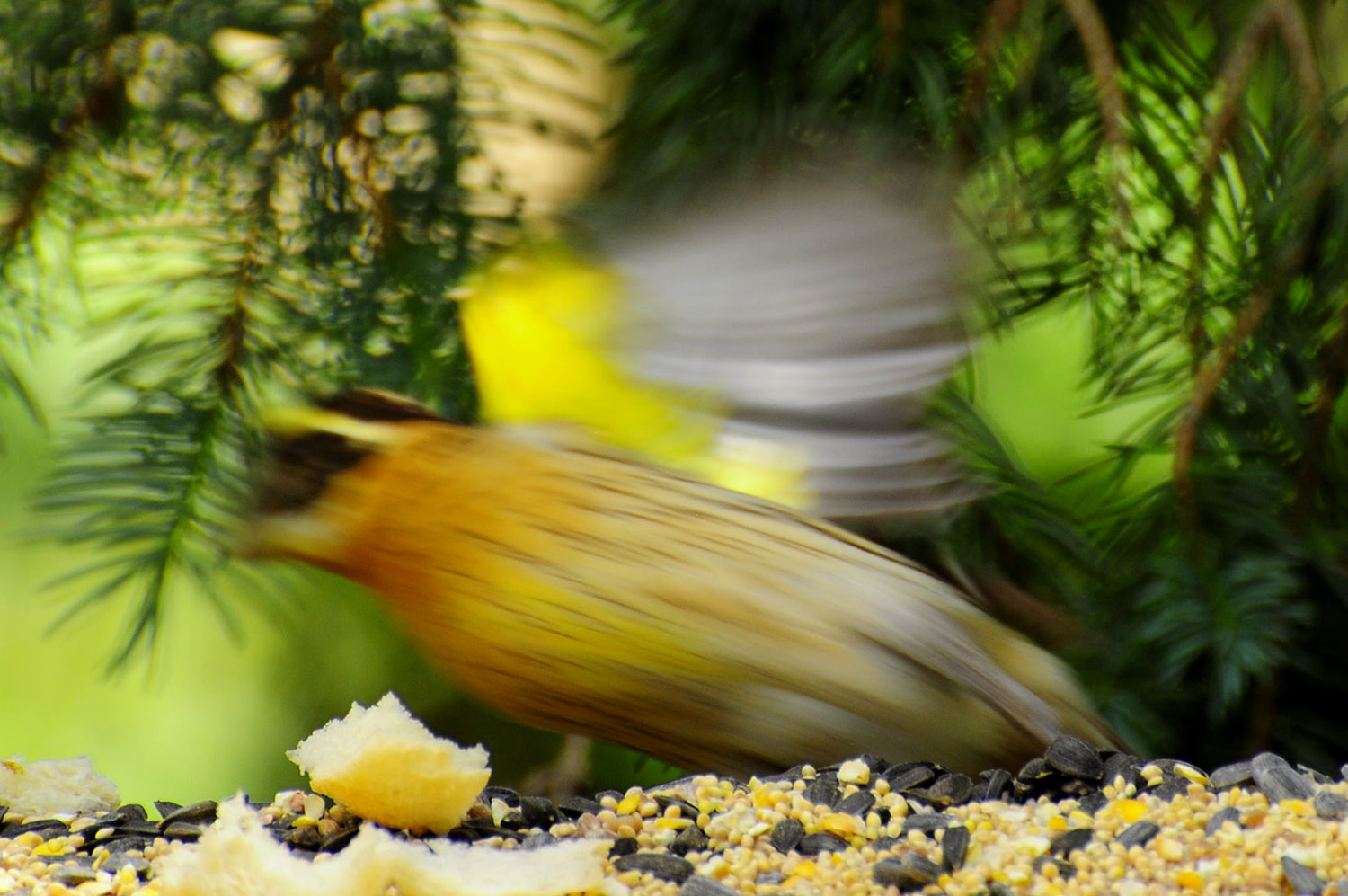
Lady Grosbeak (Black-headed Grosbeak). Click for full size.
© C. Ford, all rights reserved.
From Kestrel. Click for full size.
This is called a “shrump”; it is a hump in the duff caused by a mushroom coming up from underneath. Just like a Christmas present, you can’t tell what’s in there until you open it.
Inside the shrump is Russula brevipes.
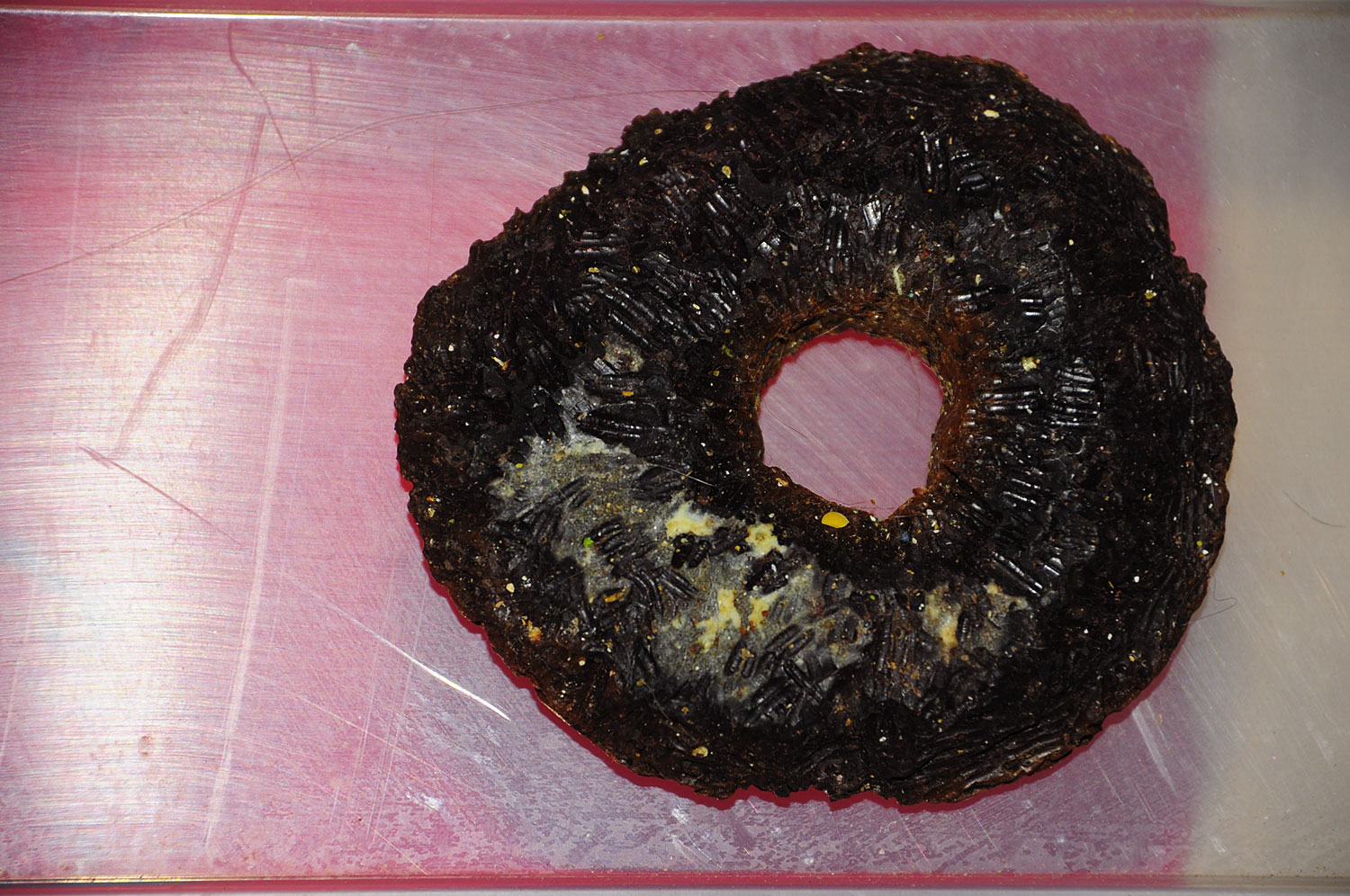
What on Earth is THAT? Well, believe it or not, this too used to be Russula brevipes. It was attacked by another fungus that is parasitic on other mushrooms – Hypomyces lactiflourum.
Hypomyces lactiflourum is not always so “mushroomy” looking. Many times the host is so deformed you can hardly tell what it was. In this one you can even still see where the gills are.
© Kestrel, all rights reserved.
From Lofty:
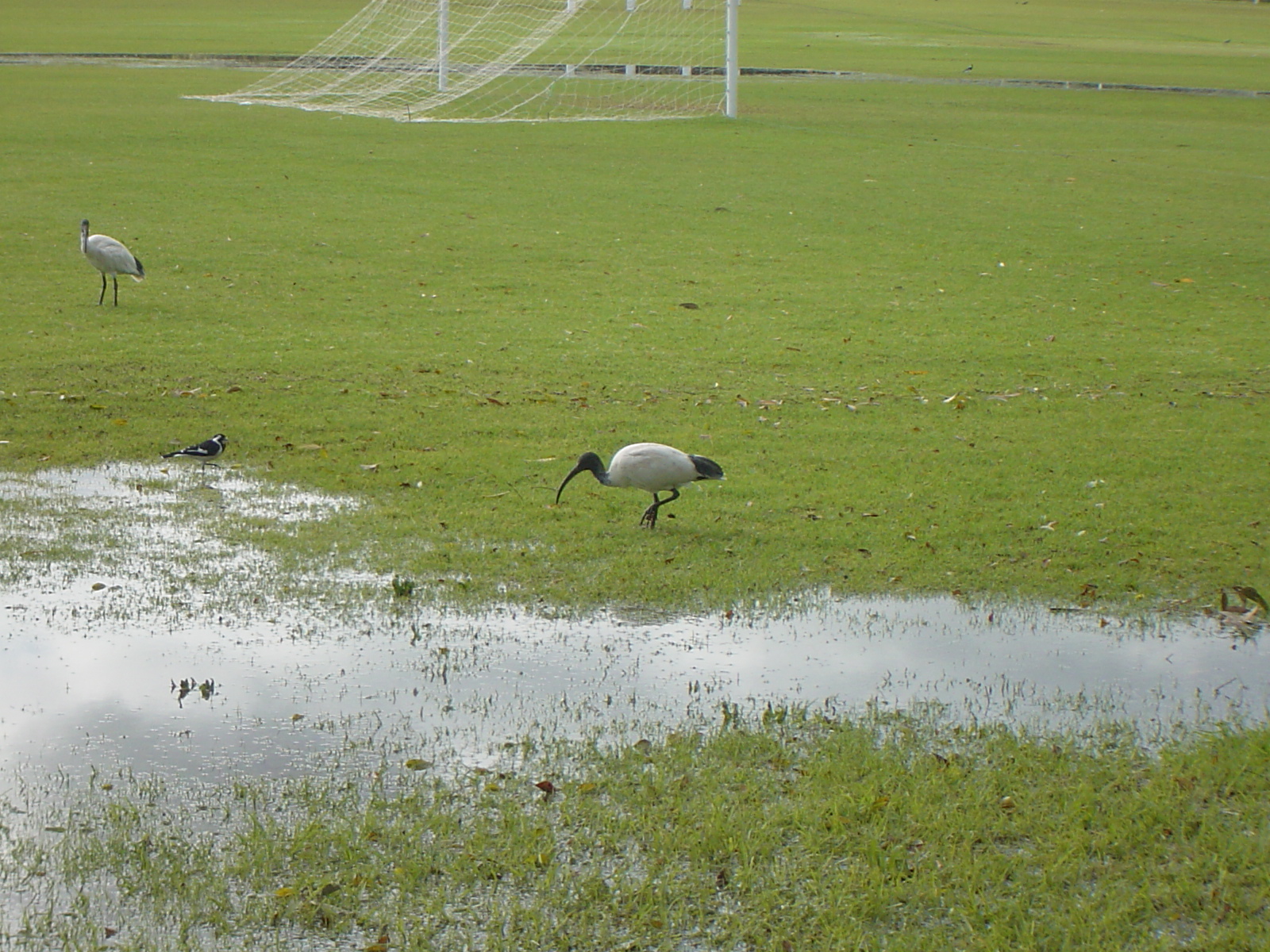
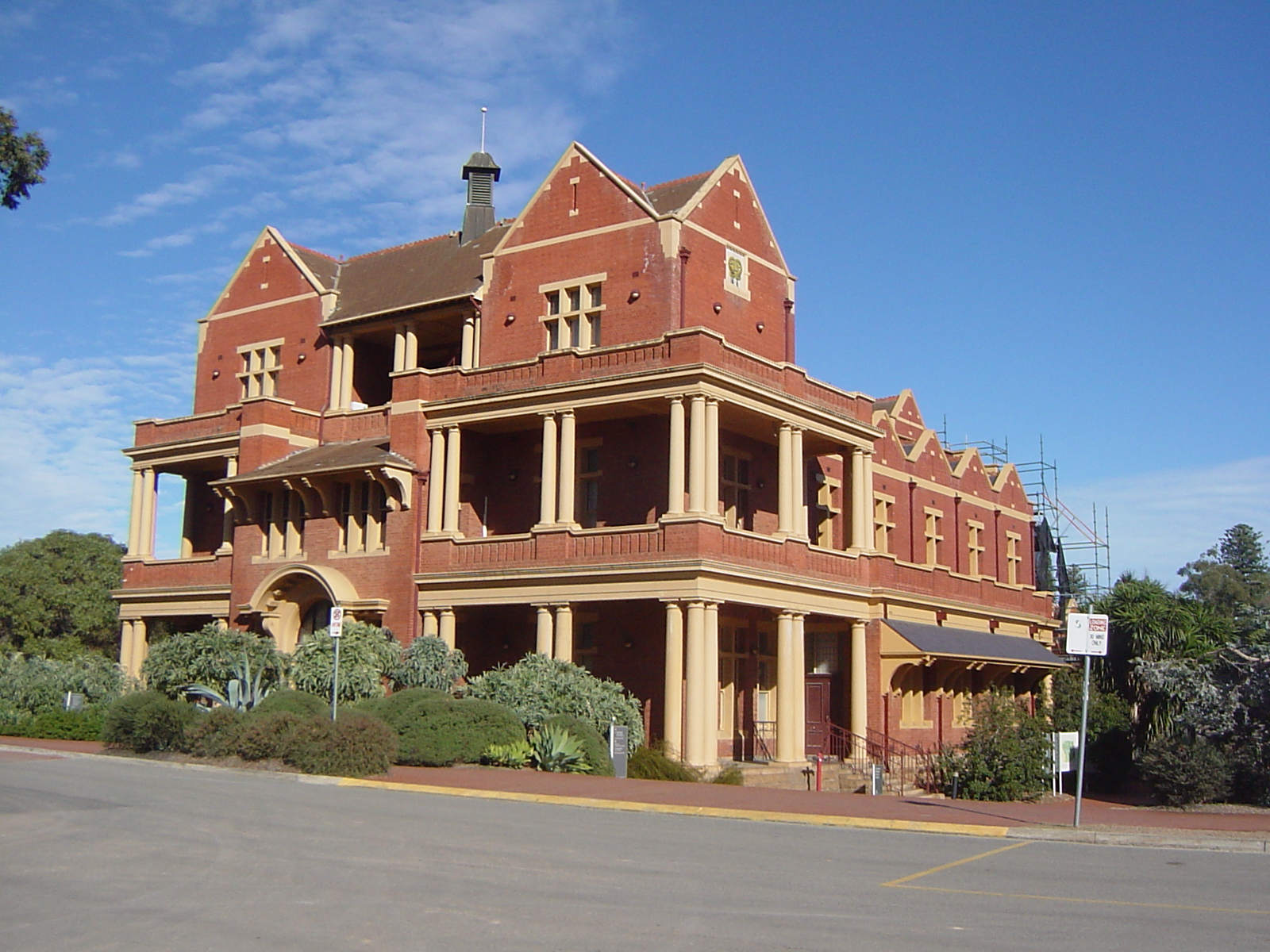
1. East Parklands with My Little Mountain (Mt Lofty) in the background. 2. A mulched avenue, once a carriage drive. 3. Ibis looking for grubs. 4. Black swans making their escape from the horrible human. 5. Goodman Building, HQ of the Botanic Gardens. 6. Moreton Bay Figs outside the Botanic Gardens entrance. 7. River Gums drinking at a small creek. 8. Pedal Prix cars practicing in the East Parklands.
Click for full size.
© Lofty, all rights reserved.
Mark Sundeen at Outside Online has a long, in-depth, excellent story about the camps and the Standing Rock protest. I’m only going to include a small amount here, you should really click over and read, it’s great!
…I parked alongside a towering teepee on the riverbank, slept in the car, and in the morning met my neighbors, a delegation of Pawnee elders who had driven 18 hours from Broken Arrow, Oklahoma. The degree to which I didn’t know what I was getting myself into was made clear when Chief Morgan LittleSun, 58, a warm and affable welder and teepee builder, told me that his biggest concern coming up here wasn’t cops—it was the Sioux tribes.
“Pawnee and Sioux hated each other forever,” he said. Even though the tribes had signed a peace treaty, LittleSun had seen hostility at powwows, and even fights.
I asked when the Pawnee and Sioux tribes had made this uneasy peace.
“150 years ago.”
As far as LittleSun knew, this was the first time since then that Pawnee chiefs had traveled this far into Sioux territory. While dates of Indian wars and treaties are history-test minutiae that most white people (like me) tend to forget, LittleSun was one of many Native Americans I met for whom the past was not really dead, as the saying goes, not even past. They rattled off these 19th-century events like they happened yesterday, and this gathering at Standing Rock was occasion for a new round of history making. The site was called Seven Councils Camp, indicating the first time all bands of Lakota had gathered in one place in more than a century. That afternoon, the Crow Nation marched into camp in war bonnets, waving flags, singing and whooping, bearing a peace pipe and a load of buffalo meat, offering the first real reconciliation since 1876, when Crows were scouts for Custer at Little Bighorn, where the U.S Cavalry got its ever-loving ass kicked by the Lakota. At last count, representatives from more than 120 tribal nations had arrived from as far as Hawaii, Maine, California, and Mississippi.
But when I asked LittleSun, whose tribe historically had a proud tradition of stealing horses, if he’d felt uneasy here, he shook his head emphatically, and a smile spread over his face. “This is the greatest thing I’ve ever seen,” he said. All day long, strangers walked into his camp and offered food and firewood and asked which tribe he belonged to, and when he told them, they didn’t flinch but embraced him as a brother, an uncle, an elder. “But when I raised the Pawnee flag on a pole,” LittleSun added with a laugh, “everyone moved their horses to the other side of camp!”
This is something most people don’t understand. For many Indigenous peoples, history is not old, dusty past, something to be discarded, forgotten with maybe a trip or two back for reference. History is living, it’s a thread of continuity, of stories, of life, of connectedness. Time is all one flow, and if you drop a big ol’ dam down, you lose so much, you cut yourself off, isolating yourself. And yes, of course, in these current times, there’s a need to chop time up into tiny compartments now and then, but if you’re not careful, you do that with all time, and it’s a painful loss, even if you aren’t terribly aware of that right now.
Chicago-based photographer Reuben Wu recently photographed the Nevada SolarReserve, a grouping over 10,000 mirrors which power nearly 75,000 homes during its peak season. Wu photographed the mass of reflective panels during nightfall, allowing the brilliant colors of the sunset to be doubled into the shining surfaces below. Wu likens the energy facility to a topographic ocean, considering it one of the greatest land art installations ever built.
Stunning photos, and it’s always good to see alternate energy in the works, but I’d like a lot more information about these, so I’ll do some digging about. In the meantime, there are more of Reuben Wu’s photo’s at Colossal Art, and they are stunning!
How often do you learn a valuable lesson from pissing yourself drunk, besides, “never drink that much again?” While traveling with a Central Mongolian tribe, photographer Jimmy Nelson learned lessons both in reindeer psychology and humor after downing too much vodka and wetting his tent. As the story goes, he woke up to reindeer charging into his bed (apparently they love human urine). Nelson tells this and more stories, accompanied by his majestic portraits of the customs and trappings of indigenous peoples from accross the world, in a new video from the Cooperative of Photography. Like Aesop’s fables, Nelson’s anecdotes have lessons touching on knowledge, vulnerability, and pride. Young photographers can also learn a lot about how to interact with subjects respectfully and purposefully.
Jimmy Nelson currently has a show at Gallery KNOKKE through September 18. See more of his work on his website. Visit the Cooperative of Photography for more tips, tricks, and interviews with photographers.
Via The Creators Project, where there are more photos.