I’m a big fan of adopting rescues and very critical of most modern dog breeding.
The rescue part you might have already guessed from Socks being, well, a rescue dog. The goodest rescue dog.
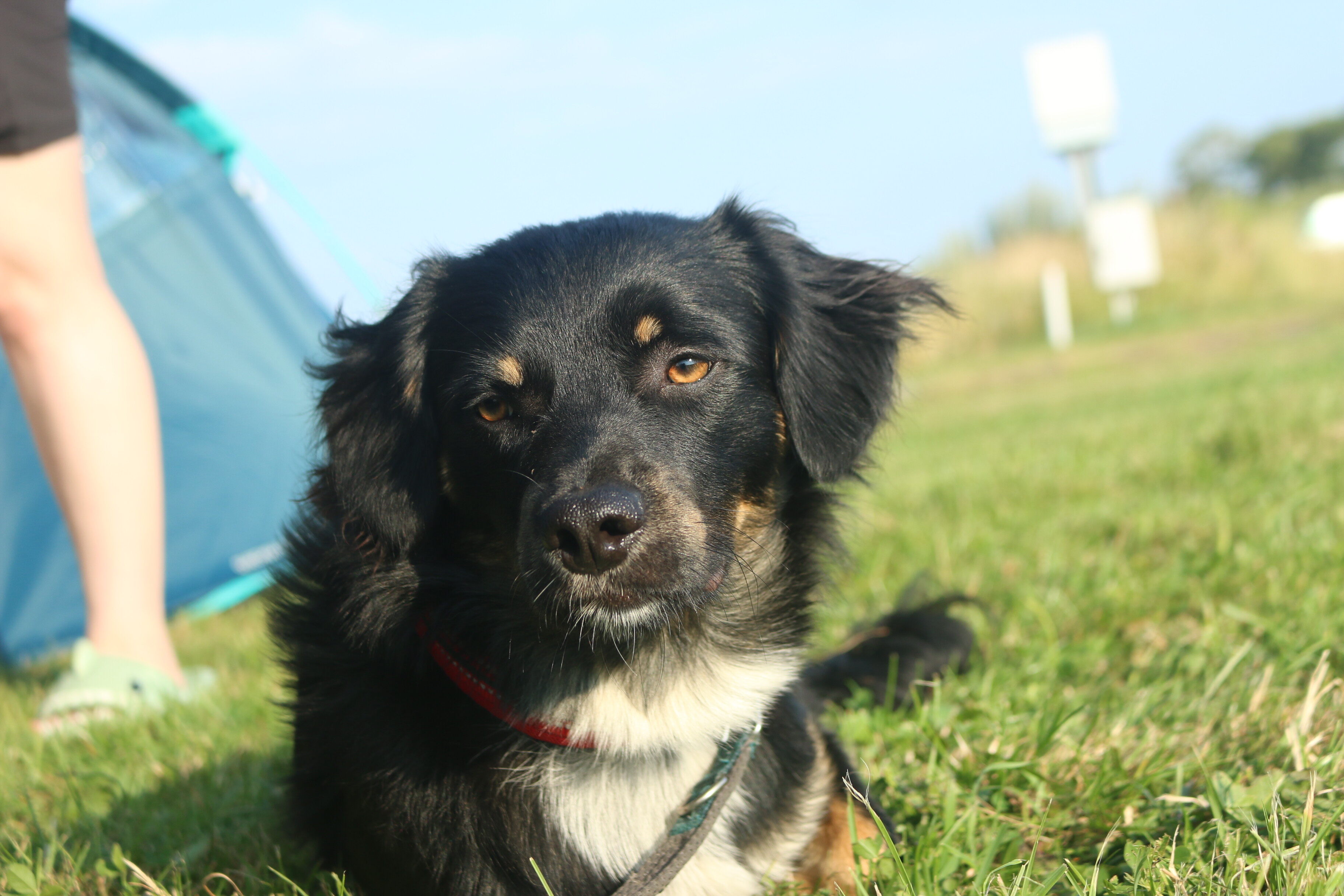
©Giliell, all rights reserved
You might have also guessed that I’m not the biggest fan of most modern breeding, with varying degrees from hatred for puppy mill owners and people who breed dog breeds that are inherently unhealthy (German has the apt word “Qualzucht”, torture breeding) like Frenchies over people who breed dogs that are mostly not suitable as family dogs but being sold mostly to families (Border Collies and Aussies, anybody?) to being mildly critical to dog breeds that need more genetic diversity to counter (manageable) health issues but who aren’t getting any due to stupid breed standards.
I’m not going to call everybody who gets a puppy from a breeder names, just a lot of them, so let’s look at the arguments being made in favour of getting a purebred puppy and which ones hold up, but also at the arguments pro and against getting a rescue.
First of all some necessary information before we start talking past each other:
In Germany and other wealthier European countries there exist two parallel rescue systems. The first one is the local shelters, which are all no kill and will take in pets that are surrendered but also pets that are confiscated or abandoned. The second system is foreign adoption from Eastern and Southern European countries with low animal welfare and kill shelters. Both have their pros and cons and I’ll talk about those as well.
First argument: But I love breed X!
This is the one I can simultaneously understand the most but that also infuriates me the most. Dog breeds have been created over centuries for specific purposes with specific goals in mind, so members of a breed are very likely to not only share a look, but also certain character traits. I mean, who doesn’t love a Golden Retriever? There’s still reasons I don’t have one. So there are people who either want a dog for a specific purpose (i. e. hunting) and get a specific working breed, or there are people who are really looking into which breed fits their lives and get those and I can understand that.
Unfortunately, most people don’t look at all aspects of a breed, they look at the optics or the image. They get a breed that has been popularized by media or celebrities. Border Collies are one of those breeds, as are Dalamtians and most tragically, French Bulldogs. Fuck Lady Gaga, The Rock and the rest of them who popularized Frenchies. In Germany there’s a huge problem with breeds like the Belgian Malinois or Kangals: Both dogs that require experienced owners, lots of attention and real good training, not to mention the right living conditions. But people will watch three videos on the internet and go “awwwww” and now German shelters are full with them, as well as the assorted bully breeds. This is a huge problem and ties in with argument #2.
Second argument: They wouldn’t let me have a rescue dog!
Congrats, so you went to a backyeard breeder, because if you didn’t get a rescue, then no responsible breeder would sell you a puppy. Now, I know that some local shelters can be a bit over the top, but most are not, if you’re being reasonable as to which dog you want. And often there will be no dog available that fits you, because see #1. When we looked for a doggo, we also looked at the local shelters. They had German Shepherds, Malinois, Bullies, their mixes and a very sick pug. These dogs need knowledgeable people and nobody should have given me any of them, should I have applied. Which I didn’t. I went to a (reputable) rescue organisation and yeah, me, a first time dog owner full time working person got a dog. But one that fit our lives.
Third argument: I don’t want a traumatised dog /surprise box that is a rescue
Another argument that holds a bit of truth, but not much. Just like those dogs from the local shelters who are often already demanding breeds now with added issues from bad keeping, a lot of foreign rescue dogs come with trauma and trust issues. Those dogs also need expereinced people willing to work with them and put up with a lot (anybody remember Caine’s half coyote who would keep its bones in her bed? Not everybody’s cup of tea) and should also only be given to such people. Me, I’m not that people. I still found a rescue dog. Socks isn’t the biggest fan of tall men and strangers, but he’s affectionate, smart and very easy to train. It’s also not like every individual of a certain breed will be a perfect example of that breed. The one dog in our doggy school group that had the most issues and the least progress was a Golden Retriever.
Also, as I mentioned, people go for looks and images, but not actual breed behaviour. They get a Dachshund (you shouldn’t) and are surprised that it’s stubborn as fuck. Those doggos were bred to hunt badgers, alone in the dark. They do their own thinking. They get any kind of shepherd and are surprised the dog is herding and nipping. They get a lifestock guarding dog and are surprised that their dog doesn’t listen at all because for centuries those dogs have stayed with the herds without seeing a human for days.
That’s also something you have to take into account when getting a rescue mutt. Pay attention to the telltale guarding dog looks. So yeah, getting arescue requires you to do some thinking and careful choice of dog, but so does getting a purebred.
Fourth argument: I want a dog that was socialised well
It’s one I will let somewhat stand. A good breeder does a lot of work to make sure the puppies have a good start. They will be carefully introduced to stimuli, socialised, and will have some basic connection to humans. It certainly gives you a headstart with your dog. But it also doesn’t mean that you don’t have to work with the dog. As mentioned before, Socks and I go to doggy school. We’re in a group of dogs the same age and have been for the last 6 months. At the start, Socks had some catching up to do, since he didn’t have any training before he was adopted, and was also new to a lot of situations. But by now he has well caught up and is often ahead of the well socialised purebred classmates.
Fifth argument: Good breeders health test their dogs
Another two sided sword. Yeah, good breeders will health test their dogs to some extent before breeding them, but this opens a whole can of worms: Breed specific health issues, fucked up breed standards and genetic diversity. Many popular breeds have so little genetic diversity that all individuals are genetically as close as siblings or first cousins. It’s no use that their pedigree shows no direct inbreeding, they simply don’t have a large enough gene pool. Now taking out individuals with certain traits will further decrease the gene pool. This is why many breeds simply cannot remove certain unhealthy traits by no longer breeding those individuals. Apart from creating more suffering, it’s not possible to create healthier Frenchies by breeding longer snout individuals. It’s only now that we’re beginning to understand how certain things are related. Did you know that white coats and being deaf is related? For decades breed standards demanded a colour that also carried a high risk of deafness, but now breeds like Dalmatians have lost all other healthy allels. Back to the Goldie? I love them, but their hips are fucked. People joke about them eating everything, but just like Labradors most of them are missing the gene that regulates hunger and being full. While the assorted retrievers are not among them, honestly a lot of breeds simply need to go. The giants and the teacups, the brachycephalic dogs, and many many more. No amount of health testing will solve issues that are breed standards, especially if there isn’t a viable population without those issues. They would need to cross in other dogs nad that will never happen. Not only would it change their beloved standards, it would also mean investing money and not making it (that’s also the reason why doodles won’t become breeds).
Does a rescue guarantee a healthy dog? Nope. After all, their gene pool is the same fucked up mess, you’re just combining more. Our neighbours have a lovely rescue mutt who’s going blind. White coat, blue eyes, high probability. But it means that you’re not supporting a sick system.
Sixth (and for now final) argument: Foreign rescues are just puppy mills in disguise / they clogg local shelters
Again one that has some truth to it. With foreign rescues being pretty popular, it attracts two types of unethical players.
Type one: The puppy mill. They always have cute puppies for adoption. They’re all mutts, so nobody suspects a puppy mill at first and they will tell you some sob story. A good rescue will have all kinds of dogs. They will occasionally have puppies, but you will also be able to get the spayed momma dog after the puppies are weaned.
Type two: The Good Samaritians Without a Plan. While Type one is in for the money, these people are in for feeling good themselves. Their goal is to get as many dogs out as possible without actually making sure that those dogs go to good homes. They will often allow people to adopt just after having seen a cute pic and heard a sorry tale, they will not check before, they will brush over issues and have absolutely no plan B. They do significantly contribute to the local shelter population.
If you ever look into getting a foreign rescue, these are the signs of a reputable organisation:
-There are dogs you cannot adopt. Not all dogs will adjust to a family life. Some are too traumatised to ever trust humans again. You can sponsor them, and they get to live the rest of their days in peace, fed, safe and cared for.
-They work locally. That’s like the biggest point. A good rescue organisation wants to make itself unnecessary. They offer spaying and neutering for the locals, they educate people on how to prevent unwanted litters, thus reducing the number of animals that need them.
-They have foster places where the dogs can adjust and you can get to know the dogs. While they may also do direct adoptions where you get the dog without it having lived with a foster family, they do so responsibly
-They check on you and won’t just give you a dog. The foster lady we got Socks from is a friend of my friends, so we already had a good reputation by hearsay, but she still had us fill out all the forms, talked about problems that may happen and checked us at home to see if our data was correct, the same way a good breeder does.
-They have a plan B. Even with a careful adoption process, things can go wahoonie-shaped. A goood rescue still feels responsible for the dog. Our contract states that we cannot sell or surrender the dog without their approval, if they disapprove the dog goes back to them. That’s an important point. It also means that they’re a lot more careful about whom they give which dog. They want things to work, because otherwise the dog becomes their problem again.
-They never apply emotional pressure to make you adopt a dog. No sob story. No “if you don’t take it, it will be killed”. They may ask for your money (I swear, in the end you pay as much for the rescue as you pay for a purebred, just that you pay a little every once in a while), but never for you to adopt more dogs than you can handle.
-They are honest. If you llok at their website and find dogs with trust issues, there’s a good chance that you can also get one without trust issues and not one who is deeply traumatised but has been lied about.
As you see, I’m not at all unsympathetic to people who responsibly get a certain breed, and I won’t claim that rescue dogs are for everybody, but I’m so sick and tired of those bullshit arguments.