… adorable, by Elsley

A Dead Heat, 1893, Arthur John Elsley. Image from Sotheby’s Auction.

… adorable, by Elsley
A Dead Heat, 1893, Arthur John Elsley. Image from Sotheby’s Auction.
So, this is my next big-ish project, I have decided to make a basic set of kitchen knives – three knives and honing steel. I am not entirely sure about how useful honing steel is with knives from N690, but I have used it on my mother’s knives and it seems to work. It does not appear to hurt. If this small set works out OK, I will make more in the future and perhaps add some specialized knives along the way, but this basic set is meant for casual cooks like myself (and indeed most of my friends), who do not need a special blade for every task and will be probably very content with one knife for 90% of work.
And because this time I am preparing perhaps for more future projects, I have made templates in photoshop, printed them out, and laminated them in transparent foil for future use.

© Charly, all rights reserved. Click for full size.

© Charly, all rights reserved. Click for full size.
The grid is metric, with the smallest scale being 1 mm.
The “meat” knife is a de-facto universal knife, one that I expect to take care of that 90% of work. Medium-sized blade with a round tip, ergonomic handle for firm grip, suitable for slicing protein as well as fine-dicing herbs and vegetables. And for remaining tasks, there is a small peeling knife with a sharp tip for piercing and a relatively straight blade for scratching-peeling, and a big chef knife for tackling difficult cabbage and for those occasions when cutting a lot of big-ish vegetables or huge chunks of whatever is necessary.
The chef knife has holes along the blade edge, which should help with reducing the sticking of whatever is being cut to the blade. It is easier to make than hollow grind or S-grind and it does work too. The handle is ergonomic as well but it is formed with a focus on two main uses of such a big blade. The thicker butt with a hook end prevents the knife from flying out of the hand when chopping, and the thin front with a lot of space for fingers allows for a choked-up grip with the index finger and thumb on the blade for fine slicing and dicing with a rocking motion.
All these designs should work as expected since they are based on knives that I have already made in the past. Of these, the least tested is the chef knife, but I still do not expect any trouble. I won’t follow the designs exactly, they are just approximations and I expect to tune them up a bit during the work. Any thoughts and remarks on the designs are welcome, as well as any suggestions for further additions to the set ( I am thinking about fish-knife and cheese-knife).
However, I will definitively introduce one new and relatively original feature right now. One that I have not seen used by another knifemaker (which does not mean nobody does it, I just did not see it done). As you can see, there are four-five holes for pins in each tang, which might seem a bit excessive and dorky-looking. That is because I need more pins – two will be wooden and two will be metallic. And they will not be visible. That is, the knives are designed as full-width tang, but the pins won’t appear on the outside of the handles. I have tested this idea on one broken blade and it seems to work perfectly OK for a kitchen knife that won’t get hit with a mallet or hammer too much. Or at all, as things should be.
So stay tuned for the following articles with a full write-up of my manufacturing process for this project. I am decently far already given that I only could work three days this week. And because a video was requested, I am filming (almost) all work as well. But I make no promises there – a future video is, at this time, uncertain and might or might not happen.
… dance, by Gene Kelly (I wanted something cheerful today and this dance scene always makes me smile.)
… photography, by Daniel Murtagh

Kate, photograph by Daniel Murtagh. Image from the artist’s site, danielmurtagh.com
Thanks to Avalus, we have some new little mushrooms to admire.
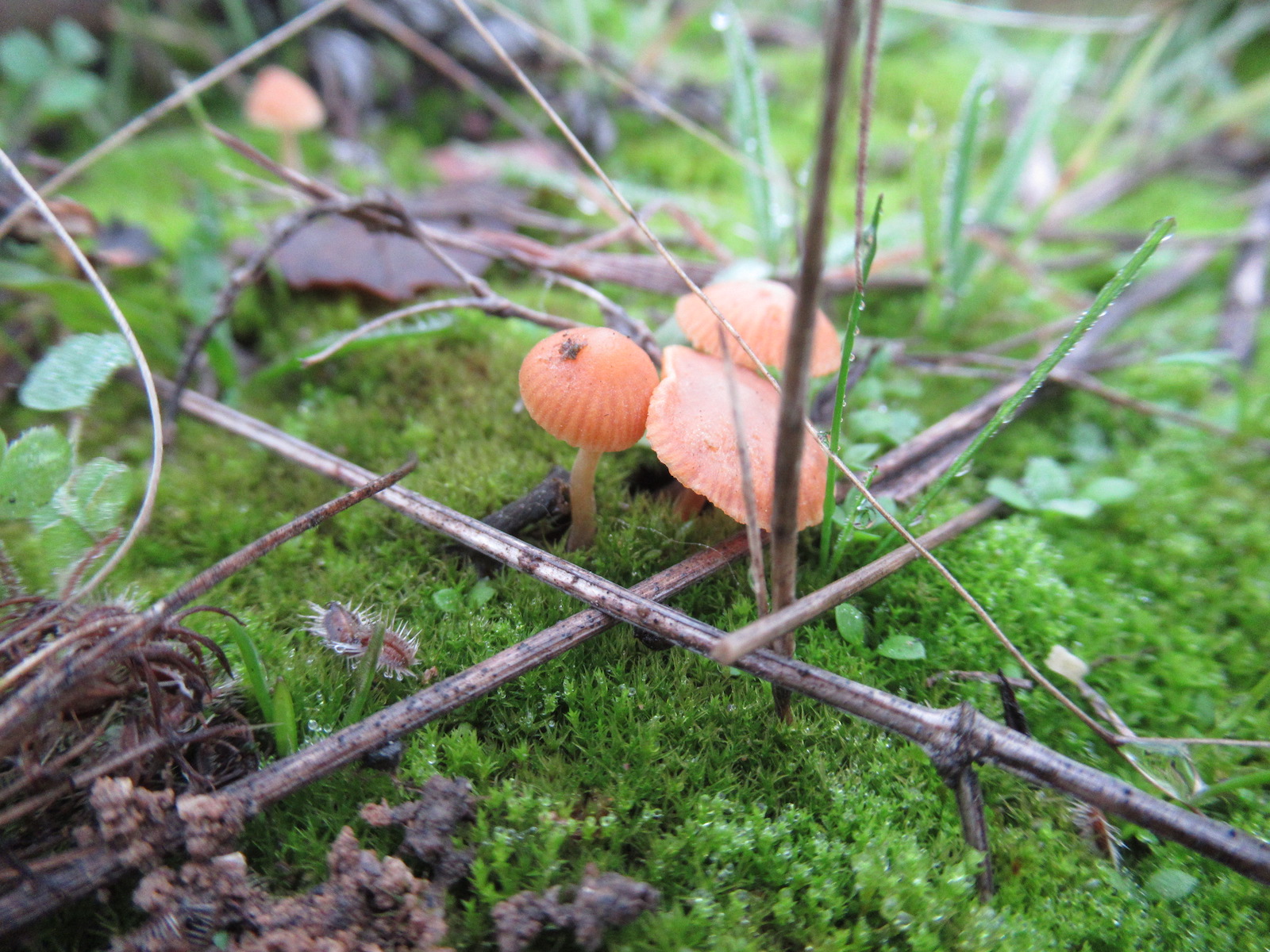
©Avalus, all rights reserved
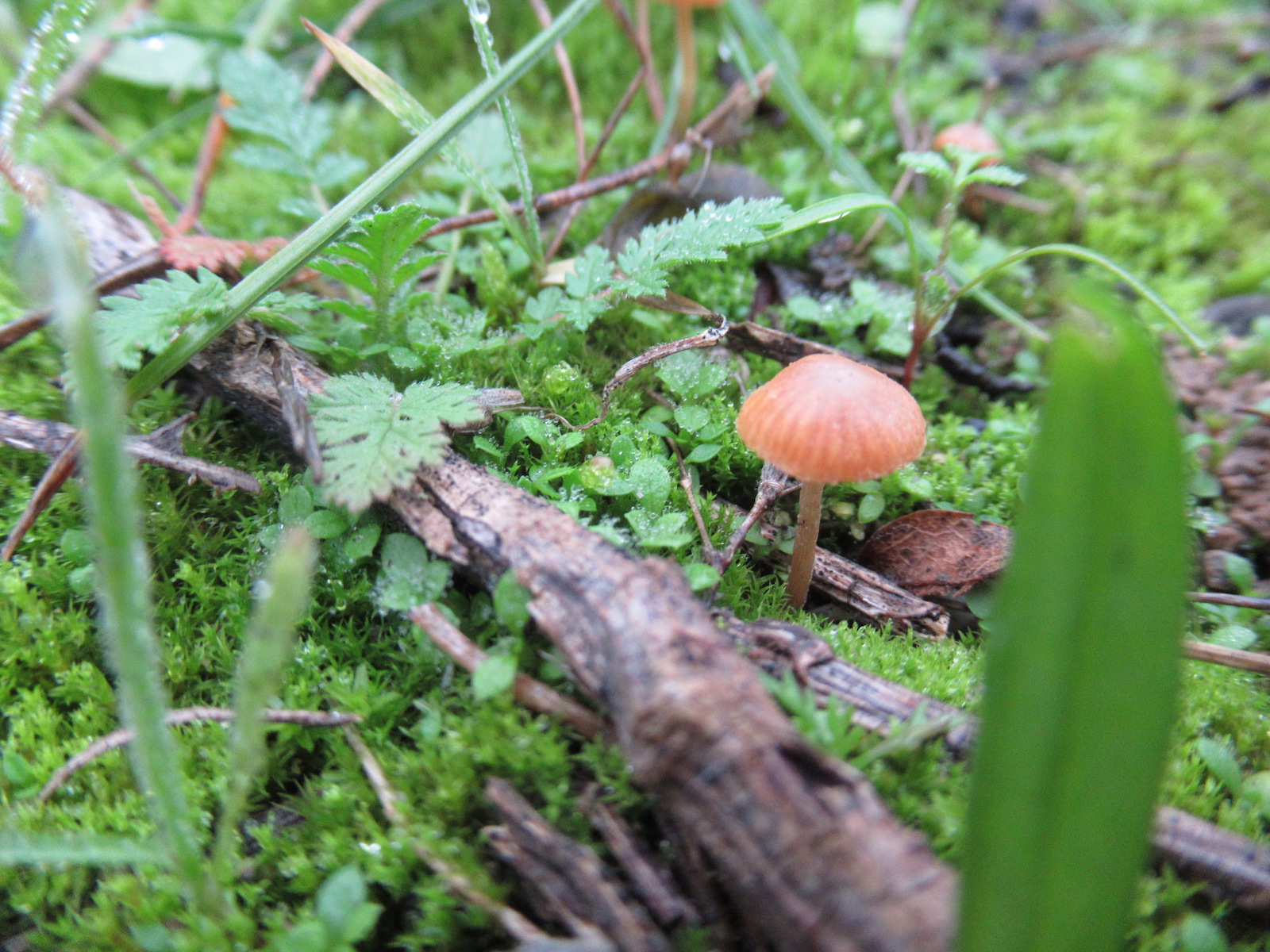
©Avalus, all rights reserved
… landscape, by Friedrich

Mondaufgang am Meer(Moonrise by the Sea), 1822, Caspar David Friedrich. Image from Wikipedia
… the nude, by Degas

Woman in a tub, 1886, Edgar Degas. Image from wiki art
… winter, by Kandinsky
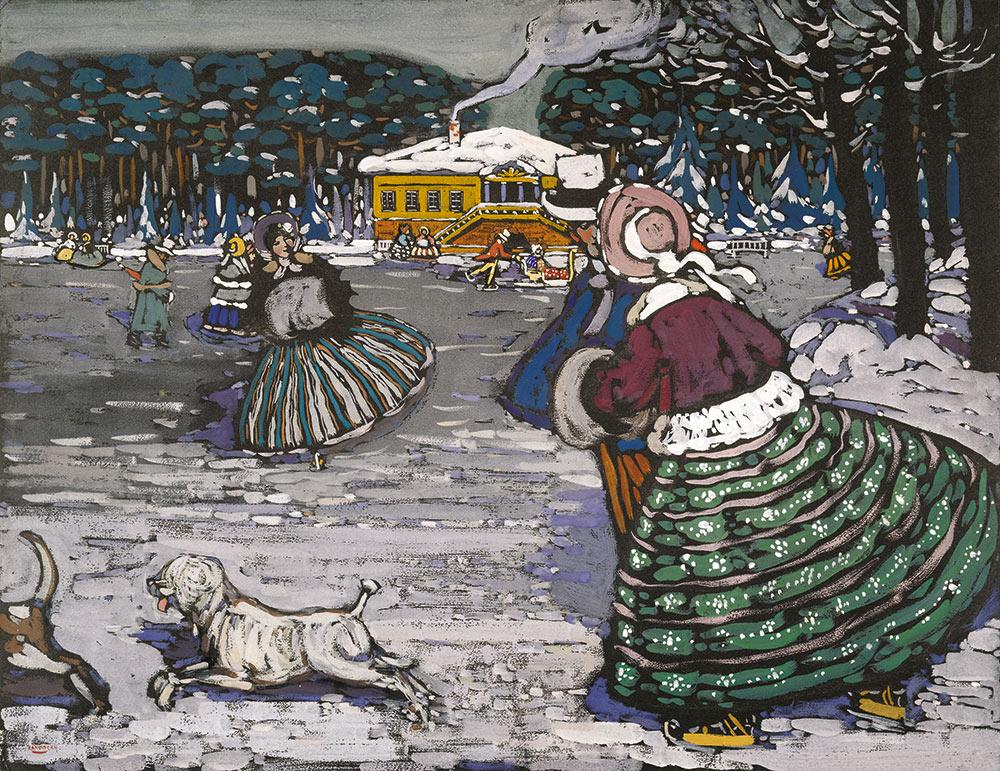
Winter, 1906, Wassily Kandinsky. Image from Kunstmuseum Bern on Twitter
Today, our reader VBFF has sent in one of her favourite trees as seen in two seasons. The tree got its name because at one point it held an impressive eagle’s nest.

Eagle Tree in Summer, ©VBFF, all rights reserved.

Eagle Tree in Autumn, ©VBFF, all rights reserved.
… winter, by Monet

Snow Scene at Argenteuil, 1875, Claude Monet. Image from wiki art
… winter, by Van Gogh.

Landscape in the snow, 1888, Vincent Van Gogh. Image from Wikiart
… First Nations, by Roy Kakegamic.

Detail from Weesahkay Jack and the Great Flood by Roy Kakegamic. Photo courtesy of Sandra Abma/CBC
Today would have been Caine’s birthday, and we’d like to celebrate it by officially designating the day as Founder’s Day here at Affinity. Caine started this blog in July of 2016, and her witty, insightful and eloquent writing coupled with her artistic talent, made the blog instantly appealing and quickly beloved. Her birthday seems like the right day to celebrate her legacy and all the gifts she shared with us. We decided as a team that we would celebrate today with a collection of photos that remind us of Caine. We hope you enjoy them and encourage you to share your memories of Caine in the comments section.
Note: This post has been updated to add 2 photographs that I missed from rq.
From Charly,
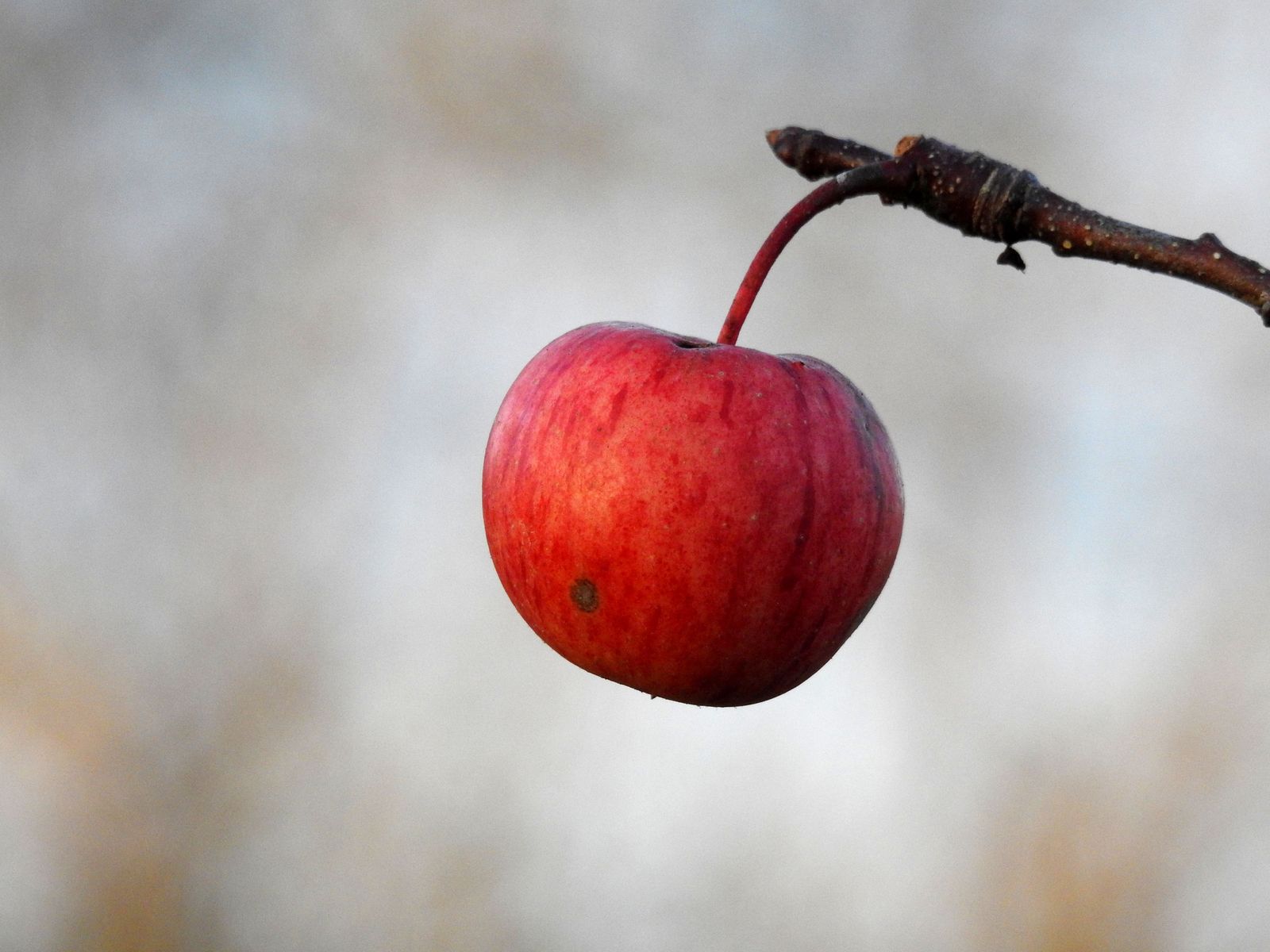
Apple, ©Charly, all rights reserved

Fall leaves,©Charly, all rights reserved

Dandelion fluff,©Charly, all rights reserved

Firebrick pile,©Charly, all rights reserved
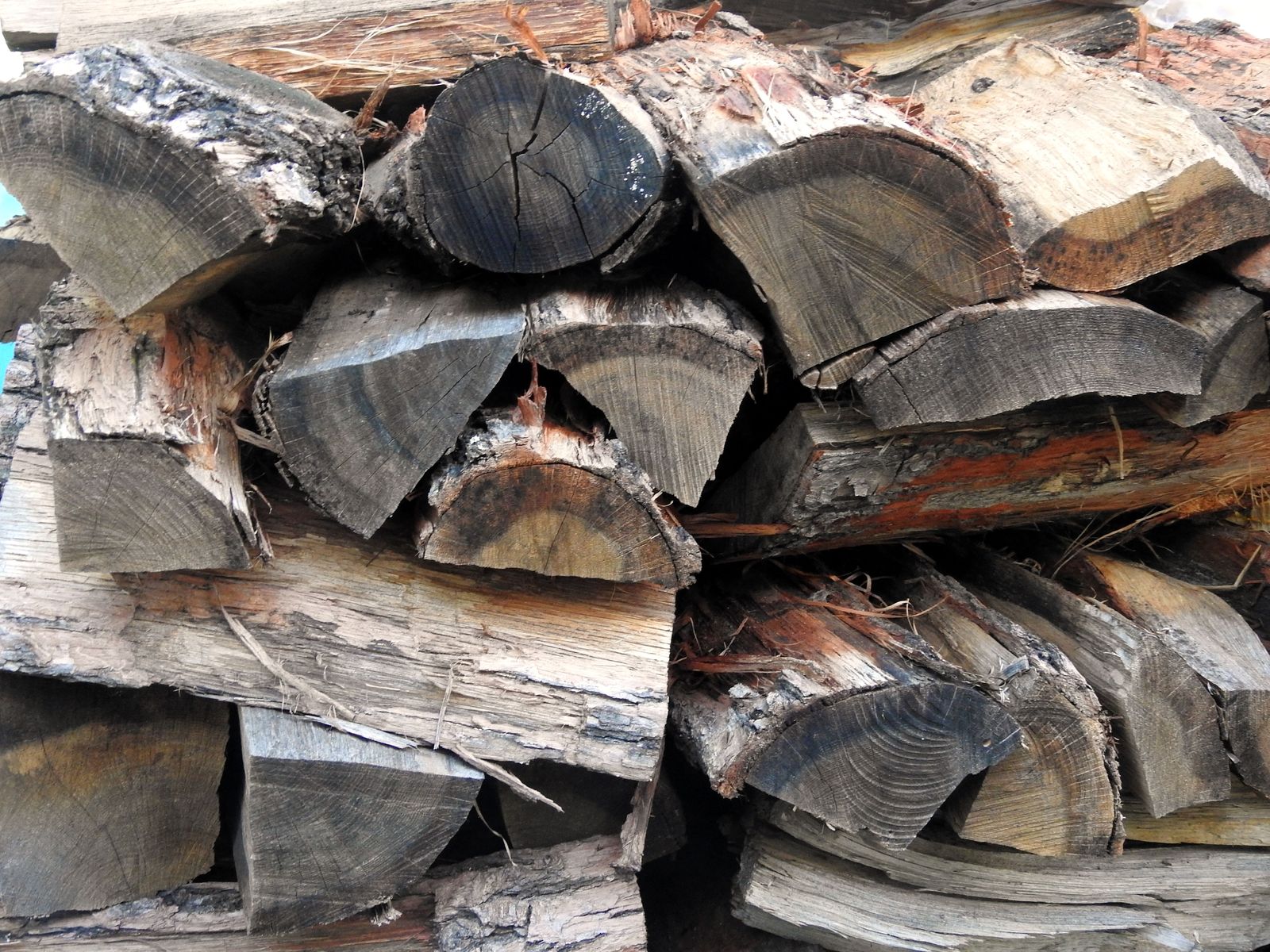
Firewood pile,©Charly, all rights reserved

Hawthorn,©Charly, all rights reserved

Sunflower,©Charly, all rights reserved

Strawberry patch,©Charly, all rights reserved
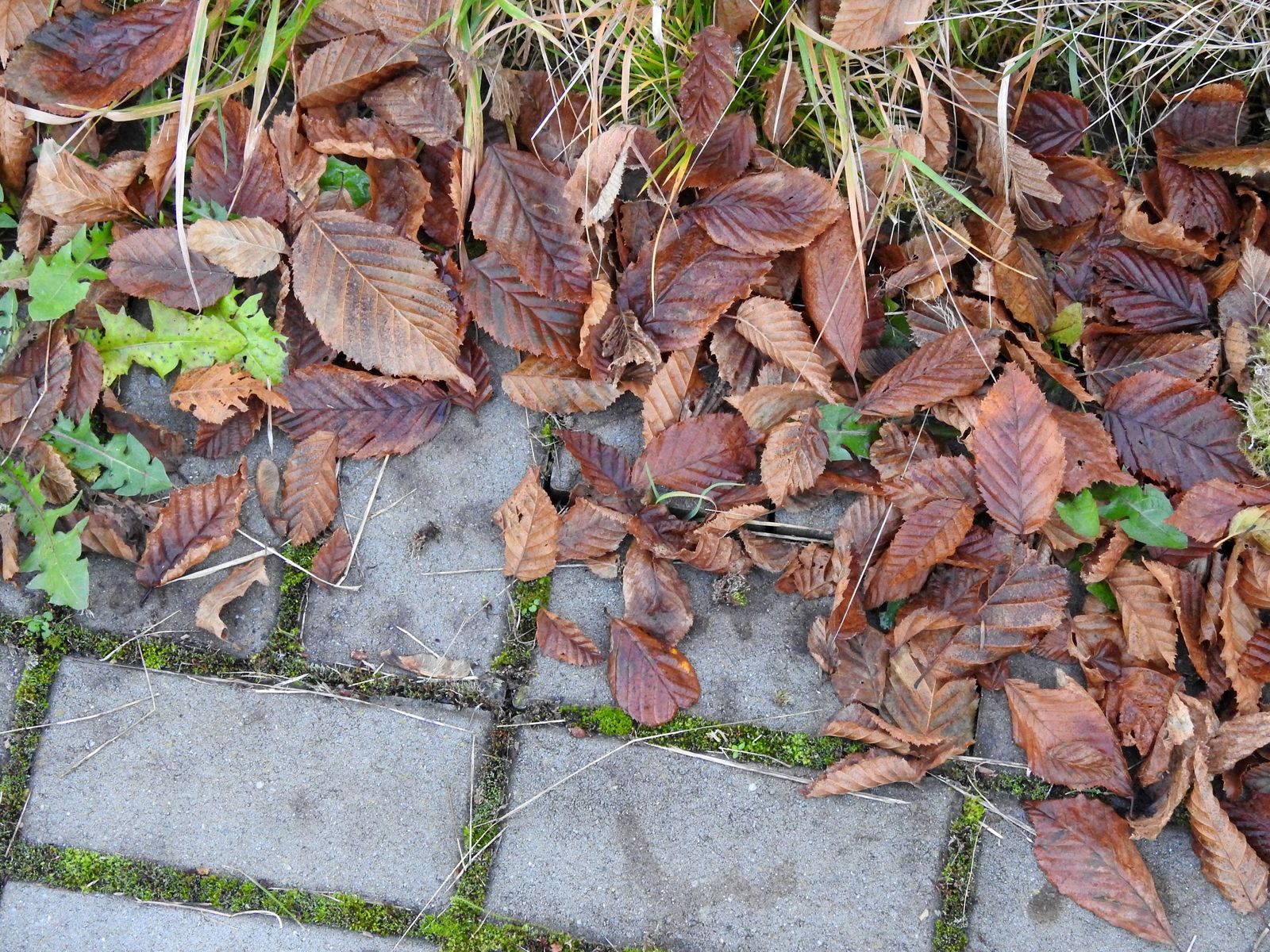
Sidewalk,©Charly, all rights reserved

Rubbish,©Charly, all rights reserved

Rotting Wood,©Charly, all rights reserved
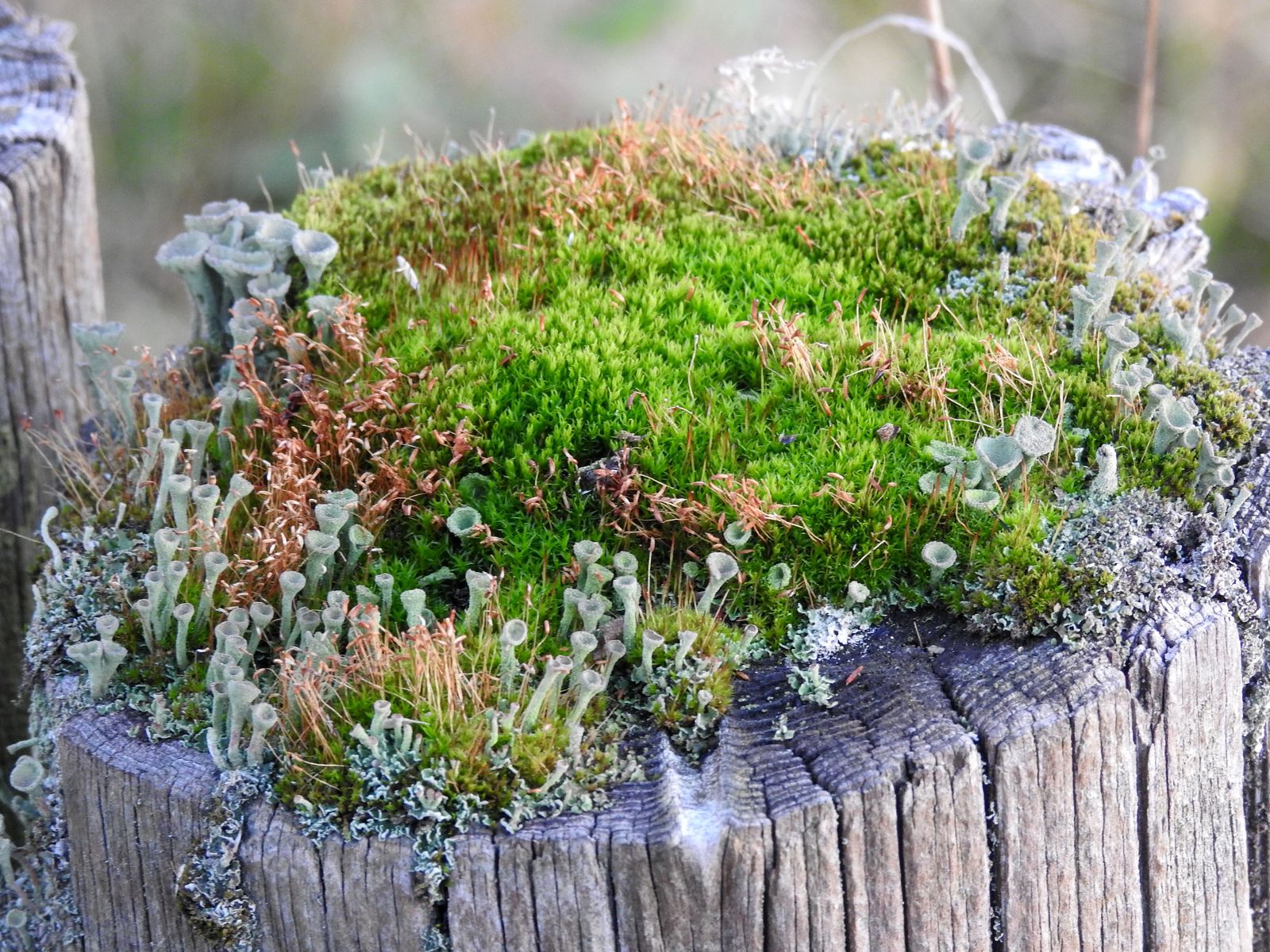
Moss Garden,©Charly, all rights reserved
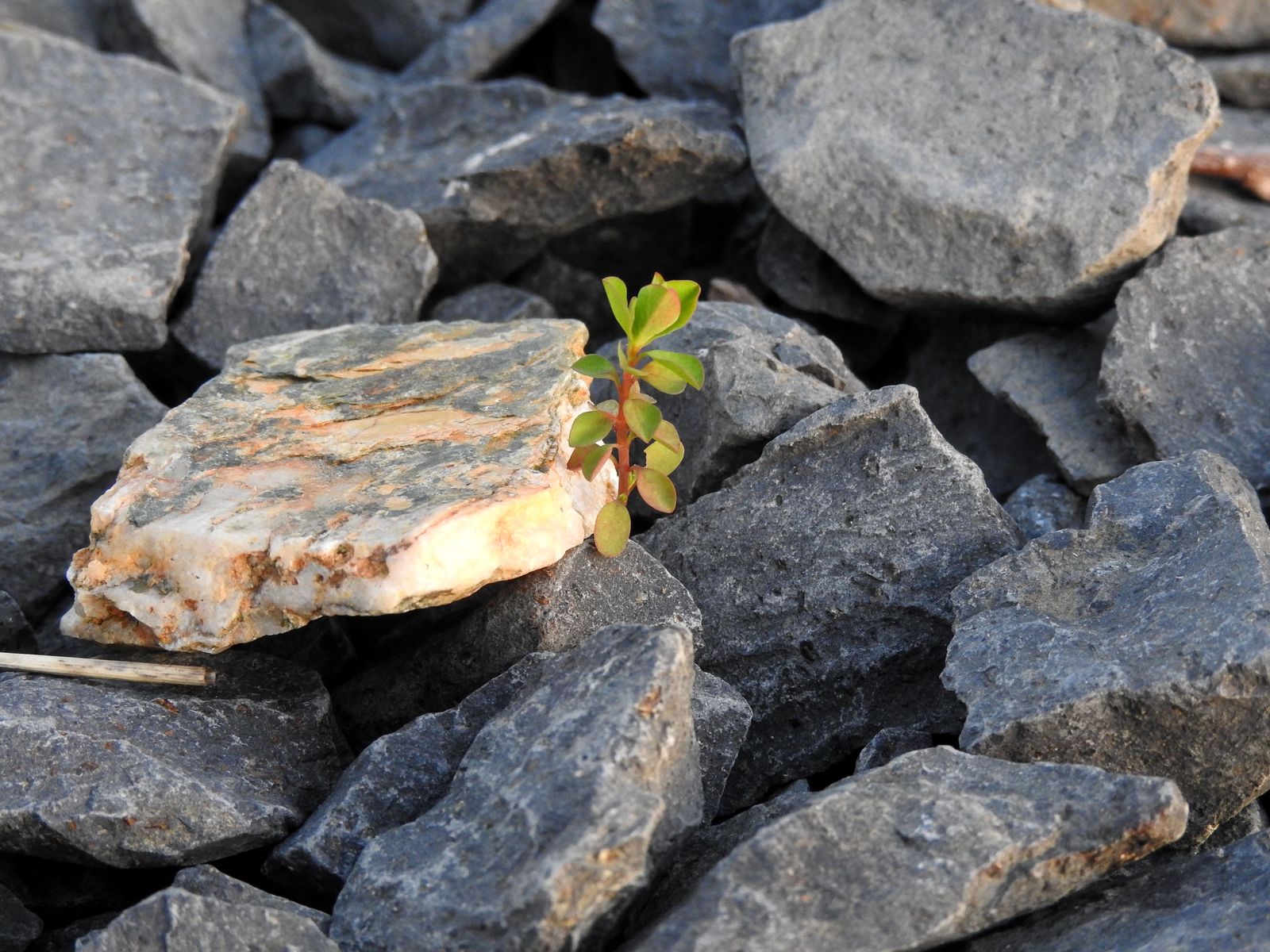
Lonely plant,©Charly, all rights reserved
From Giliell,
Caine taught me to look at things, really look at them. Oh, she loved the grand, spectacular shots, but she also had an amazing eye for the small things, the things people would just walk by, but that are also just as beautiful.

©Giliell, all rights reserved. Dimensions
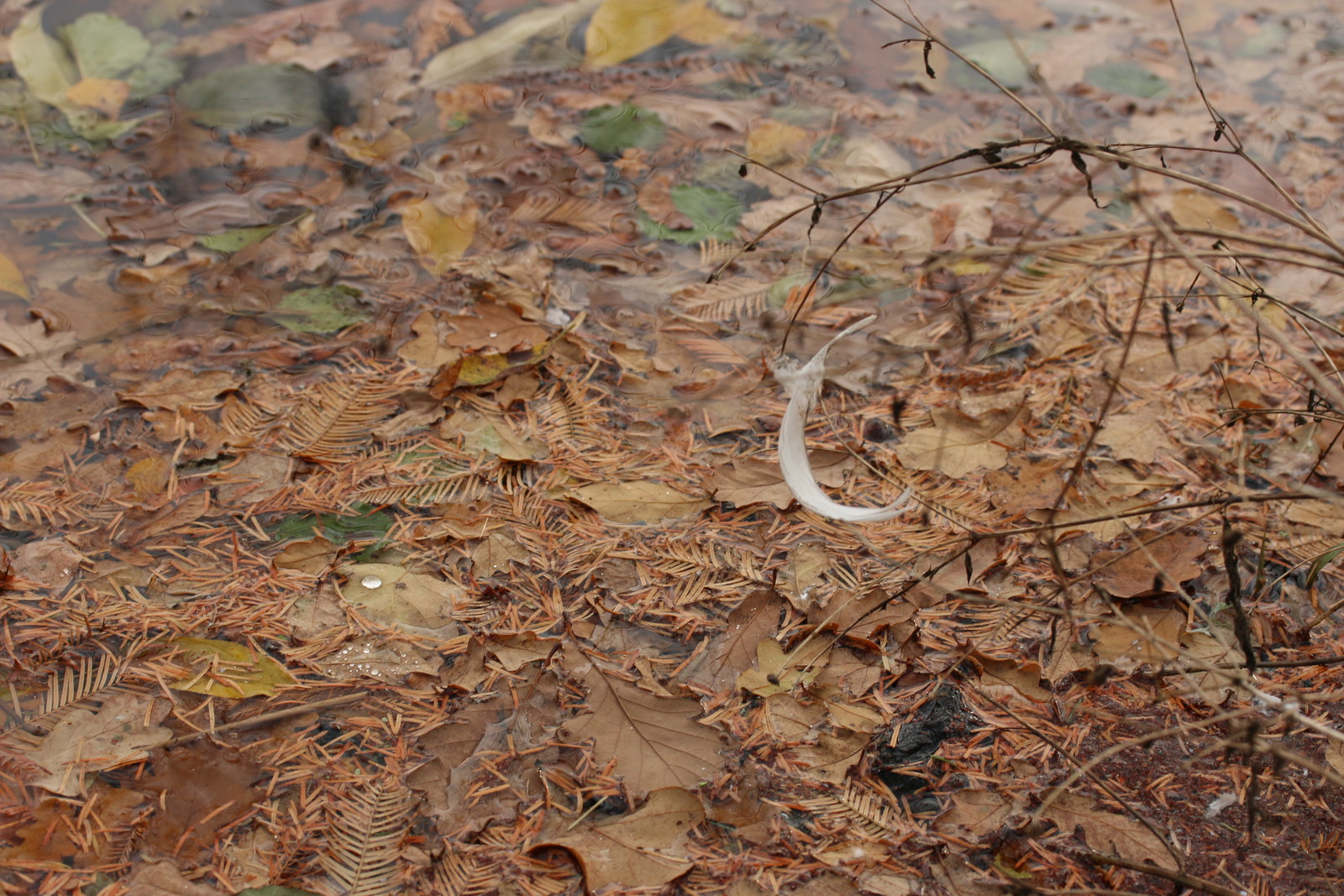
©Giliell, all rights reserved. A fleeting moment in time

©Giliell, all rights reserved. Tree bark
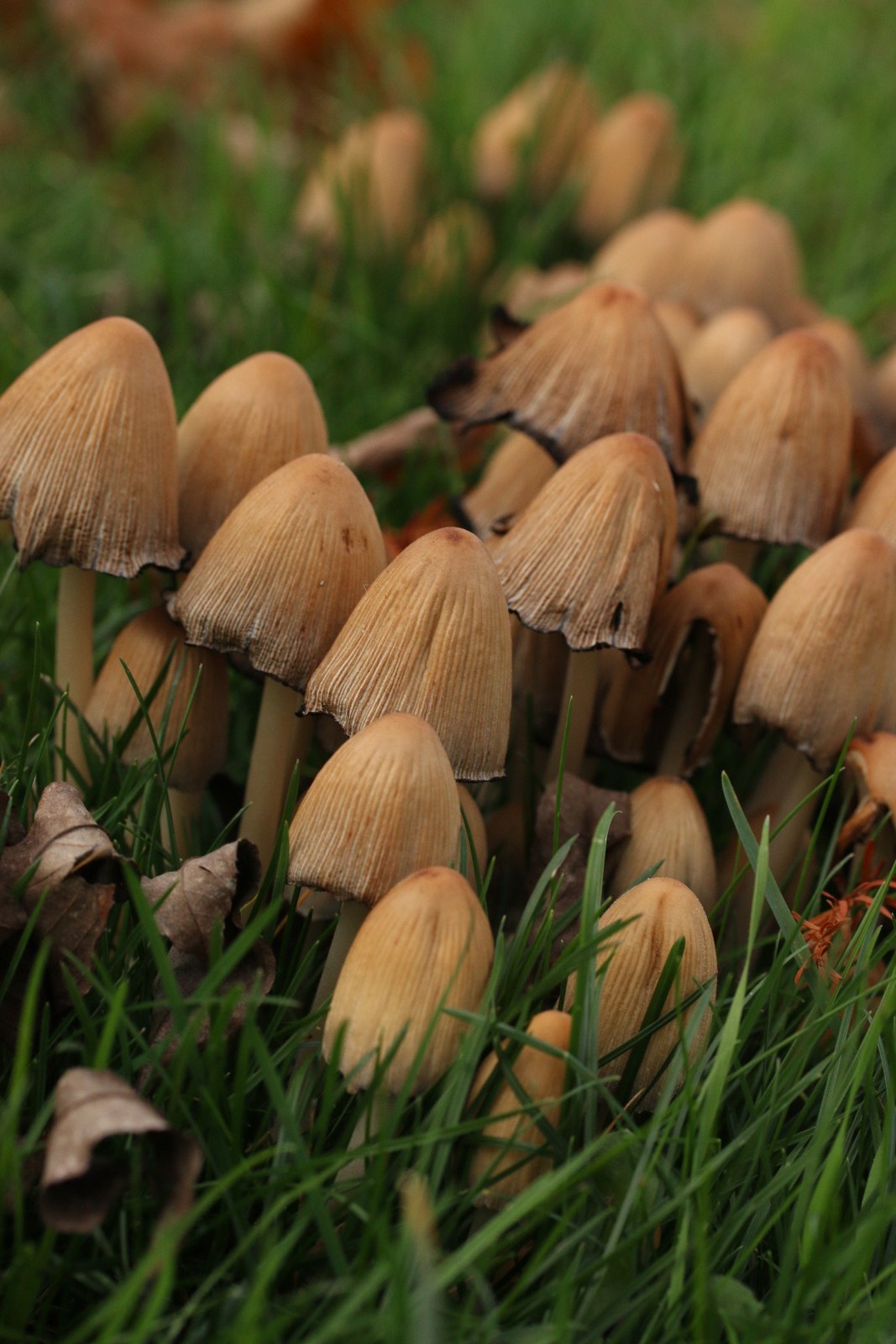
©Giliell, all rights reserved. A fairy castle

©Giliell, all rights reserved. Colours. Two varieties of the same plant

©Giliell, all rights reserved. Candy in paradise

©Giliell, all rights reserved. Estelle loves running
From rq,

Daffodils in the snow ©rq, all rights reserved.
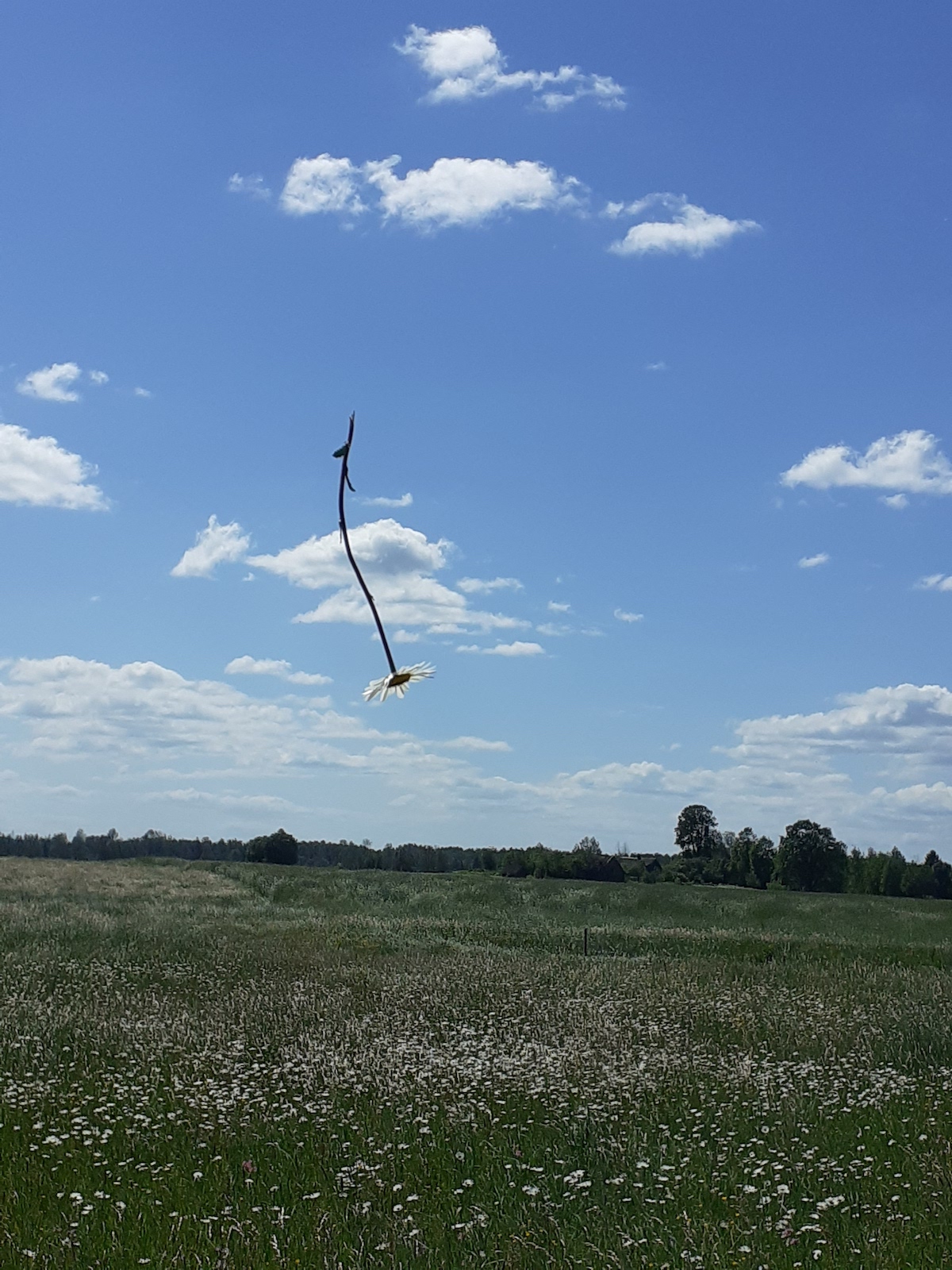
Because Caine loved daisies ©rq, all rights reserved.

the hoverfly because flowers + insects and the spring’s first dandelion will be along soon ©rq, all rights reserved.
From Voyager,
I find it hard to put into words the way that Caine impacted my life. Much like Charly, I was in a bad place when I started blogging here. I’d been sick for years and struggling, but Caine believed in me and was endlessly supportive during a time when her own life was full of pain and turmoil. That support helped me redefine myself as something besides being chronically ill and this beautiful blog that she bequeathed to us continues to nurture me. I thank her for the gift of seeing the beauty in common things and for allowing me to become a part of the wonderful community that she created.
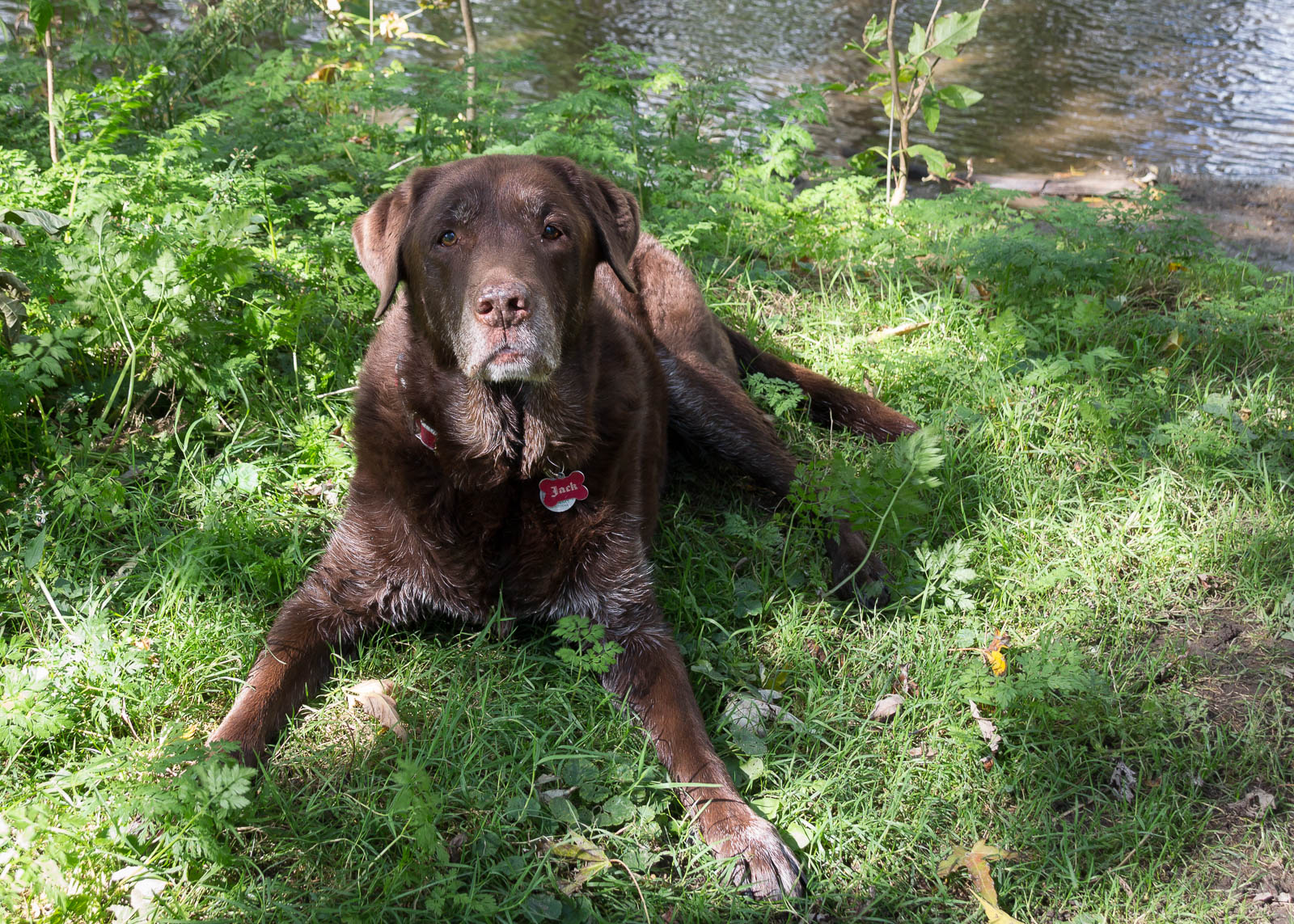
My boy Jack who started it all ©voyager, all rights reserved.
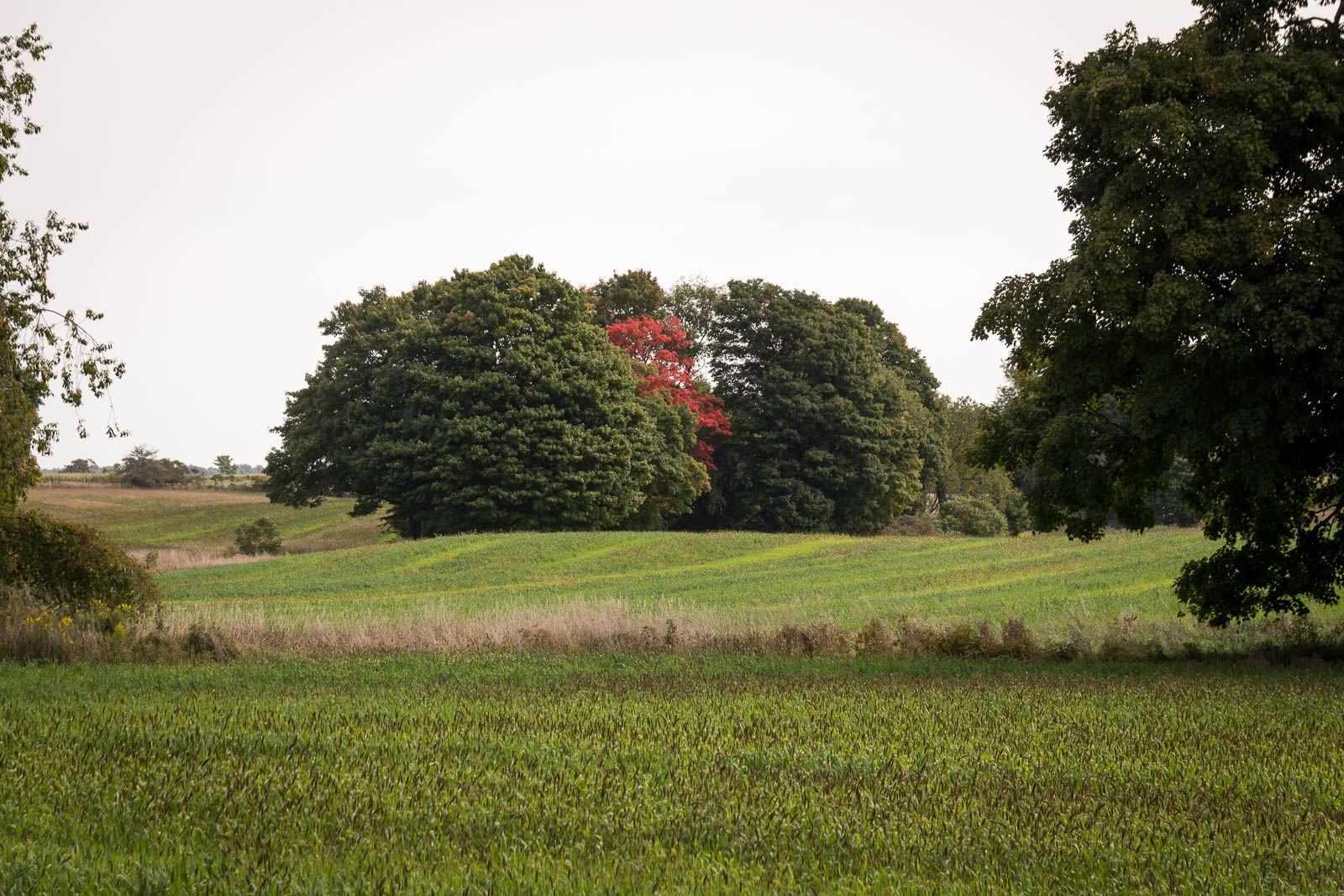
A touch of red ©voyager, all rights reserved.

My favourite cathedral ©voyager, all rights reserved.

Frog pond in colour ©voyager, all rights reserved.

Jack doing what he loves best ©voyager, all rights reserved.

A bit of reflection,©voyager, all rights reserved

Fire on the water©voyager, all rights reserved.
