From rq, click for full size!

© rq, all rights reserved.

From rq, click for full size!
© rq, all rights reserved.
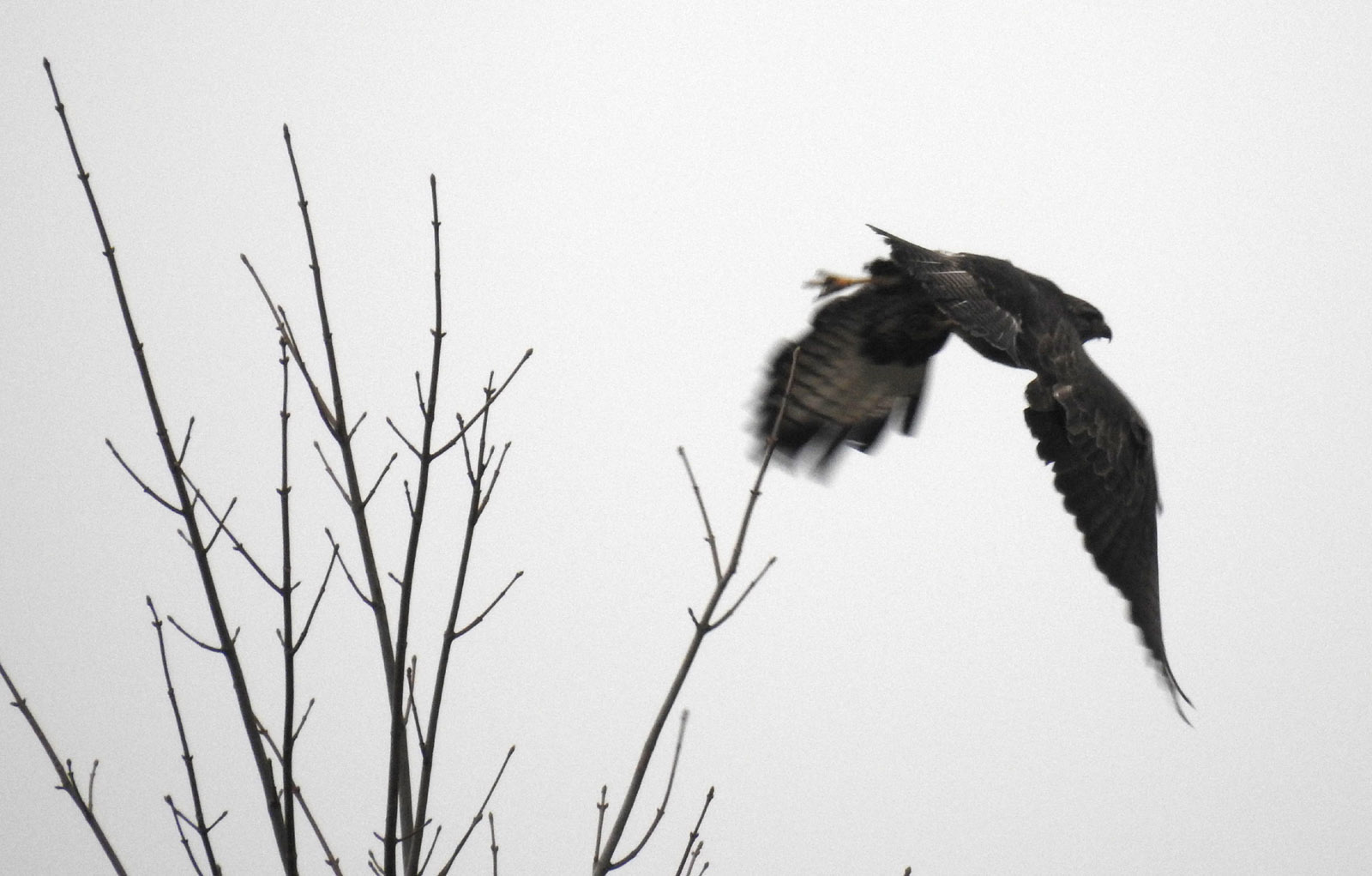
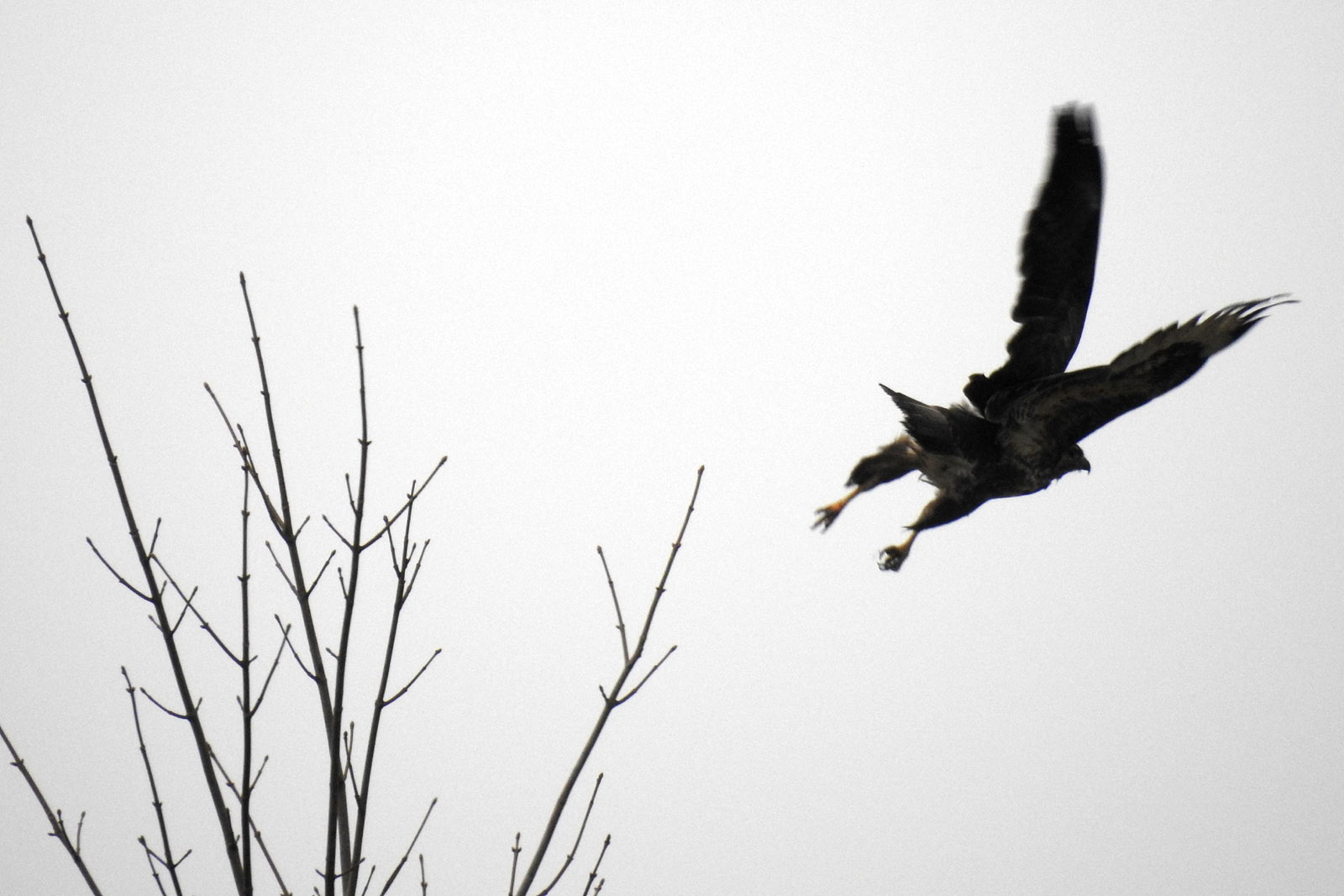
From Charly, click for full size! Oh, that second shot!



© Charly, all rights reserved.
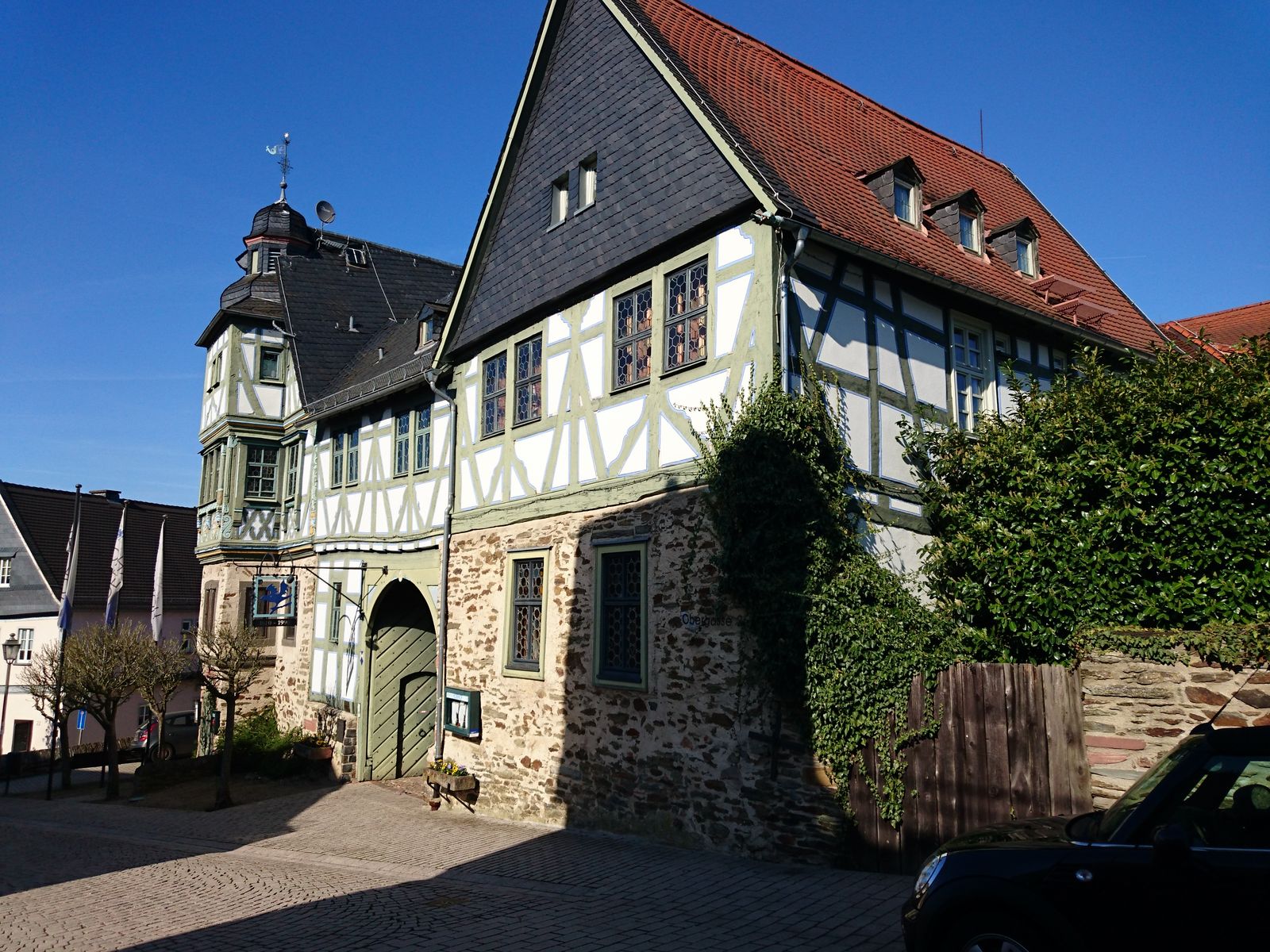
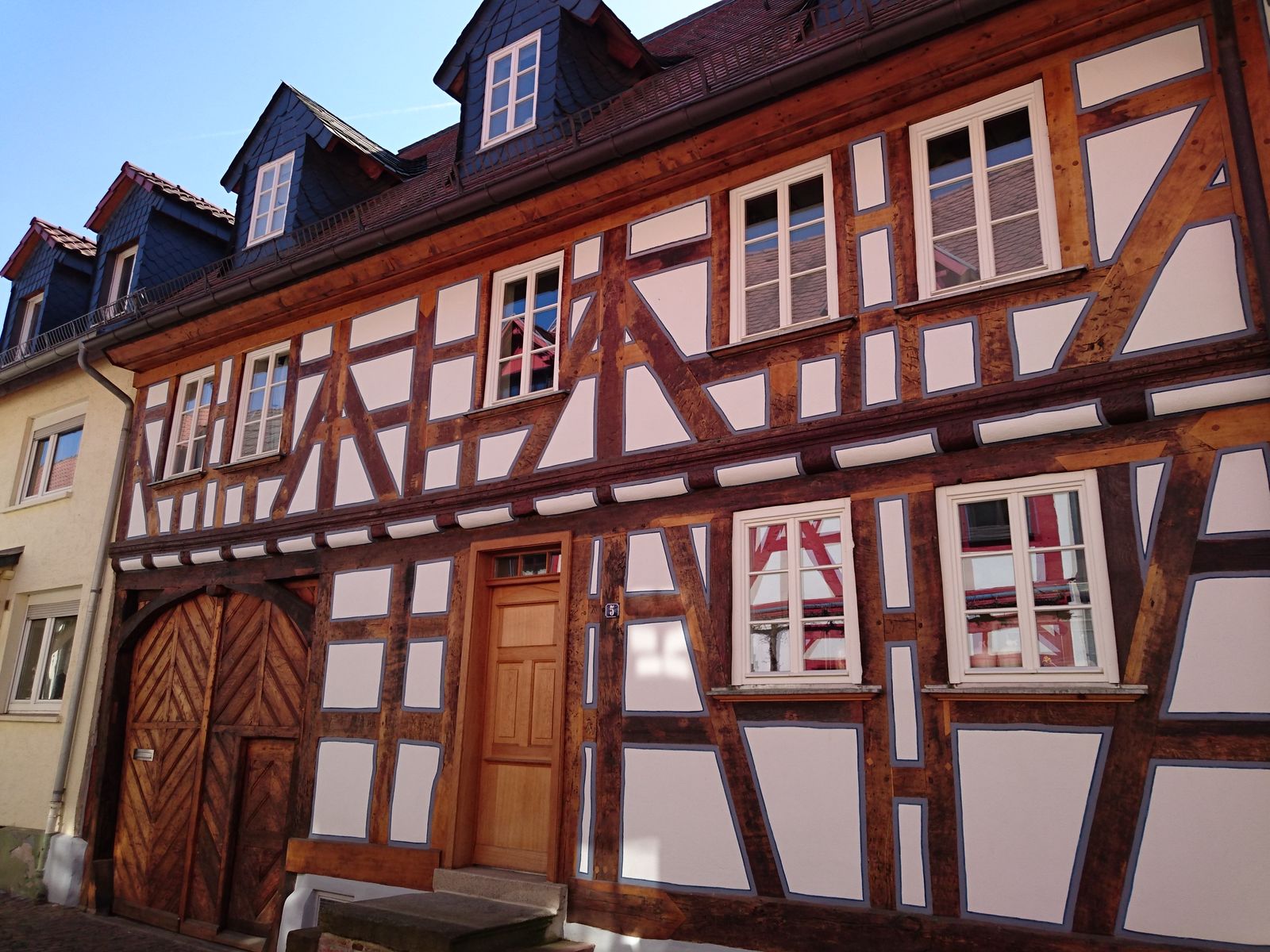
Ein Fachwerkhaus is the German term for what could be considered a typical medieval building – a frame made of beams with the gaps filled with bricks and mortar. They are in many places in CZ, but it seems to me they are much, much more common in Germany. And Idstein is certainly full of them.
What I found most interesting is the fact that some houses were built from straight timber with precise symmetric angles and all the lines straight. And others had completely irregular beams incorporated in the frame, or they were slanted in different directions like they were drunk.
These all are beautiful buildings but I would not like to live in one of them. The hotel at which we resided was not timber frame house, but it was a very old building. This means there were no right angles anywhere and all the floors were wavy and sloped in different directions. I would not mid the odd angles much but I found walking on sloped and uneven floor slightly disconcerting and uncomfortable.
Not to mention the huge amount of work that has to be invested in maintaining these buildings.


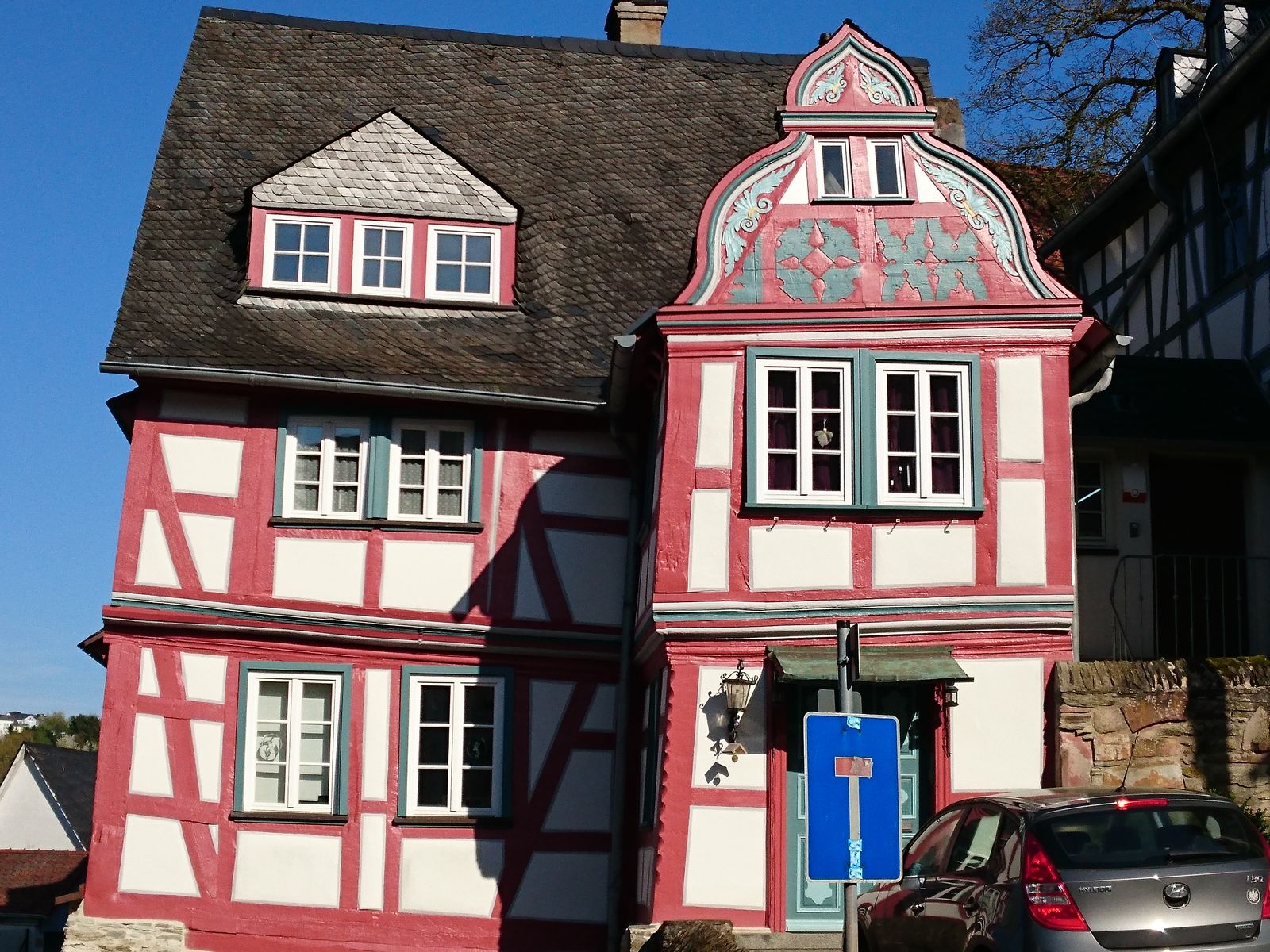
©Charly, all rights reserved. Click for full size.
Jack and I strolled through the tulips at the park today. Our city plants thousands of bulbs every fall and they vary the colour from year to year so it’s always a surprise in the spring to see what opens up. This year it’s purple, my favourite, and the best part is that once they’ve finish blooming the city will sell all the bulbs at a good price. They start again with new bulbs in the fall and local residents get the pleasure of more tulips around the whole city.
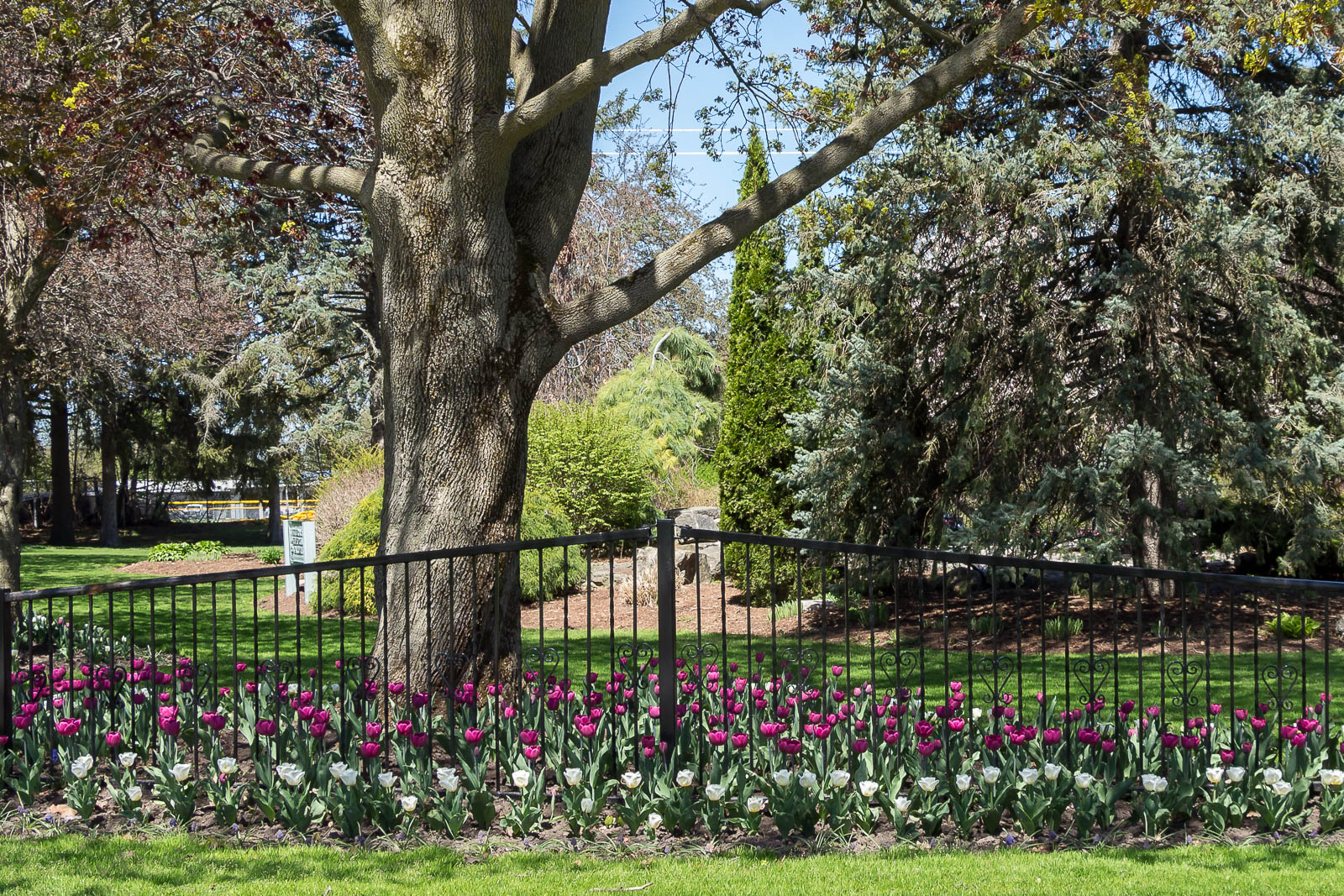

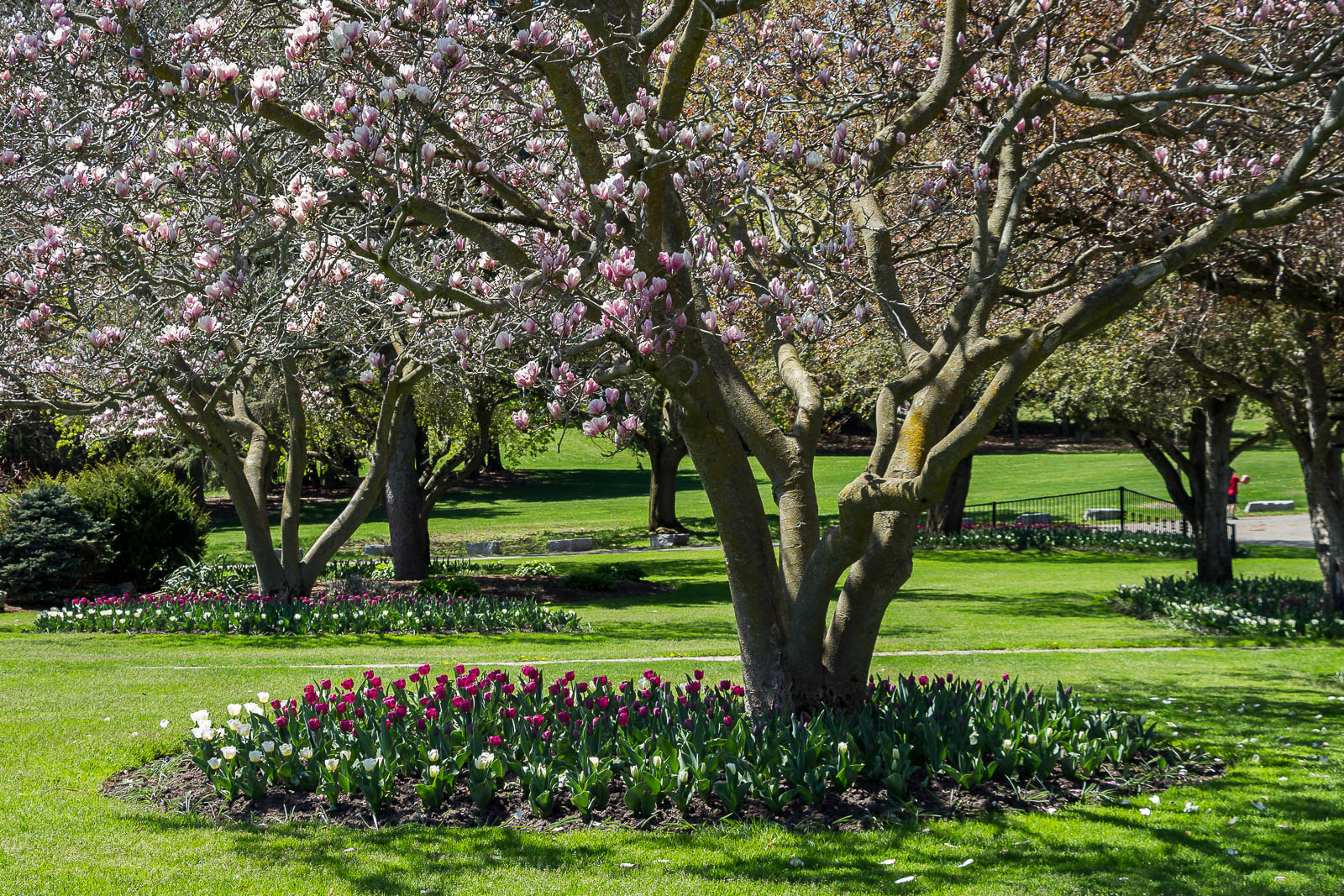
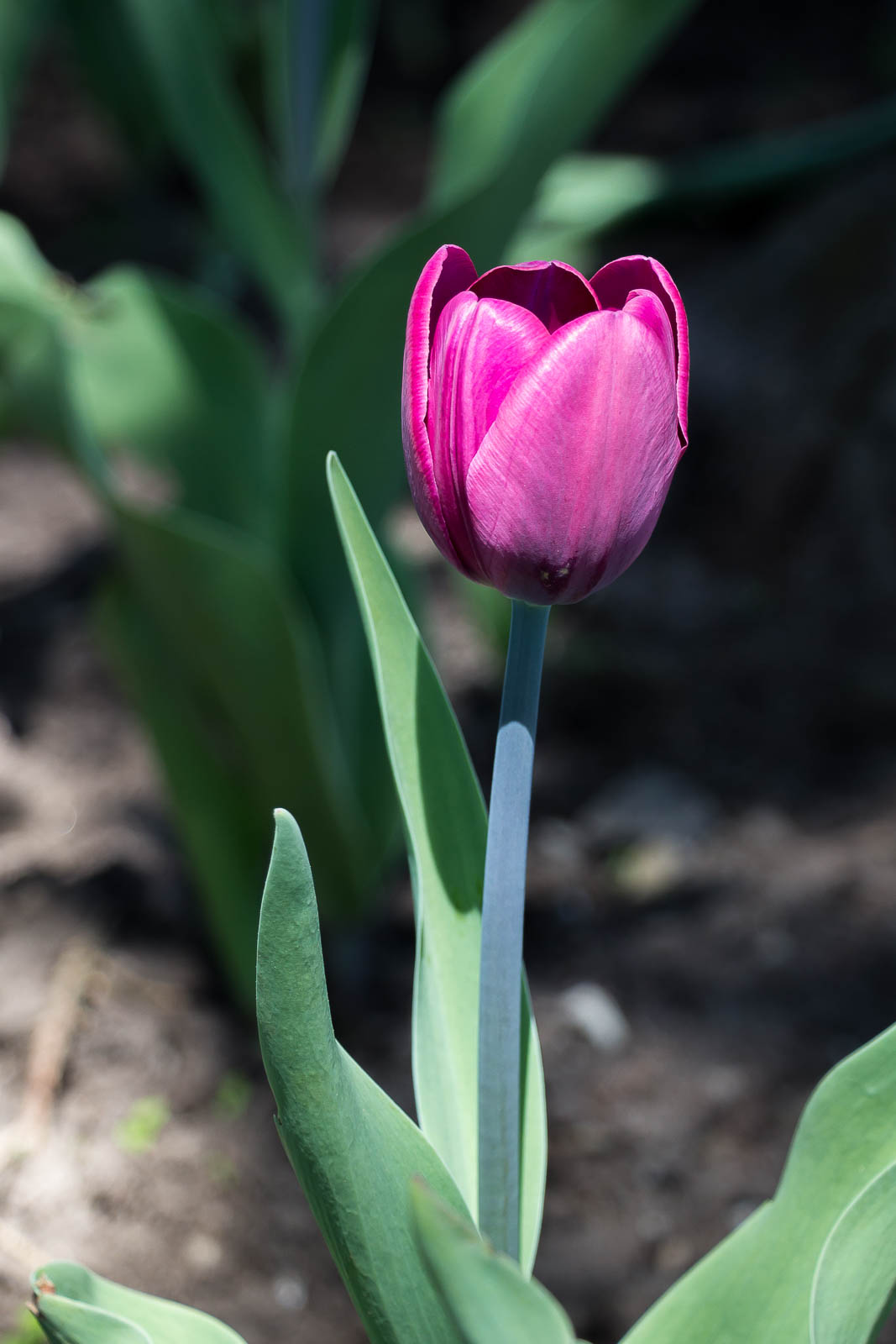
©voyager, all rights reserved
Quercus suber.
Quercus suber is the scientific name for the cork oak, a remarkable tree. Unlike the aforementioned Eucalyptus, the cork oak is native to southwest Europe (and northwest Africa). Interestingly, both trees are classified as pyrophytes, plants that are adapted to tolerate and resist fire. But while the Eucalyptus is considered an active pyrophyte that promotes the spread of forest fires through the production of inflammable oils, the cork oak is a passive pyrophyte that resists the passage of fire through its thick and insulating bark (cork). The canopy burns, but the trunk doesn’t and the tree quickly regenerates. If the tree doesn’t burn, every 7-10 years cork can be extracted in a process that doesn’t harm the tree and will promote the regrowth of a new layer of cork. Cork extraction is a sustainable practice and cork oak forests, minimally intervened for cork extraction purposes every decade or so, support unique and rich ecosystems.
This photo shows a relatively young oak tree from which cork has been recently extracted for the first time (this is called “virgin” cork and is of less quality than the one obtained in subsequent extractions). Below, the bark layer left after cork extraction that is of a gorgeous russet colour, and above it the cork of the upper trunk and branches that has been left.
All I have to say is WOW! Click for full size!

© Nightjar, all rights reserved.
From Giliell, click for full size!


© Giliell, all rights reserved.
From Giliell, click for full size!

© Giliell, all rights reserved.
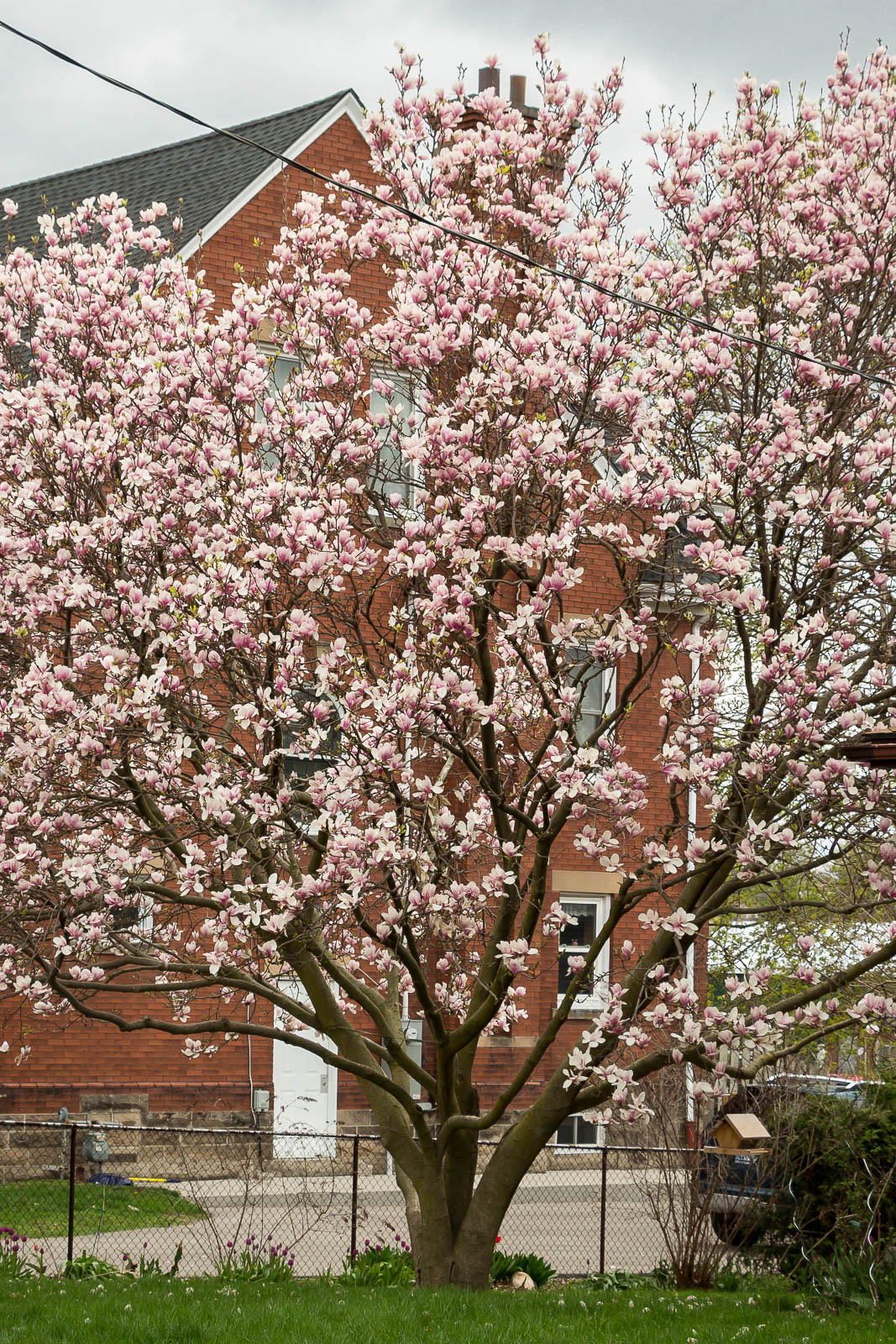
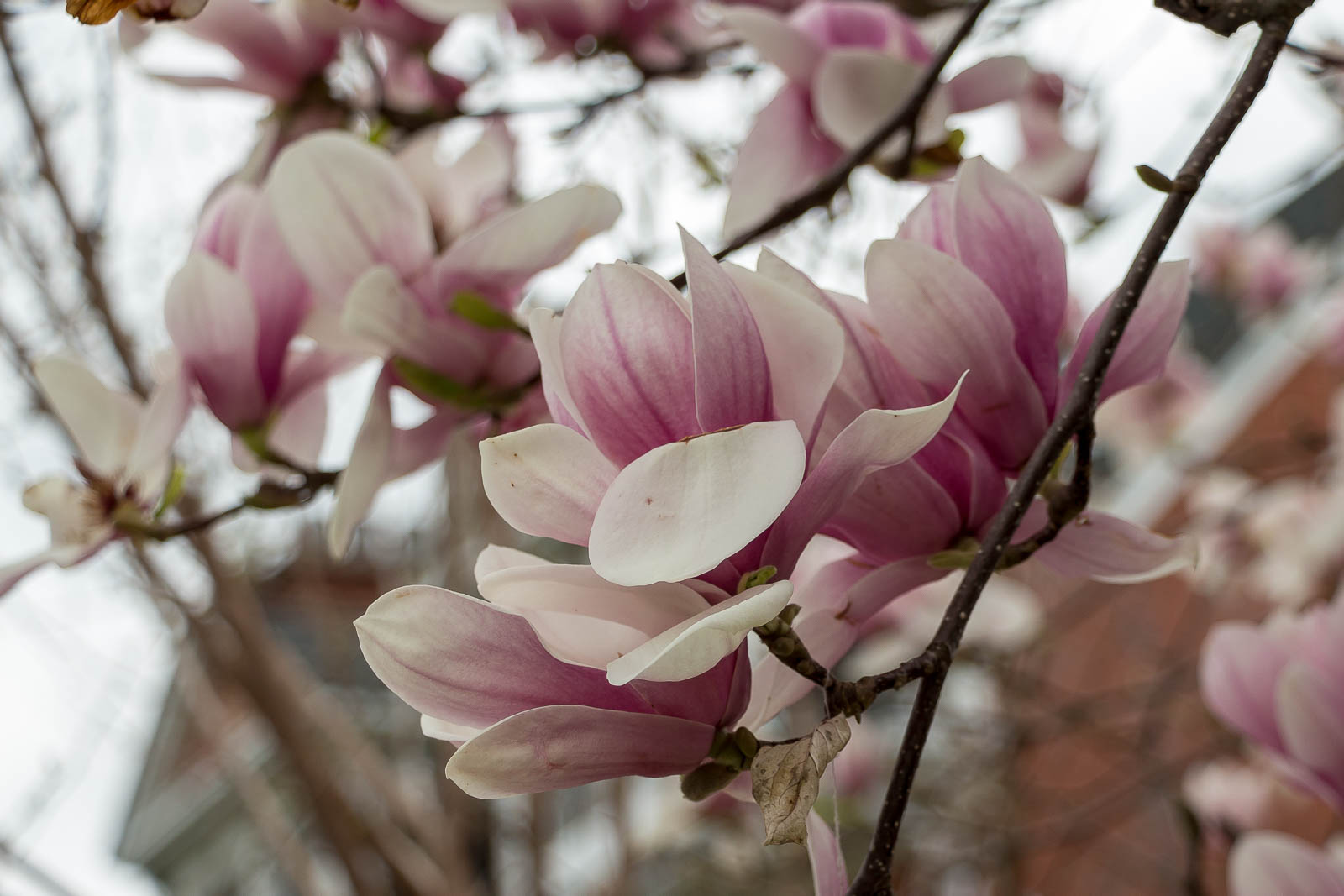
I’ve been waiting to photograph this tree in sunlight, but the weather is not co-operating. This tree is glorious, but the blooms are already starting to drop so rather than wait for better light I took the photos today.
©voyager, all rights reserved
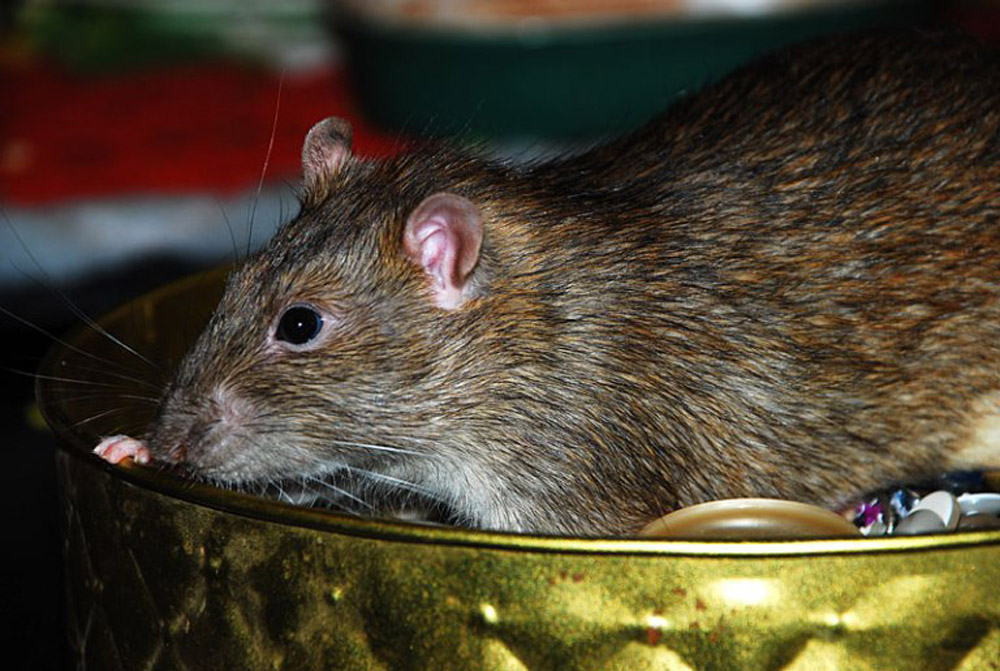
My darling Chester, having fun in the button tin.


© C. Ford, all rights reserved.
Posing. Pisco, Portuguese for robin.
An European Robin, Erithacus rubecula, making a break from insect hunting to pose for the camera. The name “pisco” applies to several different insectivorous birds and is usually followed by a qualifier, redbreast in this case, but there are also the “bluebreast” (bluethroat, Luscinia svecica), “bluetail” (Tarsiger cyanurus) and “blacksmith” (redstart, Phoenicurus ochruros). However, if someone says only “pisco” and nothing else, they are almost certainly referring to this bird.
Click for full size!

© Nightjar, all rights reserved.
So delicate and beautiful, from Giliell, click for full size!


© Giliell, all rights reserved.
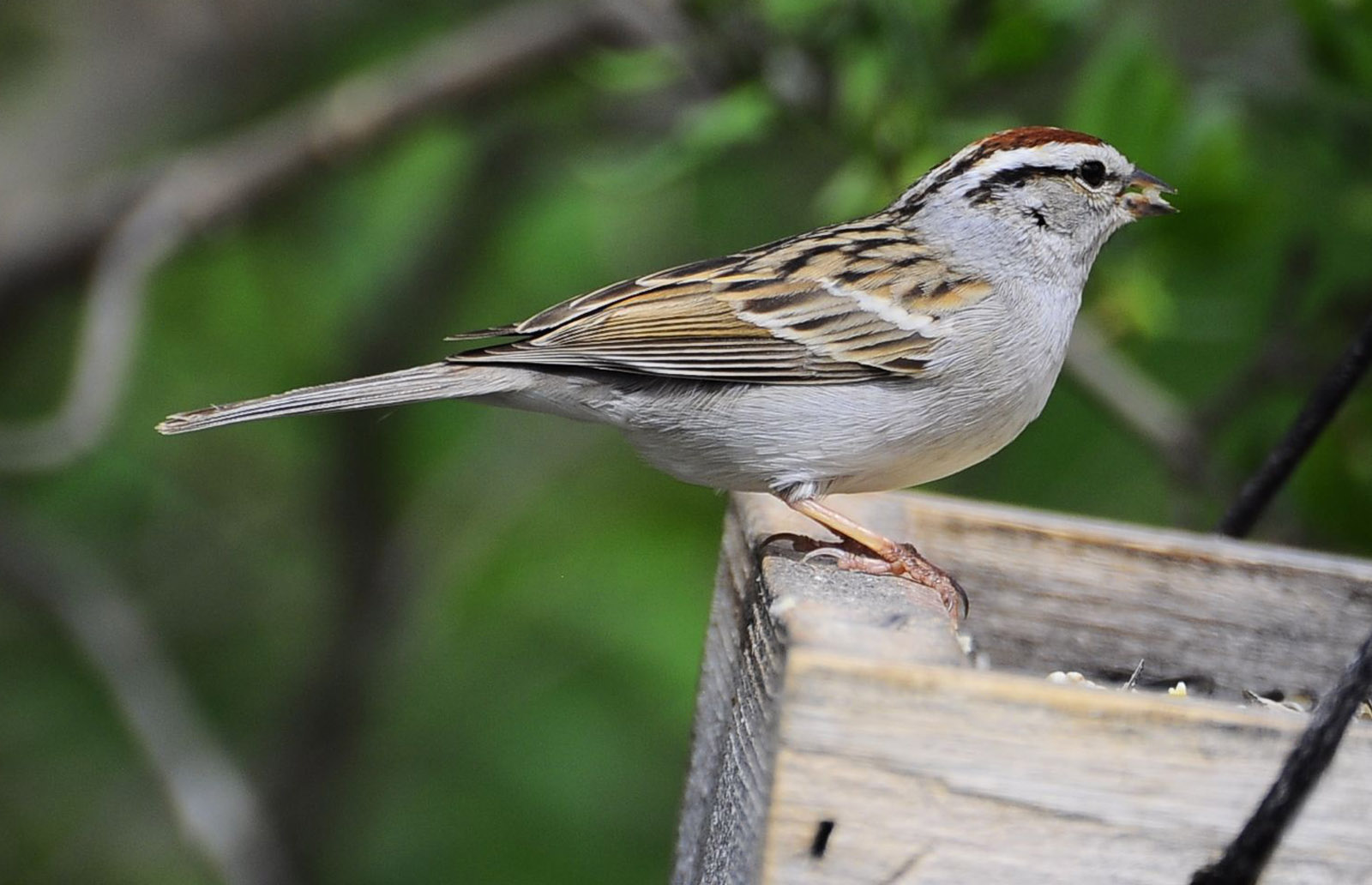
Chipping Sparrow, click for full size.
© C. Ford.
It’s been overcast most of the day, but the sun did come out just long enough for Jack and I to have a lovely wander around the park. For once, our timing was good.

©voyager, all rights reserved