It’s been overcast most of the day, but the sun did come out just long enough for Jack and I to have a lovely wander around the park. For once, our timing was good.

©voyager, all rights reserved

It’s been overcast most of the day, but the sun did come out just long enough for Jack and I to have a lovely wander around the park. For once, our timing was good.
©voyager, all rights reserved
Jack and I decided to walk along the creek today and we found a big surprise. Goslings! They’re very young and we could only find the one family today, but there will certainly be more soon.
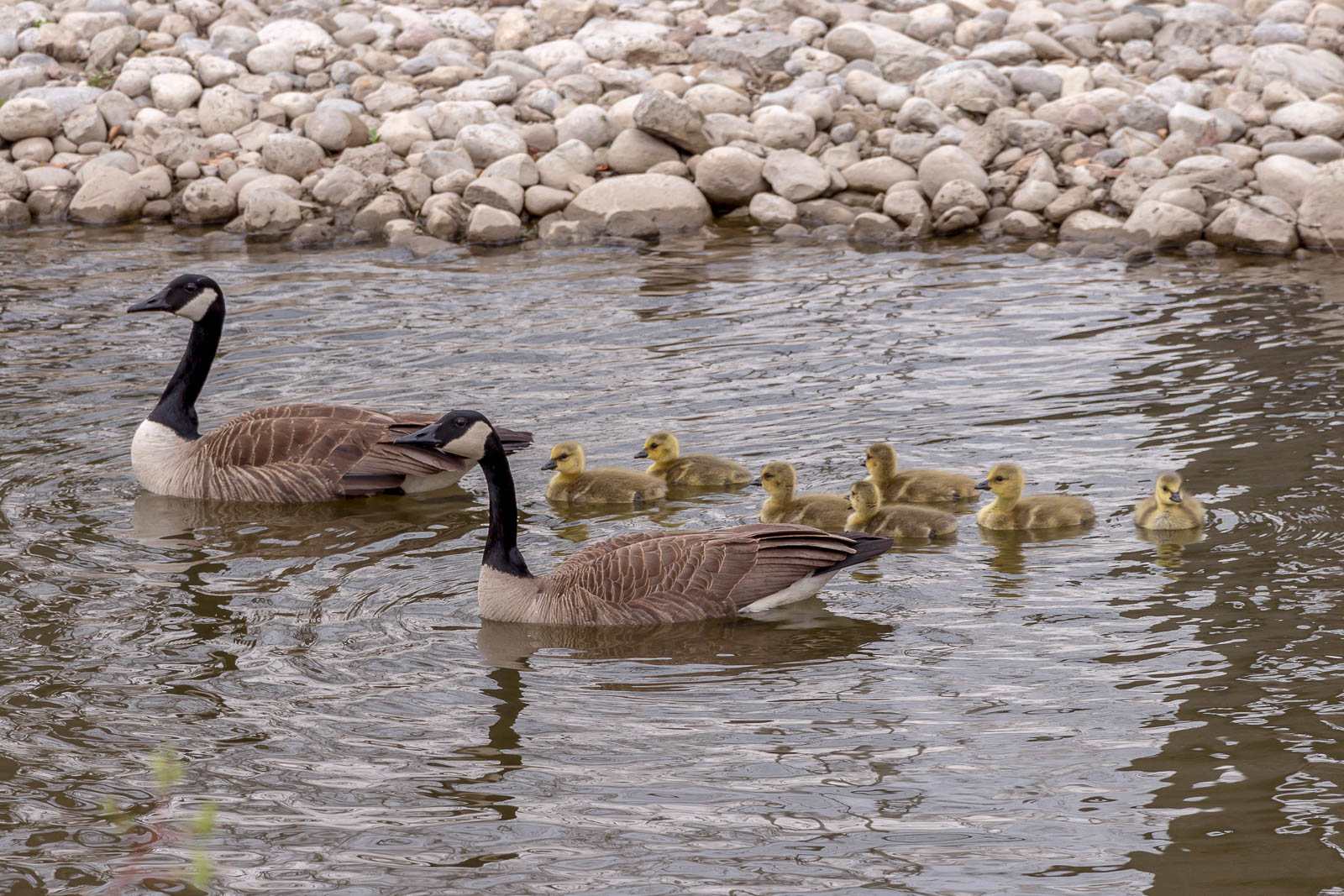
©voyager, all rights reserved
We spied on one of the swans while he was preening this morning. Well, I spied on the swan while Jack was sniffing the lawn.
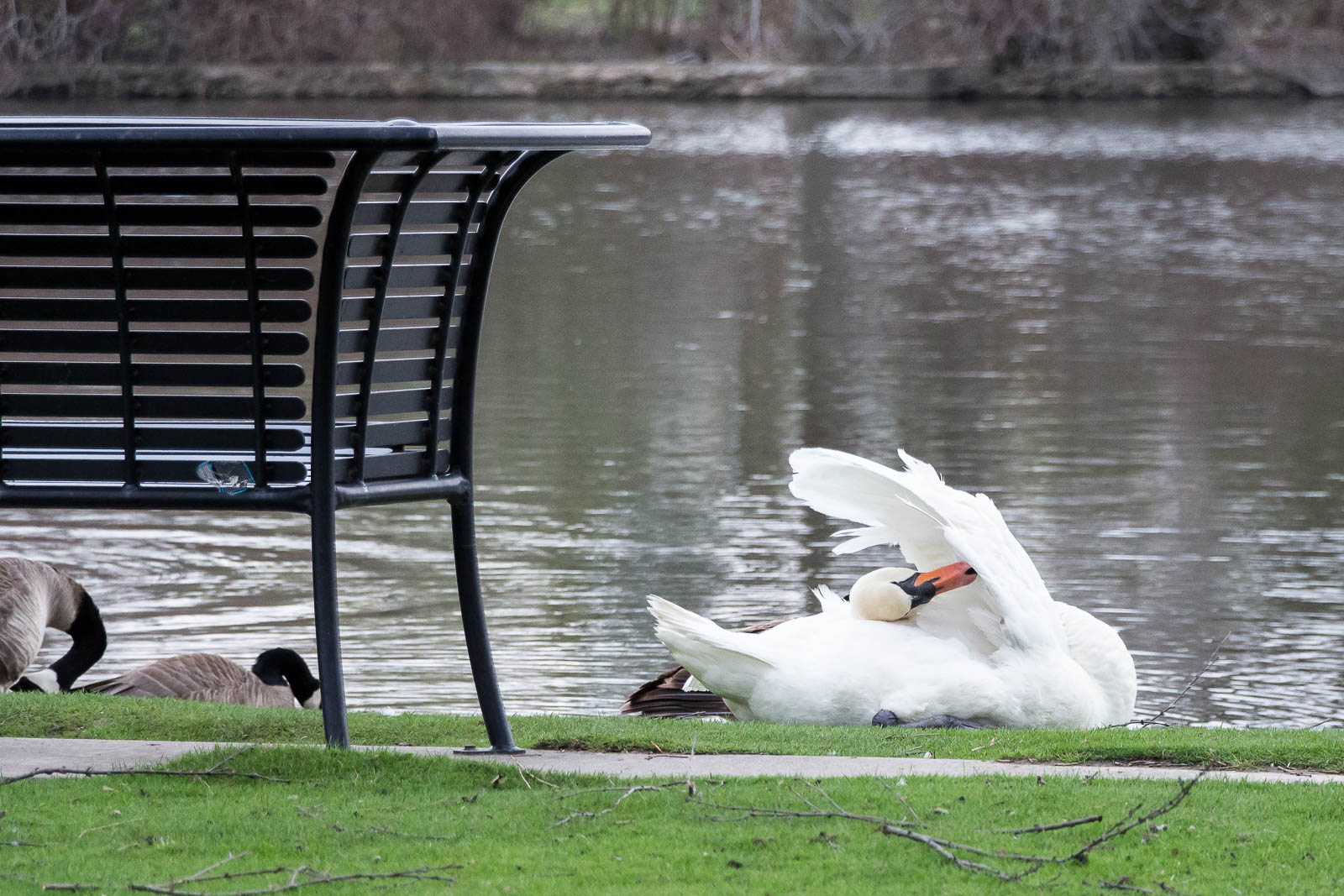
©voyager, all rights reserved
I thought I’d share a few more Ontario wildflowers today.
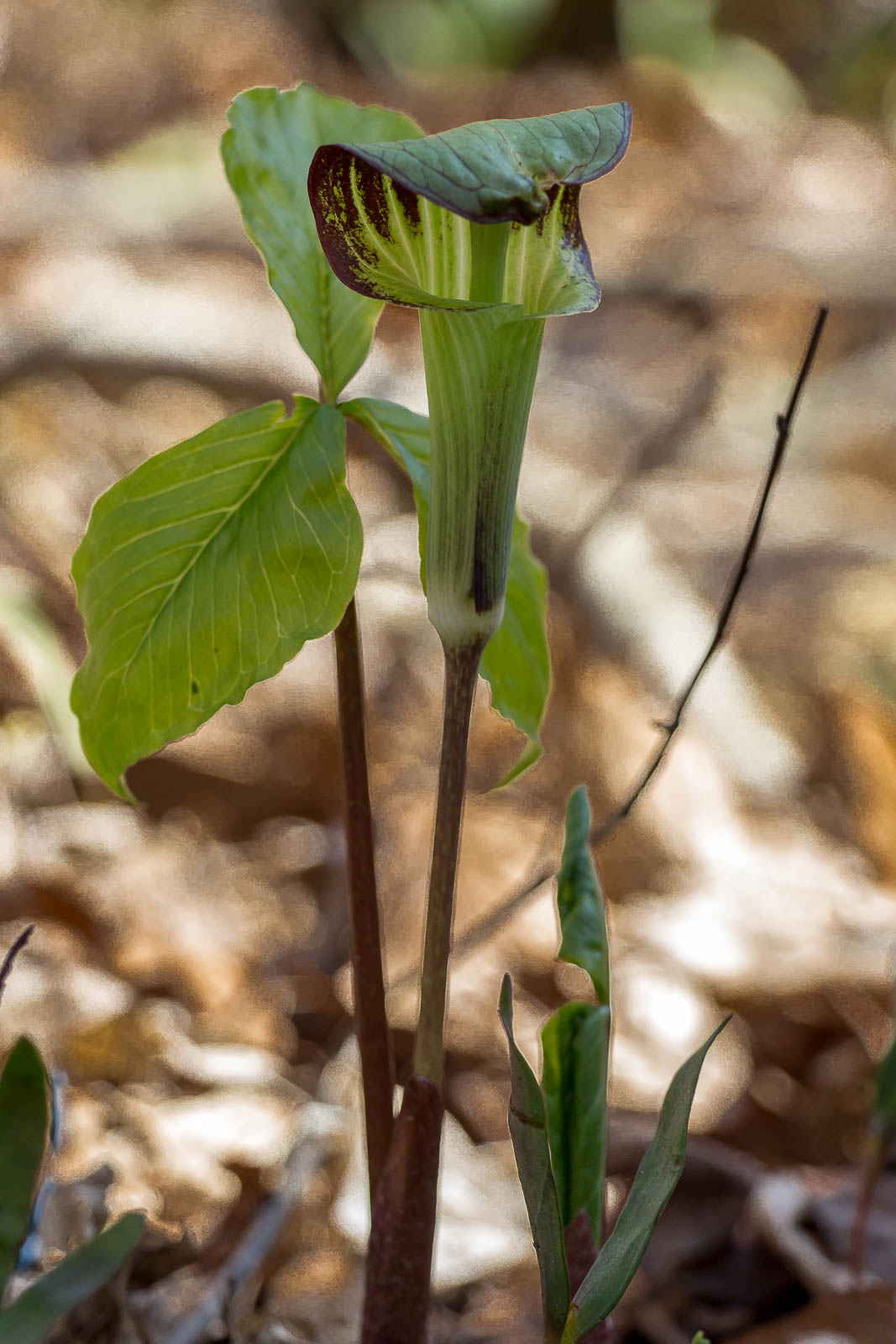
Jack-in-the-pulpit
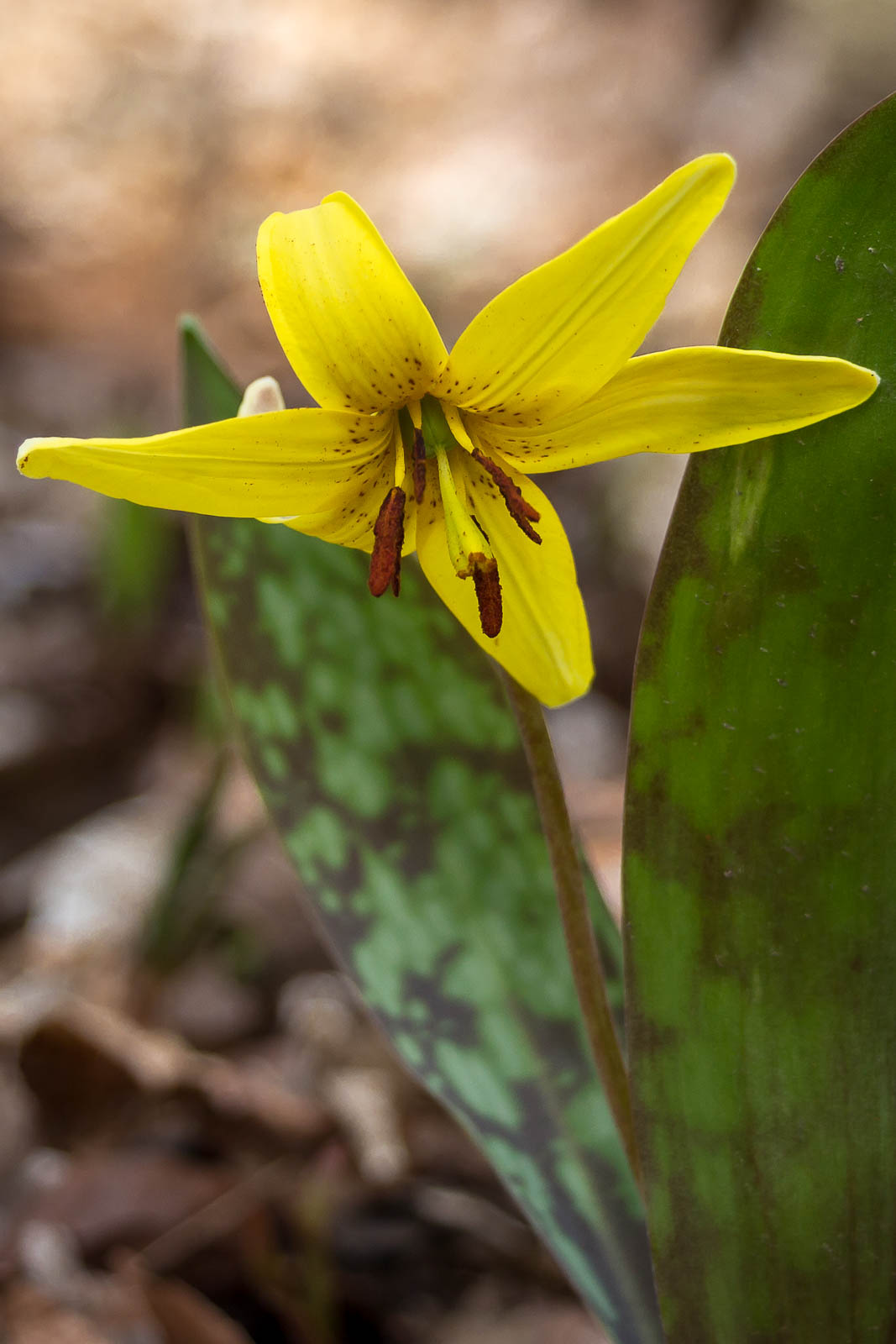
Trout lily
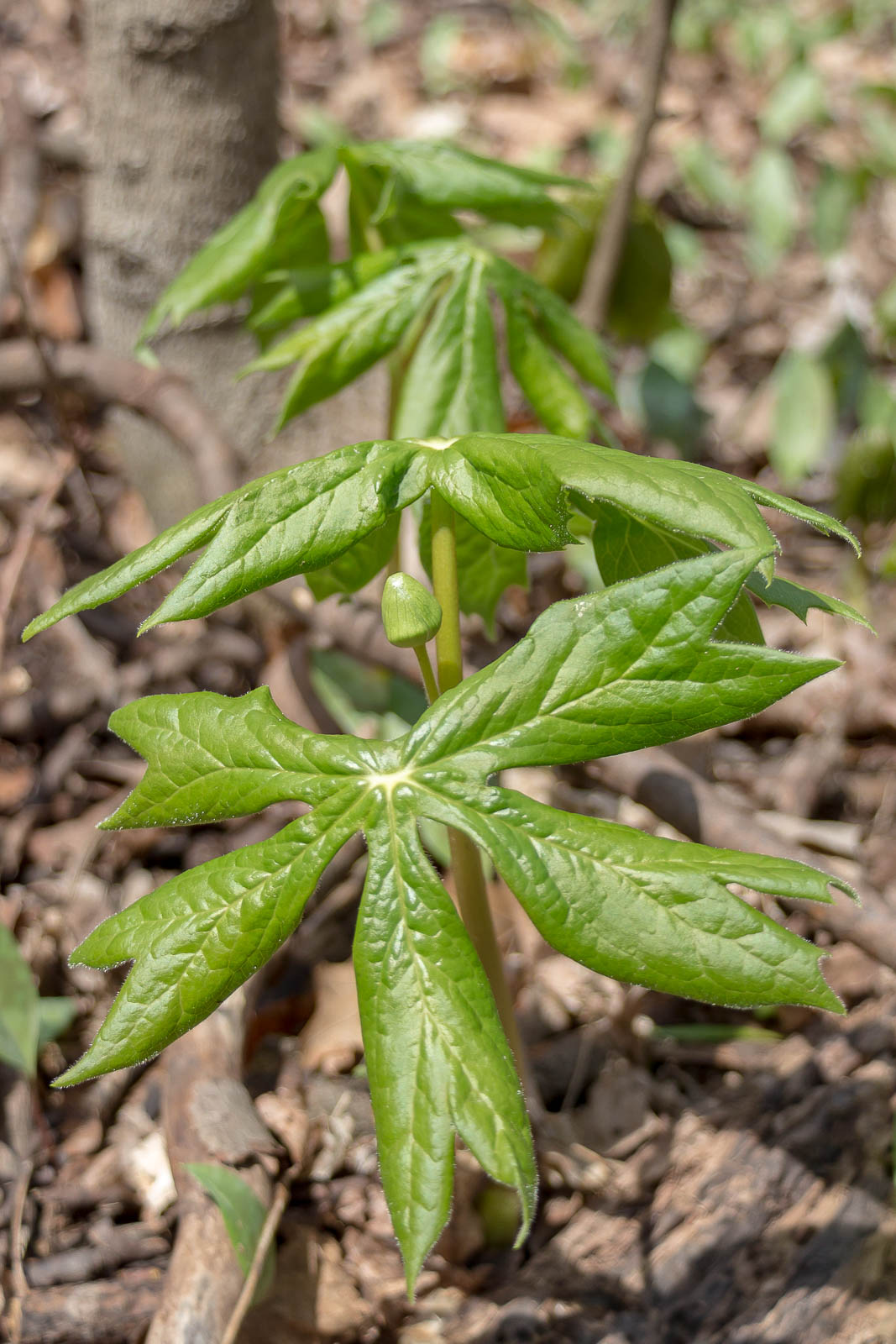
Mayapple
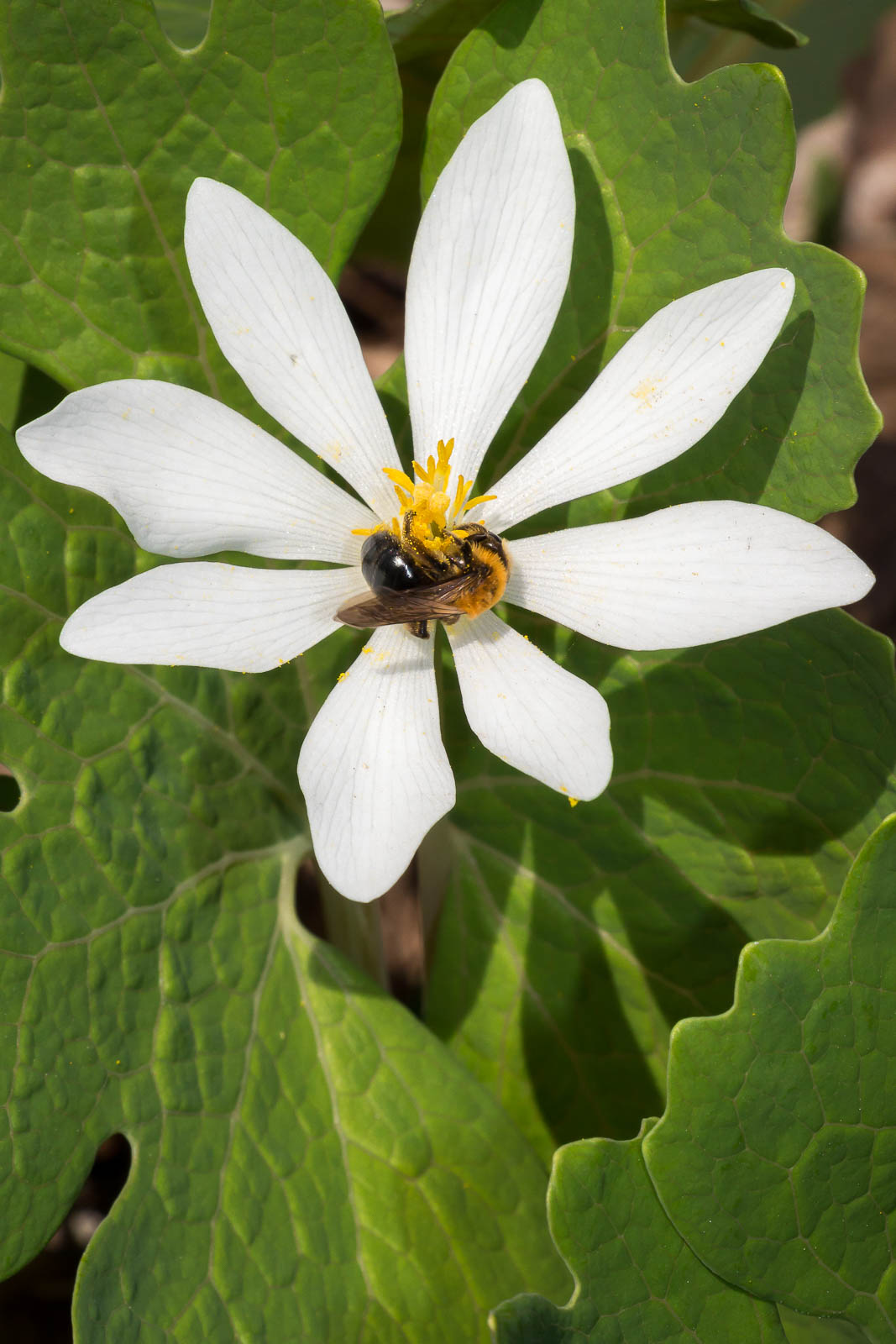
Bloodroot
©voyager, all rights reserved
From Giliell, an overload of spiny cute. Click for full size!

© Giliell, all rights reserved.
©voyager, all rights reserved
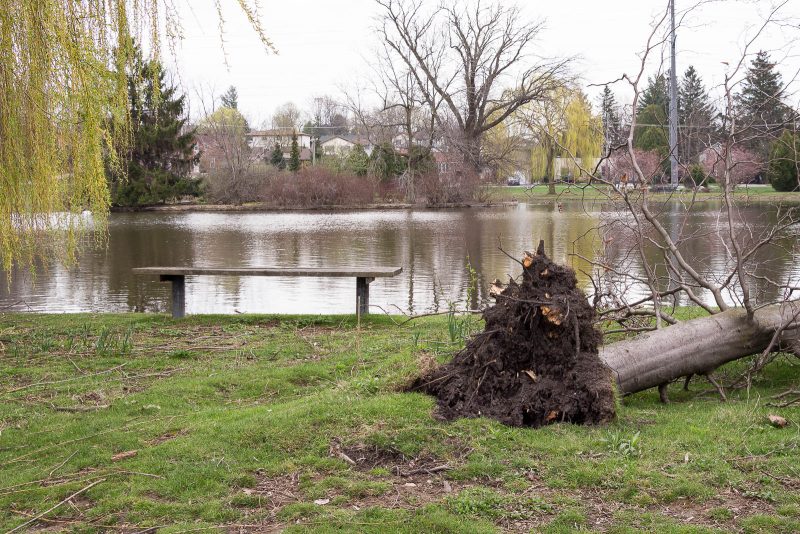
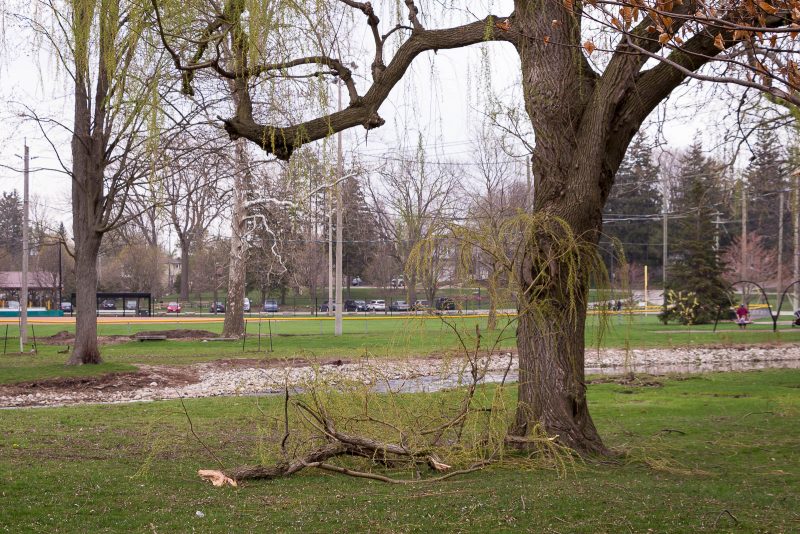
We had a wind storm on Friday that caused a lot of damage across my region in Southwestern Ontario. There were wind gusts of up to 100 km/hr and some areas suffered power outages lasting several hours because of downed trees and hydro lines. There wasn’t any real damage in my neighbourhood, but today at the park Jack and I found a small uprooted tree and several large branches down. I’m worried that our little wooded trail in the country will also have suffered damage. There are quite a few trees there in precarious condition and it’s prone to storm damage. I plan to take Jack tomorrow to check it out.
I’m so excited. Today Jack and I found new leaves on the maples. They’ve come so quickly this year, almost overnight, that it’s a bit astonishing. It’s likely because our temps have gone from the zeros to the twenties this week and seem to be staying there. All those plants that were waiting for some warm are making up for lost time. My grass already needs cutting. What a strange year.

©voyager, all rights reserved

“Going to the Dogs” Workshop #2 brought together scholars from England, Scotland, and Poland to discuss the various and complex intersections of disability- and animal-studies research. Discussions centred on talks delivered by Rachael Gillibrand (Institute for Medieval Studies, University of Leeds), Dr Ryan Sweet (School of English, University of Leeds), Dr Andy Flack (Department of History, University of Bristol), Dr Neil Pemberton (Centre for the History of Science, Technology and Medicine, University of Manchester), and Dr Justyna Włodarczyk (Department of American Literature, University of Warsaw). The talks covered topics including the animal assistants of disabled people in the late-medieval West; nineteenth-century representations of animals with prostheses; connections between historical understandings of animals that live in darkness and vision-impaired people; the role of the caress in 1930s America human-guide-dog partnerships; and current controversies surrounding emotional-support animals in the US.
-Via Medievalists.
Vasco being a spaghetti monster.

© C. Ford, all rights reserved.

©voyager, all rights reserved
Who’s a happy, wet, smelly boy?
From Joseph: I’ve begun a series I call Fancy Bats. This one is the first in the series. It’s pen and ink on Bristol board.
I focus on bats because, well, bats are awesome. They’re such fascinating marvels of evolution, and they don’t get enough love in mainstream U.S. culture. Whether it’s the puppy-dog cuteness of large fruit bats or the otherworldly intricacy on the faces of echolocating microbats, I’m always drawn to the magnificent aesthetics of these creatures.
As for the style, it’s largely based on my idle doodling. When I’m bored and not focusing on any particular image or idea, I draw repeating patterns of curves and points, so this is an extension of my instinctual habits. Also, I’ve been intrigued with the stylized depictions of animals in ancient Mesopotamian and Persian sculpture, from bulls and lions to fantastic beasts like lamassus and manticores. It’s been a source of inspiration for years.
This is just the beginning, and I don’t know exactly which direction this series will go. I just know that this ties together several ideas that mean a lot to me, and I hope you all enjoy the results.
I’m with Joseph, I love bats and find them fascinating. Our local bats are Myotis lucifugus, and I love watching them. I also love Joseph’s beautiful drawing, be sure to click for full size!

© Joseph Zowghi, all rights reserved.
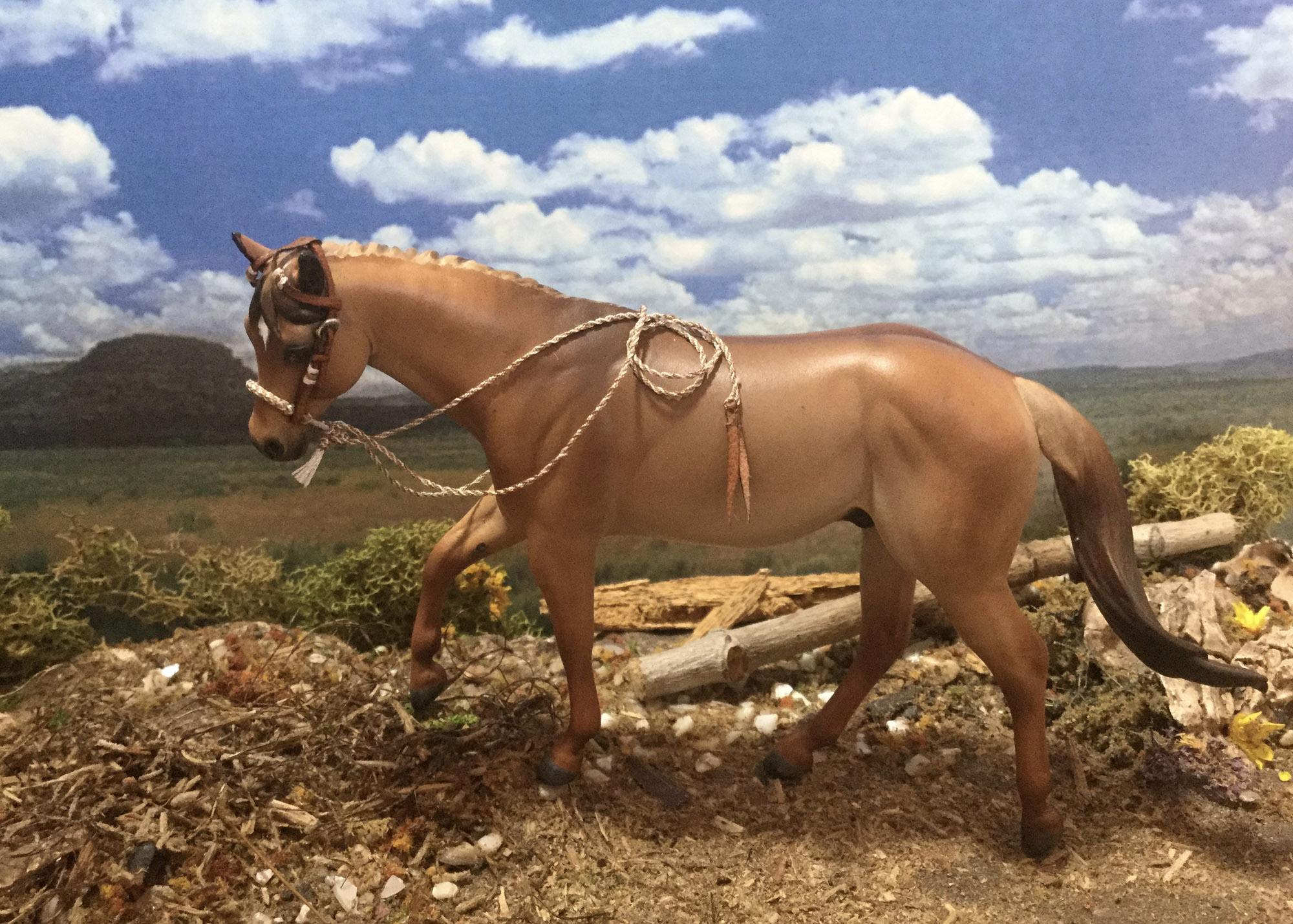
An astonishing work, from Kestrel: There is a group that issues a fun challenge to model horse tack makers: push your skill set and see if you can make a nice piece of tack in one month. For the project I chose to make a hackamore in 1:32 scale (normally I work at 1:9) and the goal is to make it look as much like a piece of tack for a living horse while being in scale and as detailed as possible. This was hard… it really was a challenge for me to go this small.
Click for full size!
It all started with a single white horsehair. I braided 8 strands of very fine silk over the hair, to create the base of the noseband (bosal) for the hackamore. I have to check to see if it will look in scale:

Then I tie a series of braided knots in the silk, to create the finished bosal, a very complicated little device:
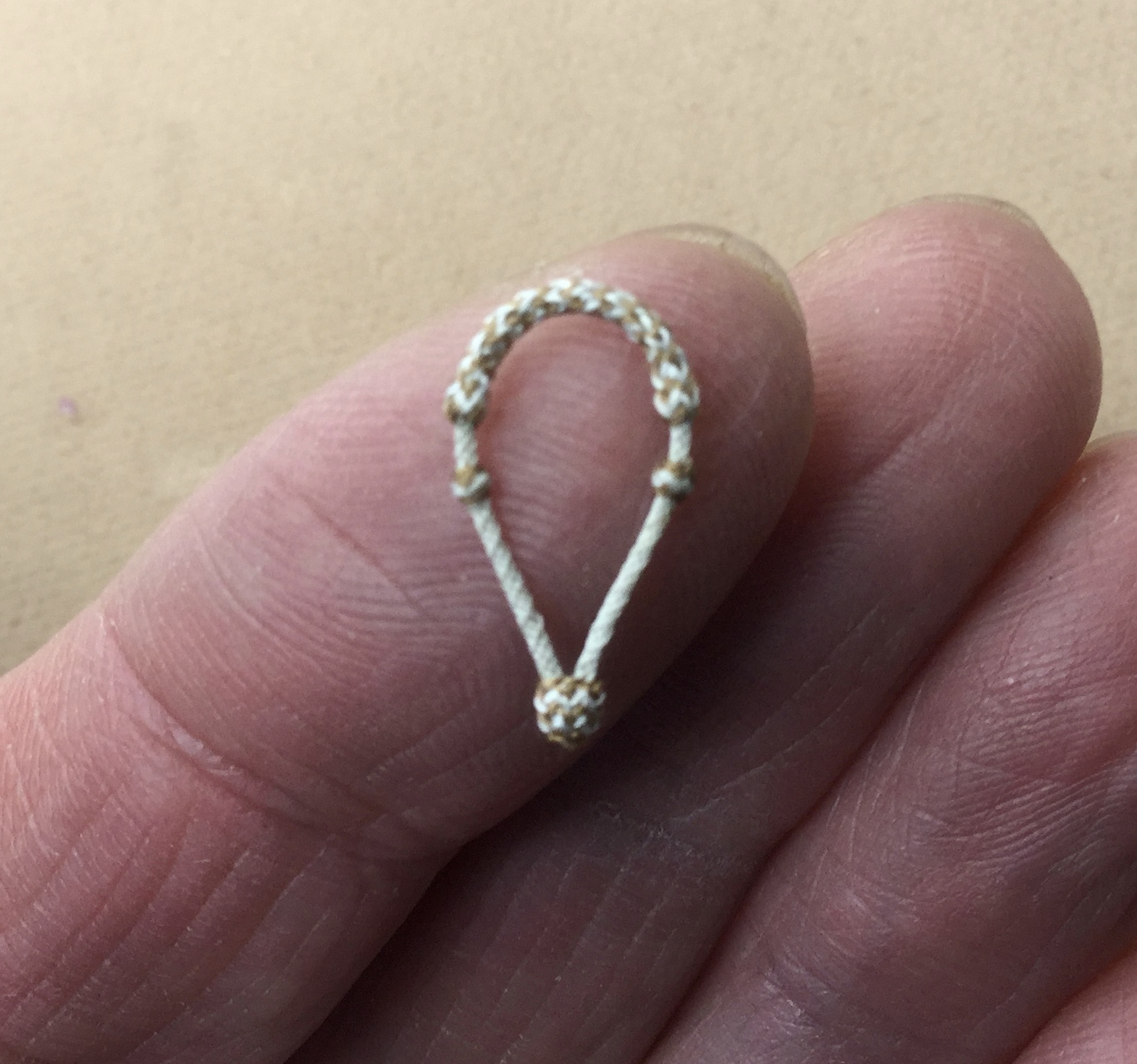
We need some buckles for the headstall to hold the bosal on the horse’s head:

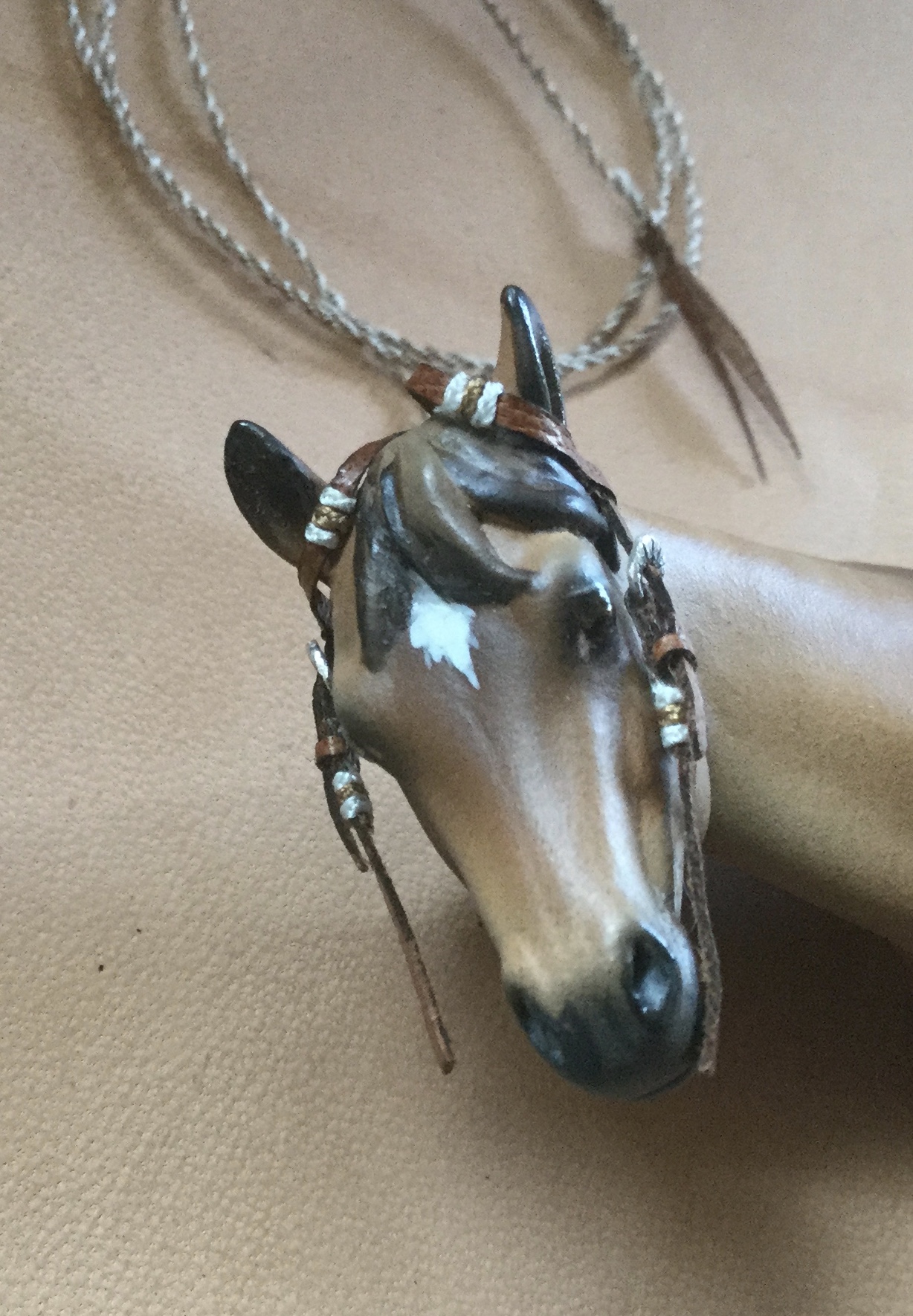
Next I have to make the headstall of leather, and why not tie a few more braided knots on it to make it decorative. Also I need to braid a long rope with a tassel at one end and a leather popper on the other (mecate) which is the traditional way of rigging reins and a lead rope:
The finished piece, which hopefully looks like it could be full-sized on a live horse:

©voyager, all rights reserved
Yesterday I noticed a lot of dead or dying trees in the forested area up by the lake so today Jack and I went back to do a bit more exploring. I know that some of the damage was caused by the emerald ash borer beetle which decimated a nearby park, but there are also a lot of dry, brittle fir trees and I don’t know what’s causing that. I’m also curious to see how healthy the underbrush is, but we need a few weeks of growing time before I’ll really be able to tell. In the meantime, the trails are easy(ish) and Jack is having fun.