I found the shoes to beat the blues!

©voyager, all rights reserved

I found the shoes to beat the blues!
©voyager, all rights reserved

©voyager, all rights reserved
We found a surprise in the woods this morning. The University of Guelph is doing a study of insect DNA across the country and they have installed a trap in our little forest. It’s pretty early in the season for bugs around here, but there was a lot of activity at the trap and more than a few already caught. I wonder how often they will come to collect? Our little forest is the smallest provincial park in Ontario and we often get overlooked. It’s a nice feeling to think that we’re a part of something important. It’s also nice because the path has been cleared so that Jack and I don’t need to scramble up and over anymore fallen trees.
Blue. Branco, Portuguese for white. Click for full size!

© Nightjar, all rights reserved.
Wednesday the flower opened two more blossoms. That is five at once, our record if I remember correctly. I cannot even get all the blossoms in one picture.
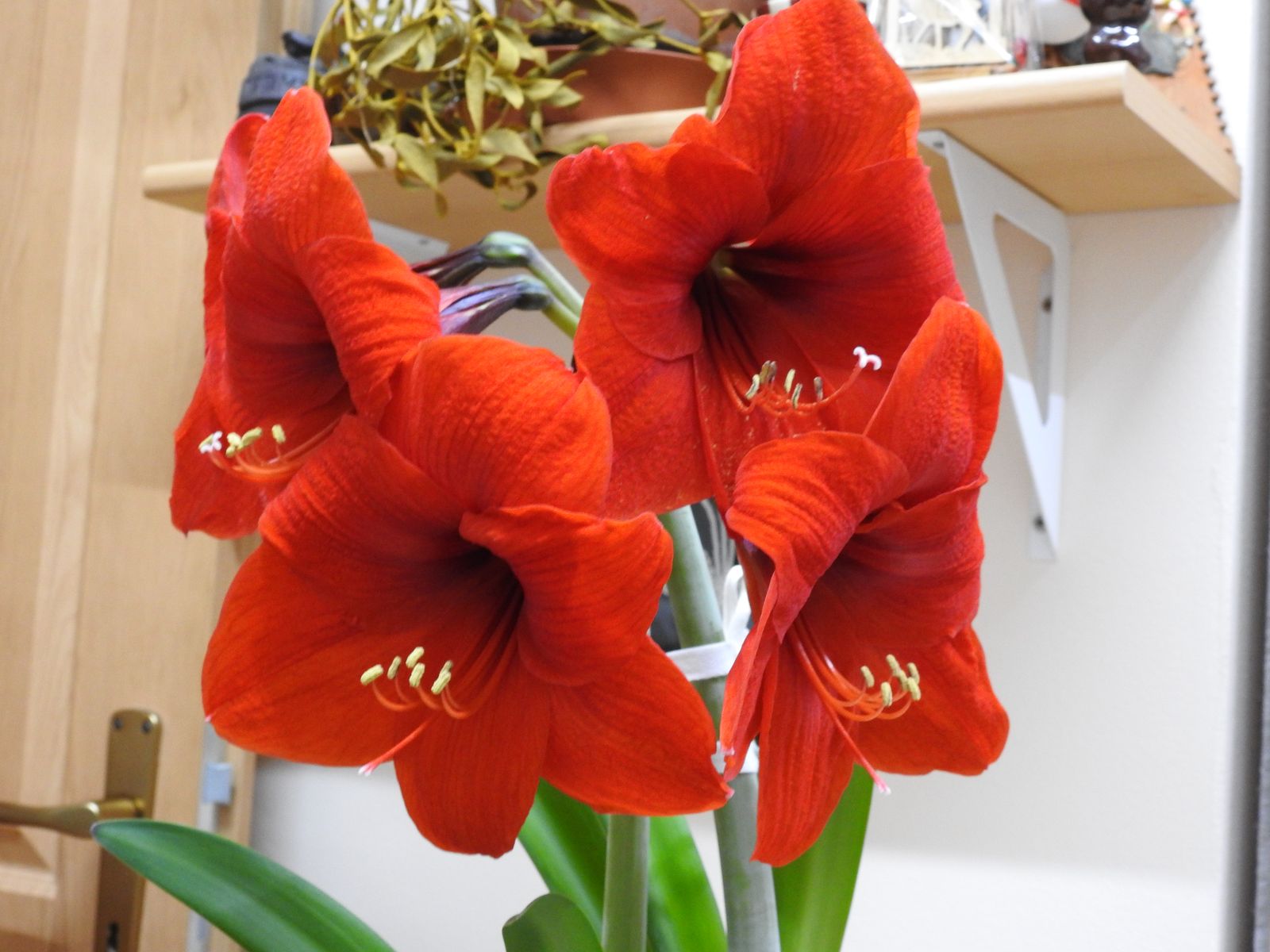
©Charly, all rights reserved. Click for full size
From rq: Before we get to the chapel, I have to walk you through the map tapestries and the odd creatures found therein. Amazing, so beautiful. Click for full size!
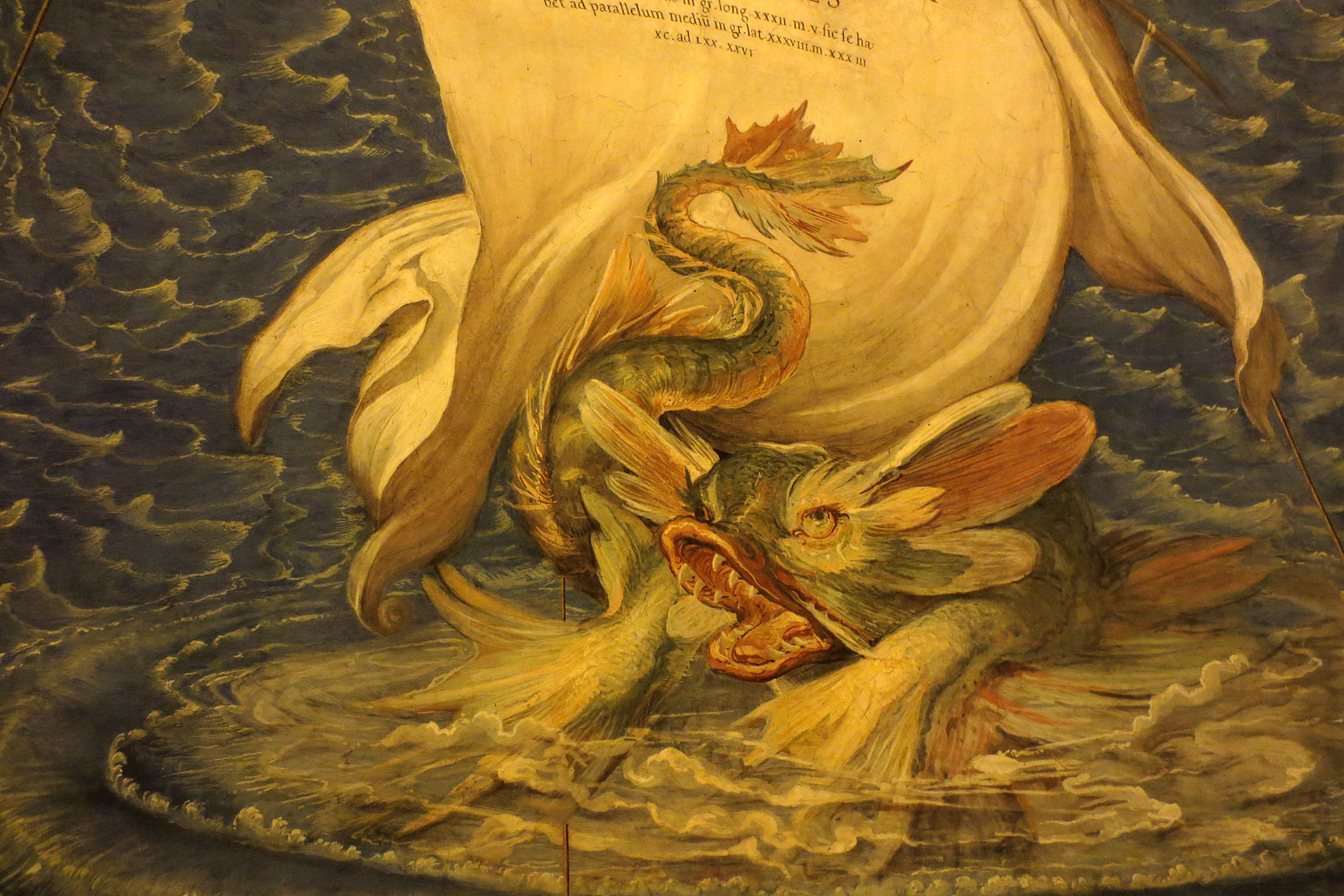


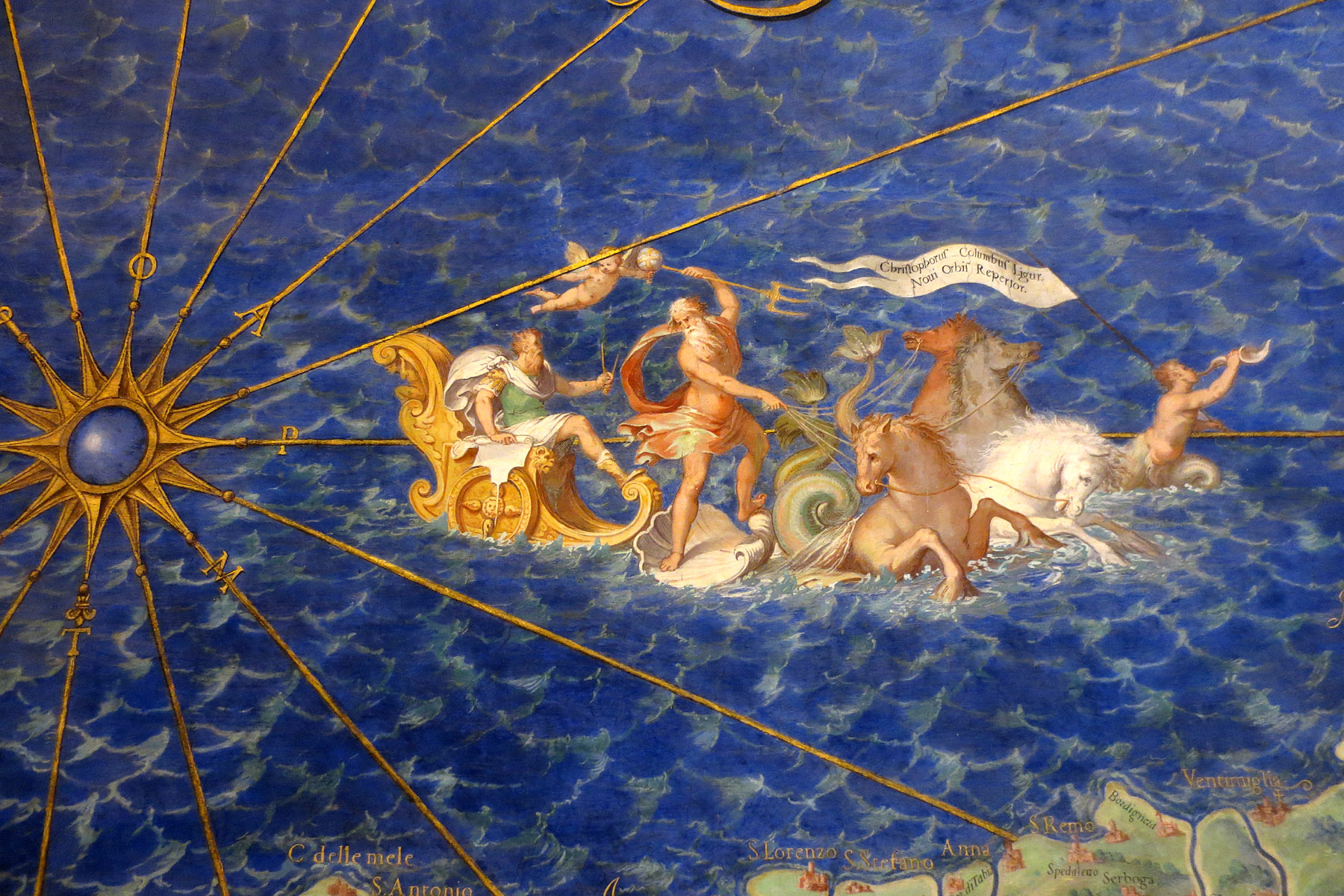

© rq, all rights reserved.
Stunning shots from Nightjar, click for full size!

© Nightjar, all rights reserved.
A grand shot of a gorgeous Blue Tit from Giliell, click for full size!

© Giliell, all rights reserved.

©voyager, all rights reserved
It might not be immediately obvious, but Jack is fishing in this photo. Sometimes he just wades in and then stands very still staring at the water for a very long time. The first few times it happened we wondered what the heck he was doing, but then one day several years ago Jack suddenly plunged his head underwater and came up with a fish in his mouth. We took one step toward him and Jack, not wanting to give up his catch, threw his head back and swallowed the fish whole. It was about 8 cm long and thankfully he swallowed it head first, but that fish was still alive and moving when it hit his stomach. His facial expressions told the story. Ever since then, Jack wants to repeat the trick. Like all good fishermen, he’s after the bigger one that got away.
We have a new Alphabet Challenge from Nightjar: For every photo there will be two words, one in English and one in Portuguese, meaning the same or different things (with a few exceptions for genus names and K, W and Y which are not part of the Portuguese alphabet).
Ambush. Aranha, Portuguese for spider.
Flower crab spiders belonging to the family Thomisidae do not build webs, they are instead ambush predators. Some can change colour to match the flower they are on to blend in, then they wait for insects to visit the flower and catch them. In this case, a fly visiting a Paris Daisy (Argyranthemum frutescens) was not so lucky.
Click for full size!

© Nightjar, all rights reserved.
From Giliell, an essence of Spring, click for full size!

© Giliell, all rights reserved.
From Giliell, click for full size!

© Giliell, all rights reserved.
A fine feathered troupe of professional beggars, thieves and comedians.

©voyager, all rights reserved
It’s raining today and I don’t even mind because we found flowers. Just a few, but they’re ready to bust out all over. You know what they say…April showers bring May flowers.


©voyager, all rights reserved