My beautiful little River, when she was a babe. One of Grace’s kids. Click for full size.


© C. Ford.

My beautiful little River, when she was a babe. One of Grace’s kids. Click for full size.
© C. Ford.
Vala the Brave, looking for a treat.

© C. Ford.
Angel enjoys a spice gumdrop. Click for full size.

© C. Ford.
Quite the intimidating fella. From Lofty, click for full size.

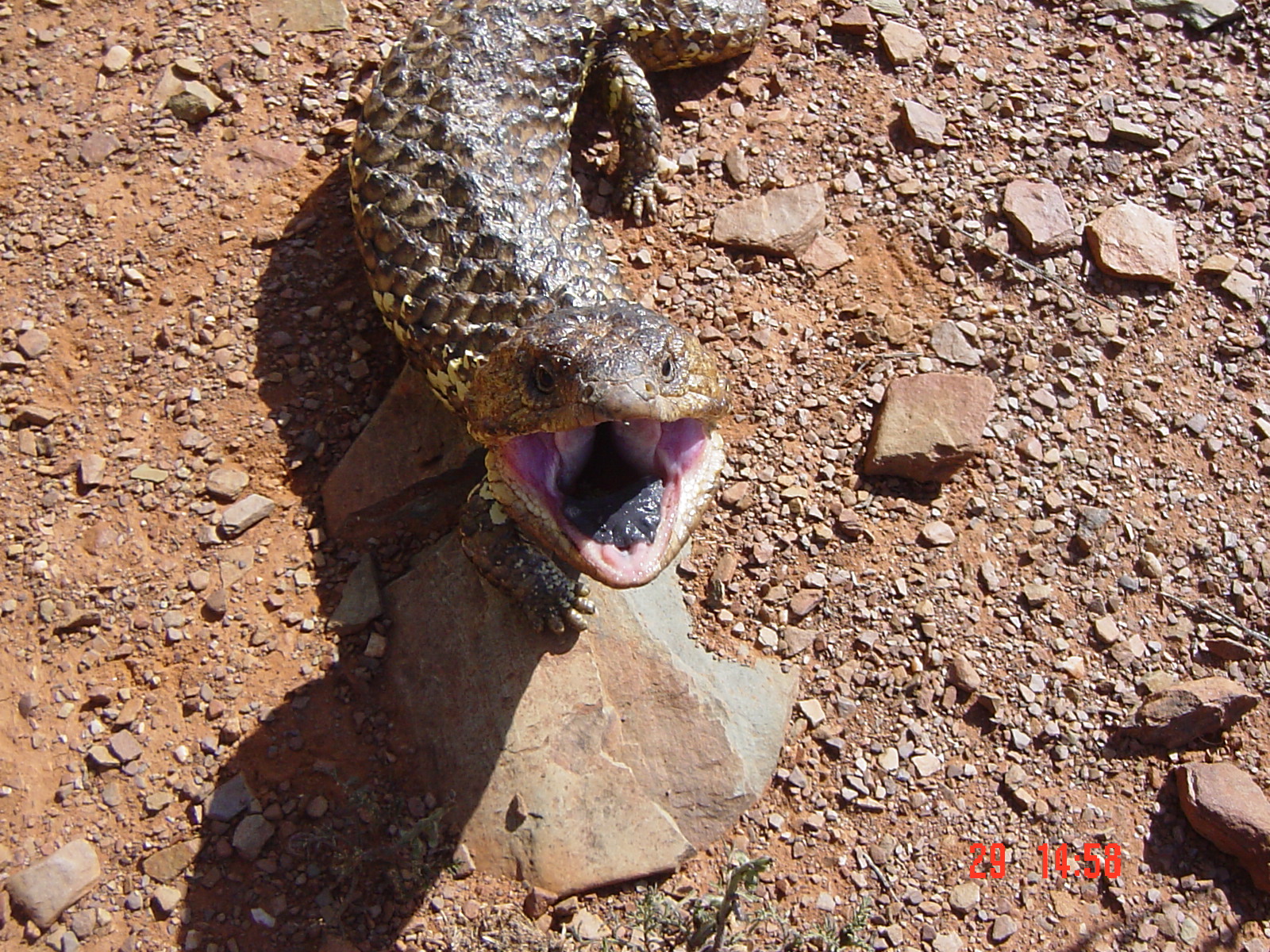
© Lofty, all rights reserved.
From Raucous Indignation, click for full size!

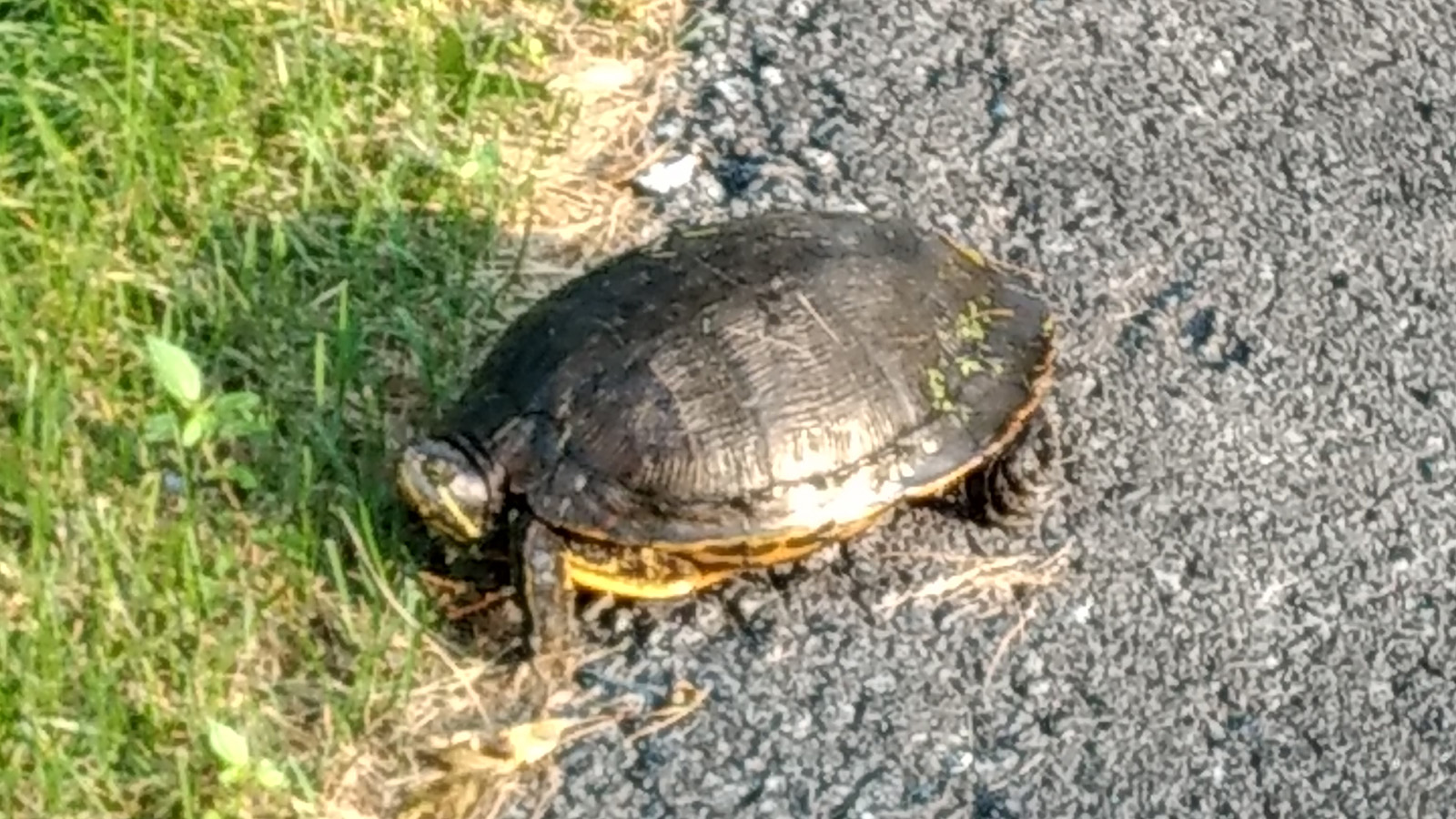
© Raucous Indignation, all rights reserved.

Reuters has a great story up about the hyenas of Harar, and how they all live in happy concert with the humans of Harar. A lovely story, lots of photos, and a good lesson for all.
Flowers and a blue-eyed boy, from Raucous Indignation, click for full size!


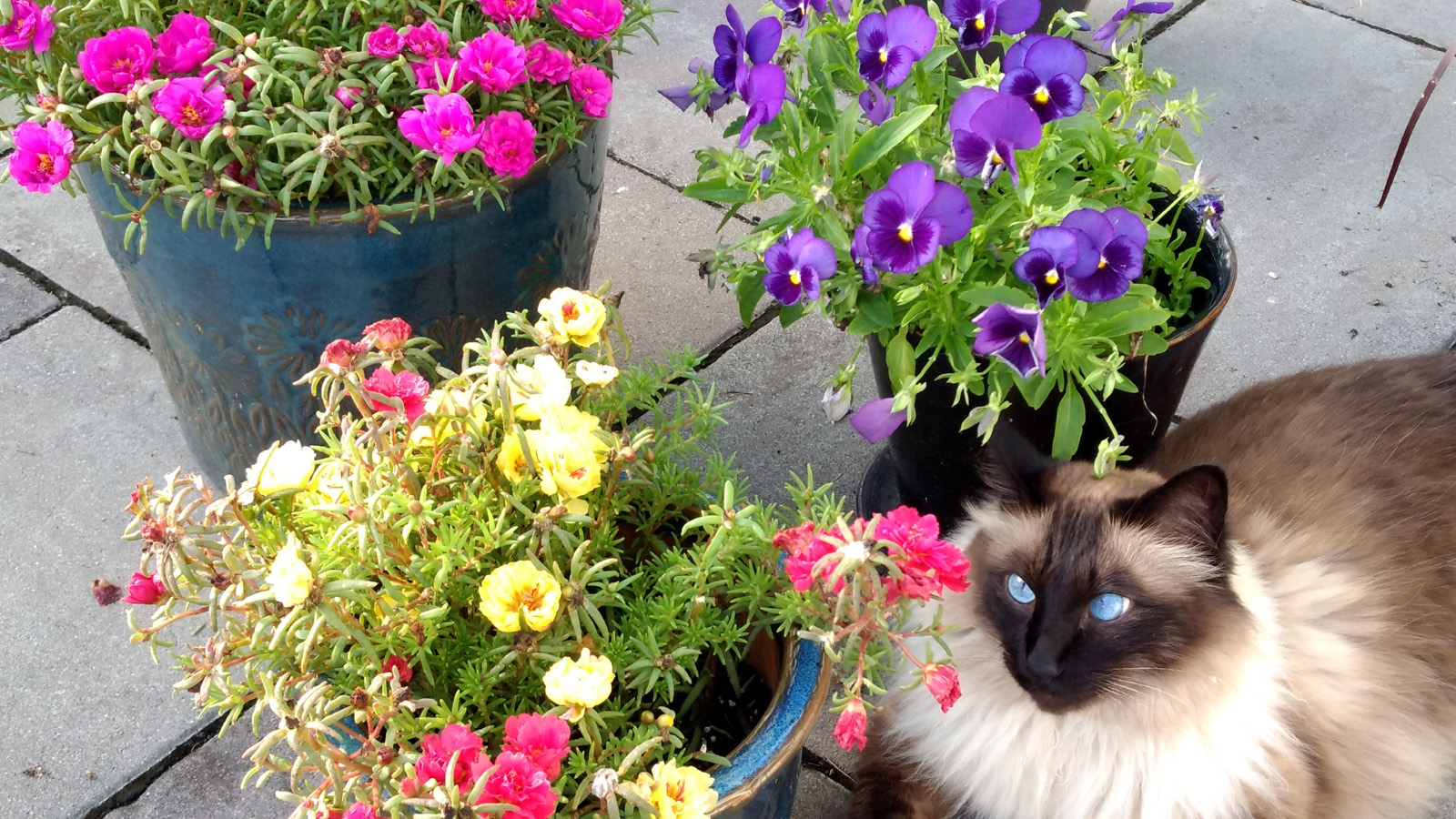
© Raucous Indignation, all rights reserved.

Grace, when she was a baby, discovering pistachios.
© C. Ford.
Gorgeous shots from Charly, click for full size! I’m reminded of Louis Kehlweiler in Dog Will Have His Day, by Fred Vargas. Louis has a pet toad named Bufo, who goes everywhere with him.

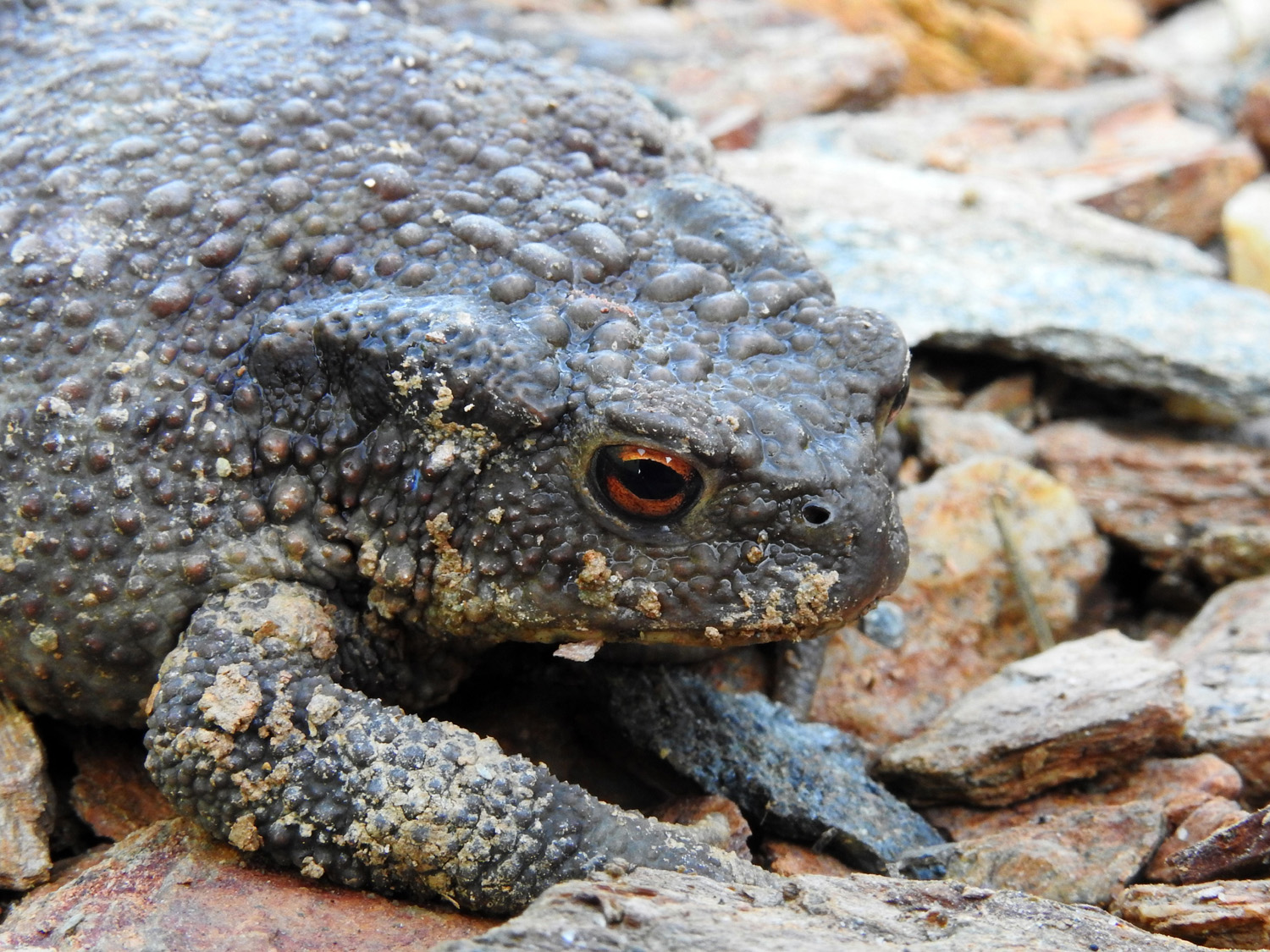
© Charly, all rights reserved.

Spratt’s ad, c. 1876 Public Domain.
The first dog biscuits did not resemble the bone-shaped delights of today. Developed by James Spratt in 1860, these so-called Meat Fibrine Dog Cakes were woefully square.
Spratt, an American electrician, came up with the idea for a dog biscuit after he witnessed sailors dropping hardtack—an unleavened bread—for the local dogs. He decided he could do the same—and monetize it. His flagship company, Spratt’s, was founded soon after. Their lead product, the Meat Fibrine Dog Cakes, were developed from a combination of wheat, beetroot, vegetables, and prairie meat. (The particular kind of meat in Spratt’s formula was apparently highly confidential; until his death, Spratt “kept in his hands the contract for his meat supplier.”)
At the time, the concept of a food specifically for dogs was alien. According to Katherine C. Grier, author of Pets in America, “until well into the 20th century, most household dogs lived off scraps from the kitchen, often cooked with a starch into something that people called ‘dog stew.’” But by the late 1800s, Spratt’s had shuttled dog biscuits into the mainstream—especially for dog show contestants. In 1895, the New York Times labeled Spratt’s a “principal food” of dog shows.
Spratt’s success soon spawned competition.
Over a decade later, in 1907, organic chemist Carleton Ellis received an urgent request. The owner of a local slaughterhouse was having problems with all of his excess “waste milk,” and he wanted Ellis to help him find a use for it. Ellis would eventually accrue over 753 inventions to his name and would serve as the force behind the creation of margarine, polyester, paint and varnish remover, and anti-knock gasoline. If he found the milk request odd, he did not show it. He agreed to help.
Likely inspired by Spratt’s, Ellis decided to turn the waste into food for his dog. After some experimentation, Ellis mixed the excess milk with malt, grain, and other products to form a dog biscuit—baked into what he assumed would be an appealing, rounded shape.
But when he tested the biscuits, his dog refused to eat them.
Ellis was frustrated. Clearly, the biscuit should have tasted great to a dog. He was a MIT graduate; he knew perhaps more than anyone at the time about the compounds in petroleums, oils, and varnishes. He had authored such dense, technical manuals as Hydrogenation of Oils Catalyze and The Chemical Action of Ultraviolet Rays for biscuit’s sake! Developing a treat that a dog would eat should not have provided this much of a challenge.
So he decided to do something strange: he changed the design of the biscuit rather than the ingredients. “I had some more biscuits baked from the same stock, but in the shape of a bone,” he told Popular Science in 1937, “and I found that my dog manifested a tremendous interest in the bone-shaped biscuit.”
You can read more about the origin of milk bones here. Oddly enough, I’ve always ended up with dogs who have never been terribly interested in Milk Bones.
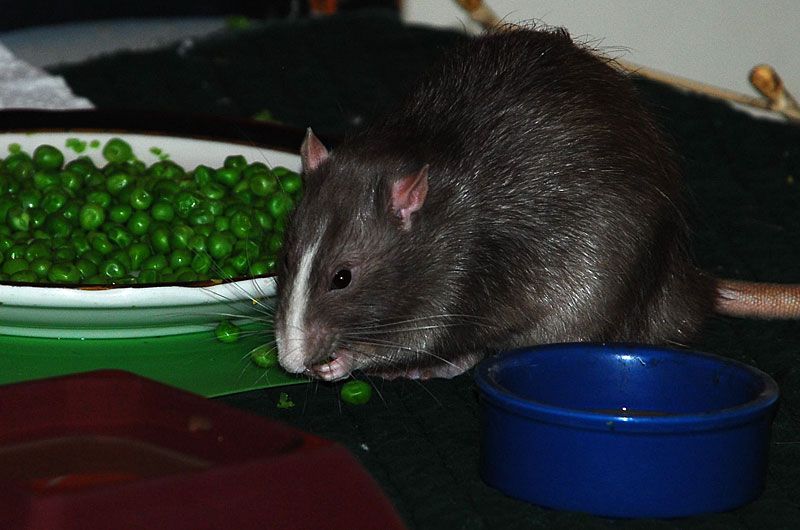
Chas the Second enjoys some peas.

A Przewalski’s horse leaves its container after being released in Takhin Tal National Park, part of the Gobi B Strictly Protected Area, in south-west Mongolia, June 20, 2017. REUTERS/David W Cerny.
A quarter-century-old project to repopulate the steppes of Mongolia with wild horses was kept alive as four animals made the long trip back to their ancestral home from Prague Zoo.
Driven to extinction in their homeland in the 1960s, the Przewalski’s horses survived in captivity before efforts began to re-introduce them to the arid desert and mountains along Mongolia’s border with China.
Zoos organized the first transport to Mongolia of the strong, stocky beasts in 1992.
For the past decade, Prague Zoo has been the only one continuing that tradition and it holds the studbook of a species whose ancestors – unlike other free-roaming horses such as the wild mustangs of the United States – were never domesticated.
The zoo completed its seventh transport last week, releasing four mares born in captivity in the Czech Republic, Germany and Denmark in the Gobi desert. They will spend the next year in an enclosed area to acclimatize before being freed.
“All the mares are looking very well, they are not hobbling, they are calm, eating hay and trying to test the taste of the new grass,” Prague Zoo veterinarian Roman Vodicka said after making observations a few days after the release.
Prague has released 27 horses in total and officials estimate around 190 are now back in the wild in the Gobi B park, where the most recent arrivals were sent.
What a wonderful project, one that fills my heart with happiness. There are many more photos at Reuters.
Giles.


© C. Ford.