
People always have to pick on artists.

People always have to pick on artists.

Due to the seal’s small size and veining on the stone, many of the miniature details are only clearly visible via photomicroscopy. (all images Courtesy of The Department of Classics, University of Cincinnati, and used with permission).

Drawing of the detailed combat scene captured on an agate sealstone discovered by the University of Cincinnati’s Sharon Stocker and Jack Davis. (images Courtesy Department of Classics, University of Cincinnati).
The piece of stone may only be a little over 1.4 inches long (~3.5cm), but the meticulous detail of the carved scene featuring three warriors in hand-to-hand combat is a stunning display of ancient artistic skill and it may challenge our perceptions of naturalism in the Ancient Aegean era.
[…]
Jack Davis, who is one of the excavation’s co-leaders, suggests the find is unprecedented. “What is fascinating is that the representation of the human body is at a level of detail and musculature that one doesn’t find again until the classical period of Greek art 1,000 years later,” Davis explained to UC Magazine. “It’s a spectacular find. … Some of the details on this are only a half-millimeter big,” he said. “It seems that the Minoans were producing art of the sort that no one ever imagined they were capable of producing. … It shows that their ability and interest in representational art, particularly movement and human anatomy, is beyond what it was imagined to be. Combined with the stylized features, that itself is just extraordinary.”
The source for the battle scene may not be clear, but researchers believe that the miniature battle must reflect a legend that was well known to the people of the region. The tomb also held an intact skeleton, which UC researchers have labeled the “Griffin Warrior” for the discovery of an ivory plaque depicting a mythical griffin. The 3,500-year-old shaft grave also includes more than 3,000 objects, including four solid gold rings, silver cups, precious stone beads, fine-toothed ivory combs, and an intricately built sword.
You can read more at Hyperallergic, and definitely check out the Griffin Warrior.
Art by Harry Clarke. I adore the first image, it’s sublime in its sensuality and creepiness. Another self portrait can be seen in the second image (figure on the left), along with piquerism, and very creepy eyeballs, which are also fabulous.
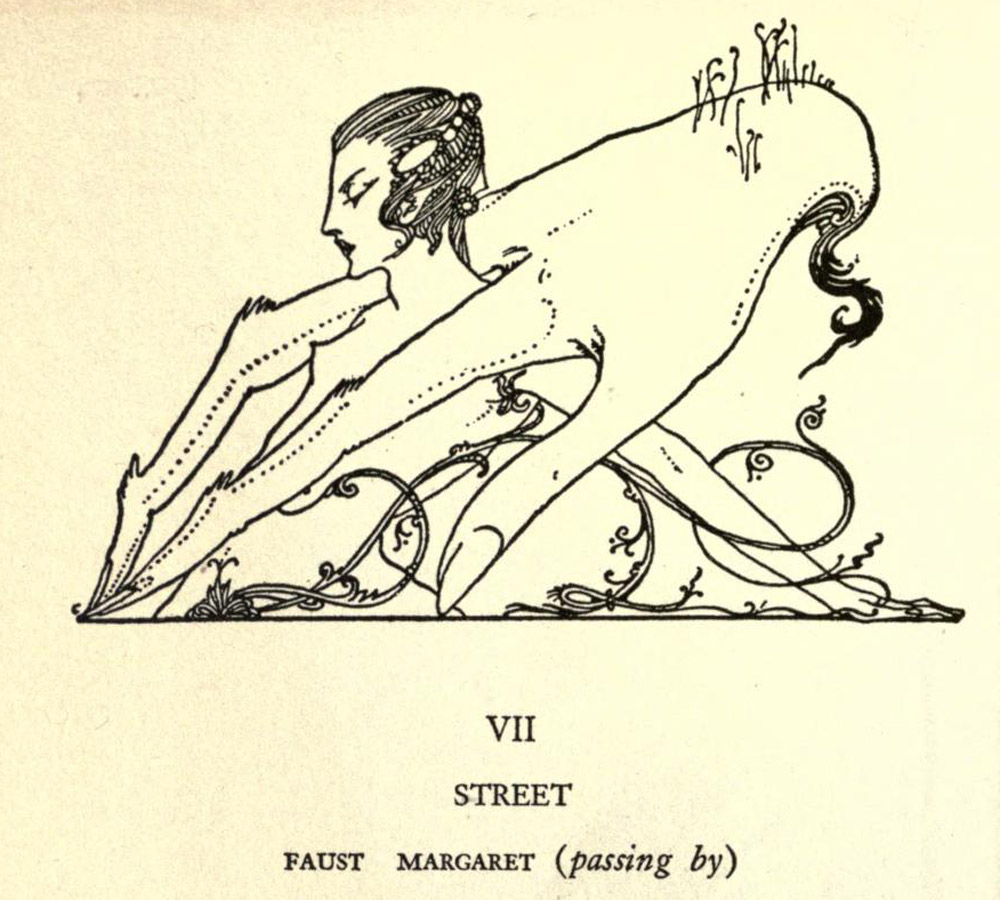


Art by Harry Clarke.

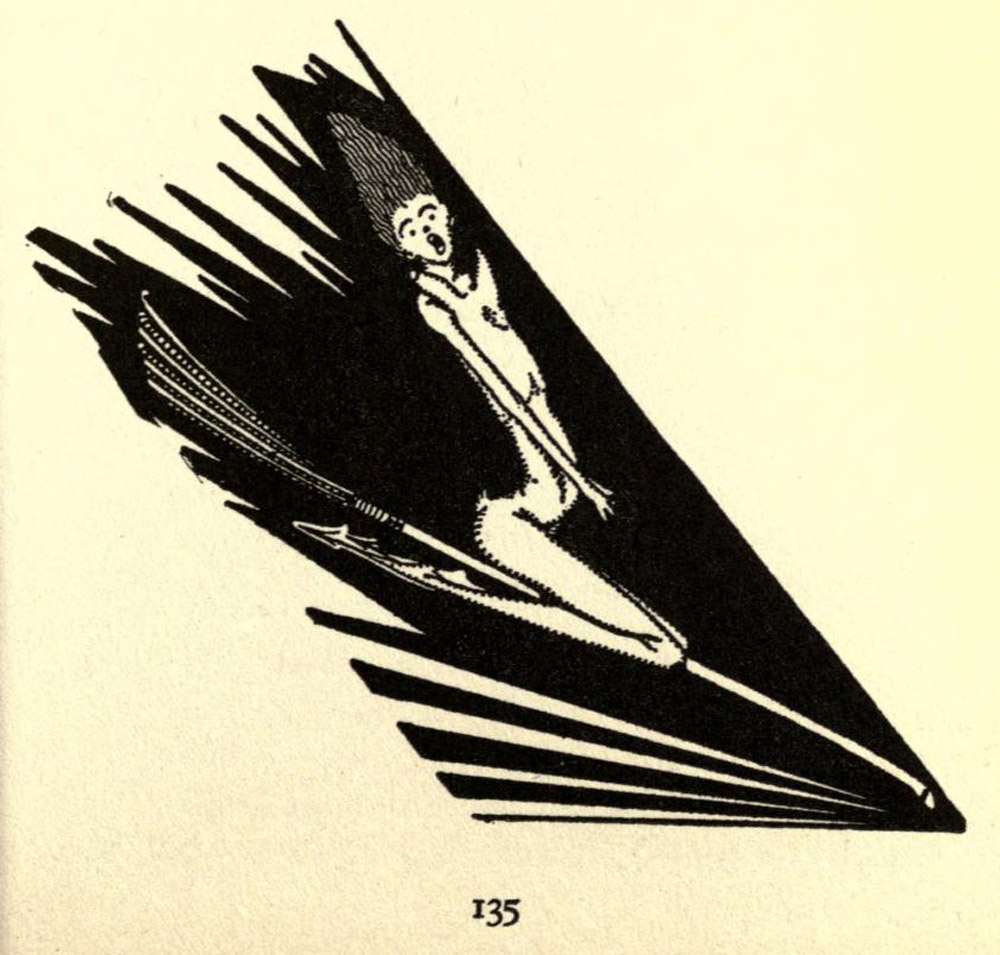

Art by Harry Clarke.

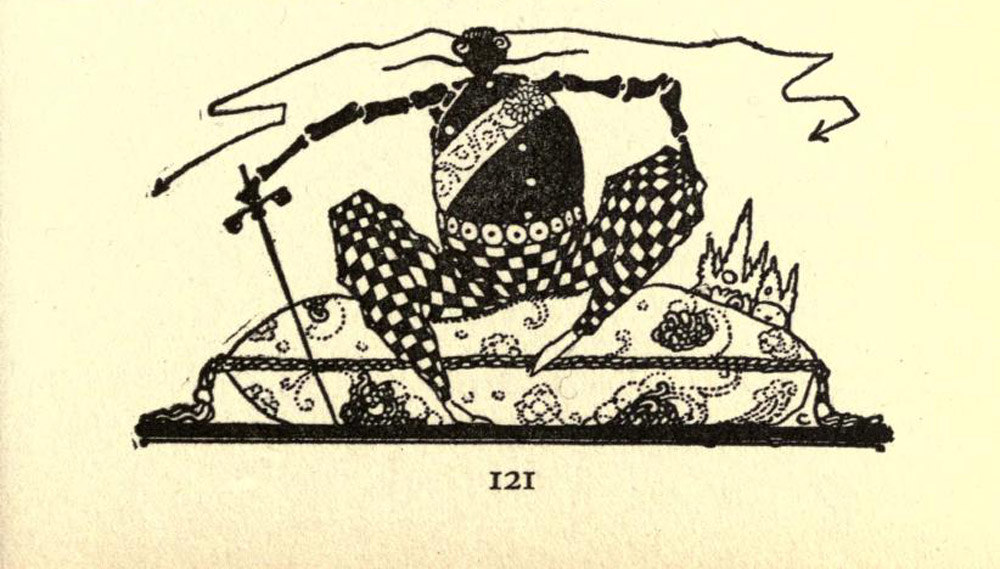

Art by Harry Clarke.


Art by Harry Clarke.


Absolutely stunning photography, many photos with their own stories, too. Just a few here, although I’d happily post each and every one of them!
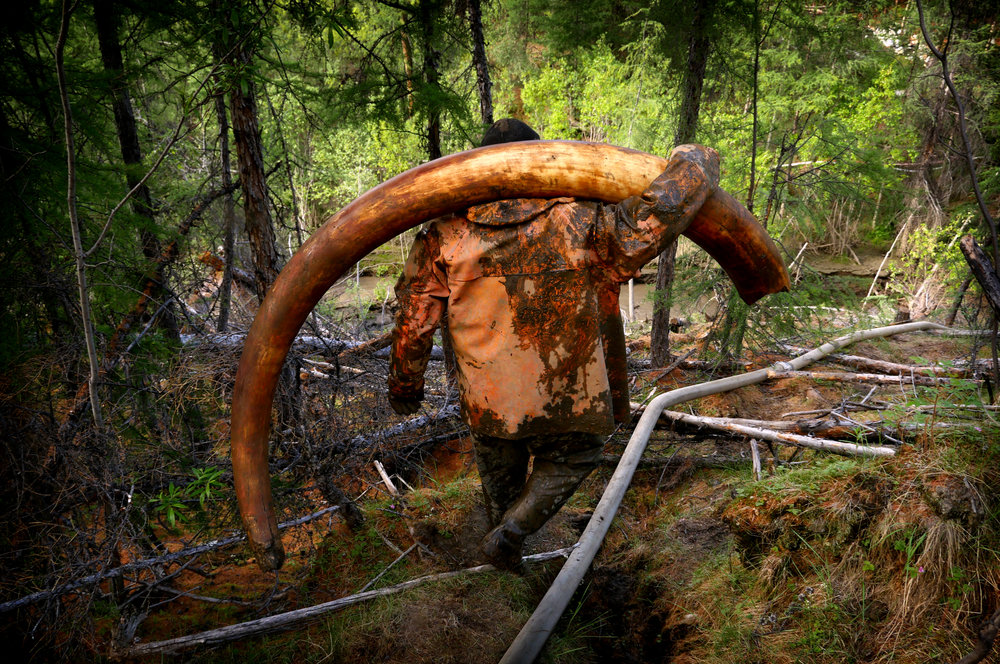
An illegal tusk hunter at a site where men extract mammoth tusks from the permafrost. Click here for my story on the Mammoth Pirates of Siberia.

These and so very much more can be seen at Amos Chapple Photography. Have a wander! And you won’t want to miss his feature on The Shepherds of the Tusheti Mountains, a gorgeous pictorial of a dangerous job:
Every autumn, a spectacular animal migration takes place in Georgia’s Tusheti region in the northern Caucasus Mountains. Radio Free Europe photographer Amos Chapple recently joined a group of shepherds and their dogs on what he refers to as a “deadly, boozy journey” from the steep mountains to the plains, as they brought their 1,200 sheep down to their winter pastures.
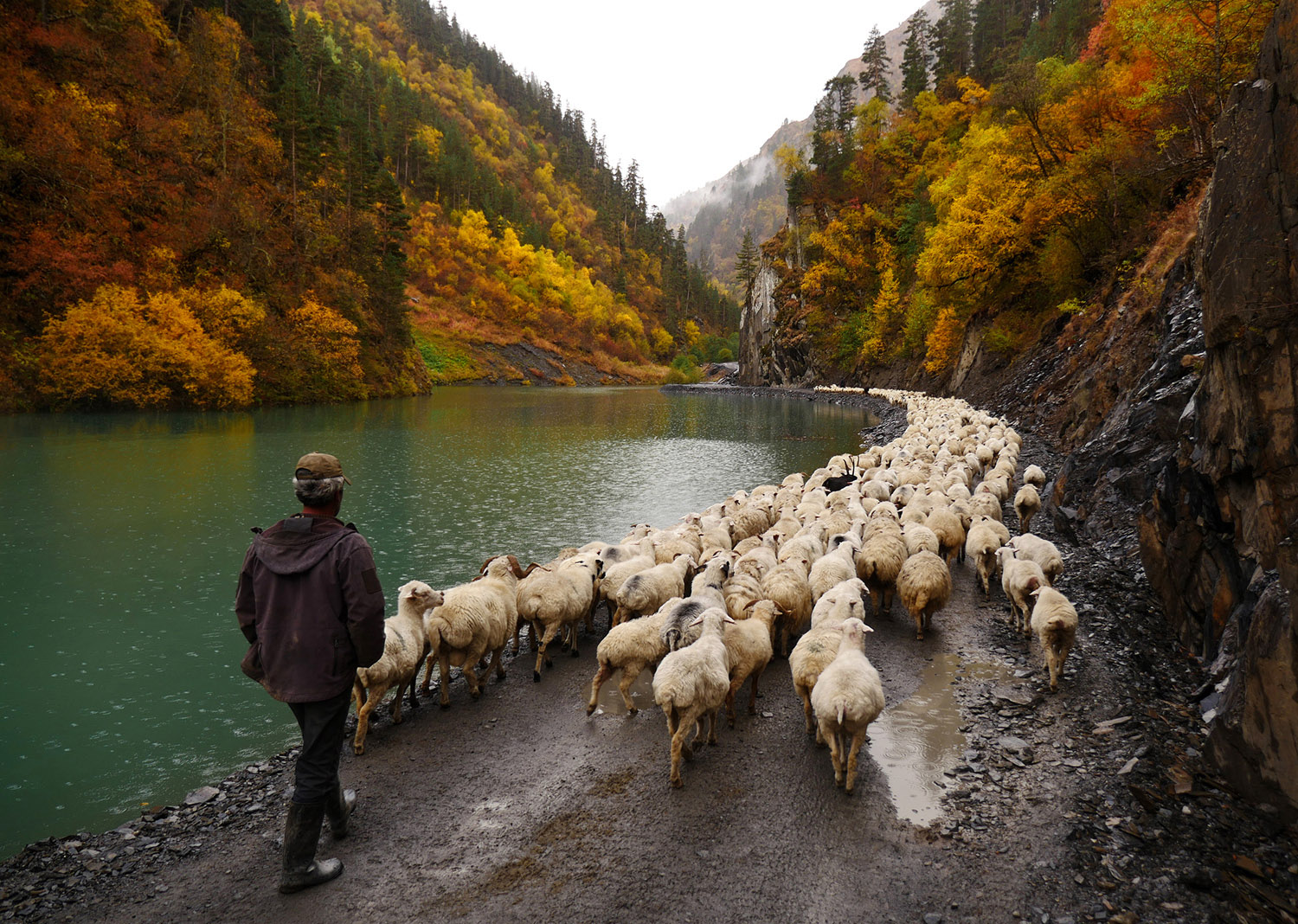
All images © Amos Chapple.