Wood’s Rose (Rosa woodsii). This is often called Sweetbriar, but we don’t actually have any Sweetbriar Rose in ND. We do have towns and dams and lakes called Sweetbriar. Just no roses.

© C. Ford.

Wood’s Rose (Rosa woodsii). This is often called Sweetbriar, but we don’t actually have any Sweetbriar Rose in ND. We do have towns and dams and lakes called Sweetbriar. Just no roses.
© C. Ford.


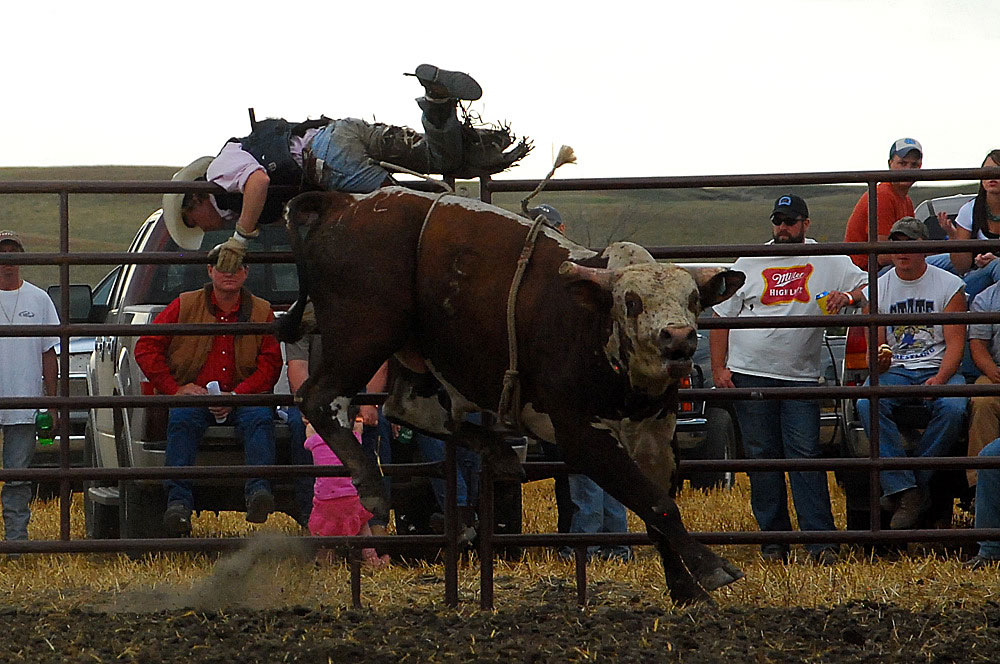
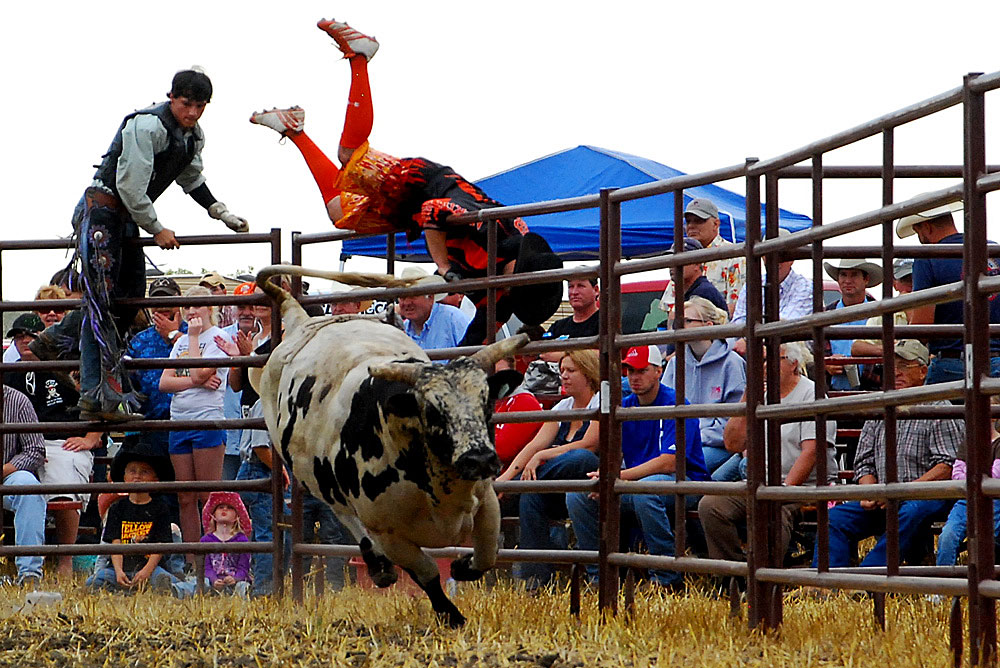

All photos © C. Ford. I haven’t photographed Bull Riders in some time, but it’s always interesting, and a tad dangerous. Great way to get your camera absolutely filthy, too. I’ve come very close to being seriously injured when someone comes flying over the corral fence, and been charged more than once, too, as in the last photo. He was coming straight for me, and I held my ground long enough to get a shot, then scooched back *very fast*, in time to watch and hear the head clang on the corral fence. The only caption on that type of shot is “Oh Fuck!” There’s more here.
I love Hollyhocks. More importantly, bees love them. Click for full size.
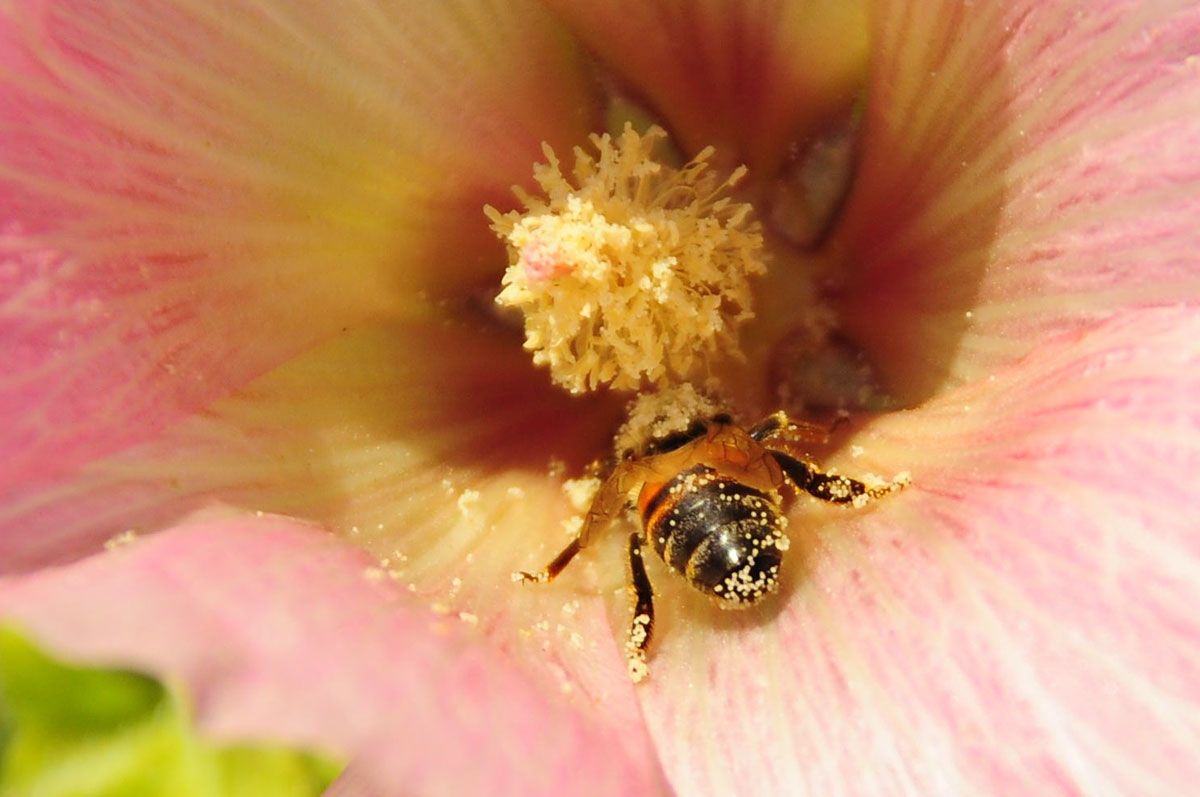


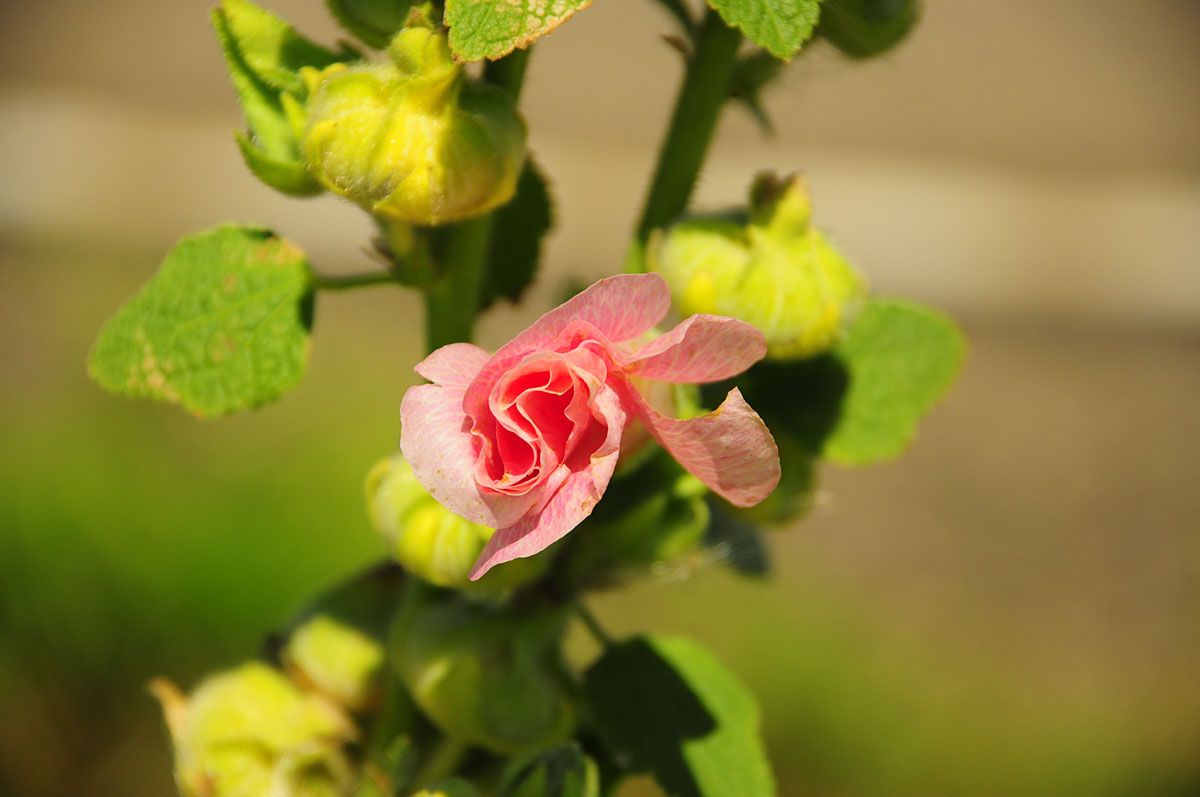
Photos © C. Ford.

© C. Ford. Click for full size.
From Giliell. I don’t know what the flower is, besides beautiful. The Butterfly, ohhhh.

© Giliell.

© Giliell.
I had an almost empty tube of black acrylic, so I gave it to Grace and crew. Oh, and for obsessive asses at certain corners of the ‘net, why yes, that is a Hobby Lobby label! That paint was purchased years ago, prior to imposing a self-ban on buying there. Have fun insisting I’m lying!


Photos © C. Ford.
First up, absolutely stunning macro shots of some awesome insect architecture: Macro Photographs of Nature’s Tiniest Architects by Nicky Bay. Be sure to click the link so you can see all of the photos. All I have is “Wow!”

Arctiine moth pupa (Cyana sp.)

Bagworm Moth
Next, a lake of mirrors. This left me speechless. A Photographer’s Digital Journey to Produce a Lake of Shattered Mirrors.

“Impact” by Erik Johansson, image provided by artist.
Swedish photographer Erik Johansson had a vision for a digital photograph of a lake shattering like a mirror, an image he wanted to produce as accurately as possible. To achieve this effect for Impact, Johansson bought 17 square meters of mirrors, found a boat and a model, and posed all three in a stone pit until he got the best shot for the final image. Several months of planning, shooting, and editing later and he has an entire video that documents the tasks that lie far beyond the many hours he spent in Photoshop.
Actually, leaves. Tulip leaves. I look forward to the tulips blossoming so much. Click for full size.

© C. Ford.
Lilac. Click for full size.

© C. Ford
From last Summer, a baby Bluejay trying to get an adult to show up with food. Click for full size.
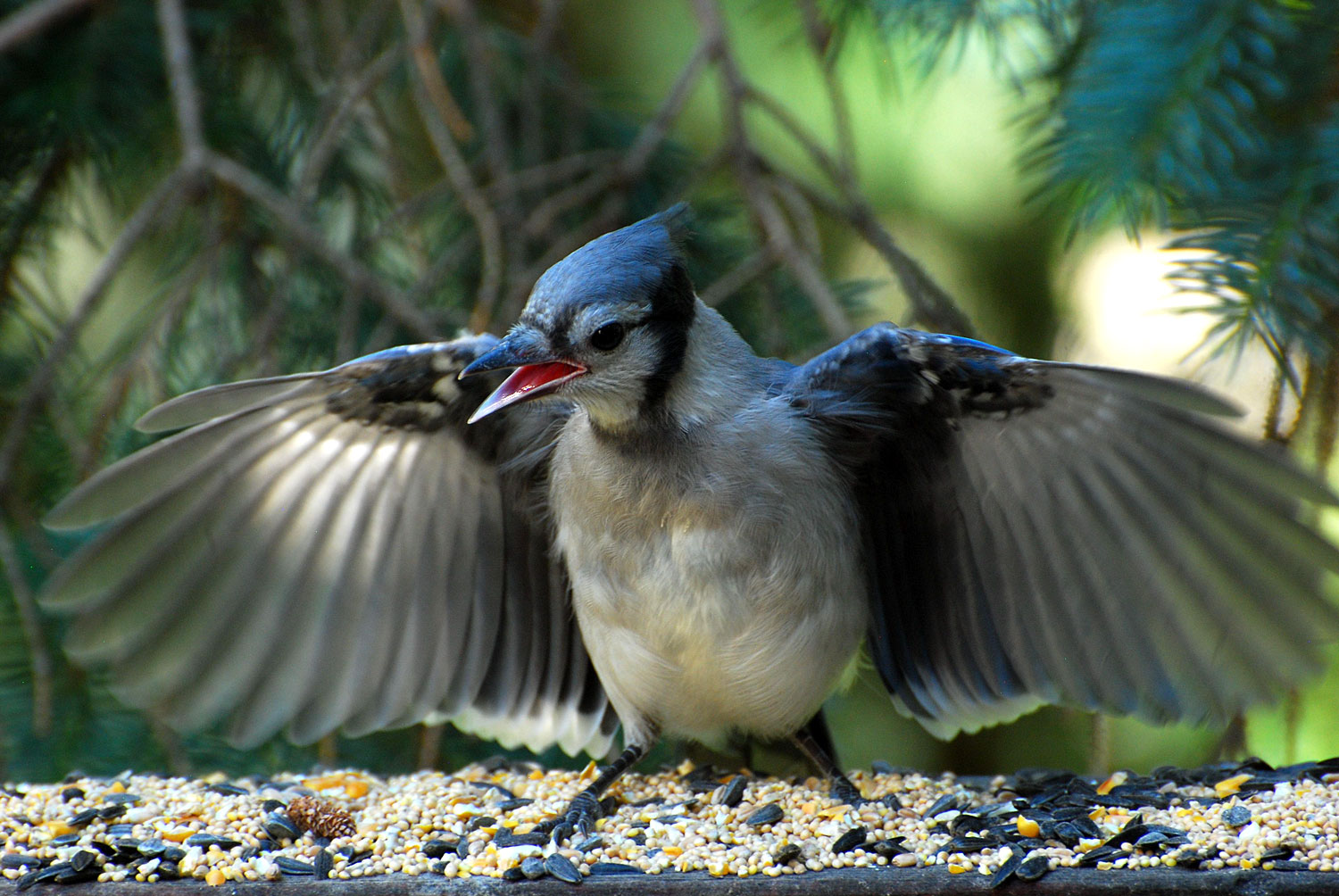


All photos © C. Ford. All rights reserved.
because I’m off to town today. Click for full size.
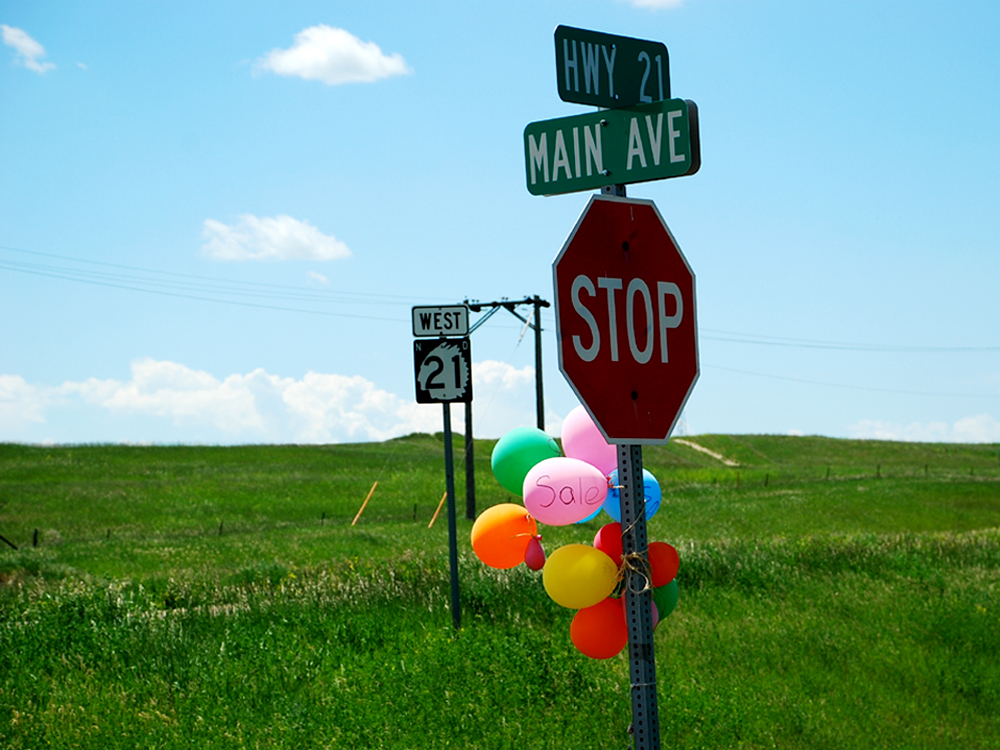
© C. Ford
Aquilegia. Click for full size.

© C. Ford
Columbines have been important in the study of evolution. It was found that Sierra Columbine (A. pubescens) and Crimson Columbine (A. formosa) each have adapted specifically to a pollinator. Bees and hummingbirds are the visitors to A. formosa, while hawkmoths would only visit A. pubescens when given a choice. Such a “pollination syndrome”, being due to flower color and orientation controlled by their genetics, ensures reproductive isolation and can be a cause of speciation.
Aquilegia petals show an enormous range of petal spur length diversity ranging from a centimeter to the 15 cm spurs of Aquilegia longissima. Selection from pollinator shifts is suggested to have driven these changes in nectar spur length. Interestingly, it was shown that this amazing spur length diversity is achieved solely through changing cell shape, not cell number or cell size. This suggests that a simple microscopic change can result in a dramatic evolutionarily relevant morphological change. Source.
