Click for full size. The Painter is a self portrait of Hess. Text translations in comments.

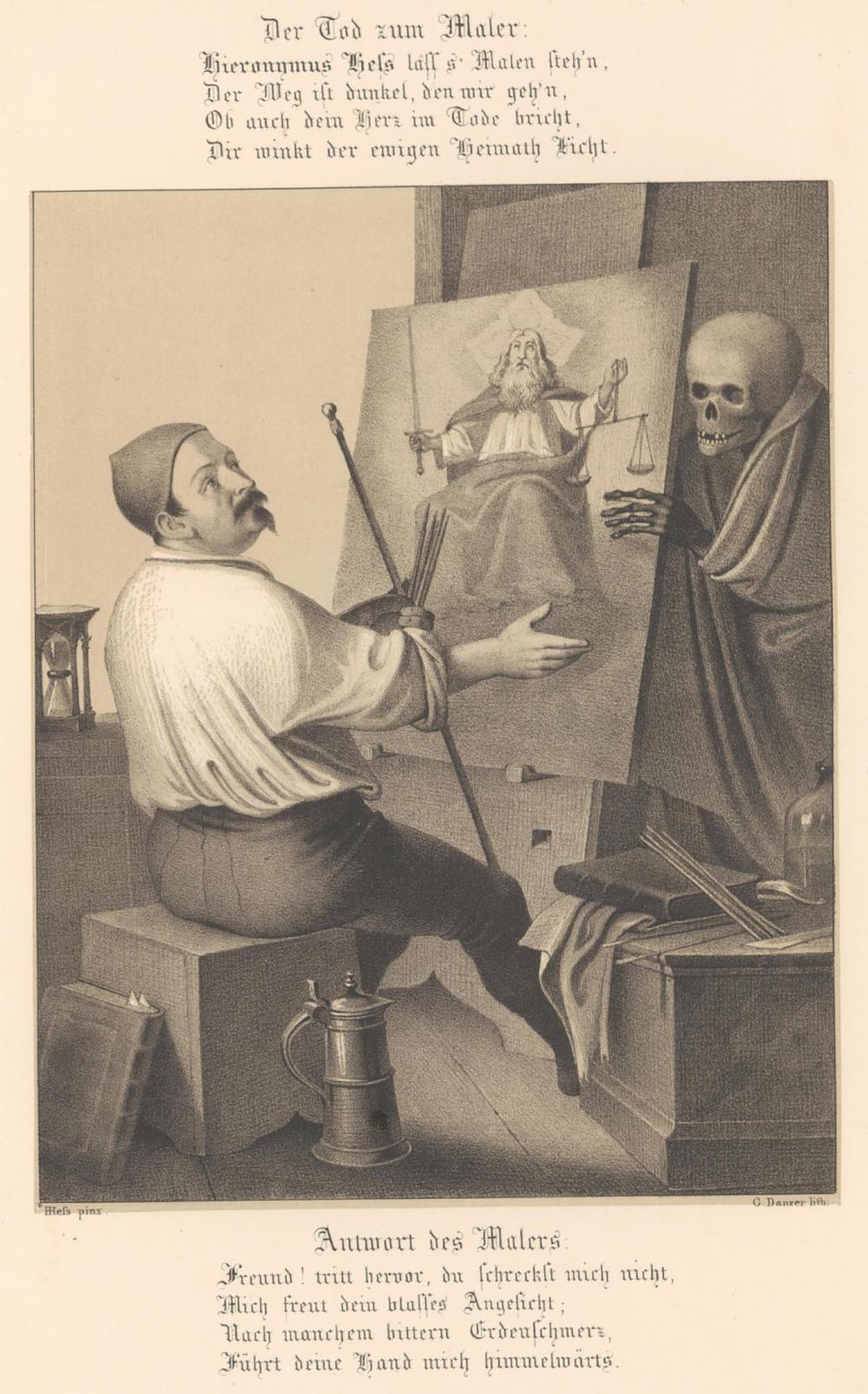

Click for full size. The Painter is a self portrait of Hess. Text translations in comments.
I think Boris Artzybasheff was one of the greatest artists ever. His artistic explorations of emotional and mental states were, and are, absolutely stunning. He had a great gift for being able to draw and express such states perfectly. All of them instantly recognizable, so much so they come as a bit of a shock. Have a look here for more amazing art by Mr. Artzybasheff. Click for full size.

Anxiety, Frustration, Repressed Hostility. Boris Artzybasheff, 1947, published in Life Magazine. Subject: Psychiatry, Emotions, Mental Health.
Zeal & Ardor – Blood In The River. A Jayne-Approved™ sing along song.
a good god is a dead one
a good god is the one
Is the one that brings the fire
a good god is a dead one
a good god is the one
Is the one that brings the fire
a good lord is a dark one
a good lord is the one that brings the fire
a good lord is a dark one
a good lord is the one that brings the fire
the riverbed will run red with the blood of the saints and the blood of the holy
the one that brings the fire
the riverbed will run red with the blood of the saints and the blood of the holy
the one that brings the fire
a good god is a dead one
a good god
is the one that brings the fire
a good god is a dead one
a good god is the one
Is the one that brings the fire
a good lord is a dark one
a good lord is the one that brings the fire
a good lord is a dark one
a good lord is the one that brings the fire
the riverbed will run red with the blood of the saints and the blood of the holy
the one that brings the fire
the riverbed will run red with the blood of the saints and the blood of the holy
the one that brings the fire
the riverbed will run red with the blood of the saints and the blood of the holy
the riverbed will run red
a good lord is a dead one
the riverbed will run red
I am not done with the “Behind the Iron Curtain” series, but right now my mind is way too focused on other things.
One such thing was the conundrum of measuring hardness of steel. There is no way I can spend thousands of € on measuring equipment. And the cheapest “sort of” evaluation of hardness is a set of five needle files that costs over 200,-€. I would rather spend that money on materials, but I do not mind spending a few hours of work.
So yesterday I had my first shot at this issue.
First thing I have done was to find in my scrap pile old and damaged hack saw blade. I have heated it piecemeal with handheld propane torch to orange heat and quenched it in a bucket of water. Since it is uniform thickness, the water does cause no cracking this way and quenches the steel very nicely and without flames or stink. 
After quenching each segment I broke it off (it breaks really easy) and proceeded further, untill there was no unhardened steel left. After that I broke all the pieces into much smaller pieces until I had a nice little pile of extra hard steel shards.
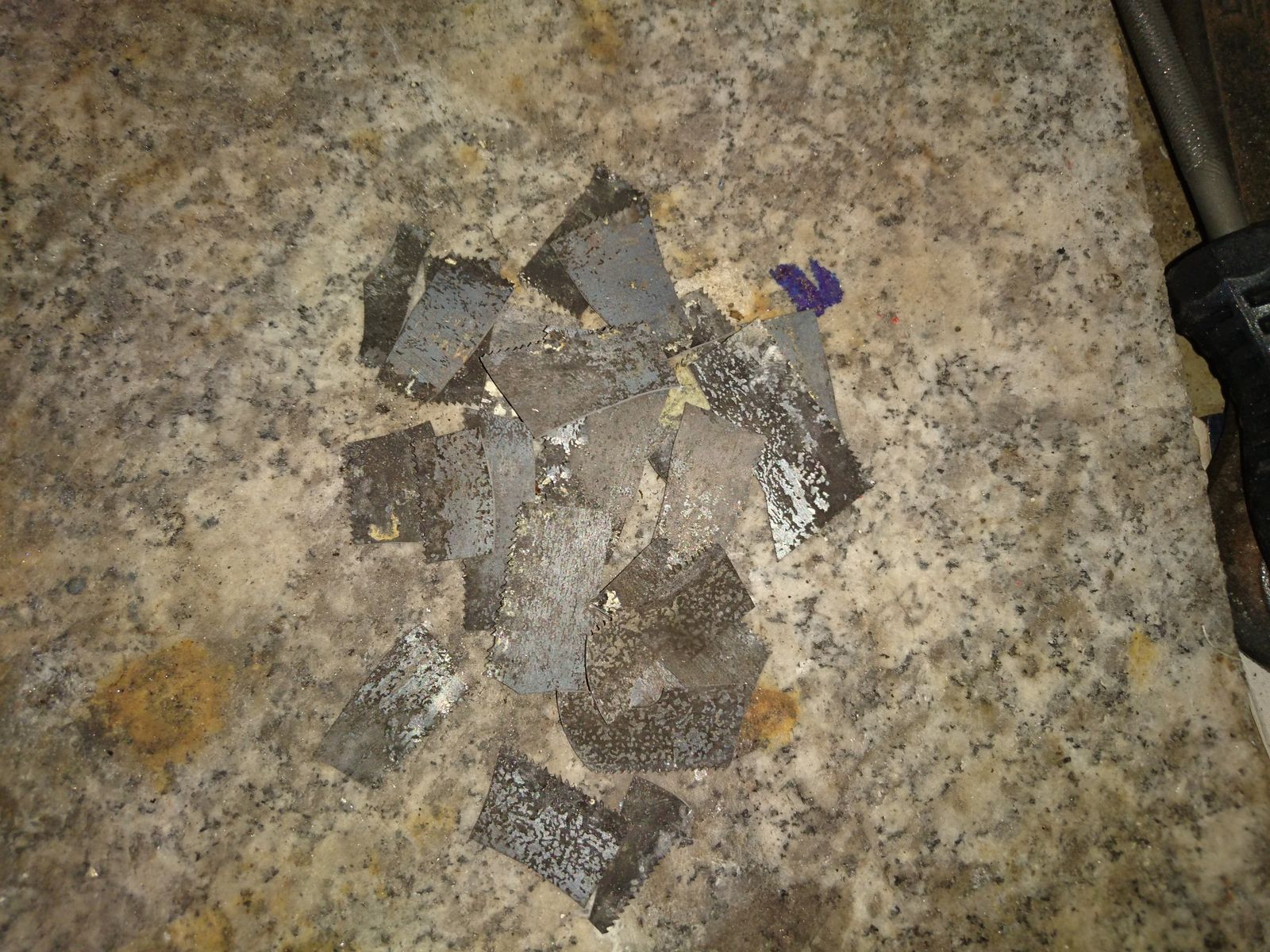
These I have dunked straightaway in a pot with about 1 cm of sunflower seed oil and proceeded to my kitchen. There I was heating the oil very slowly to temper the steel whilst measuring the temperature with my IR thermometer. The higher the temperature, the lower the steel hardness, so I had temperature steps predefined at which I took a few pieces of steel out of the oil bath.
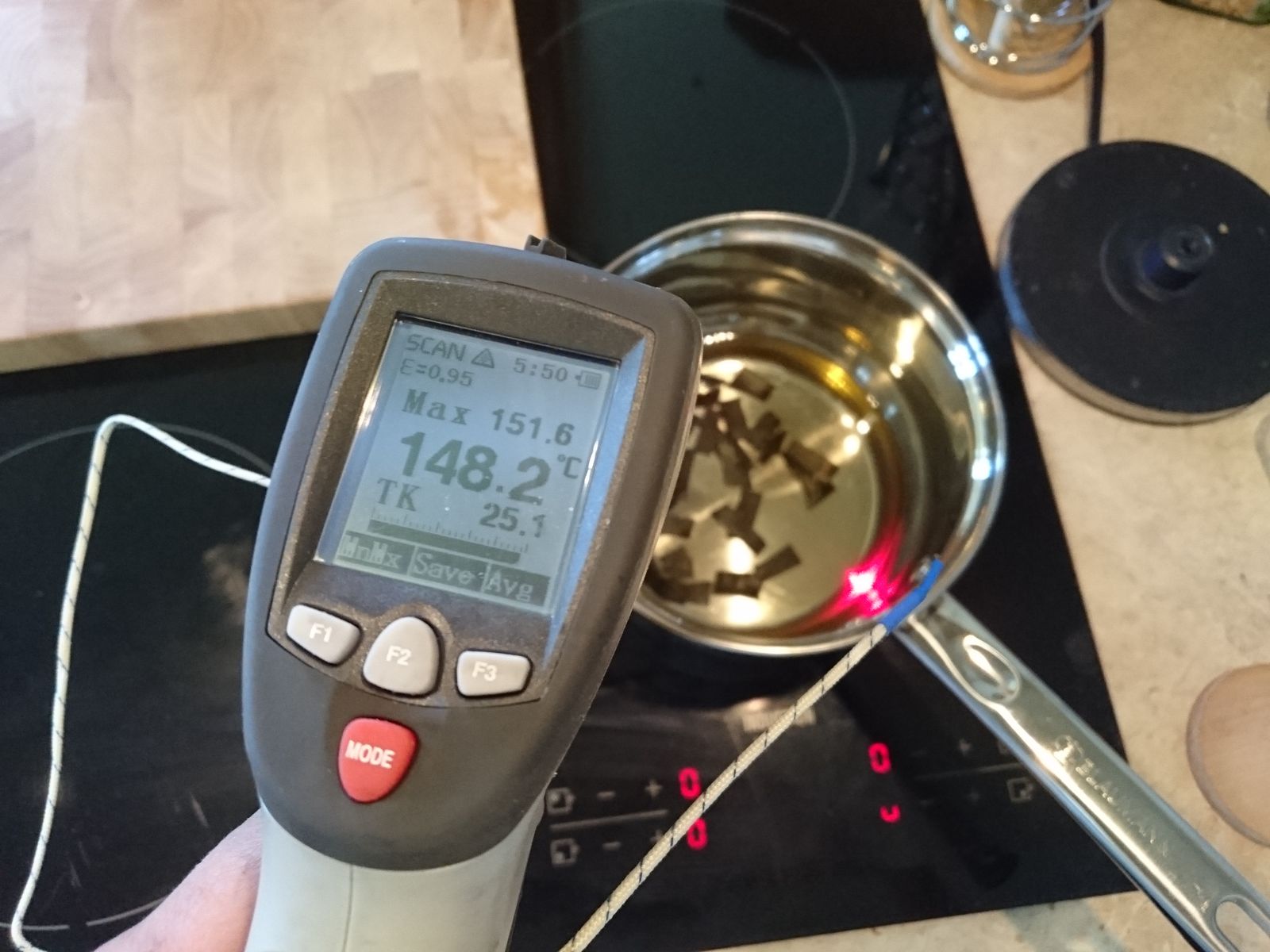 For that I have found this site on the Interwebs that was kind enough to post a table of hardness versus tempering temperature with not only the silly units the USA uses but also the sensible units the civilised world uses¹, so I could actually understand what temperature ranges we are talking about. I wrote the temperatures from the table on pieces of paper and put them into small receptacles in which I have placed the tempered shards. I did try to hold the temperatures for about 15 minutes, but for a steel this thin that is not completely necessary.
At 260°C I stopped, because after that the oil could ignite, and I made the remaining temperatures on a fireclay brick with handheld torch. For these soft rangers I do not need much precision anyways.
 With all the shards tempered and hardened I have cut ten pieces of hardwood from old spokes from my crib. They are a bit too thick, but I had no wooden dowels of the right thickness in my pile and I did not want to use wood set aside for arrows. I cut a groove in each piece and marked the pieces 1 to 10 with roman numerals (because those are easy to carve with a knife).
After that I glued one shard in each groove with fast healing epoxy. The softest one in the I and the hardest one in X. Once the epoxy has healed, all that was left was to sharpen the shards on my belt grinder and I was done.
I have tried whether the hardness progresses from I to X and it does. 10 is able to scratch everything, I scratches nothing, and each higher number seems to scratch the one below but not the one above. Here they are (one is missing in the picture, I do not know why, how typical of me to miss-lay things in a matter of seconds).

I measured the dagger on the tang where it is hardened but will not be visible later on. VIII scratched, VII almost scratched, VI did not scratch at all. The hardness should be therefore somewhere around 58 HRC. That is hard enough to keep an edge, but not so hard as to shatter or break easily or eat sharpening stones.
As a proof of concept I would call it a definitive success. I have a set of tools that allows me to estimate the hardness of steel from about 40 to 65 HRC. Not with great precision, but well enough to be useful. After I get my hands on some suitable high carbon steel (about 1% is needed) of thickness about 2-3 mm, I will make better ones, chisel-like, with not only a tip to scratch, but also an area to be scratched.
A little backyard scientist project.
1 – I hate that USA insists on using the silly units and infests half the internet with that nonsense. Finding well written articles on the internet that are not in English is difficult and when something is written in English, it is often US-centric. As if USA did not spread enough misery as it is, it has to keep poisoning sciences and engineering with this utter garbage.
Absolutely stunning rose, if this was in my garden, I’d be staring at it every day. From Nightjar: And here is the rose whose story I told in TNET 21. I love it so much, I find myself stopping to stare at it every time I go to that corner in the garden. Definitely click for full size!


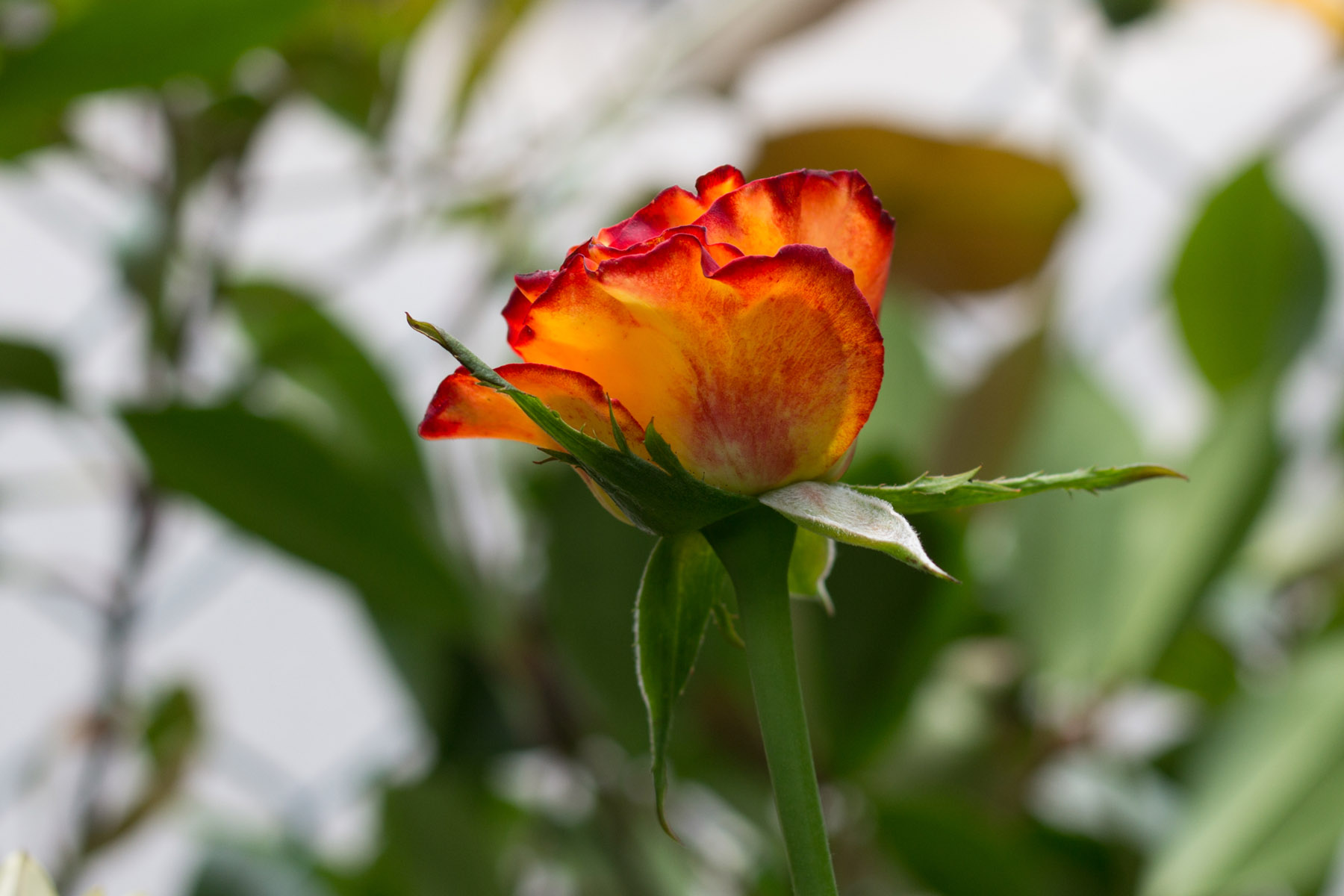
© Nightjar, all rights reserved.
Oh so finely dressed and gorgeous Black-necked Storks from David. Click for full size!
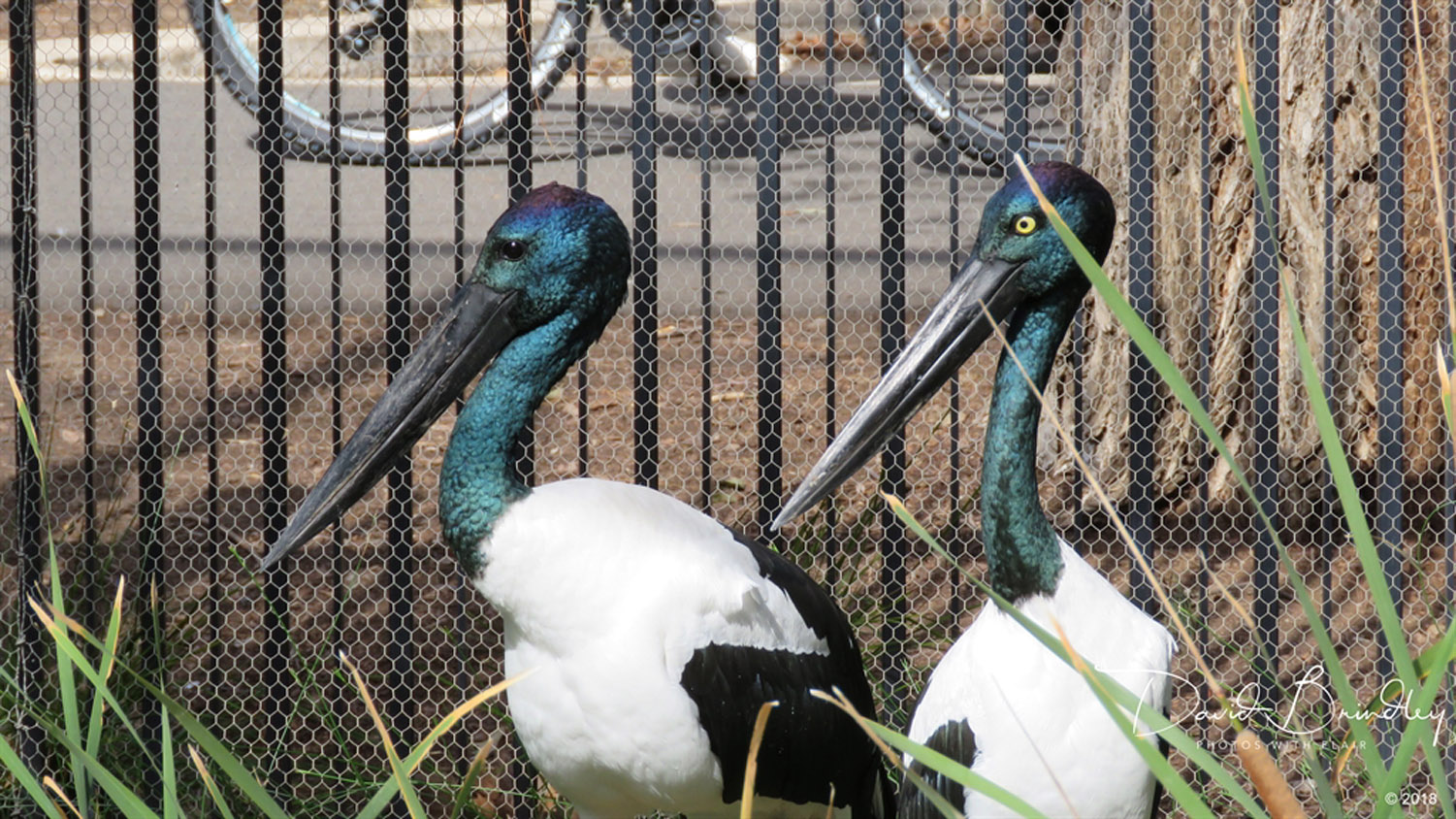
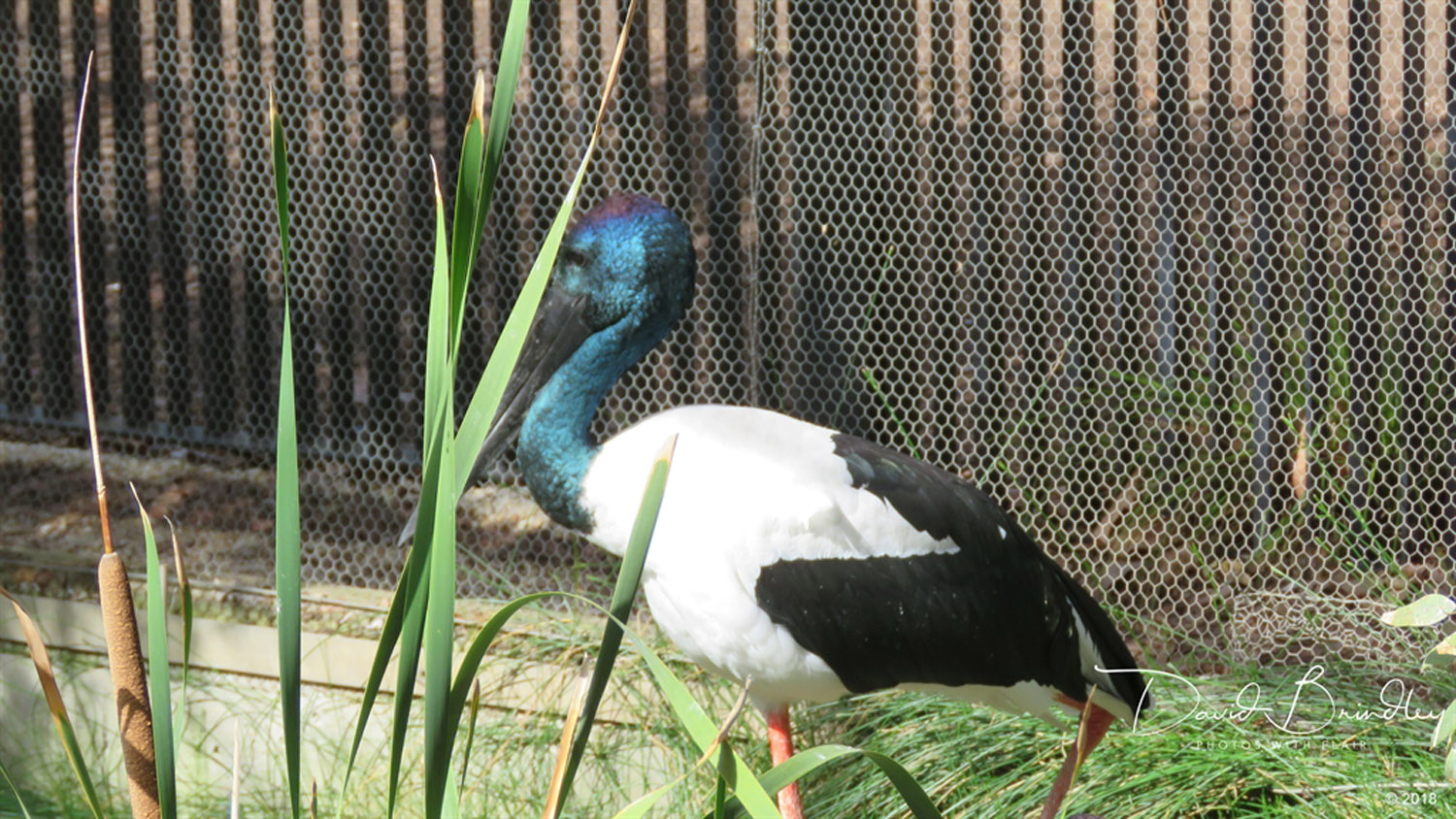
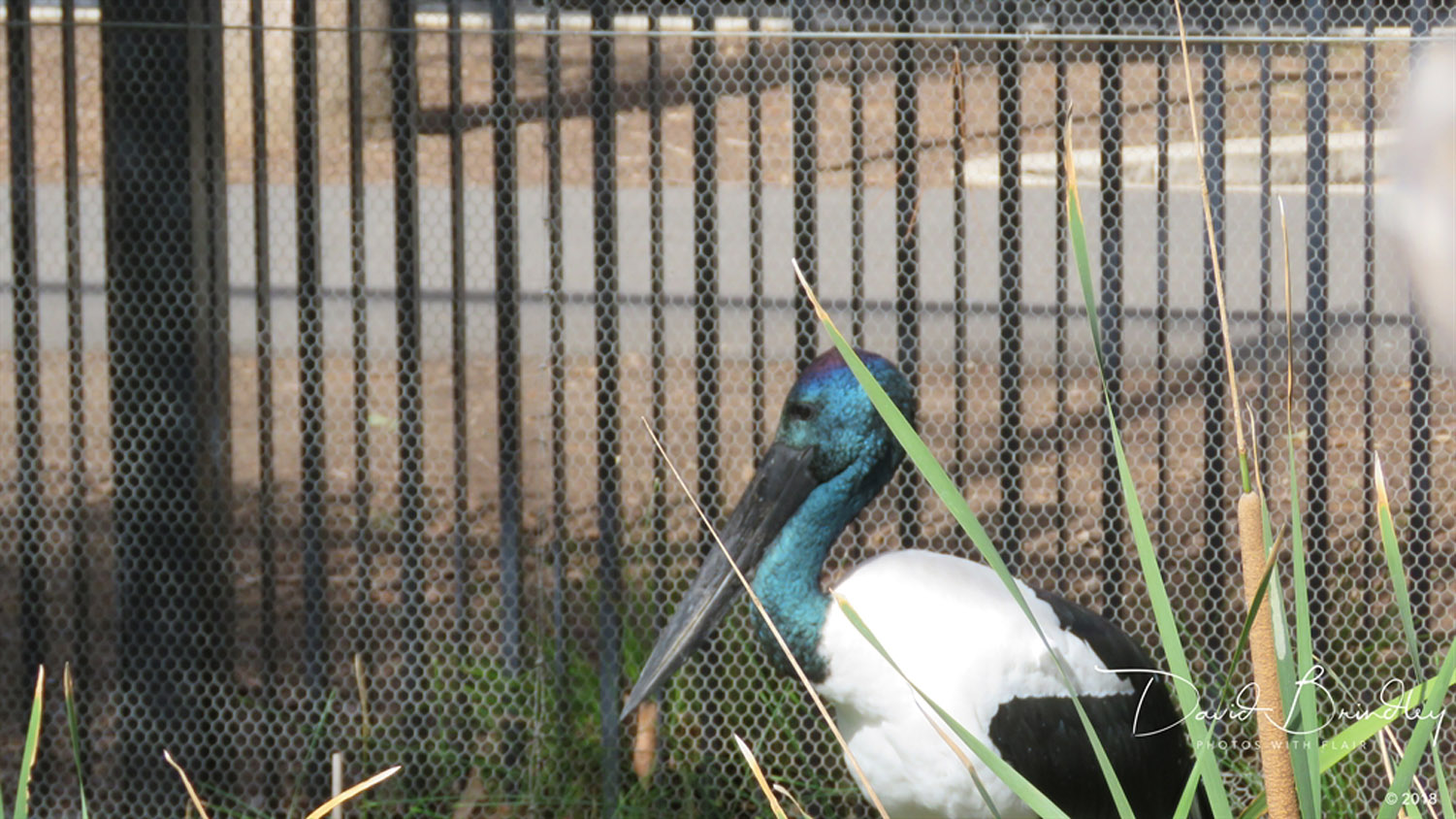
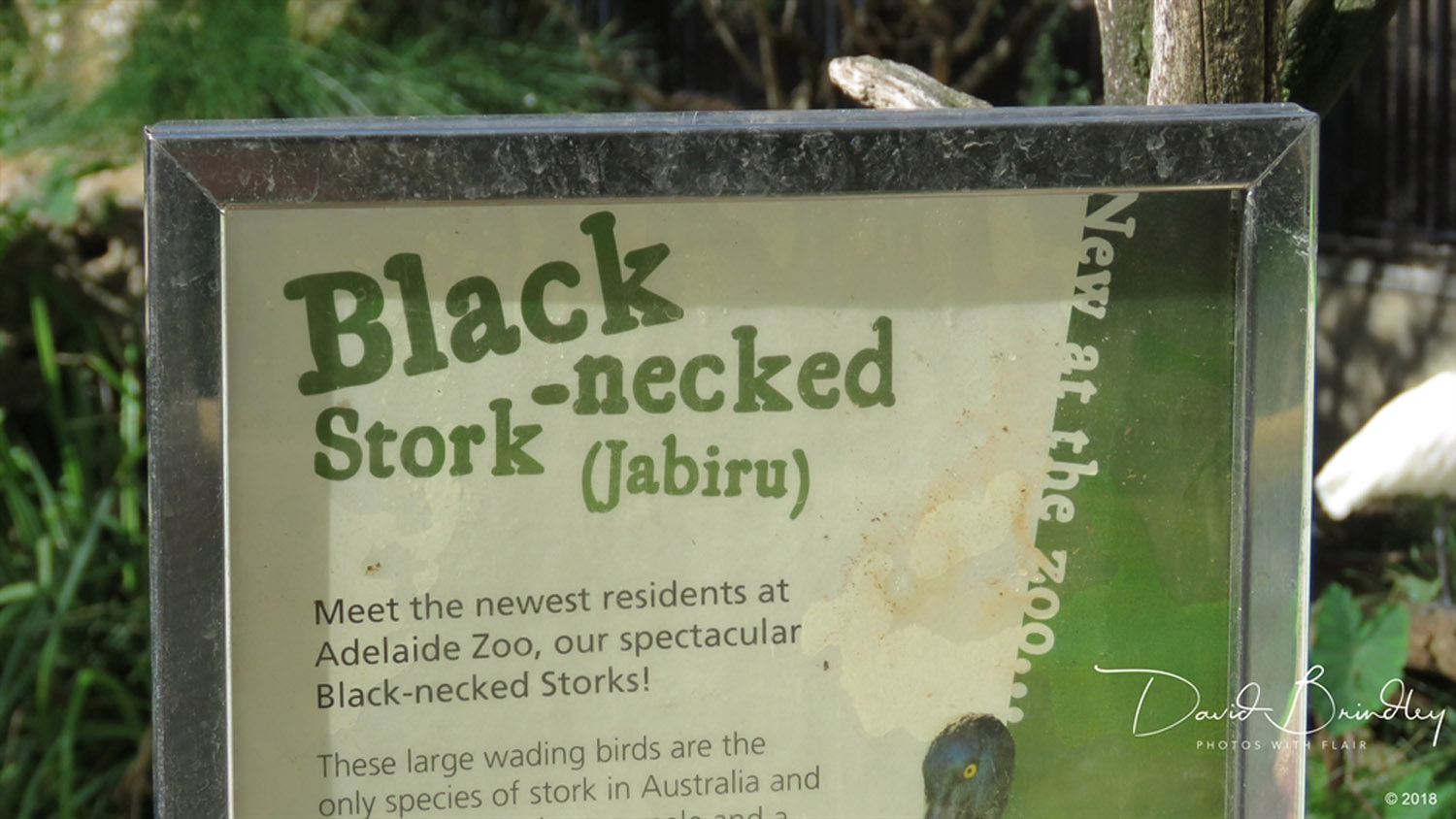

© David Brindley, all rights reserved.
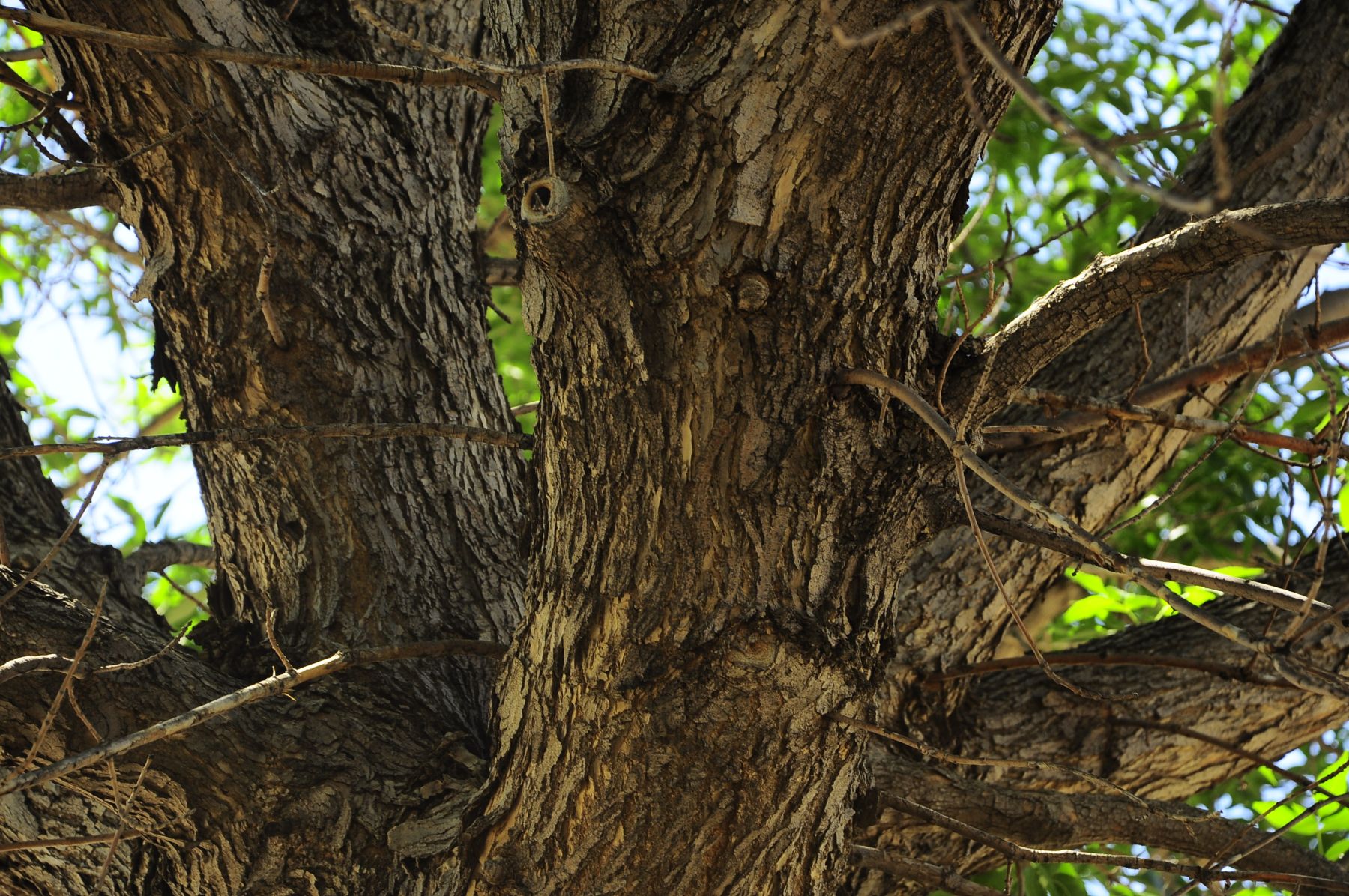
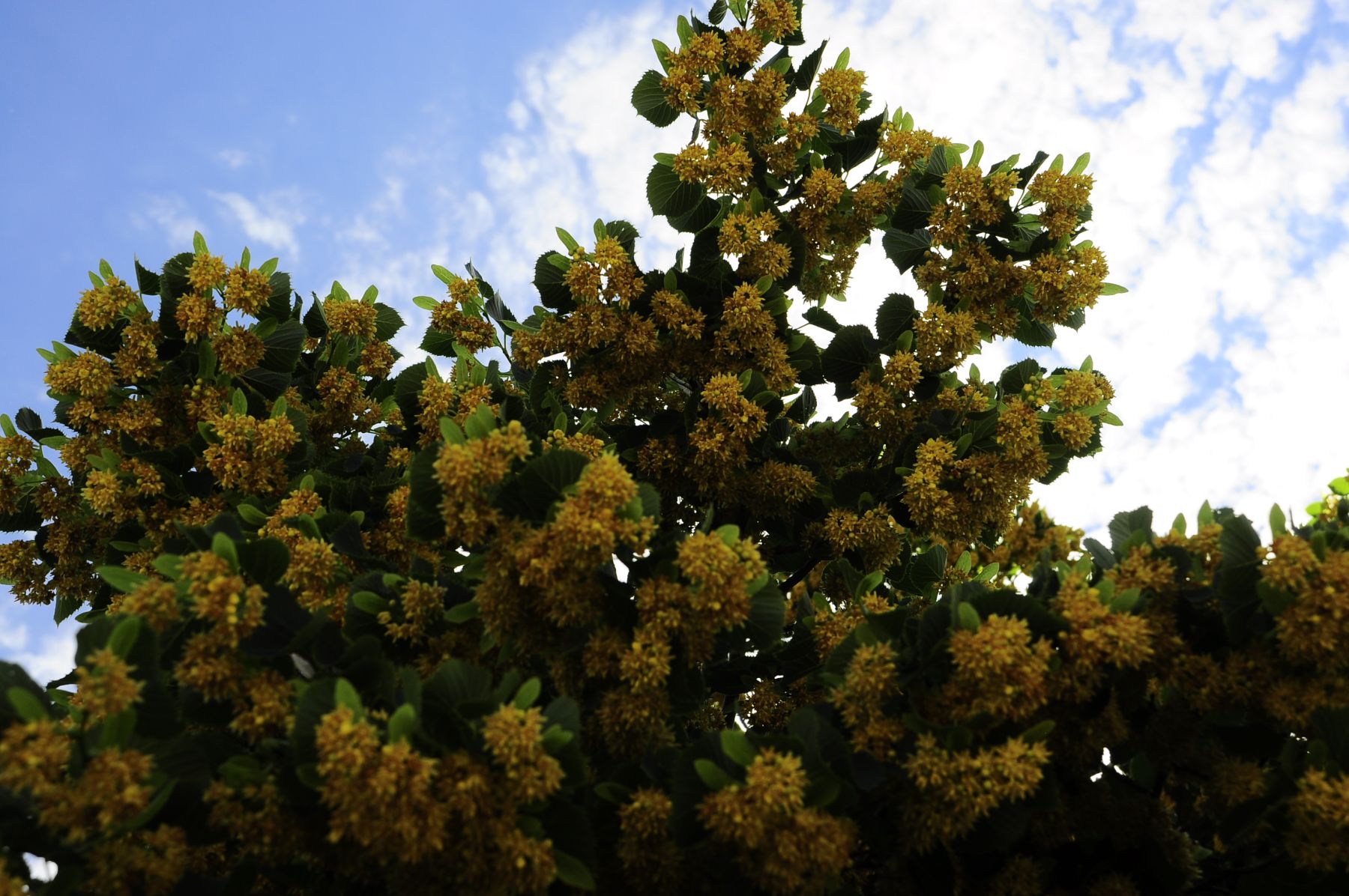
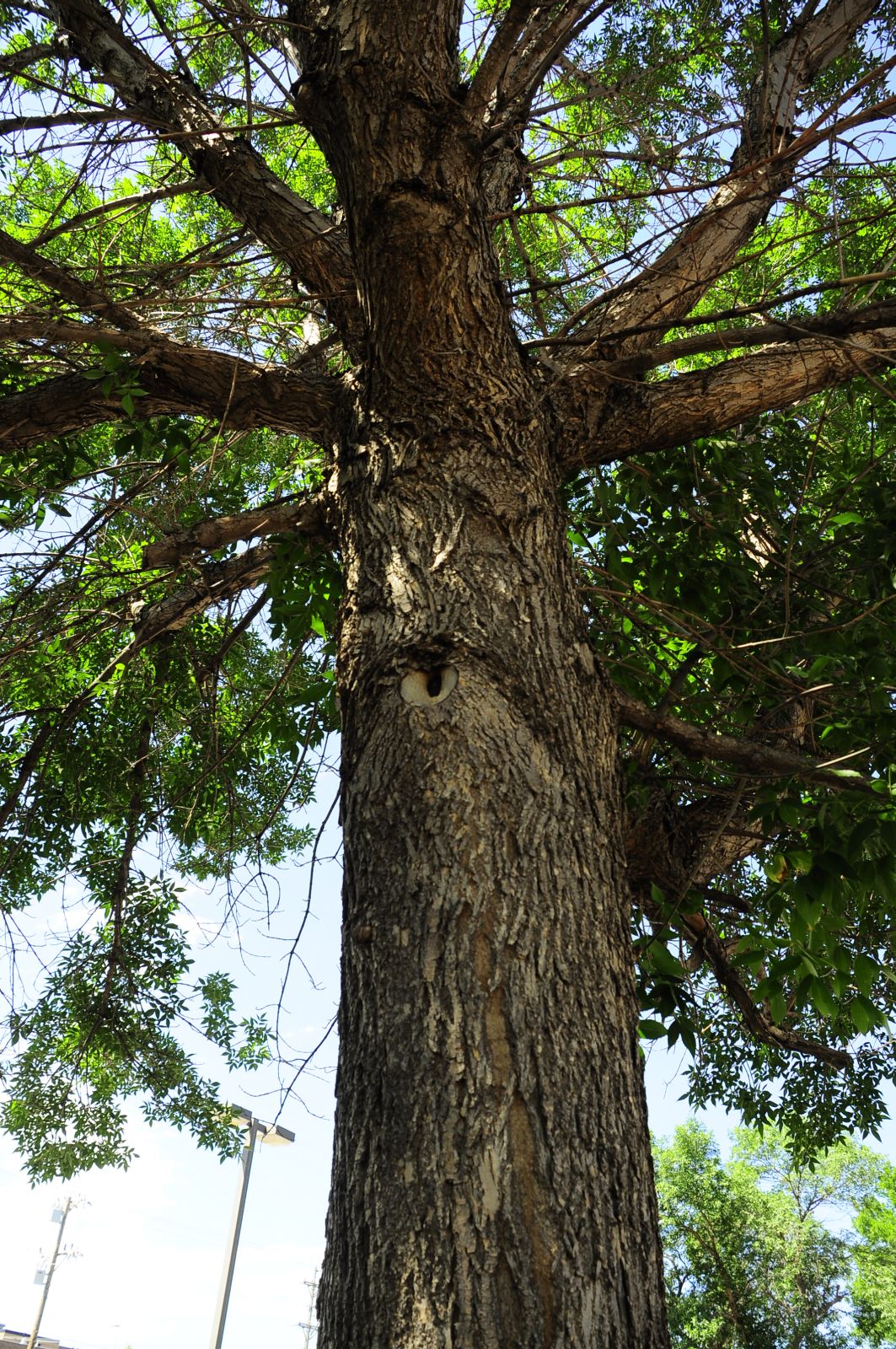
The ‘Eye of Elm‘ is actually ‘Eye of Ash’. Ooops. Here’s more of the Ash, and Linden Blossoms. In the first photo, the window at the top right is my apartment. Click for full size.



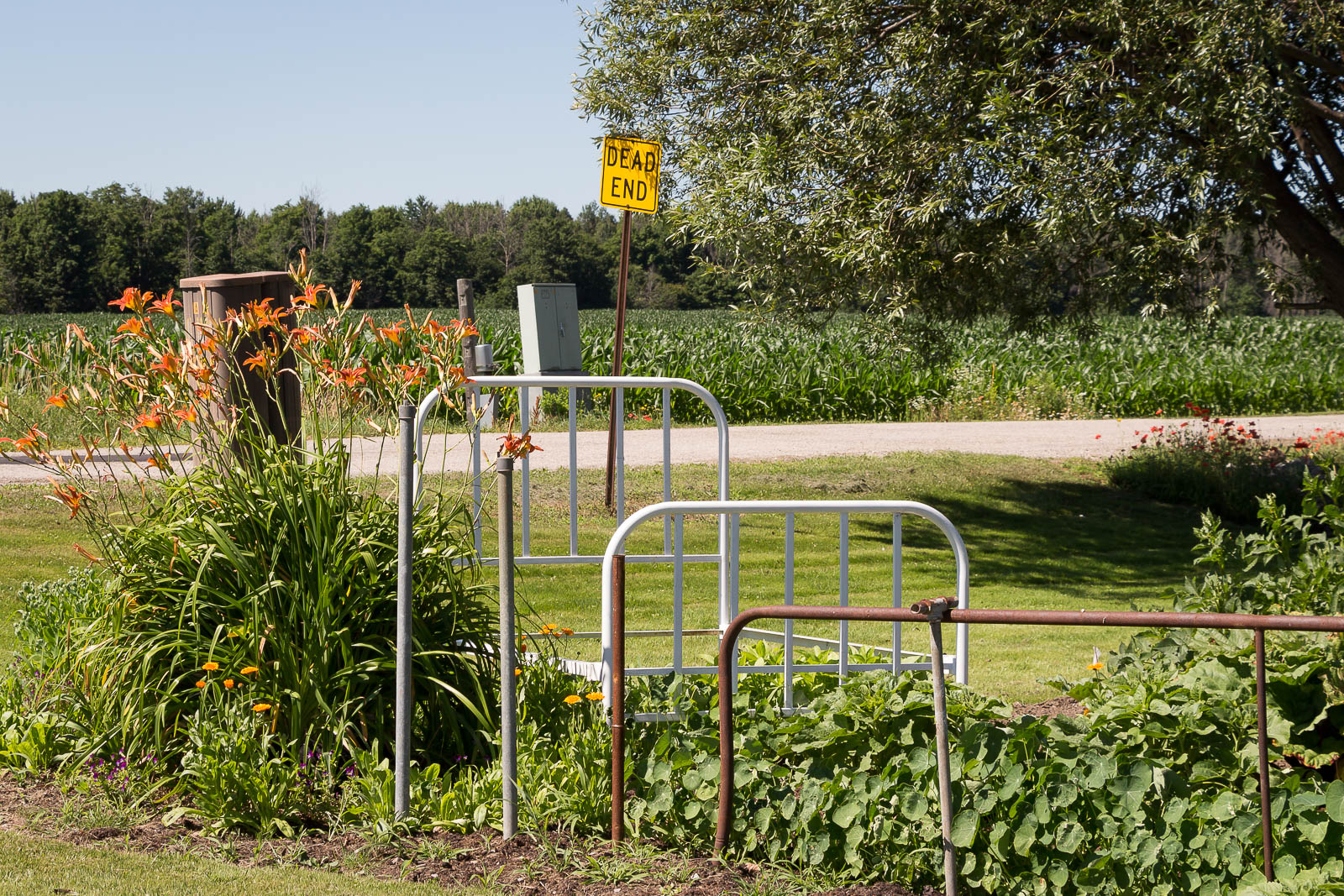
Dead End, ©voyager, all rights reserved
Click for full size. Text translations in comments.


Click for full size.

Charles Wright’s Champaign Driving Away Real Pain. Theodore Lane, Aquatint coloured, ca. 1824-26. Inscription: Wine Cures the Gout, the Colic and the Phthisic, Wine it is to all men the very Best of Physic. Subject: Charles Wright, Alcoholic Beverages, Wine, Gout, Cholic, Asthma.
My beautiful Grace walked on last month, she’s missed. Here she’s having a delicious skate, cleaning up maple syrup, one of her most favourite things. Click for full size.


© C. Ford, all rights reserved.
From Giliell, click for full size!


© Giliell, all rights reserved.