Click for full size.

Taking An Emetic. Isaac Cruikshank, Laid, 1800. Subject: Emetics, Vomiting.

Click for full size.
Taking An Emetic. Isaac Cruikshank, Laid, 1800. Subject: Emetics, Vomiting.
One of my favourite Walter Sorrells’ videos. I like the idea of recycling old stuff into new, beautiful things. In fact I like that much more than making things from new materials.
It was Walter Sorrell’s videos what inspired me to try and build my own belt grinder.
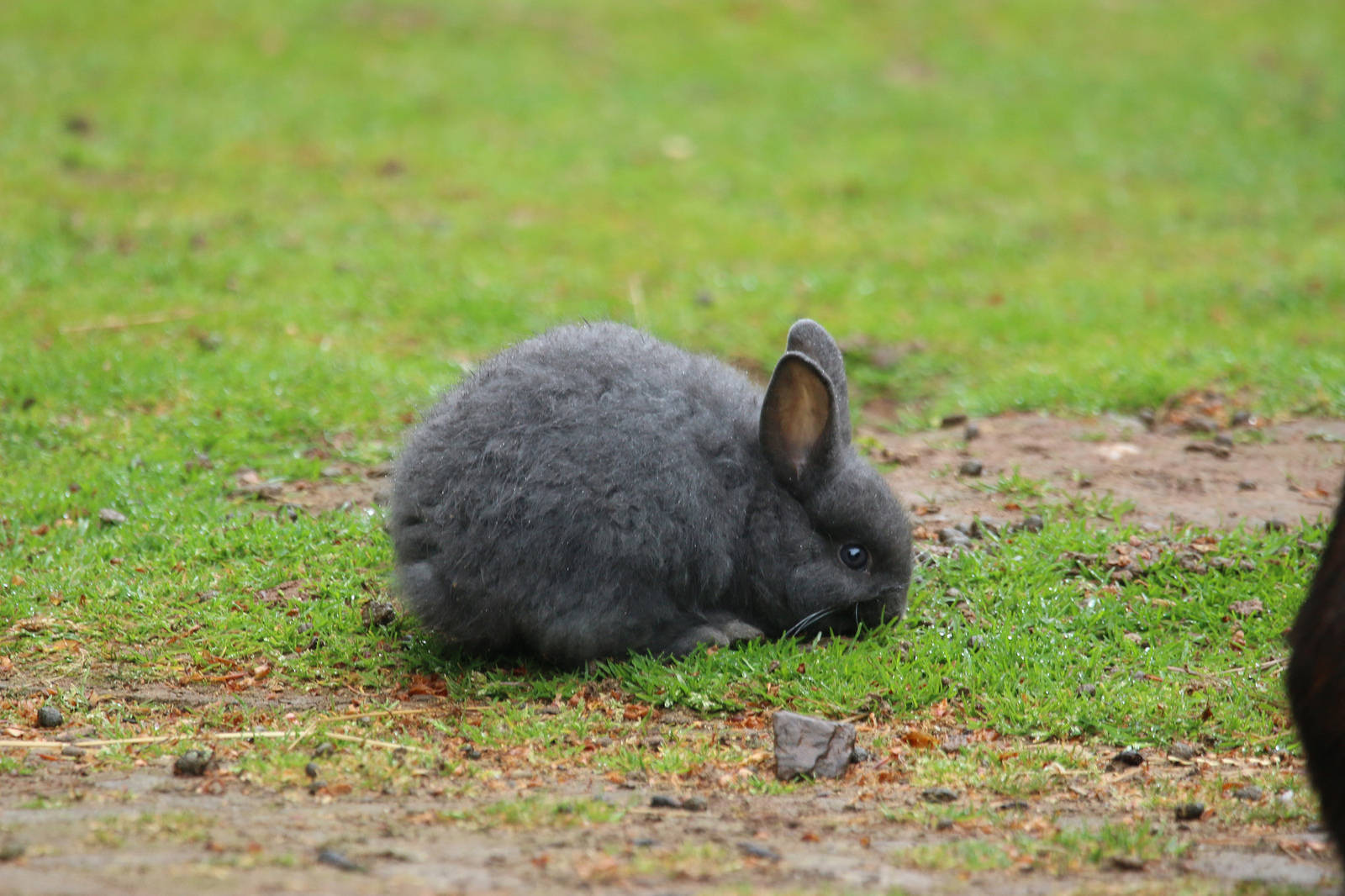
From Giliell, click for full size! In the last photo, I love how the patterning of the fur matches the trees.


© Giliell, all rights reserved.
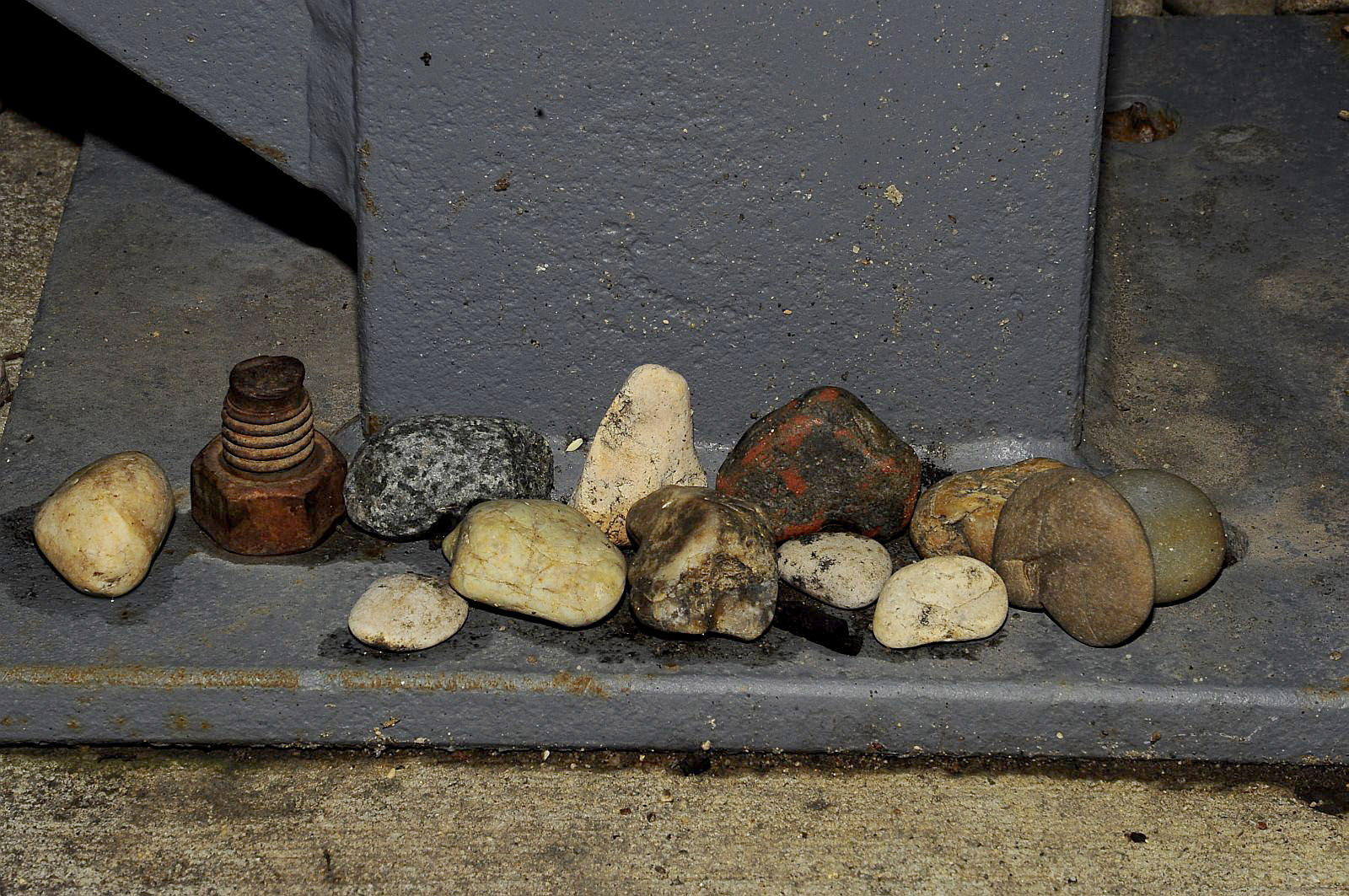
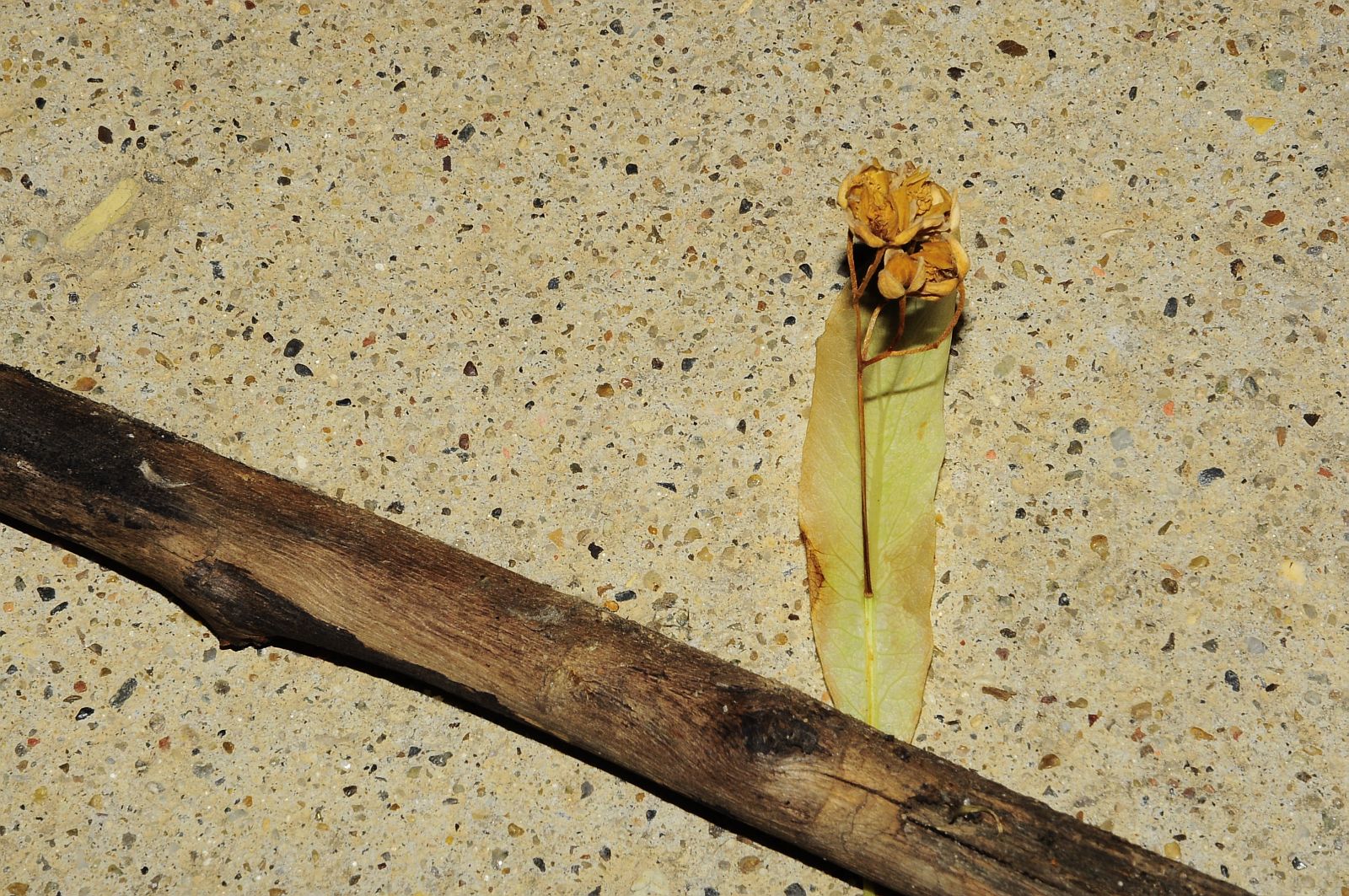
I had a nice, long wander all around the Cancer Center today, as it was closed. Some rocks & leaves to start. The 2nd photo are rocks I’ve been putting aside in a space by the Entish Dragon Elm, I go out and sit there every day for a while. Click for full size.




© C. Ford, all rights reserved.
Young redstart, from first brood this year. Bold as brass, I was outside, mere four-five meters away. That green background is my house.

©Charly, all rights reserved. Click for full size.
Click for full size.




© C. Ford, all rights reserved.
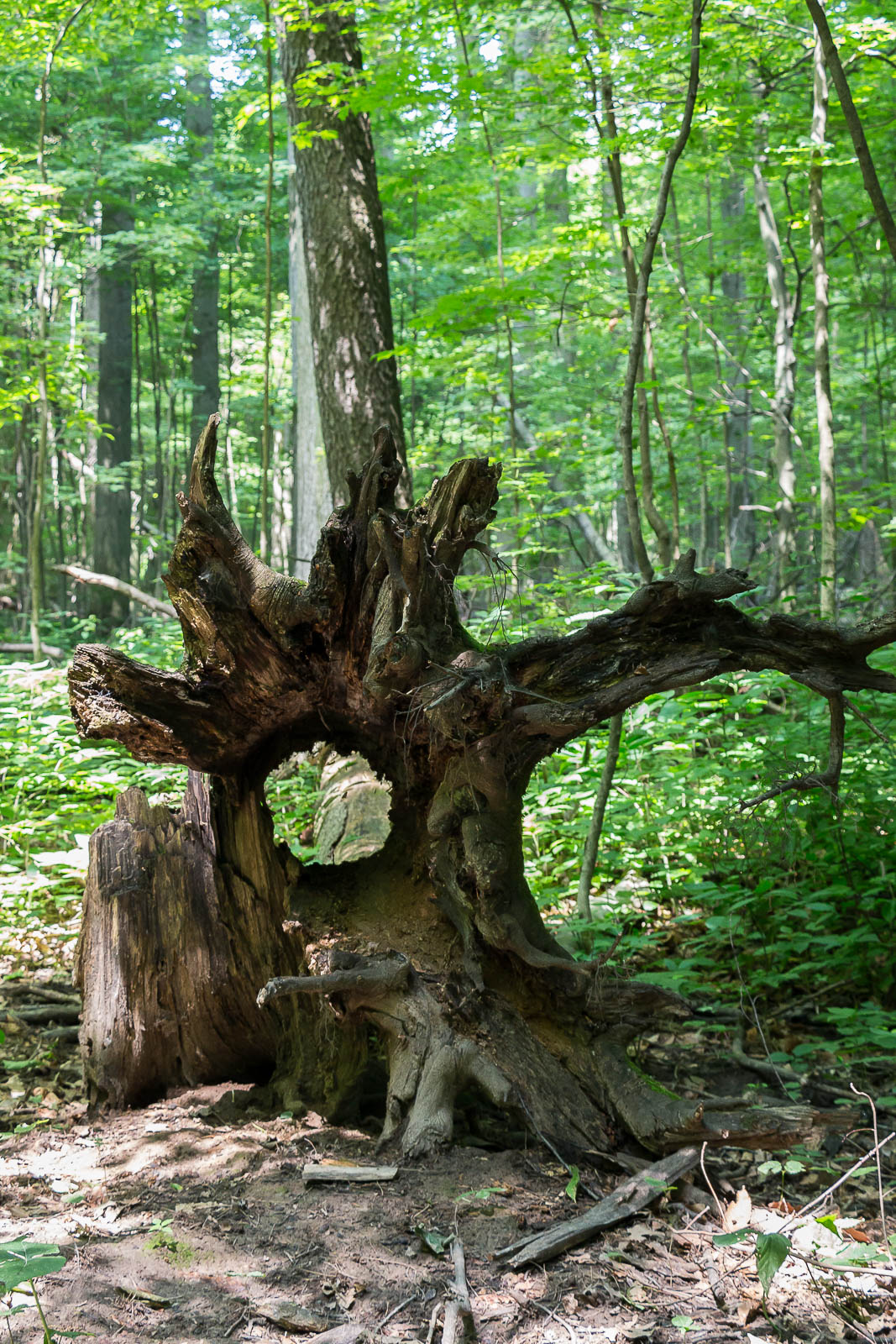
Uprooted, ©voyager, all rights reserved
 Canting
Adjective: affectedly pious or righteous <a canting moralist> [Origin: 5Cant.]
(1663)
1Cant
Adjective dialectal, England: Lively, Lusty. [Origin: Middle English, probably from Middle Low German kant.]
(14th Century)
²Cant
Transitive verb.
1: to give a cant or oblique edge to: bevel.
2: to set at an angle: Tilt.
3: Chiefly British: to throw with a lurch.
Intransitive verb.
1: to pitch to one side: lean.
2: slope.
[Origin: ³Cant]
(Circa 1543)
³Cant
Noun.
1: Obsolete: corner, niche.
2: an external angle (as of a building).
3: a log with one or more squared sides.
4a: an oblique or slanting surface b: inclination, slope.
[Origin: Middle English cant side, probably from Middle Dutch or Middle French dialect; Middle Dutch, edge, corner, from Middle French dialectal (Picard), from Latin canthus, cantus iron tire, perhaps of Celtic origin; akin to Welsh cant rim; perhaps akin to Greek kanthos corner of the eye.]
(1603)
4Cant
Adjective.
1: having canted corners or sides.
2: inclined.
(1663)
5Cant
Intransitive verb.
1: to talk or beg in a whining or singsong manner.
2: to speak in cant or jargon.
3: to talk hypocritically.
[Origin: perhaps from Middle French dialect (Norman-Picard) canter to tell, literally, to sing from Latin cantare.]
(1567)
6Cant
Noun.
1: affected singsong or whining speech.
2a: the private language of the underworld. b: obsolete: the phraseology peculiar to a religious class or sect. c: jargon.
3: a set or stock phrase.
4: the expression or repetition of conventional or trite opinions or sentiments; especially: the insincere use of pious words.
(1640)
“You could certainly call it that,” said Cornish. “Pompous, canting old hypocrite!” he went on. “Everybody’s got it in for him. Throws his weight about, ultra sanctimonious, and neck deep in graft for years past!” – The Mirror Crack’d from Side to Side, Agatha Christie.
There’s a lovely old Elm outside the apartment complex, this is a bit of it. Click for full size.

© C. Ford, all rights reserved.
TÝR – Hold The Heathen Hammer High.
The location where I spent this spring’s vacation has a very interesting path through the forest – many tree stumps along it are carved into beautiful statues, some somewhat realistic, some completely abstract. I saw an empty truck parked there with link to this website of Czech artist Jan Kužel. The style of the statues there corresponds to statues in the forest, so it is reasonable to deduce those statues are at least in part his work. These are done mostly with the use of a chainsaw, which is very impressive.
I checked and double checked and AFAIK Czech Law does not prohibit photographing and sharing of photographs of any art that is permanently displayed on public land with unrestricted access. Which is this case. So the photographs are mine, but the art they are depicting belongs to someone else. I will post only a couple of pictures at a time, because there is a lot of them.
It has begun on a clearing with a simple table and a couple of benches, and a road sign reading “To the Mountains” on the left and “Home” to the right.


©Charly, all rights reserved. Click for full size.
From Giliell, click for full size!




© Giliell, all rights reserved.