Why Does a White Guy Always Have to Be the Hero?

Matt Damon as William Garin in The Great Wall. Jason Boland/Universal Pictures.

Matt Damon as William Garin in The Great Wall. Jason Boland/Universal Pictures.

Chinese director Zhang Yimou, of Hero and House of Flying Daggers fame, made his English-language debut with The Great Wall, which opened Friday. But in a story set in ancient China, Matt Damon’s character sticks out like a sore thumb. The presence of his pale mug in movie posters and trailers drew backlash even before the film’s release. “We have to stop perpetuating the racist myth that only a white man can save the world,” Fresh Off the Boat actress Constance Wu wrote in a Twitter tirade. “We don’t need salvation.” Damon and Yimou both publicly defended the film, with Damon calling it “historical fantasy.”

[…]

The Great Wall exemplifies a related Hollywood trend where white characters play a dominant role in a foreign situation, while nonwhite locals are reduced to sidekicks or people “to be killed or rescued—or to have sex with,” as the Pulitzer Prize-winning author Viet Thanh Nguyen put it recently. Vogue recently added to the outrage over cultural tone-deafness by presenting Karlie Kloss, an American model of German and Danish descent, as a geisha—for the magazine’s diversity issue, no less. Vogue later removed the photographs from its website and Kloss apologized for her participation, but it was yet another episode in America’s long history of whitewashing Asians. We’ll leave you with this brief history of the same. Dig around and you’re sure to find plenty more.

Mother Jones provides a very brief history of Hollywood’s more infamous whitewashing efforts when it comes Asian-based movies, starting with Charlie Chan in 1926, and ending with The Great Wall in 2017. Click over to see them all.

Matt Damon plays a European mercenary who saves China from monsters in The Great Wall. Actress Constance Wu takes issue: “We like our color and our culture and our strengths and our own stories,” she writes. “Hollywood is supposed to be about making great stories. So make them.”

Full story at Mother Jones.

Also see:

Well, in response to The Great Wall’s upcoming release, people got the #ThankYouMattDamon hashtag trending, and it’s a hilariously sarcastic way for people to “thank” Damon for his all that’s he’s done to help stop people from thinking only white men can save the day. *eye-roll*

Blowin’ in the Wind.

Please sign, make your voice known. We must make a stand, we cannot fall in resignation.

How many roads must a man walk down
Before you call him a man?
Yes, ’n’ how many seas must a white dove sail
Before she sleeps in the sand?
Yes, ’n’ how many times must the cannonballs fly
Before they’re forever banned?
The answer, my friend, is blowin’ in the wind
The answer is blowin’ in the wind

How many years can a mountain exist
Before it’s washed to the sea?
Yes, ’n’ how many years can some people exist
Before they’re allowed to be free?
Yes, ’n’ how many times can a man turn his head
Pretending he just doesn’t see?
The answer, my friend, is blowin’ in the wind
The answer is blowin’ in the wind

How many times must a man look up
Before he can see the sky?
Yes, ’n’ how many ears must one man have
Before he can hear people cry?
Yes, ’n’ how many deaths will it take till he knows
That too many people have died?
The answer, my friend, is blowin’ in the wind
The answer is blowin’ in the wind

http://bobdylan.com/songs/blowin-wind/

Hands Off Our Revolution.

HOOR

MISSION STATEMENT.

 
We are a global coalition affirming the radical nature of art. We believe that art can help counter the rising rhetoric of right-wing populism, fascism and the increasingly stark expressions of xenophobia, racism, sexism, homophobia and unapologetic intolerance.

We know that freedom is never granted – it is won. Justice is never given – it is exacted. Both must be fought for and protected, yet their promise has seldom been so fragile, so close to slipping from our grasp, as at this moment.

As artists, it is our job and our duty to reimagine and reinvent social relations threatened by right-wing populist rule. It is our responsibility to stand together in solidarity. We will not go quietly. It is our role and our opportunity, using our own particular forms, private and public spaces, to engage people in thinking together and debating ideas, with clarity, openness and resilience.

OUR PROJECT.

 
A series of contemporary art exhibitions and actions that confront, head on, the rise of right-wing populism in the US, Europe and elsewhere. Exhibitions featuring critically engaged contemporary artists and taking place in central art institutions as well as alternative spaces, that will bring into public view statements, questions and reflections on the state we are in. To do what art has always endeavored: to help envision and shape the world in which we want to live.

Proceeds will go to arts & activist causes and building the coalition.

Hands Off Our Revolution.

Assuming the Pity Position.

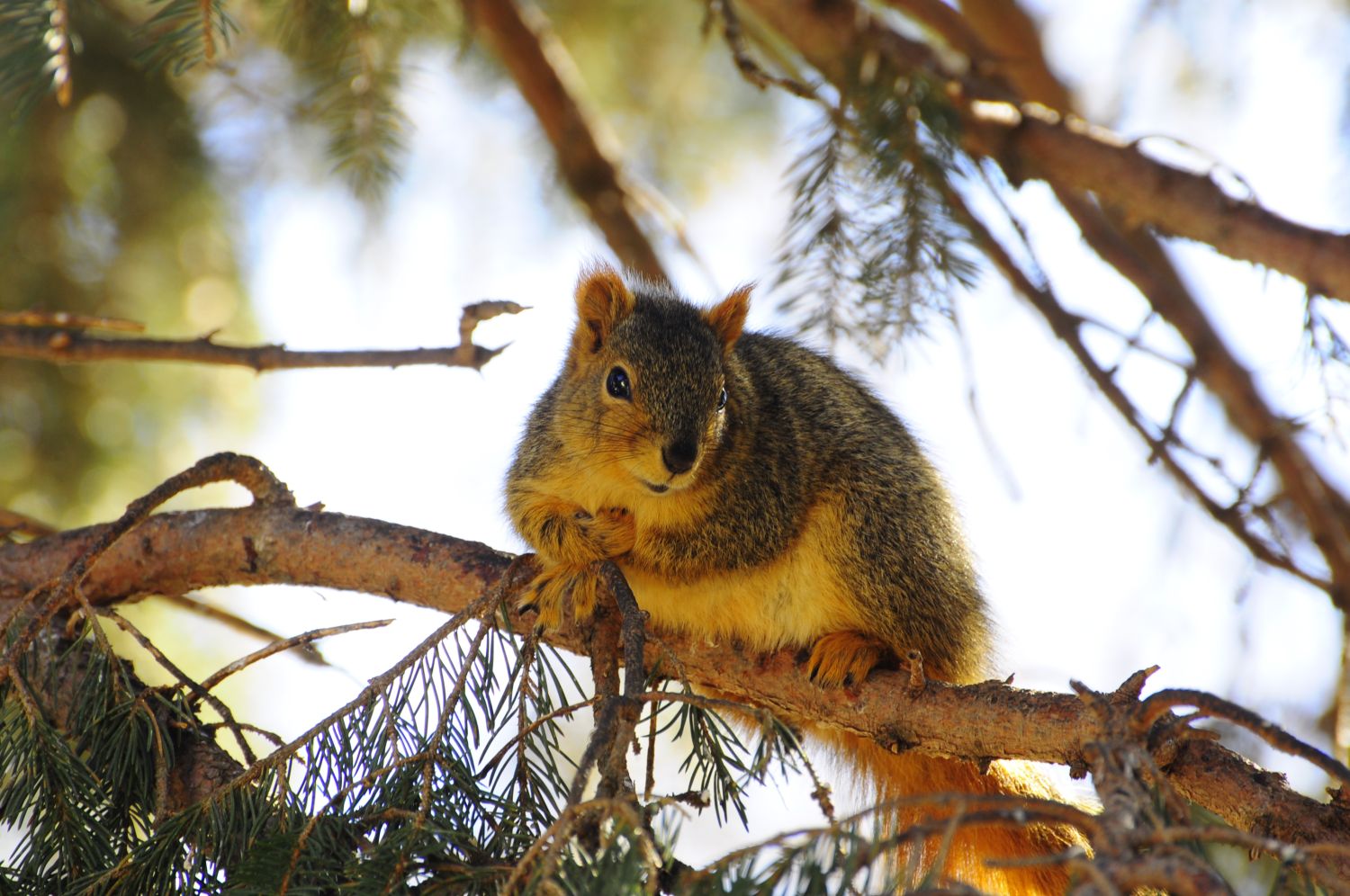
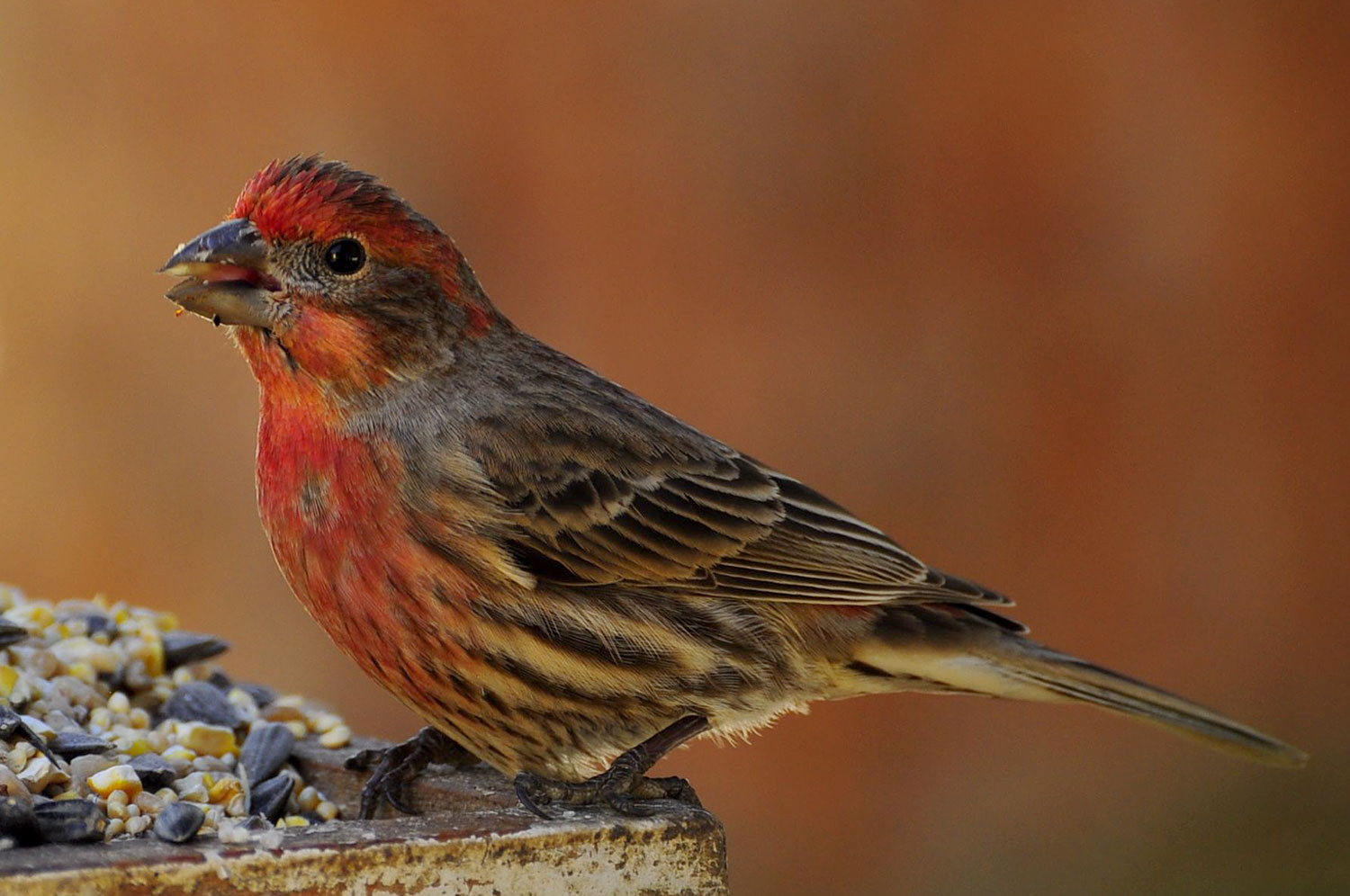
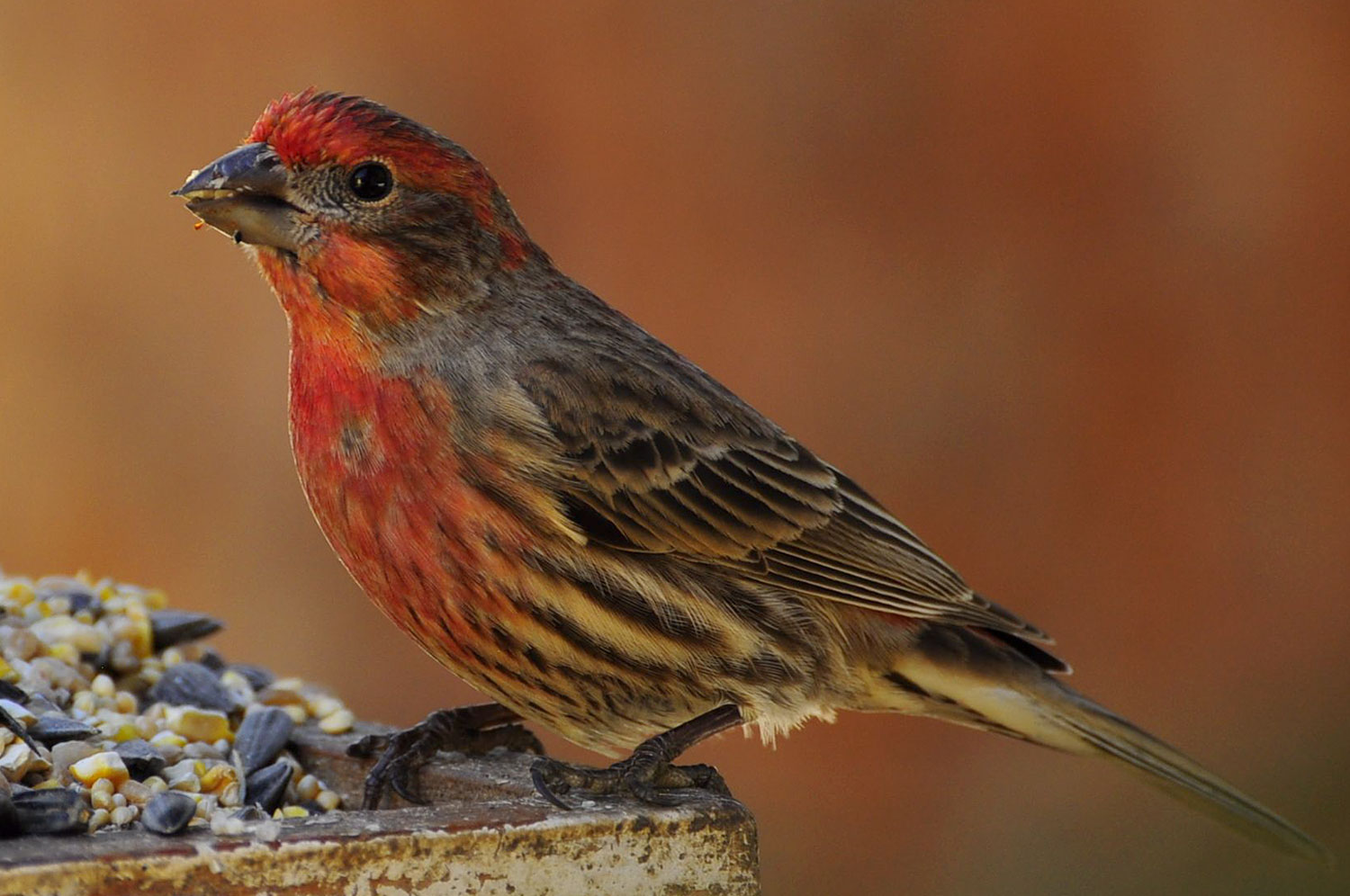
A young squirrel noted the feeding stations being filled, and I noticed young squirrel. Told him no, because dinosaur photo day. I was back inside, where I normally am to shoot birds, with the window open. Young squirrel looks at me, I say no again. Young squirrel opts for the pity position, curling one hand in against the chest, a signifier of just how effing cold it is, have pity! No is reiterated. Young squirrel goes the full court pity position, with both hands curled in, it’s really really really really freezing cold! I remarked to young squirrel that he should not have chosen a day with the sun shining and the temp a very unseasonable 54 F.

APP

APP1

© C. Ford.

Transported to Summer.

Summer

© C. Ford.

With added bonus of play time, courtesy of Marcus, who sends the best goodies ever. Hydrophilic polymer beads, orange oil, water, and really excellent glassware! I don’t know if the sun will cooperate, it’s sunny and remarkably warm today, but it’s supposed to be snowing by Odin’s day. Oh, where’s the virtue in patience? Off to play!

Star Trek: Discovery.

Courtesy of CBS.

Courtesy of CBS.

I should come out from under my rock more often, I had no idea that yet another Trek was in the works. It really is the show that won’t die, and it seems like diversity might actually make some inroads this time around. We’ve finally come a long way from the days of Spock’s ears being airbrushed out. Took long enough.

As casting rumors are confirmed, Star Trek: Discovery is boasting one of the most diverse casts in the franchise’s history—and we’re not just talking about the aliens.

The latest news is that out actor Maulik Pancholy will play Dr. Nambue, the chief medical officer. There’s no news whether the character will be gay, but no worries: Discovery will feature an original gay character for the series, Lt. Stamets, who will be played by Anthony Rapp.

That’s just the beginning for Discovery’s crew. We already know that the lead character will be played by The Walking Dead’s Sonequa Martin-Green, who is only the second woman to lead a Star Trek series (after Voyager) and the first woman of color. Another ship in the series will be captained by Crouching Tiger, Hidden Dragon’s Michelle Yeoh.

[…]

Rumors are still circling about a premiere date for Discovery, but CBS speculates sometime this year—possibly the summer.

Via Out.

Crispus Attucks: A Shared Narrative.

Getty images - Simon and Schuster.

Getty images – Simon and Schuster.

Gyasi Ross has an excellent article up about Crispus Attucks, and the shared narrative between Black people and Indigenous people.

Since white colonization of this continent, Black and Native lives have always been valued less than other people.  The story of Crispus Attucks was an early illustration of how there seems to always be a reason why black and Native people get killed that somehow exonerates the authorities of guilt when they harm us.  “Self-defense.”  But, perhaps most importantly, the story of Crispus Attucks is about combined Native and black lineages that resisted, suffered, but through that resistance caused a revolution.

The year was 1770 and the scene was the Massachusetts Colony.  Boston was hot with anger and resentment toward England. 150 years after Pilgrims originally occupied the homelands of the Wampanoag people, the descendants of those Pilgrims felt like they were losing control of the land they called “home.” At that time slavery was legal in the Massachusetts Colony—white colonists enslaved Natives and blacks alike in Massachusetts.  For example, in 1638 during the so-called “Pequot Wars,” white colonists enslaved a group of Pequot women and children. However, most of the men and boys, deemed too dangerous to keep in the colony. Therefore white colonists transported them to the West Indies on the ship Desire and exchanged them for African slaves.

[…]

Crispus Attucks was both Indigenous and black and a product of the slave trade. He was brilliant in the survival skills that is common and necessary amongst both Indigenous people and black people since the brutal regime of white supremacy came to power on Turtle Island.  His mother’s name was Nancy Attucks, a Wampanoag Native who came from the island of Nantucket. The word “attuck” in the Natick language means deer. His father was born in Africa. His name was Prince Yonger and he was brought to America as a slave.

Attucks was himself born a slave. But he was not afraid to actively seek his own (or others’) liberation. For example he escaped from his slave master and was the focus of an advertisement in a 1750 edition of the Boston Gazette in which a white landowner offered to pay 10 pounds for the return of a young runaway slave.

“Ran away from his Master, William Brown of Framingham, on the 30th of Sept. last, a Molatto Fellow, about 27 Year of age, named Crispas, 6 Feet two Inches high, short curl’d Hair…,”

Attucks was not going back though—he never did.  He spent the next two decades on trading ships and whaling vessels.

[…]

The story of Crispus Attucks is powerful. Native and black people have been facing the same tribulations and common enemies for a very long time.  For most of the time since white people have been on this continent, black folk and Native folk have had no choice but to work together and have.  If we look at statistics today—from expulsion/suspension from schools, to the blacks and Natives going to prison, to getting killed by law enforcement—not a lot has changed.  We still share very common narratives and need each other.

We still need to work together.

Click on over to Indian Country Media Network for the full article.