
C. Lockhart-Gordon. To the End. London: John F. Shaw and Co., 1898[?] — Source.
From: The Public Domain Review, The Art of Book Covers (1820 – 1914)

C. Lockhart-Gordon. To the End. London: John F. Shaw and Co., 1898[?] — Source.
From: The Public Domain Review, The Art of Book Covers (1820 – 1914)
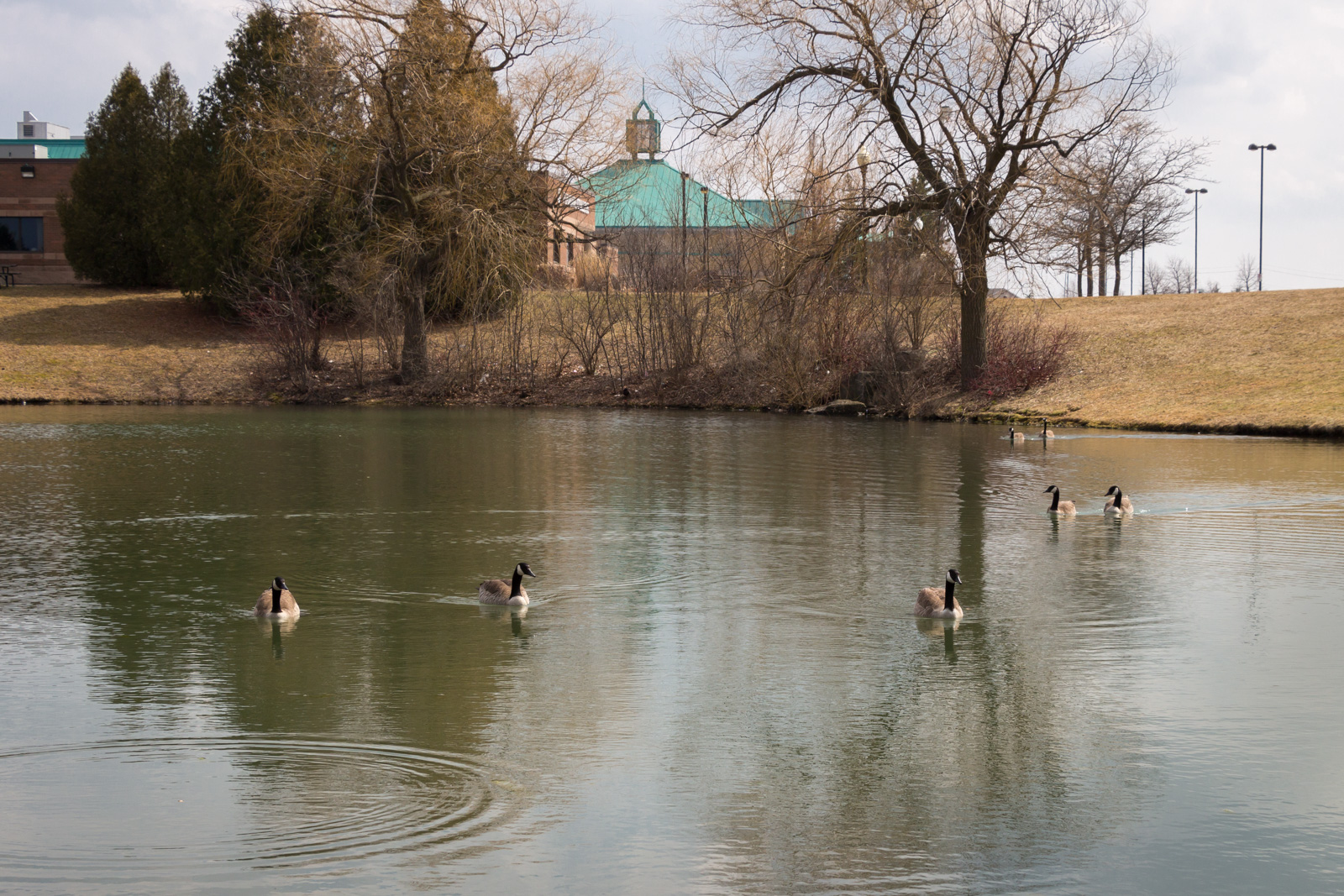
On Guard, ©voyager, all rights reserved
It’s a cold, blustery day here with overcast skies and the threat of rain. I’m trying to stay zen about it, but I’m disappointed. We had three warmish days in a row and I was feeling all springy and cheerful. Now, my cute straw hat with the ribbon is stuck in the closet again and my black, utilitarian tuque is back on my head. Jack is disappointed today, too. We went to the civic center pond this morning and found it occupied by a small flotilla of Canada Geese who did not like the look of Jack at all. As soon as we got near the water they swam quite aggressively toward him and made it perfectly clear that he was not allowed to swim today. This is the first time we’ve seen geese at this pond, but I know that the two larger ponds nearby are both crowded with geese right now so I think this bunch wanted someplace quieter for nesting season. Jack barked at them a few times, but they didn’t give an inch and he finally walked away. Poor boy. We walked around the soccer fields instead, but the weather was grim and neither of us felt like wagging a tail.
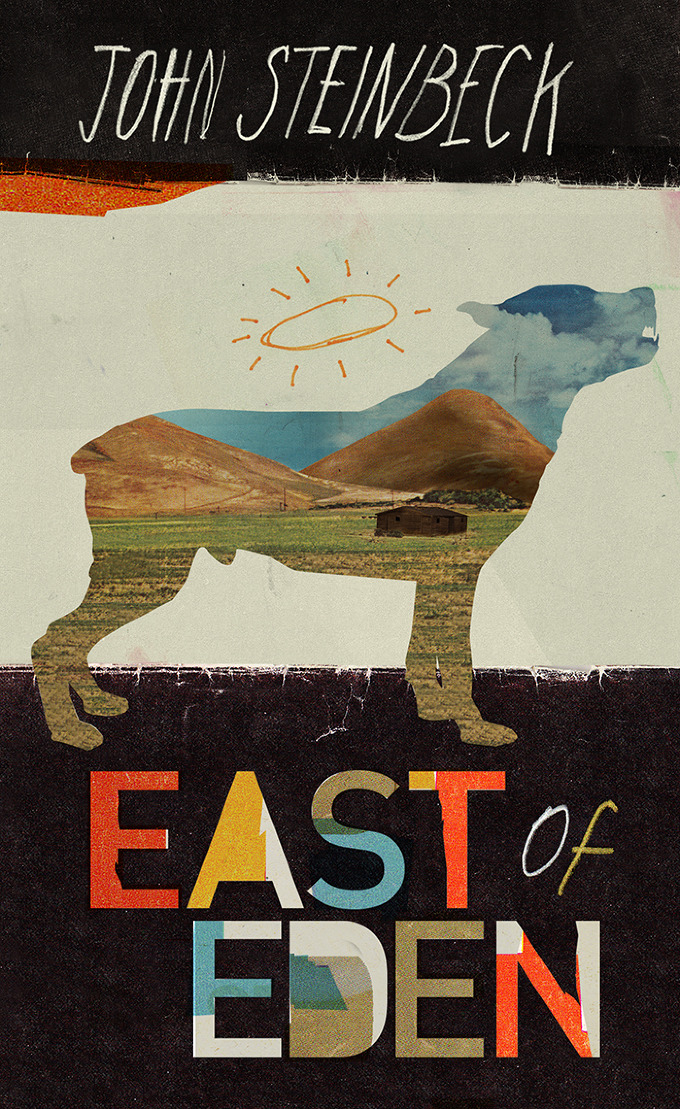
John Steinbeck. East of Eden: Penguin Books, 2012.Cover Art by Kathryn McNaughton
Kathryn McNaughton is a Canadian artist from Toronto. She was commissioned by Penguin Books, UK to design a series of covers for Steinbeck’s classic novels. This one is my favourite, but if you click the link below you’ll find the rest of the series.
From: ShitIheart
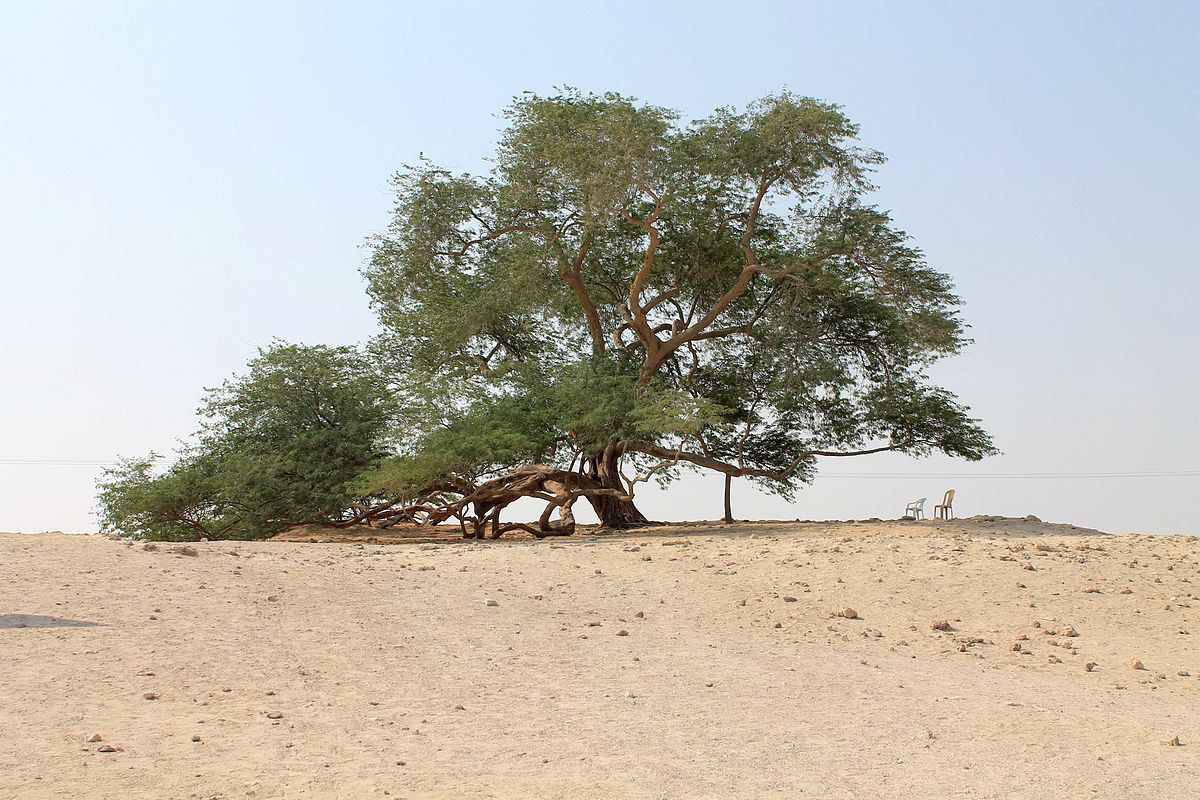
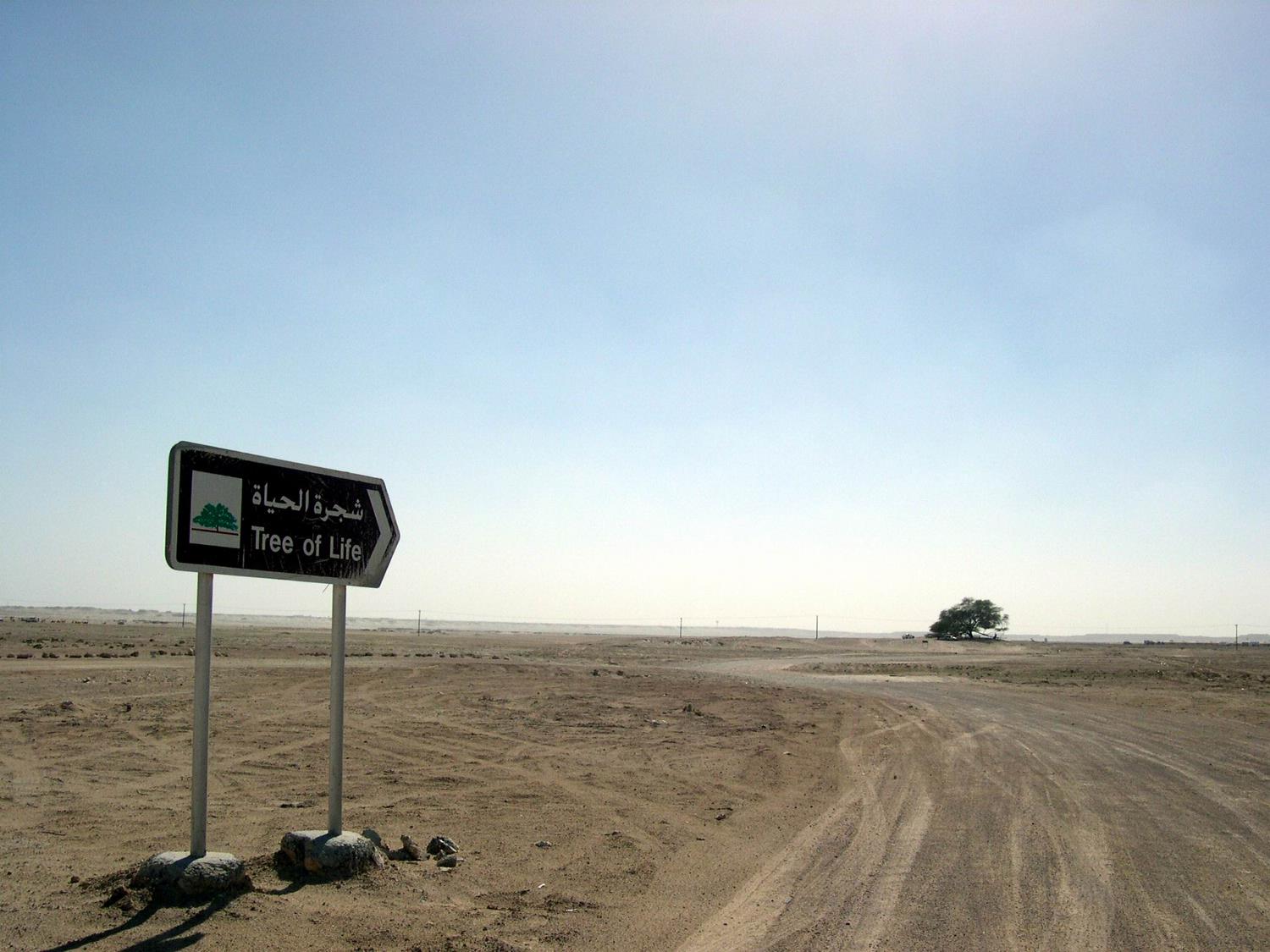
The Tree of Life in Bahrain, Alawadhi 3000, Wikipedia.org
In a remote part of the Arabian desert in Bahrain sits a lone Ghaf tree (Prosopis cineraria) that has mysteriously survived for over 400 years. It’s known as The Sharajat-al-Hayat or The Tree of Life.
Lacking any visible source of water, the 32-foot mesquite tree has baffled visitors and scientists alike for its entire life as it has continued to grow. Although the mesquite tree is known for holding a great deal of water in its massive root system, there is still no source of water in sight. Even arid vegetation needs water to survive, which makes Bahrain’s Tree of Life even more mysterious.
The mystery of the tree’s survival has led to a lot of speculation.
Without a rational explanation for the tree’s biological success, many have turned to mythology and religion for answers. Some assert that Enki, an ancient god of water in Babylonian and Sumerian mythology, protects the tree. Others still believe the site is the historical location of the Garden of Eden.
Whatever the source of life is for this tree it has inspired millions of people and attracts upwards of 50,000 visitors a year from around the world.
Via Atlas Obscura
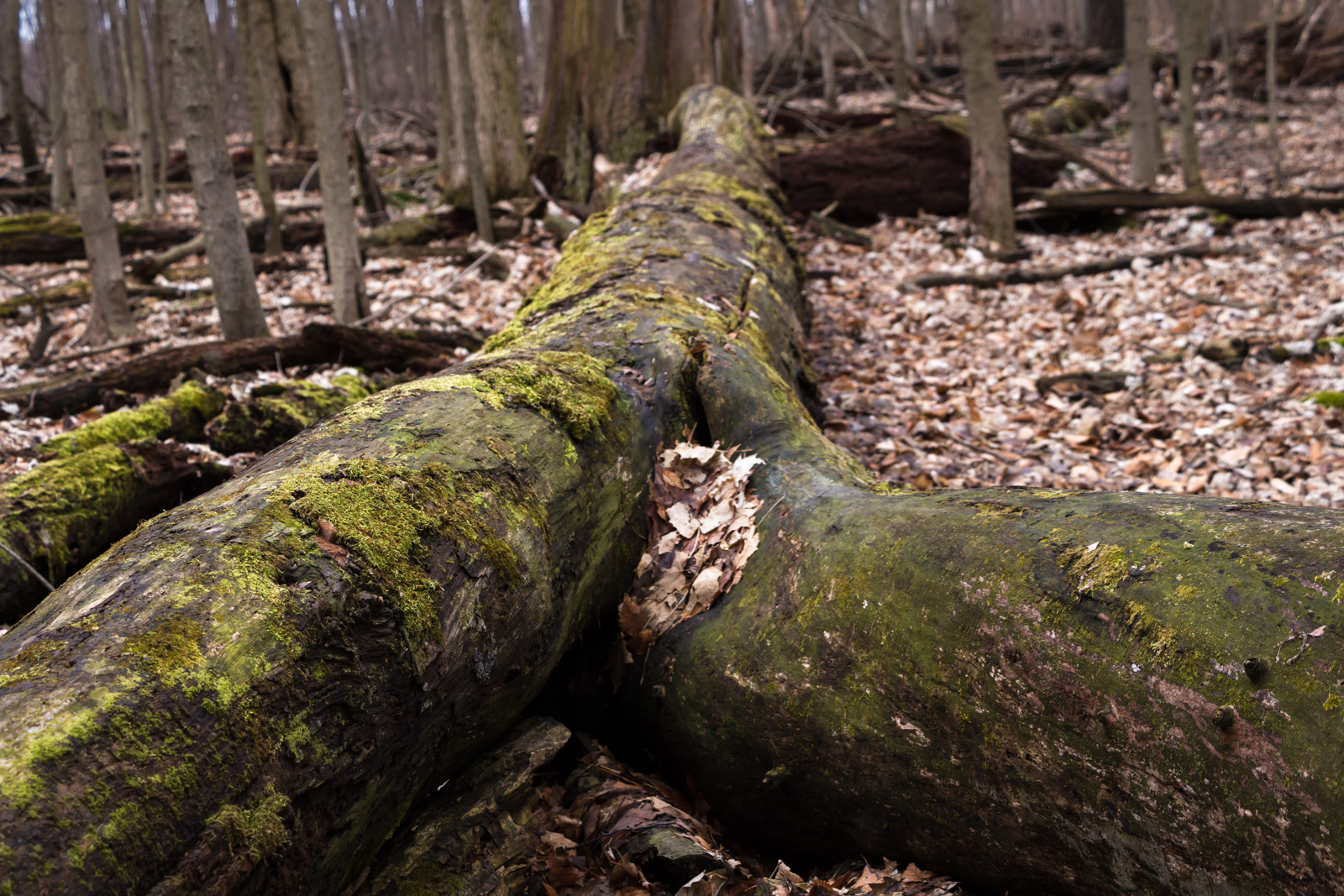
©voyager, all rights reserved
Proper spring has finally arrived and our temps have climbed into double digits. Today it’s a delightful +13º and for the first time this year I smell that fresh, sweet, earthy scent of spring. I even threw open the windows this morning, but 13º isn’t exactly room temperature so I had to close back up sooner than I wanted to. No matter. Jack and I took a long, leisurely walk around our wee forest this morning and even the overcast sky couldn’t dampen our good spirits. I wore shoes, not boots and a light jacket, not my padded winter coat. I replaced my tuque with a cheerful small-brimmed straw hat with a navy blue and white ribbon and it was delightful to be unburdened of all that heavy winter wear. I think we probably have a few more cold days ahead of us so I won’t put way my winter stuff just yet, but it sure is nice to give the spring wear an outing now and then.

The Yellow Book. Volume III. October, 1894. London: John Lane. — Source. One of the many covers for the journal executed by Aubrey Beardsley
From: The Public Domain Review, The Art of Book Covers (1820 – 1914)
I’ve had this tab open for ages because I really wanted to share this story with you, which is cool and sad atb the same time, as it shows how modern notions of society have clouded the vision on the past.
What Anita Radini noticed under the microscope was the blue—a brilliant blue that seemed so unnatural, so out of place in the 1,000-year-old dental tartar she was gently dissolving in weak acid.
It was ultramarine, she would later learn, a pigment that a millennium ago could only have come from lapis lazuli originating in a single region of Afghanistan. This blue was once worth its weight in gold. It was used, most notably, to give the Virgin Mary’s robes their striking color in centuries of artwork. And the teeth that were embedded with this blue likely belonged to a scribe or painter of medieval manuscripts.
Who was that person? A woman, first of all. According to radiocarbon dating, she lived around 997 to 1162, and she was buried at a women’s monastery in Dalheim, Germany. And so these embedded blue particles in her teeth illuminate a forgotten history of medieval manuscripts: Not just monks made them. In the medieval ages, nuns also produced the famously laborious and beautiful books. And some of these women must have been very good, if they were using pigment as precious and rare as ultramarine.
Read the whole story here.

Charles Kingsley. The Water Babies. London: Macmillan and Co., 1886 — Source.
There are a lot of small details that make this one of my favourite vintage book covers; the blue leather etched to look like water, the brightly coloured flowers that float, bubbles and birds and flowing lines all adding up to the sense of being underwater.
From: The Public Domain Review, The Art of Book Covers (1820 – 1914)

Leonard Russell, The Saturday Book no. 11, 1951. Cover by Joan Hassall – source
Because it’s Saturday, of course.
From: Pinterest.ca

Help me, I’m melting… ©voyager, all rights reserved
We’re expecting rain today and according to the forecast it’s going to be rainy for the next 4 days. Oh well, you know what they say…April showers bring May flowers. At least it’s finally getting warmer. It’s going up to +9º today and the weekend is supposed to get all the way up to +18º. Oh my, that will make the plants get growing and the trees start leafing and I don’t even care that it’s going rain. Proper spring is about to start and I can’t wait to see a bit of colour around here. I hope everyone has a good weekend, especially those of you who are battling with sickness…feel batter soon.

The History of the Devil and the Idea of Evil; from the earliest times to the present day. Paul Carus, Chicago: The Open Court Publishing Company, 1900- Source
A devilish design today done in flame red on matte black replete with a bat-winged demon (who’s looking very contemplative) and a seductive snake.
From: Pinterest.co.UK
Whilst being sick, I came across this very peculiar video:
The creations look eerily organic and uncanny alive and I have found the creators site very interesting, or, as Caine would name it “a time sink”. It is a fascinating blend of art and engineering. I think that in a virtual PC simulation it could be combined with real evolutionary algorithms these beasts could really “evolve” into even more bizzare shapes.
It also reminded me of Caine, I think she would love it.

©voyager, all rights reserved
Jack started picking at his feet and scratching yesterday and around our house that’s a sure sign of spring. It means that the gray grass is getting ready to turn green and Jack’s allergies have flared up. I called the vet and we’ve started the boy’s allergy tablets (Vanectyl-P) and he’ll be taking one a day until the snow flies. The scratching isn’t all due to allergies, though. Jack’s annual spring shed has kicked into high gear and the amount of hair he loses is astonishing. It comes out in clumps when you brush him and your arm can go numb and still there’s more hair to brush out. When he walks you can see hair just floating off and it’s almost impossible to keep up with the hair bunnies that collect in the corners of the house. The boy starts to look a bit shabby, too, with light patches of fur that stick out at odd angles. So he scratches and turns into a little bear who rubs himself on anything handy; trees, telephone poles, the sofa, people. You have to watch out for that last one, people. Jack loves to talk to strangers and he’ll walk right up to anyone and ask for a scratch. If it isn’t offered quickly enough he’ll take his bowling ball of a head and butt you with it and then start rubbing himself around you in circles. Unsurprisingly, not everyone appreciates this. It will be a few more weeks before my little hair machine finishes his shed and until then it’s brush, scratch, rub, repeat around here.

#/media/File:Tree_of_Life_Bahrain.jpg)
