The Healing Arts: Le mal de tête, La Colique, Le Cure.

Click for full size.

Le mal de tete. Charles Ramelet / Honore Daumier, Lithograph coloured. Subject: Headache, Depiction of Pain.
Le mal de tete. Charles Ramelet / Honore Daumier, Lithograph coloured. Subject: Headache, Depiction of Pain.

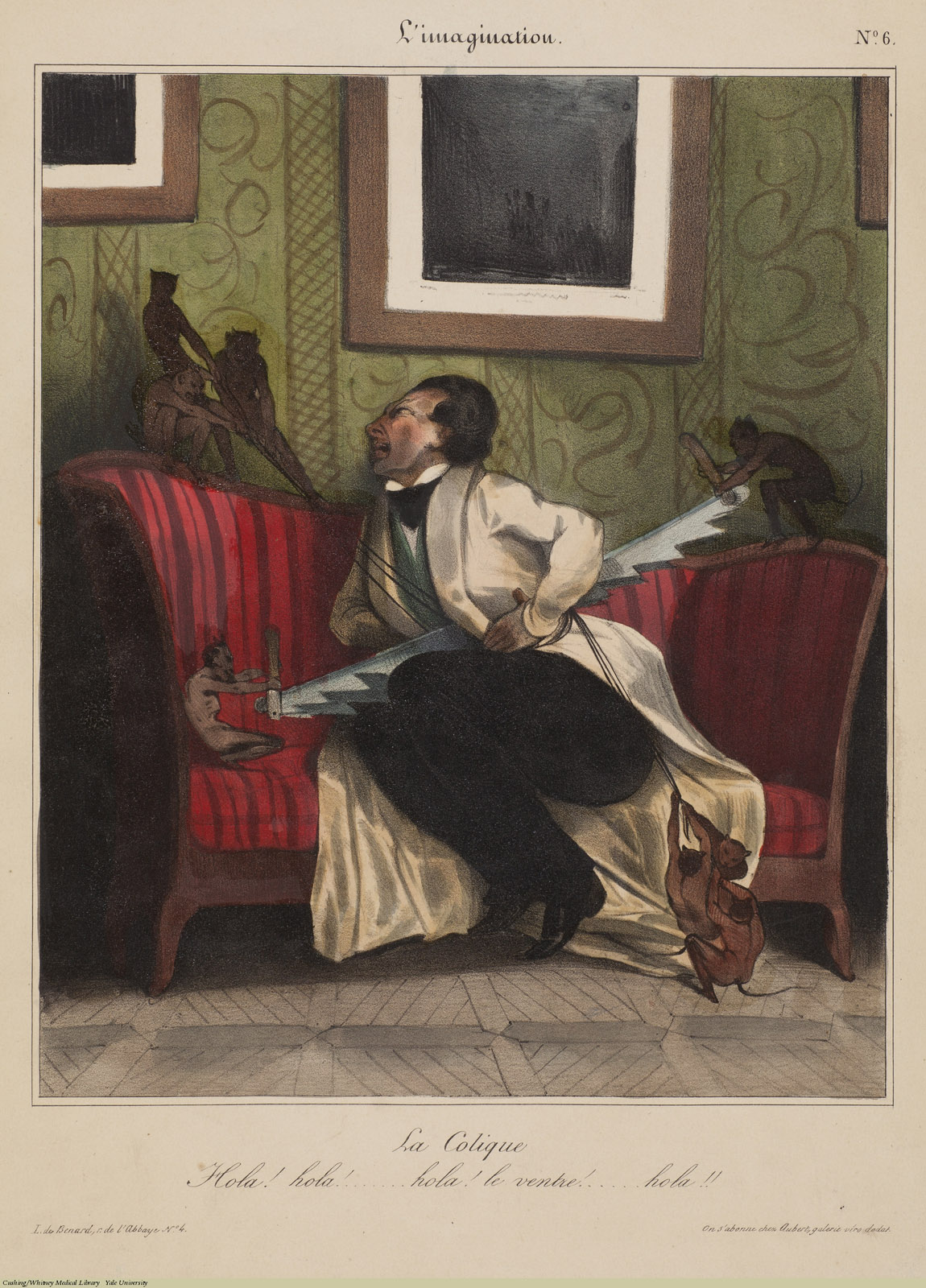
La Colique. Charles Ramelet / Honore Daumier, Lithograph coloured. Subject: Cholic, Depiction of Pain.

La Colique. Charles Ramelet / Honore Daumier, Lithograph coloured. Subject: Cholic, Depiction of Pain.

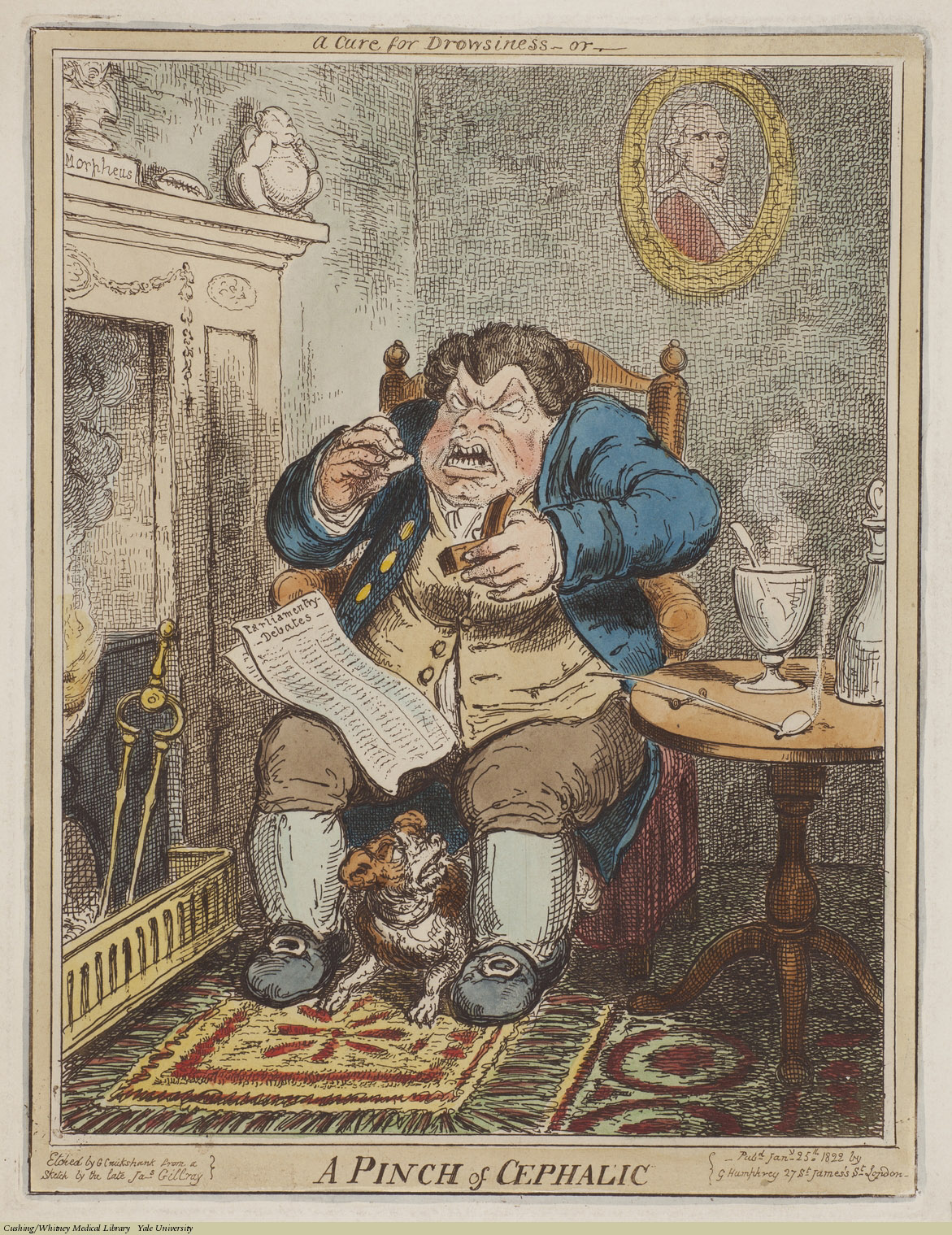
Le Cure. Oui, mes freres... Charles Ramelet / Honore Daumier, Lithograph coloured. Subject: Alcohol, Sleep.

Le Cure. Oui, mes freres… Charles Ramelet / Honore Daumier, Lithograph coloured. Subject: Alcohol, Sleep.


Behind the Iron Curtain part 9 – Shops and Services

These are my recollections of a life behind the iron curtain. I do not aim to give perfect and objective evaluation of anything, but to share my personal experiences and memories. It will explain why I just cannot get misty eyed over some ideas on the political left and why I loathe many ideas on the right.


After the WW2 the regime, under the lead of Stalin, had no thought of anything other than preparing for WW3. So after communists took power in a de-facto putsch in 1948, they invested all effort into re-building heavy industries and nothing else. And, at direct order from Stalin, the Czechoslovak Socialist Republic refused any offers of help from USA and their western allies.

This was, as many other things, idiocy of first water. The economy as a whole was doing relatively well, with people being employed in the heavy industries. The main support of the communist party, the labourers, were making good money. The problem was they had nothing to spend it on. There was barely enough food to buy and nearly no luxury or comfort items, because light industries were deemed secondary and therefore not important and no effort was made to restore them after the war. And the iron curtain prevented importing goods in any meaningful amounts.

But people do not work like that, they want not only to barely survive on bread and water, they want savoury things, shiny things and pretty things too. Just feeding them enough so they do not starve is not enough. Hard work has to be rewarded with something more tangible than a pat on the shoulder and a word about how you contribute to the common good.

The regimes way to deal with the situation was to artificially devaluate the currency and thus effectively steal people’s money in 1953. It was touted as a final blow to the exploiters, the last remaining self-employed artisans and land owners, but the hardest hit was on the labourers. Before they had money but nothing to spend them on, but they had a hope of spending it someday. Now they had nothing.

Riots ensued that were drowned in blood. The propaganda tried to spin those riots as a work of infiltrators and foreign agents provocateurs, but it did not work. The regime has lost the trust of its main supporting class – the labourers. And it never regained it.

In reaction to this, some effort was made to provide people with things they want. It was succesful enough to prevent further riots, but not enough to regain the trust of people.

At the time of my life the situation was not as dire as it was in the fifties, but it was still pretty glum. Buying something was very difficult, even if you had the money for it. Not only luxury items like colour TVs were difficult to obtain, but even many ordinary items, like materials to do house repairs. For cars there were waiting lists.

This has led to a few main things.

One day when I was visiting my aunt in Pilsen we went shopping in a big shopping center. A huge shopping mall with half-empty shelves that nevertheless to me seemed full because I knew nothing better. My aunt saw the shopkeeper to sell a lipstick to a woman who was apparently her acquaintance and she wanted to buy the lipstick too. The retailer told her there aren’t any, to which my aunt replied, rather angrily, “Do not lie to me, I saw you to put the whole box under the counter”. This was my first meeting the concept of “under the counter goods”. Those were items that were so rare, that shopkeepers actually kept them hidden from the general public in order to either keep them for themselves or for their closest friends. If one wanted bananas or oranges, without a relative in the shop it was difficult to get either.

At another time and place I was talking with a friend of mine from school about a little experiment I wanted to do and I sighed, “I need magnets, but no shop around here sells them.” to which his incredulous reply was “Why don’t you steal them simply from school?”. To which I, equally incredulously, replied “I do not need them as much as to steal them!”. This was my first encounter of the concept “who does not steal from the state, steals from their own family”. For honest people it was nigh impossible to obtain some even quite ordinary goods, because they either never reached the public counters or were quickly sold out when they did. So it was quite common thing to steal for example building materials from public spaces. Who did not steal, did not prosper. Part of the reason why our house fell in such serious disrepair was that my parents did not steal.∗

But not only goods were hard to come by. Labour was difficult to get too. Need a house repaired or built? You better had a friend who is a builder. Not only would he be able to steal the materials you need, but he might also be able to make a lot of the work at the time when he is supposed to work for his employer. This in combination with previously mentioned slacking has exacerbated the labour shortage that was an ever-present theme. “There is not enough people” was the commonest explanation for why nothing works as it should be and work does not get done on time. You need some minor house repairs? You better do them yourself. If you cannot do them yourself, you are in bad luck, because “There is not enough people”.

For those who had occasionally got their hands on foreign currency, like German Marks, or US Dollars, or special secondary currency called “Bony”, there were specialised shops called “Tuzex” where imported western goods could be bought. These were highly sought after and a sign of social status. Jeans and Lego for example could not be bought anywhere else. But the regime did its best to prevent ordinary people from getting their hands on these currencies, they were reserved for the elite. So of course black market emerged. The proprietors were called “Vekslák” (probably from german “wechseln” – exchange) and were the official villains for the regime, by encouraging people in the following their base instinct to follow their own good instead of sacrificing it on the altar of the common good.

The iron curtain in this regard demonstrated where extreme isolationism, protectionism and one-sided economy leads – corruption and criminality. A lesson worthy of remembering,  yet nobody seems to remember it.


∗ Since my mother was a head of local food shop and my father was a factory foreman, people had difficulty to believe that they did not use their positions to enrich herself. There were rumours about us only pretending to be poor and how we have a car hidden i the garden shed and loads of money stashed away. After the fall of the iron curtain my parents were frequently asked why they do not start their own business or invest money. Nobody believed them for years when they said that they are not rich.

But they did use their positions to get some advantage. We always had some of the scarce goods. One of such goods were canned tangerines, those were so rare that actual fights broke out when they got into the shop. So when we wanted to buy color TV, my mother bought a whole box of canned tangerines  in order to sell them to the electronics shop keeper in the district main town who in turn held the TV under the counter for a few weeks until my parents could organize transport.

I succumbed to the peer pressure and I stole a piece of steel from school when I first wanted to make a knife. The knife was never made, because I have hidden the steel bar in a drawer and never used it. It gnawed at my conscience. I failed to internalize the imperative “who does not steal from the state, steals from their own family”.


Decor.

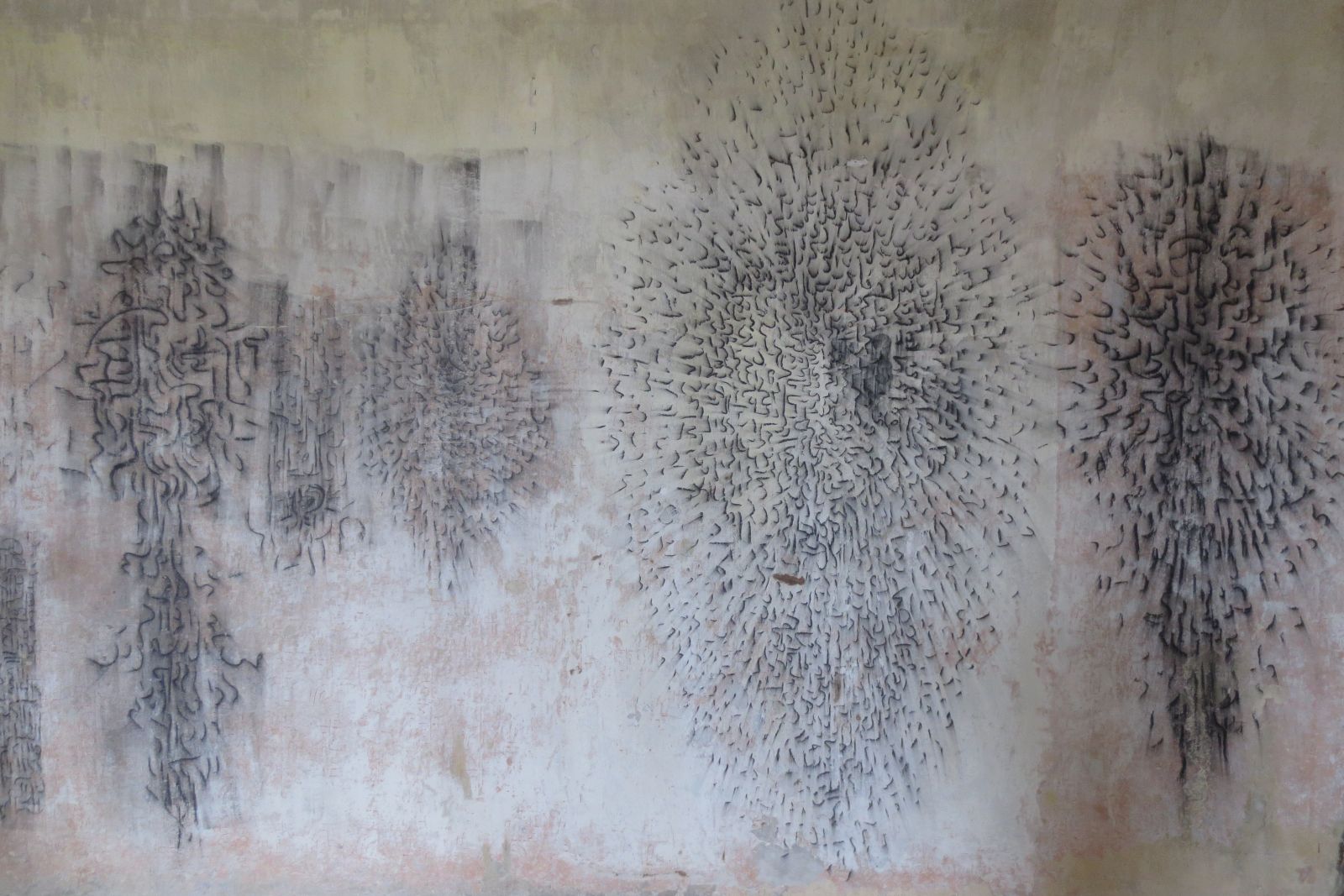
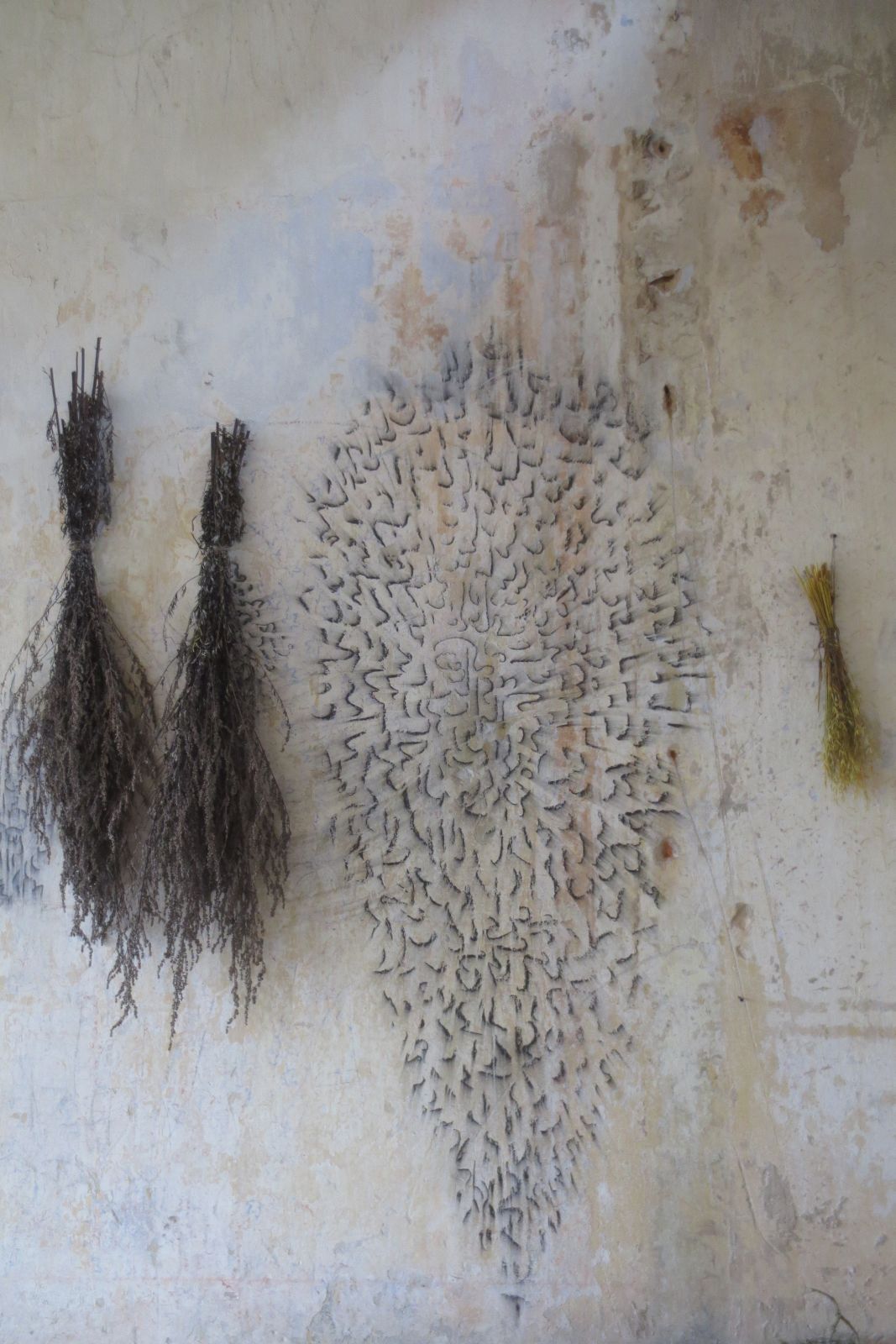
From rq: Wallpaper, wall art. This is an abandoned school down the southern half of the country. The first is layers of wallpaper/paint (couldn’t really tell), the second two are a local artist’s work for a nature-focused show that used the building as canvas and location. Click for full size!

© rq, all rights reserved.

Advantages of an Unkempt Lawn

On a short mown lawn, boringly green,  you do not get to see these. The orange flowers are Hieracium aurantiacum, which is to my mind the most handsome dandelion relative growing here. It is also an endangered plant in CZ so we are mowing the lawn in a way as to allow them to flourish. There are only a few patches around where it prospers.

©Charly, all rights reserved. Click for full size.

Cancer Chronicles 19: Eight!

© C. Ford.

© C. Ford.

As of yesterday (Friday) at 9:14 am, the pump was off and I had finally finished my eight cycles of chemo. The last two cycles had to be reduced, just to get me through, but the independent IV fluids helped more than anything toward this latter stage. Some people sail right through their initial chemotherapy; others don’t. My friend in colon cancer treatment had such a rough time with hers that it was cut short and she was moved on to radiation. Me, I got pushed back time after time, especially as the experience with neulasta was a very bad one for me. There aren’t any rules for getting through chemo, everyone is different, so if you find yourself in treatment, don’t go thinking there’s something wrong with you or the way you’re reacting to things. It’s not predictable, just take things one cycle at a time.

The last two weeks I had been having one hell of a time with nausea and a low level migraine haunting behind it. I was being good, taking my Zofran and all that, when it turns out that Zofran can, and often does, cause headache. :sigh: It would be so fuckin’ nice if people told you this before hand, rather than two weeks after dealing with shit. Zofran is a standard chemo prescription, so if you’re already prone to headaches, you might want to head that one off at the pass and request a different anti-nausea drug. For the most part, besides the dexamethasone, I found OTC Dramamine to work well enough.

In my infusion suite, there’s a tradition for reaching the end of your chemo – there’s a large bell at the doorway, and you’re supposed to ring it the same amount of cycles you’ve been through. On Wednesday, I went in with a large bag filled with freshly baked brownies, apple crumble, and banana cake for everyone. I was allowed to slip out quietly with no fuss. Sometimes, bribery is a good thing. ;) Walking out that day, I  could not get outside the hospital fast enough, it felt as though I was breaking out of prison. When you’re in treatment, it just becomes this endless round of repetitive appointments: Register/Lab/Oncology/Infusion, which not only wear you down, but they take over your life. Everything centers around them.

For all that Wednesday felt like a joyous prison break, I only get three weeks out. My oncologist wants me started on Xeloda (oral chemo) and Radiation on June 20th. I think I’ll be meeting my new oncologist then too. Maybe. Appointments are up in the air. My oncologist is retiring, so I’m getting a new one. Then it’s off to radiation and that particular doctor, who I haven’t seen since all this started. The urge to run away is high again, because everyone I’ve talked to has told me that if anything, radiation and xeloda is much, much worse than chemo. Oh yay. Given how easily my skin burns, I am so not looking forward to that one. Well, all I can do now is try to enjoy my three weeks. It would be nice if we had Spring, or even Summer here, but it’s been day to day storms, clouds, wind, cold, and basic grayness.

Some notes on personal care here. One thing I don’t think I’ve mentioned as of yet: scent sense. There are rules in Infusion suites, such as No Hot Food, and that goes for everyone, including nurses. That’s because the smell of hot foods can trigger bad things in chemo patients, and that goes for all other types of smells, too. If you’re going to be in treatment, or be hanging around with someone in treatment, go smell free. If you can’t manage to give up something scented, like a shampoo, make sure it’s an extremely light scent (absolutely not food based, like strawberry or something), with no throw (meaning it doesn’t extend past your person). Outside of that, no perfumes, and no smelly lotions please. You never know what might set someone off, and give them one of the worst days of their life.

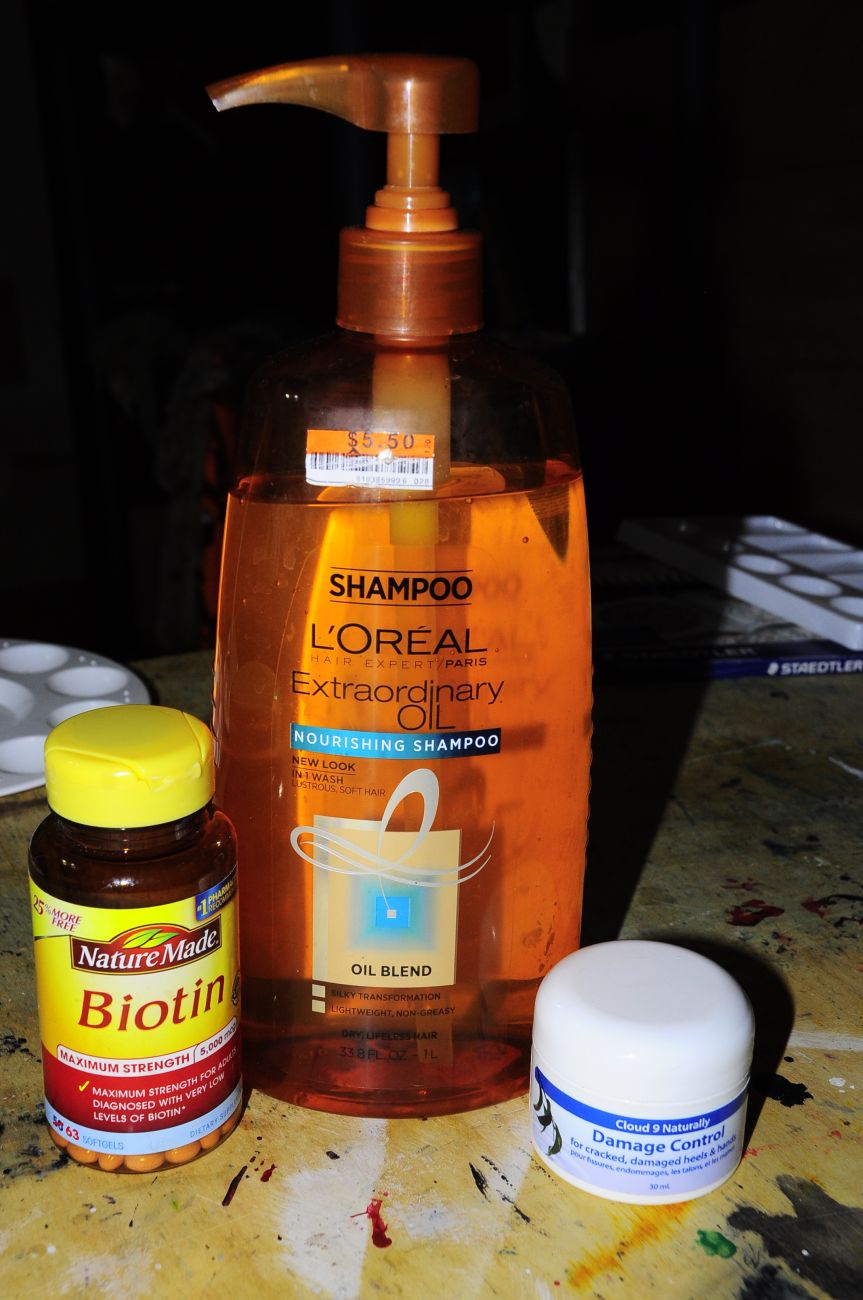
Chemo left me with extremely thin hair, which has been quite the shock, given how thick it used to be. I’ve kept the length, but the thinness, oy. I wasn’t getting any new growth, either. I had read that taking biotin helped with the peeling nails business, and while I’m not big on supplements, figured it couldn’t hurt. I’ve been taking 5,000 mcg a day for a while now. Didn’t do a damn thing for the nails, but my hair started growing again, albeit very slowly. My hair had also gotten so dry it was brittle, no moisture anywhere. Conditioners did not help. IV fluids did help somewhat, but my hair felt and looked damaged beyond repair. I came across this shampoo at Big Lots:

L’Oréal Extraordinary Oil. Unbelievably, it helped. Really helped – for once, my hair felt and looked more like it should, with a nice sheen instead of brittle dullness, and it felt smooth and a bit moist. Not enough, but better. Continued use with conditioner has been getting it back to normal. It has a Sandalwoodish scent, which is light, and doesn’t last, so it was safe enough for infusion. It helped enough that I can use a brush now and then; for most of chemo, I had to give up a brush and go with a pick and comb. That’s another thing – don’t stubbornly cling to your usual brush or other method of dealing with your hair, use whatever causes the least amount of damage, and pulls the least amount of hair out – you’ll lose enough of it as it stands. When chemo doesn’t cost you all of your hair, it will take around 50% of it, at least. I’ve lost more than that.

Voyager sent me the Cloud 9 Naturally for badly damaged skin, and that stuff is close to a miracle. I had very deep cracks in the soles of my feet from the 5-fluouracil, and applied this, put on a pair of socks, and went to bed. Next day, they were almost completely closed. In dealing with the 5-fluouracil loss of fat pads in the fingertips, the Curel Itch Defense lotion was great (and still is), and IV fluids probably helped the most with that little problem.

That’s all for now. I’m going to go off and pretend all this crap is over.