
Yesterday, I said I was looking for reasons to tamp down excessive cheerfulness. No such assistance needed this morning!
Louisiana has taken care of it.
Yesterday, the Louisiana House of Representatives took the dangerous step of voting in favor of a truly disgusting anti-homeless bill. This bill is an extreme take on the already extreme copy-paste legislation peddled by the Palantir-funded, billionaire-backed Cicero Institute. In addition to making it a crime to sleep outside, this bill forces homeless people charged with a crime to make the false choice between jail or at least one year of forced treatment.
But it gets worse.
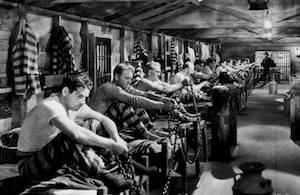
This bill requires homeless people to pay for the very treatment they are forced into. And if the person cannot pay the cost of treatment, this bill requires them to perform unpaid labor for the government or a community organization to pay off their debt. Louisiana has a long history – and present – of chain gangs, prison labor, and entrenched white supremacy. This bill clearly evokes debtor’s prisons, convict leasing, and the ugliest day of Jim Crow.
It’s a very 19th century approach to dealing with a social problem.

Not even the imminent demise of the Toddler in Chief from dementia and syphilis will solve the endemic problems in the US, and many other countries. There aren’t enough 3D printers to equip enough Luigis to do the job.
So basically slavery for the poor and homeless and mentally ill?
In the Real World, these policies criminalizing homelessness don’t work. It is being tried in Texas and visible homelesness went down a little bit but the homeless rate stayed the same.
Because telling people without a home that they can’t sleep outside doesn’t work.
Sleep is a biological necessity and people will sleep no matter who tells them not to.
This academic paper looked at the effects of criminalizing homelessness.
It didn’t make any difference.
It just cost more in police activity and made the bleak lives of the homeless worse.
Nothing really new about this form of slavery in the South. It’s enshrined in the 13th Amendment. It’s been easy to convict Black men and women of crimes and put them in work camps. This just makes a new crime to convict them of.