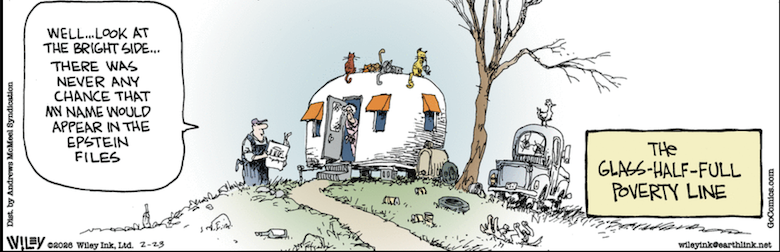
A lot of attention has been focused on the hundreds of scientists who are mentioned in the files of convicted pedophile Jeffrey Epstein’, especially those who became part of his circle of friends. Many of those who are now compromised were well-known and well-funded so why did they not say no? Science magazine has an article about three who were approached and declined. It is interesting to see the extent Epstein would go to recruit scientists who became well-known, either because they gave a TED talk or appeared on TV or wrote popular books. He would first have an intermediary approach them, sometimes repeatedly, and then follow up with personal appeals.
When first approached, cancer researcher David Agus went online and learned something about him, and some of his colleagues also warned him to keep his distance. But he was repeatedly asked by Epstein over a period of seven years and kept putting him off by saying that he was too busy. He said that he did not want to outright say no because of fears of upsetting someone who seemed powerful.
[Read more…]