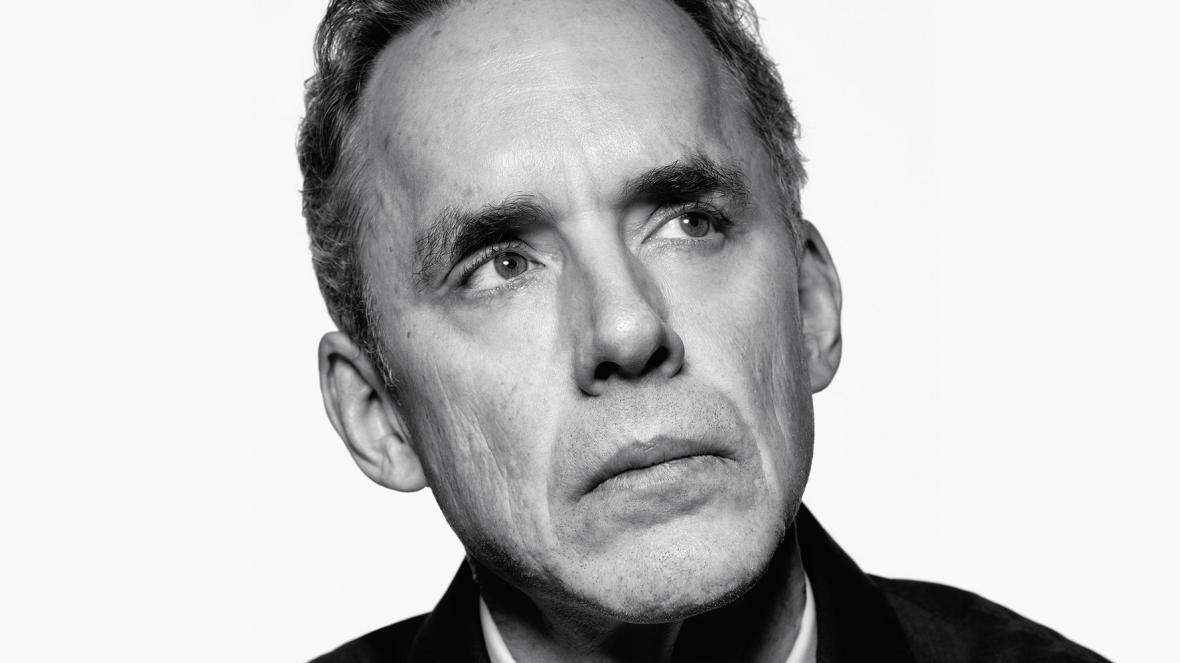
The 21st Century United States has been cursed with two of the most appallingly inane “geniuses” so far, people who have cult-like followings that regard them as grand public intellectuals in spite of all the patent bullshit that spews from their mouths. They are, of course, Jordan Peterson and Elon Musk. Future historians will be mystified by their popularity, because there’s so little there there, and what there is so tainted by lunacy that it will persuade no one.
They aren’t even from the United States. Some ineffable aspect of American culture has drawn them in and allowed them to flourish here — maybe it’s atmosphere of oblivious ignorance and worship of money? We’re like the Burnt-Over District of countries, where con artists can flower and succeed.
Anyway, Nathan Robinson has already deconstructed Jordan Peterson (and also Sam Harris, Steven Pinker, and Ben Shapiro — he’s the wrecking ball we need), and now he turns his gaze to Elon Musk. A small sample:
Musk’s preference for hype and exaggeration over follow-through and diligence has created a great deal of dysfunction within Tesla, as journalist Edward Niedermeyer reports in Ludicrous: The Unvarnished Story of Tesla Motors. Little that Musk says can be trusted. He has promised to fill space with his satellites to provide a powerful new alternative internet infrastructure—but this isn’t going to happen, though it may well massively inhibit the ability of actual scientists to do their work and ruin the night sky. His Neuralink company talks of uploading brains to computers and implanting chips that will be “like a fitbit in your skull”—but this is unlikely to happen either, and the MIT Technology Review says what has been revealed so far is “neuroscience theater” with little evidence to back up Musk’s astonishing promises. From the announcement that Tesla would switch to building ventilators to help COVID patients to the “mini-sub” that proved inferior to old-fashioned diving skill in the cave rescue, Musk comes up with flashy world-saving schemes one after another and rarely delivers. (Some of the schemes aren’t world-changing, just obviously doomed, as when he attempted to launch a competitor to the Onion called Thud.) Niedermeyer notes that, “Each of these announcements struggled to withstand close examination, ranging from mere exaggeration to quasi-delusional fantasy,” but “many outlets reported these developments unquestioningly,” contributing to Musk’s “legend as a twenty-first-century Renaissance man.” So many of these plans are from the “F.M.” world, and when you read analyses by science and tech writers from the “A.M.” world, you realize that the line between Elon Musk and Elizabeth Holmes is thinner than you might think. (When the Barnumesque B.S. is exposed, it can be extremely amusing, as when in a live demonstration, the “armor glass” windows on the Cybertruck were easily smashed.)
Niedermeyer documents the way that Musk’s claims sometimes border on outright fraud. Niedermeyer believes Tesla may well have pretended it could charge cars faster than it could in order to qualify for a state tax incentive scheme, and as he reported began to see that “potentially massive gaps existed between Tesla’s carefully cultivated image and reality—yet the company was capable of saying and doing whatever it thought it needed to maintain its reputation.” Tesla even required some owners to sign non-disclosure agreements when it agreed to repair problems with their cars, which created a minor scandal when it became clear that the agreement’s text would keep people from being able to tell government regulators if there was a safety issue. Niedermeyer also reports a shocking incident in which Musk personally called the employer of a blogger who had been debunking Musk’s claims online (the blogger was anonymous but had been doxxed by Musk’s fans). Musk threatened vague legal action, and the employer asked the blogger to stop commenting on Tesla, which he did. (Niedermeyer says the company has also repeatedly engaged in “blatantly defamatory smear[s]” of journalists who report critically on it.)
I’m glad we’ve got at least one real skeptic working in journalism, but of course, we’re all going to read the article and nod in agreement, and Musk will go on being the world’s richest spoiled 12 year old brat.