Doug Erwin argues that we’re not in the middle of a 6th mass extinction. It’s not because we haven’t decimated life on planet Earth; it’s because if we were, the catastrophe would be immense, and we ain’t seen nothin’ yet.
“People who claim we’re in the sixth mass extinction don’t understand enough about mass extinctions to understand the logical flaw in their argument,” he said. “To a certain extent they’re claiming it as a way of frightening people into action, when in fact, if it’s actually true we’re in a sixth mass extinction, then there’s no point in conservation biology.”
This is because by the time a mass extinction starts, the world would already be over.
“So if we really are in the middle of a mass extinction,” I started, “it wouldn’t be a matter of saving tigers and elephants—”
“Right, you probably have to worry about saving coyotes and rats.
“It’s a network collapse problem,” he said. “Just like power grids. Network dynamics research has been getting a ton of money from DARPA [Defense Advanced Research Projects Agency]. They’re all physicists studying it, who don’t care about power grids or ecosystems, they care about math. So the secret about power grids is that nobody actually knows how they work. And it’s exactly the same problem you have in ecosystems.
The good news is that we aren’t dead yet! The bad news is that when the end comes, it will be rapid and non-linear and unimaginably devastating. Just to put it in perspective, this is small potatoes compared to a real mass extinction:
For instance, it stands to reason that, until very recently, all vertebrate life on the planet was wildlife. But astoundingly, today wildlife accounts for only 3 percent of earth’s land animals; human beings, our livestock, and our pets take up the remaining 97 percent of the biomass. This Frankenstein biosphere is due both to the explosion of industrial agriculture and to a hollowing out of wildlife itself, which has decreased in abundance by as much as 50 percent since 1970. This cull is from both direct hunting and global-scale habitat destruction: almost half of the earth’s land has been converted to farmland.
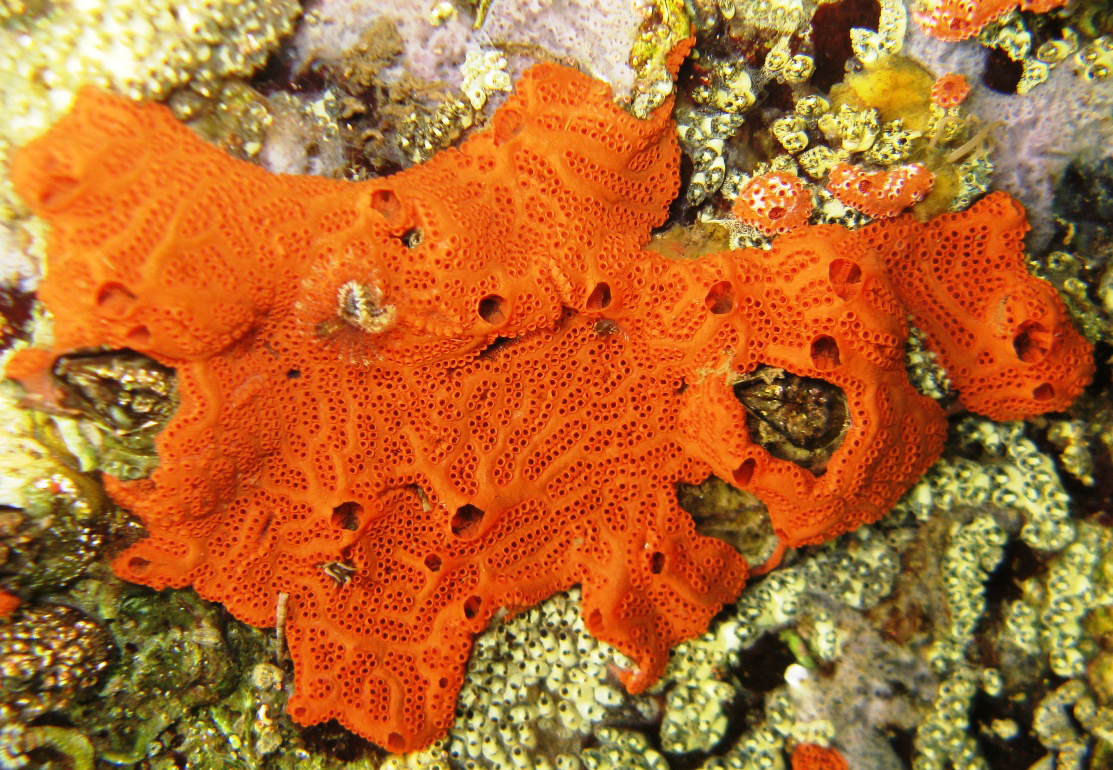
The oceans have endured a similar transformation in only the past few decades as the industrial might developed during World War II has been trained on the seas. Each year fishing trawlers plow an area of seafloor twice the size of the continental United States, obliterating the benthos. Gardens of corals and sponges hosting colorful sea life are reduced to furrowed, lifeless plains. What these trawlers have to show for all this destruction is the removal of up to 90 percent of all large ocean predators since 1950, including familiar staples of the dinner plate like cod, halibut, grouper, tuna, swordfish, marlin, and sharks. As just one slice of that devastation, 270,000 sharks are killed every single day, mostly for their tasteless fins, which end up as status symbol garnishes in the bowls of Chinese corporate power lunches. And today, even as fishing pressure is escalating, even as the number of fishing boats increases, even as industrial trawlers abandon their exhausted traditional fishing grounds to chase down ever more remote fish stocks with ever more sophisticated fish-finding technology, global fish catch is flatlining.
Related concept: error catastrophe. One of the properties of organisms and food webs is that they’re surprisingly robust — you can punch holes in them and take out pieces and they just keep going until suddenly, the network can’t compensate and the whole thing just collapses. We’re cheerfully battering whole ecosystems and cheerfully telling ourselves how tough and resilient the world is, and it’s true…until one last damaging blow causes an abrupt disintegration.
Oh, did I say I didn’t know whether to be optimistic or despairing? I lied. I know which one I feel most.