About PZ Myers
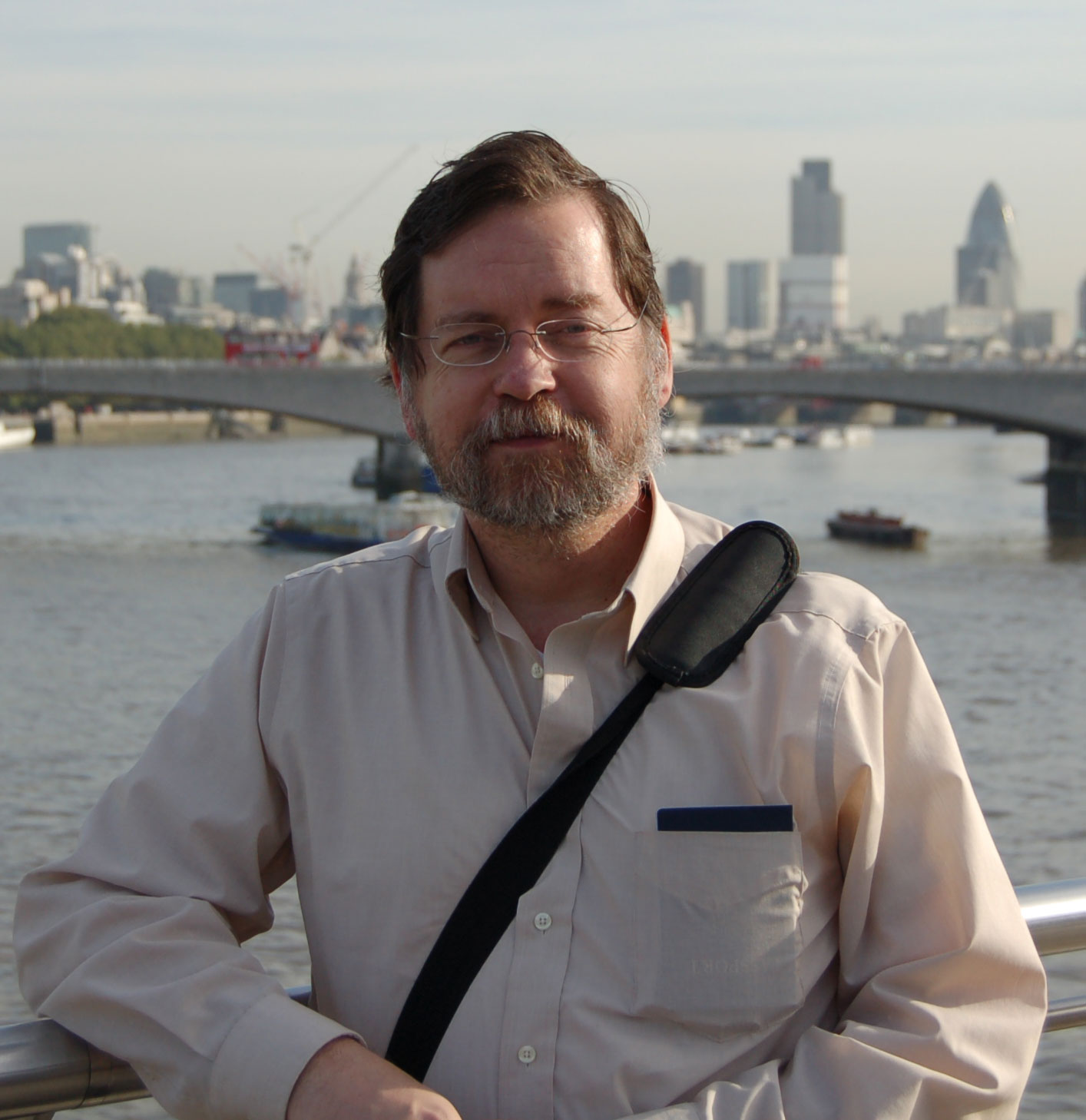
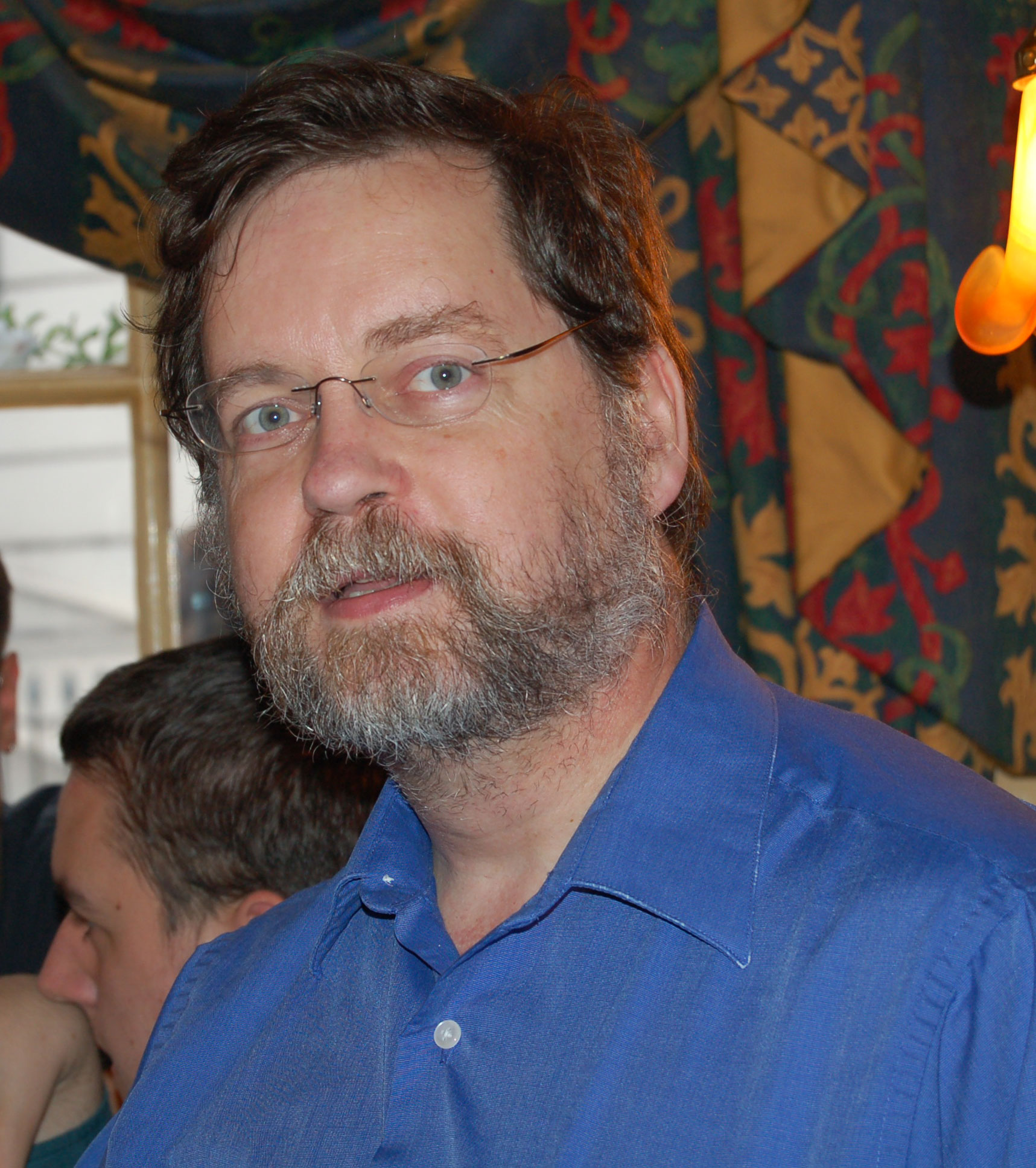
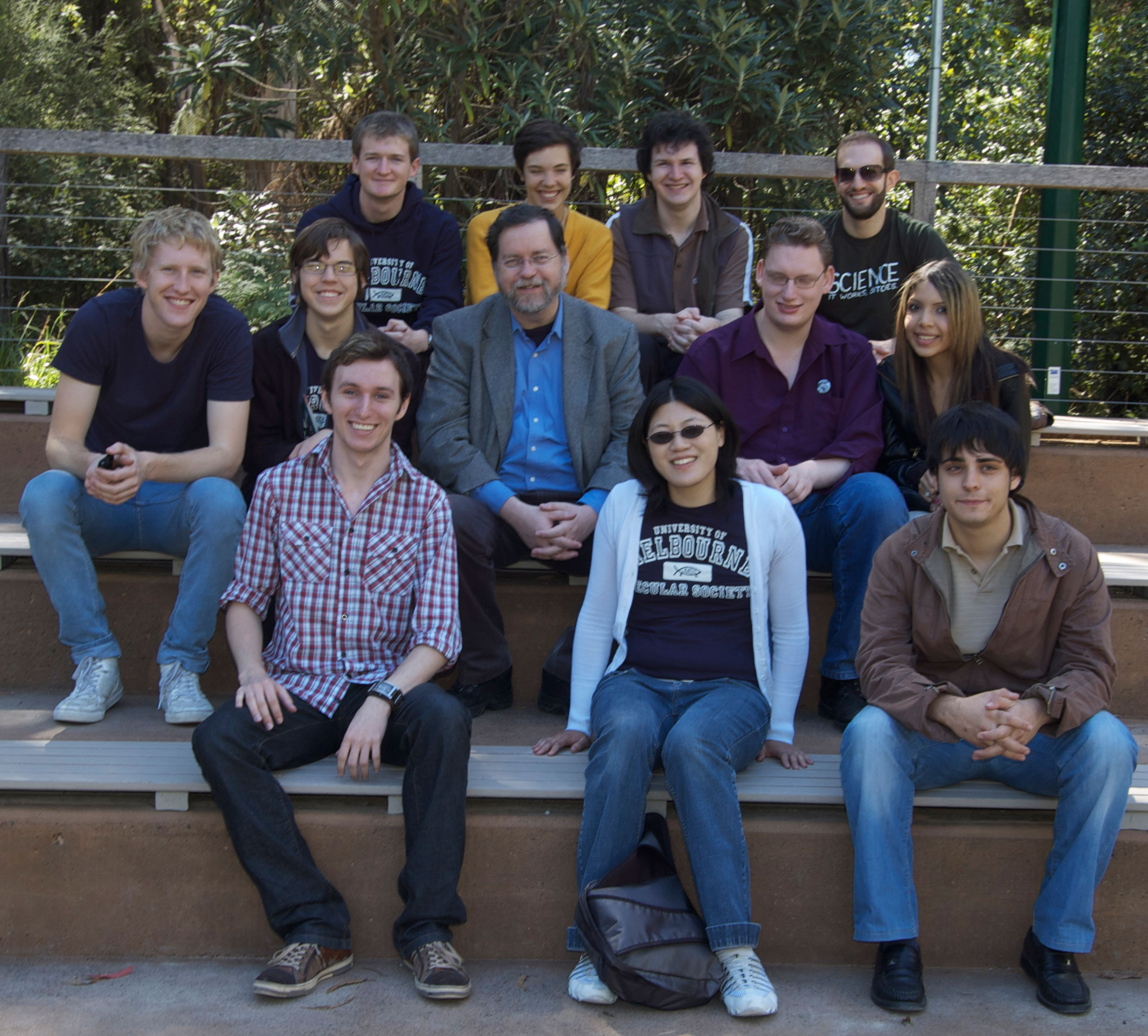
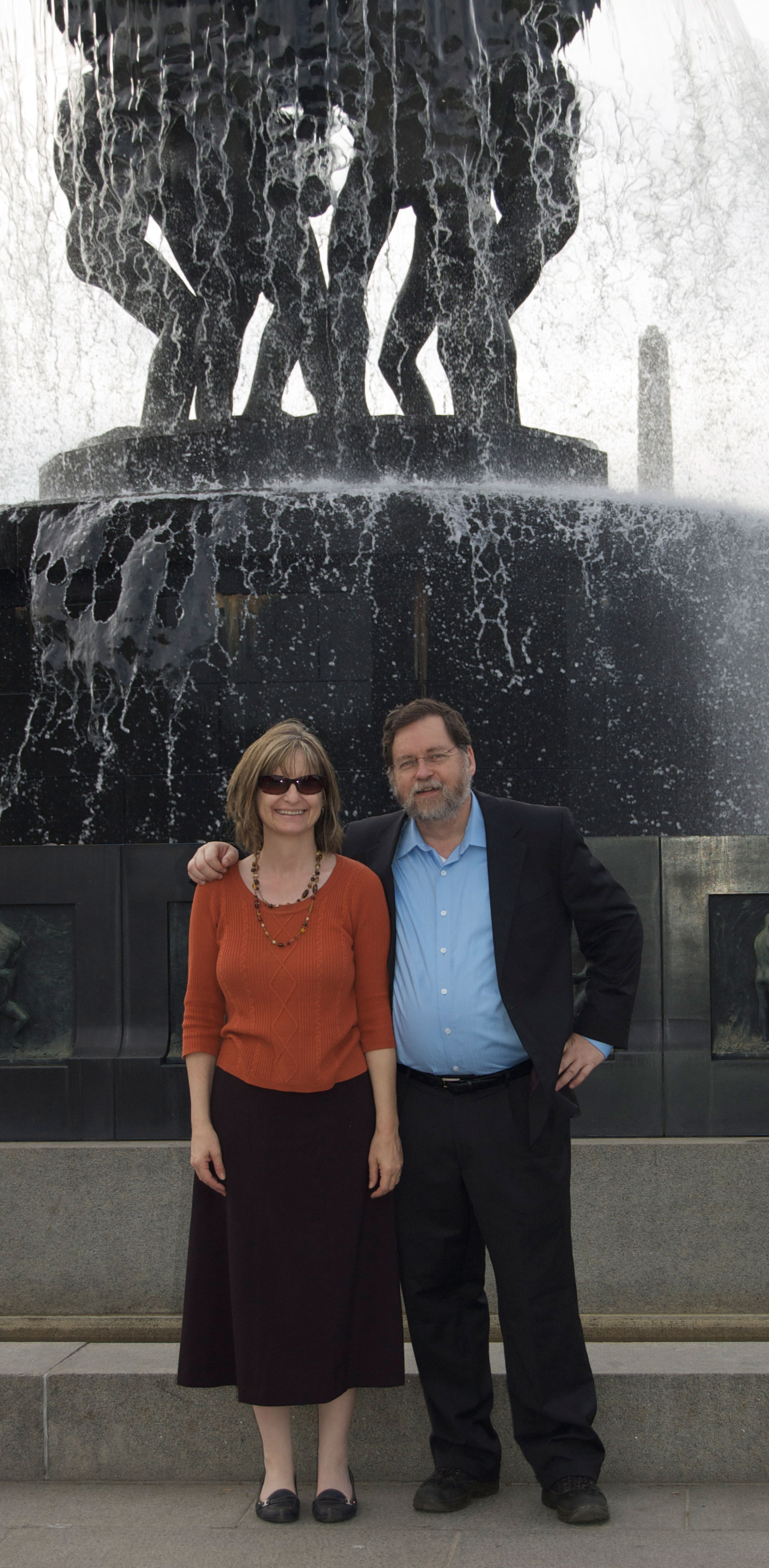
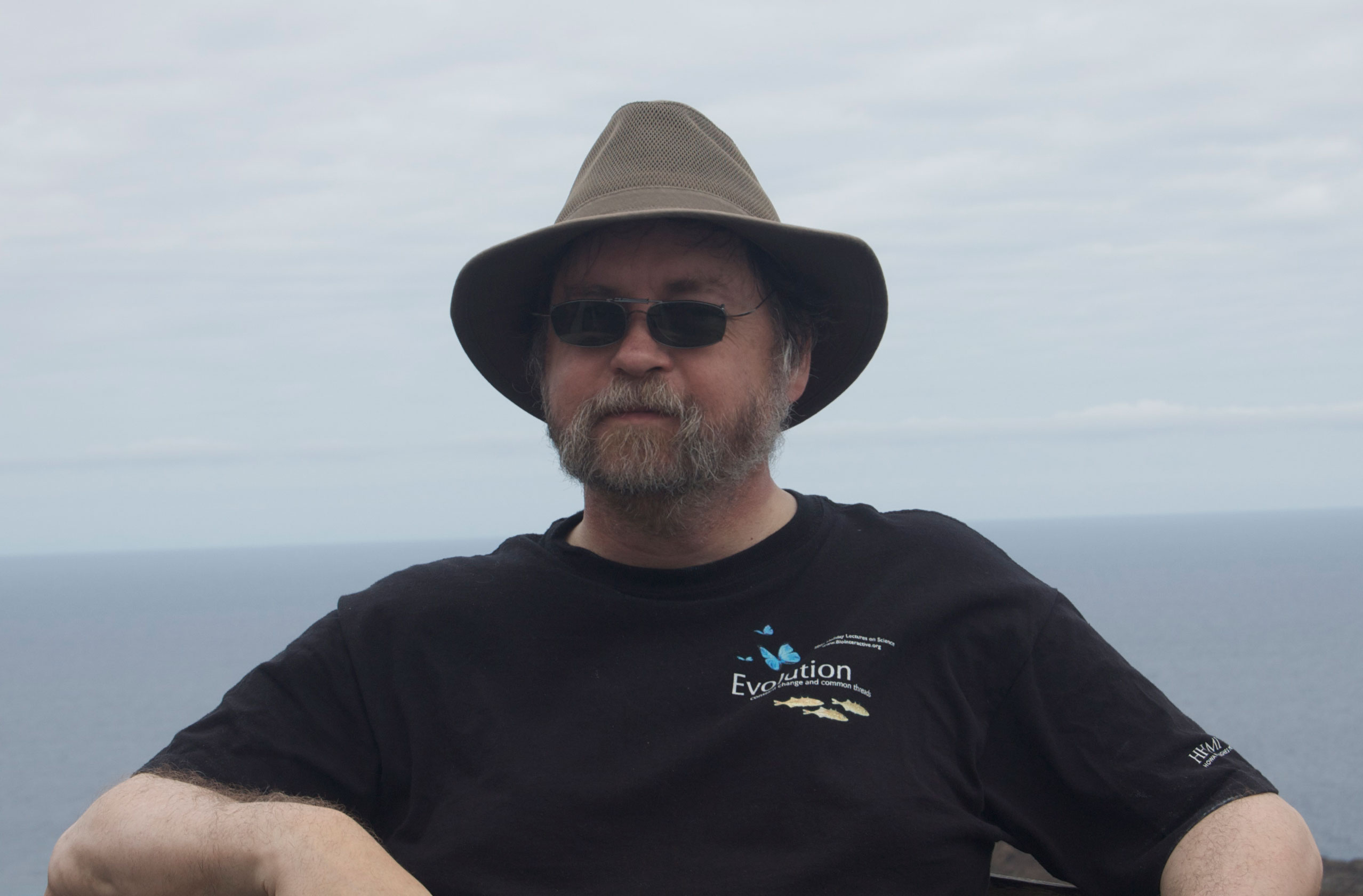
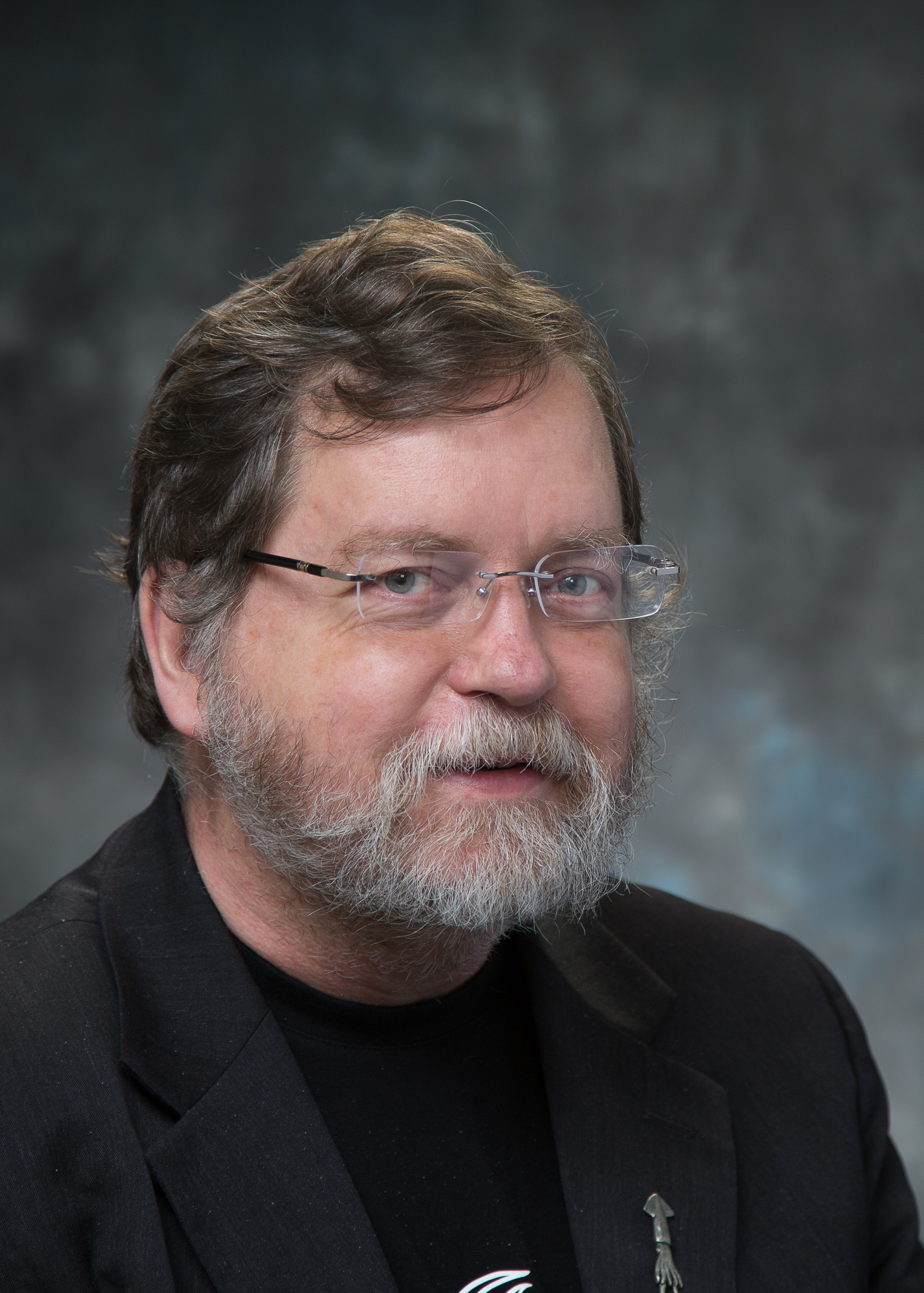
PZ Myers is a biologist at the University of Minnesota Morris, with a special interest in developmental biology and evolution. He’s been battling creationists and bible-wallopers on the internet since 1993, and has gotten slightly curmudgeonly about it all. The blog Pharyngula is his outlet for venting his fury at faith, stupidity, and injustice, an occupation which somehow led to him being named American Humanist of the Year in 2009, and International Humanist of 2011 by the IHEU. He’s confident that science is the only tool we have for reaching new knowledge, regards faith and ignorance as vices, and finds happiness with his family.
Education
| 1985 | Ph.D. in Biology, Institute of Neuroscience,University of Oregon, Eugene, OR |
| 1979 | B.S. in Zoology, University of Washington, Seattle, WA |
| 1975-1976 | attended DePauw University, Greencastle, IN |
| 1973-1975 | attended Kent-Meridian High School, Kent, WA |
Employment
| 2003- | Associate Professor, Division of Science and Math, University of Minnesota, Morris |
| 2000-2003 | Assistant Professor, Division of Science and Math, University of Minnesota, Morris |
| 1993-2000 | Assistant Professor, Department of Biology, Temple University |
| 1991-1993 | Research Assistant Professor in the Department of Biology, University of Utah |
| 1988-1991 | Post-doctoral research associate with Dr. Michael J. Bastiani in the Department of Biology, University of Utah |
| 1985-1988 | VAX system manager and programmer for the Institute of Neuroscience, University of Oregon |
| 1979-1985 | Graduate research with Dr. Charles B. Kimmel at the Institute of Neuroscience, University of Oregon |
About Chris Clarke
Chris Clarke is a natural history and environmental writer, an editor and photographer. He can be found on Twitter, at Facebook, on Google Plus, and at his blog Coyote Crossing.
Born in Upstate New York in the very early 1960s, Chris moved to the West Coast in 1982. He spent much of the 1980s pursuing an interest in botany and horticulture, working in nurseries and on landscaping crews in the San Francisco Bay Area and in the environs of Washington, DC.
Chris began writing professionally in 1989 for Terrain, a small non-profit monthly environmental publication in Berkeley, CA. His writing has appeared in publications ranging from Camas and Orion to Bay Nature, California Wild, the New Internationalist, Berkeley Insider and the East Bay Monthly, and about thirty daily papers nationwide. He’s a frequent contributor to KCET, Los Angeles’ public television station.
Chris has traveled extensively in the Mojave, Great Basin and Sonoran deserts, as well as in the steppes and slickrock country of the Colorado Plateau. His aridland obsession notwithstanding, Chris also bears a great fondness for more well-watered landscapes, the mountains of coastal and northern California and the Sierra Nevada in particular.
In 2003 Chris launched his first blog, Creek Running North, which over the next five years won acclaim from a wide range of readers in the science, political, essayist, navel-gazing, drama-addict, and pet-owner blogging communities. In 2008 Chris left the Bay Area, closed Creek Running North after a five-year run, and moved to the Mojave Desert. His current blog, Coyote Crossing, was begun after a few months in the desert. He now lives in Joshua Tree, California with his fianceé and their cat.
Chris is currently working on a book on Joshua trees, which will be based on over a decade of research.

photo by @janeenlee
What the heck is a pharyngula?

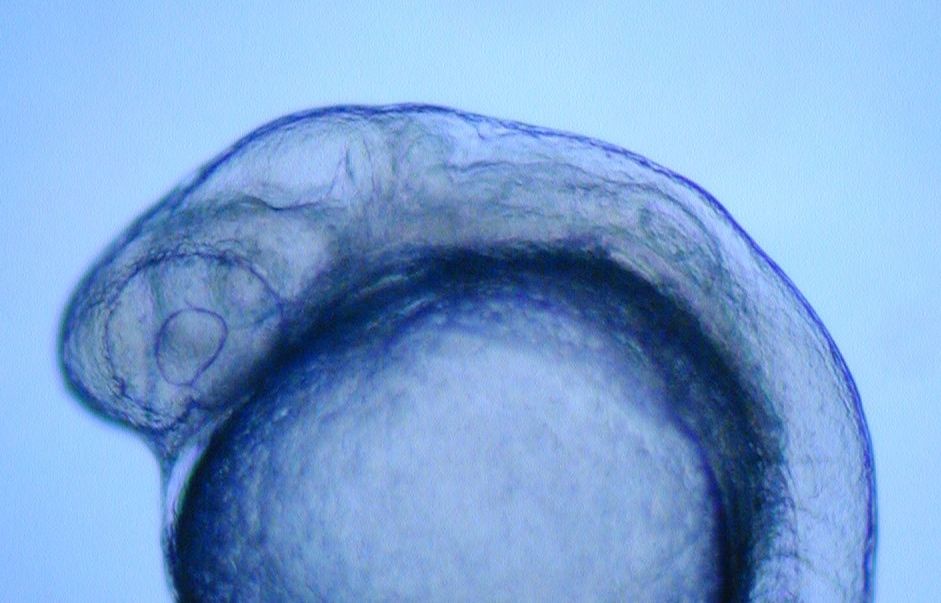
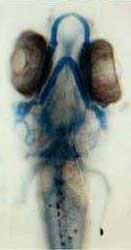
“Pharyngula” is a term coined by William Ballard to describe a particular stage in the development of the vertebrate embryo. At the pharyngula stage, the vertebrate embryo
- is at the phylotypic stage, an evolutionarily conserved period when vertebrate embryos of all species are most similar to one another.
- has assembled at least the rudiments of most of the major organ systems.
- is expressing the well-known series of Hox genes, regulatory genes responsible for patterning the embryo.
- has a repeated series of pharyngeal arches. These are characteristic chordate tissues that form a ‘basket’ of cartilage and associated tissues in the throat; they contribute to jaws and facial structures, ear bones, gill arches, etc.
It’s an interesting and important period of embryonic development, and happens to be the period my students and I spend a lot of time studying.
If you’re wondering how to pronounce it, try “fa-RING-you-la” or “fa-RINJ-you-la.”


10 comments
2 pings
Skip to comment form ↓
chigau (無)
8 December 2012 at 2:38 pm (UTC -5) Link to this comment
About comment
TonyJ
10 December 2012 at 10:51 am (UTC -5) Link to this comment
this is a test
TonyJ
10 December 2012 at 3:13 pm (UTC -5) Link to this comment
am I able to comment?
TonyJ
13 December 2012 at 2:33 pm (UTC -5) Link to this comment
this is a test. I cannot post
TonyJ
13 December 2012 at 3:39 pm (UTC -5) Link to this comment
test
TonyJ
13 December 2012 at 3:42 pm (UTC -5) Link to this comment
Chrome does not let me post
TonyJ
13 December 2012 at 3:44 pm (UTC -5) Link to this comment
Sorry, Chrome was not letting me post.
mountainbob
19 December 2012 at 2:54 pm (UTC -5) Link to this comment
Can anyone help me initiate (that is, re-start) my subscription to daily FTB downloads? I changed my E-dress because Micro Soft is doing away with Hotmail. Cancelled my subscription under the old E-dress. Have registered and have a password and everything… But, cannot seem to get the daily subscription restarted! I miss it! Someone, please advise.
Caine, Fleur du mal
19 December 2012 at 3:03 pm (UTC -5) Link to this comment
mountainbob, no one is likely to reply here with help – try repeating your post here.
Joshua Toon
21 December 2012 at 9:12 pm (UTC -5) Link to this comment
@PZ…you ran a VAX system? That’s awesome. I ran a VMS system in a prior life.
best moisturizer for men
9 December 2012 at 2:07 pm (UTC -5) Link to this comment
Another Title…
I saw this really good post today….
‘The follies of dead men and the wisdom of worms’ « Burying Books
12 February 2013 at 12:32 pm (UTC -5) Link to this comment
[...] criminalization of blasphemy and religious dissent, the prominent atheist blogger and activist Professor P.Z. Myers called for the respect traditionally accorded to holy books of all kinds to be subjected to much [...]