
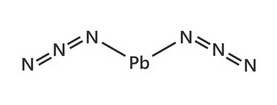
The US Army plans to detonate 68 barrels of lead azide, a compound used to trigger explosives, on Wednesday. They say it’s unstable (it is, just look at that structure), and they need to get rid of it right away, before the cold weather sets it off. They want to just blow it up intentionally rather than sit on the powder keg until it goes boom, and the explosion will send a plume of lead dust over thousands of people and acres of Iowa farmland.
Don’t worry, they’ve sent out warnings, so it’s OK.
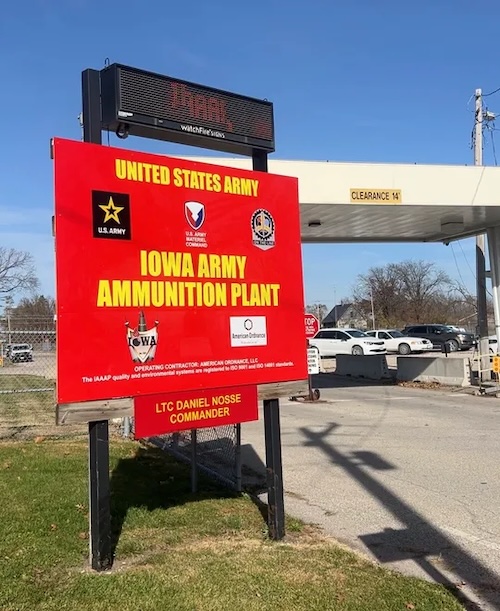
Nearly 400 people live in Middletown, but thousands more in surrounding areas could be affected by detonated material that could disperse in the air and land on the ground.
Iowans in the region were told to stay inside, keep windows and doors closed, bring pets and livestock indoors, and clean cars, windowsills and outdoor surfaces after.
“The detonation will result in an air plume with some lead-containing particles which will disperse in the air and deposit on the ground,” an advisory states. “Lead is toxic to humans and animals.”
This is all happening on the day before Thanksgiving, when all those good traditional Midwestern folk will be busy preparing their traditional feasts, while the air is filled with lead particles. But the Army says they gotta do it.
The Sunday filing argues that federal officials have already considered the alternatives suggested by the environmental groups, such as chemically neutralizing the explosives in place, and rejected them. The explosive material is so degraded that even opening the lids of the 55-gallon plastic barrels poses an unacceptable risk of setting off an explosion, the filing says.
“The choice therefore is not between a detonation and no detonation,” it argues. “It is between a planned detonation (timed for favorable weather, preceded by public notice, and followed by monitoring and cleanup) and an unplanned explosion that could come at any moment, with no warning and no safeguards.”
I have questions. How long have they been storing this stuff? When did they notice that there was a potential problem? It turns out that the problems of storing lead azide were recognized in 1984, and the dangers were published in 2004. It really is deteriorating rapidly — it’s stored in an ethanol and water solution, the solution is evaporating, and we’re about to enter some seriously cold weather, and the lead azide is crystallizing as I write, so yes, it’s at a huge risk of blowing up at any moment.
OK, new question. If the Army knew all this 40 years ago, why did they go ahead and stockpile huge amounts of the stuff without a disposal plan? Without a detailed maintenance plan? It seems to me that they knew it was dangerous, but they just punted on what to do about it. Just find a small town in flyover country and stash it in a bunker, and let someone else down the line worry about it. Don’t they know we’re only supposed to blow up and poison foreign countries, not our own heartland?

Leave a Reply
You must be logged in to post a comment.