
We lived in Philadelphia in the 1990s, and we made fairly frequent day trips to the downtown. Because I was a science nerd, there were three destinations we prioritized over all the history and art museums: the Mütter Museum (because it was kind of gross), the Franklin Institute (great hands-on interactive exhibits for the kids), and my favorite, the Academy of Natural Sciences of Philadelphia. It’s a great working science museum with about 200 years of active research housed behind its doors. They also regularly hosted science meetings, so I’d go there for the regional meeting of the Society for Neuroscience, and Philadelphia science fairs were held there. It’s a real jewel in the center of the city.
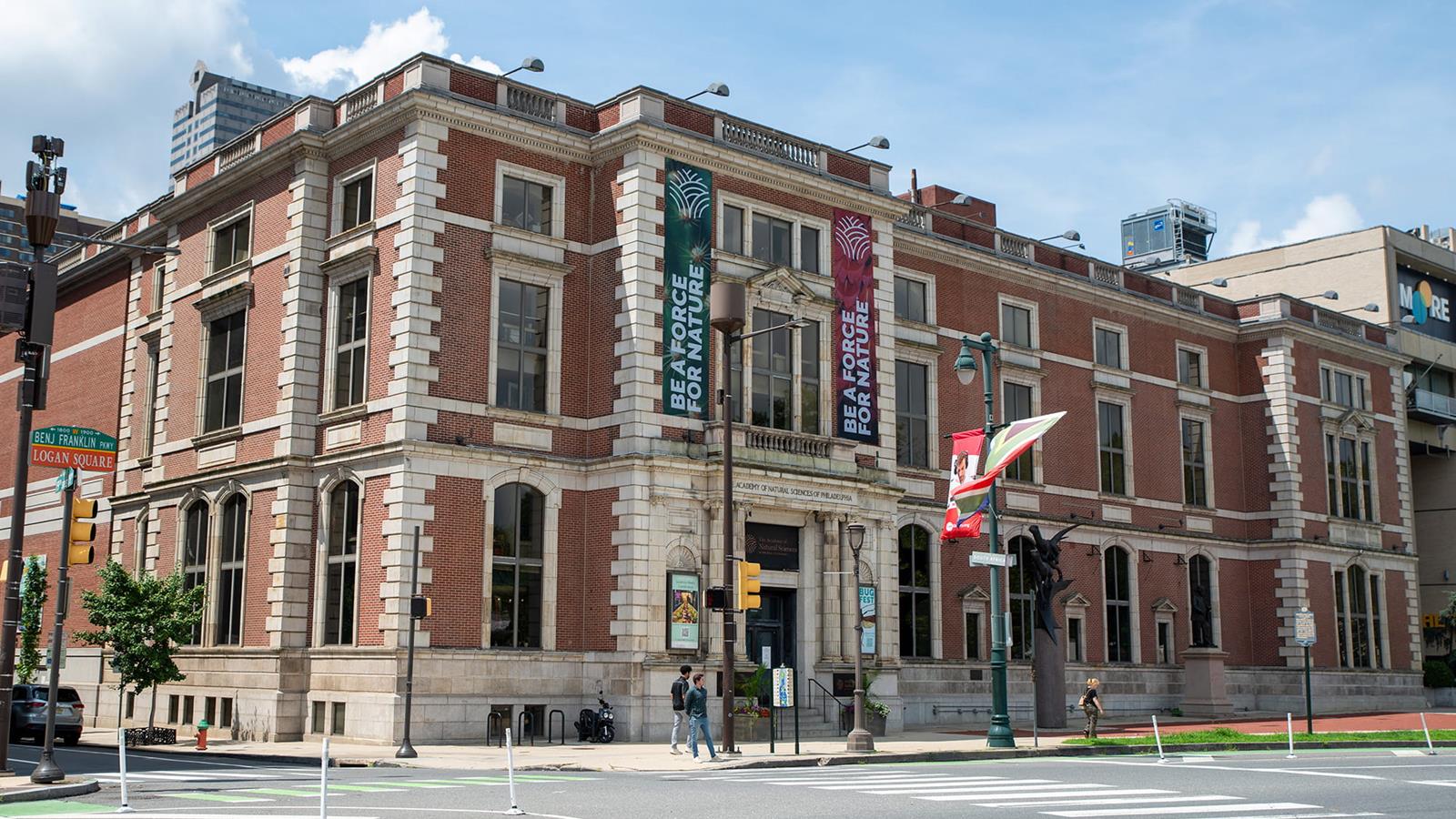
It’s a great place. I miss the opportunity to visit it.
But now I learn that it was bought up by Drexel University. This was part of an ugly consolidation of academic institutions that distorted higher learning in the the region — they also bought up the Medical College of Pennsylvania, Hahnemann University, and Salus University, as part of a pattern of expansion. They slapped their name on the Academy of Natural Sciences of Drexel University (I will never call it that.) And now, on September 1, they abruptly announced that they were closing the Academy as of September 30. That’s rather short notice for a collection that has been growing since 1812.
At the time I lived there, Drexel had a great reputation as an engineering and computer science school, but apparently they’ve now become a massive do-everything school with a focus on making lots of money, and screw science and history. Drexel has become the bad guy in this story.
Keep up with the news at the Save the Museum page, and sign the petition. What the hell happened to Drexel?

The USA’s streak of anti-intellectualism and anti-science culture is obviously going to badly hurt it.
Problem – well, one of many problems – is that’s likely to have global implications and do global harm to science elsewhere too.
That this sucks is obvs a major understatement
Supposedly they’re only closing the public part of the museum, and the science will go on. But they’re supposedly also closing the building entirely, so I don’t see how that would actually work. Where would they put the collections and researchers? Moving the collections would itself be a ridiculously expensive job, with many opportunities for damage. Doesn’t pass the smell test.
@2 John Harshman
“Where would they put the collections and researchers?”
the collections will go to the highest bidder’s private collection, and the researchers will go to the unemployment line. America!
There is another science museum in Philadelphia, Science History Institute (formerly Chemical Heritage Foundation). I’ve sent them a few items for their collection that I picked up over the years.
I read Shirer’s “Rise and Fall of the Third Reich” back in the 1960s. I remember him commenting that almost from the start of the Nazi regime, enrollment in science and engineering fell, due to the regime’s anti-intellectualism. Considering how important technology was in WWII, the Nazis should have known better. You have to be really stupid to be dumber than that!
Dang. It turns out people outside USA cannot sign the petition.
Which is arguably the most important feature of the museum.
Without being open to the public, it isn’t much of a museum.
One of they key reasons to even have a science museum is outreach to the public that ultimately supports most of science with their taxes. What science is, what it has found out, and what value does it add to your life.
What’s the money flow, is what I’m wondering.
What’s the money flow, is what I’m wondering.