Bethany Brookshire is wondering about how to justify writing about weird little animals.
Sometimes, I write about weird animals, I post weird anatomy facts, because I need to feel a little bit of wonder. Curiosity. Joy. I want other people to feel that way too. I know how much we are witnessing. I know how much we need little things to remind us that yes, there’s pain, but there’s joy in this life too. Sometimes, it’s romance novels or bad TV or funny Tiktoks. Sometimes it’s sea squirts. The world is, indeed, awful. But it’s also wonderful, and bizarre, and fun. We need the wonder as much as we need to witness.
I want to reassure everyone that it’s OK to write about bizarre creatures. You know, like odd specialized species that are seeing all the related species in their clade failing so spectacularly that they’re going extinct. Or strangely specialized organisms that have expanded a single organ in their bodies to such a freakishly large size that everything else is diminished in comparison. Or animals with such inefficient and unusual means of locomotion that they persist in despite every predator they’ve got being capable of outrunning them.
So yeah, I guess it’s OK to write about people.
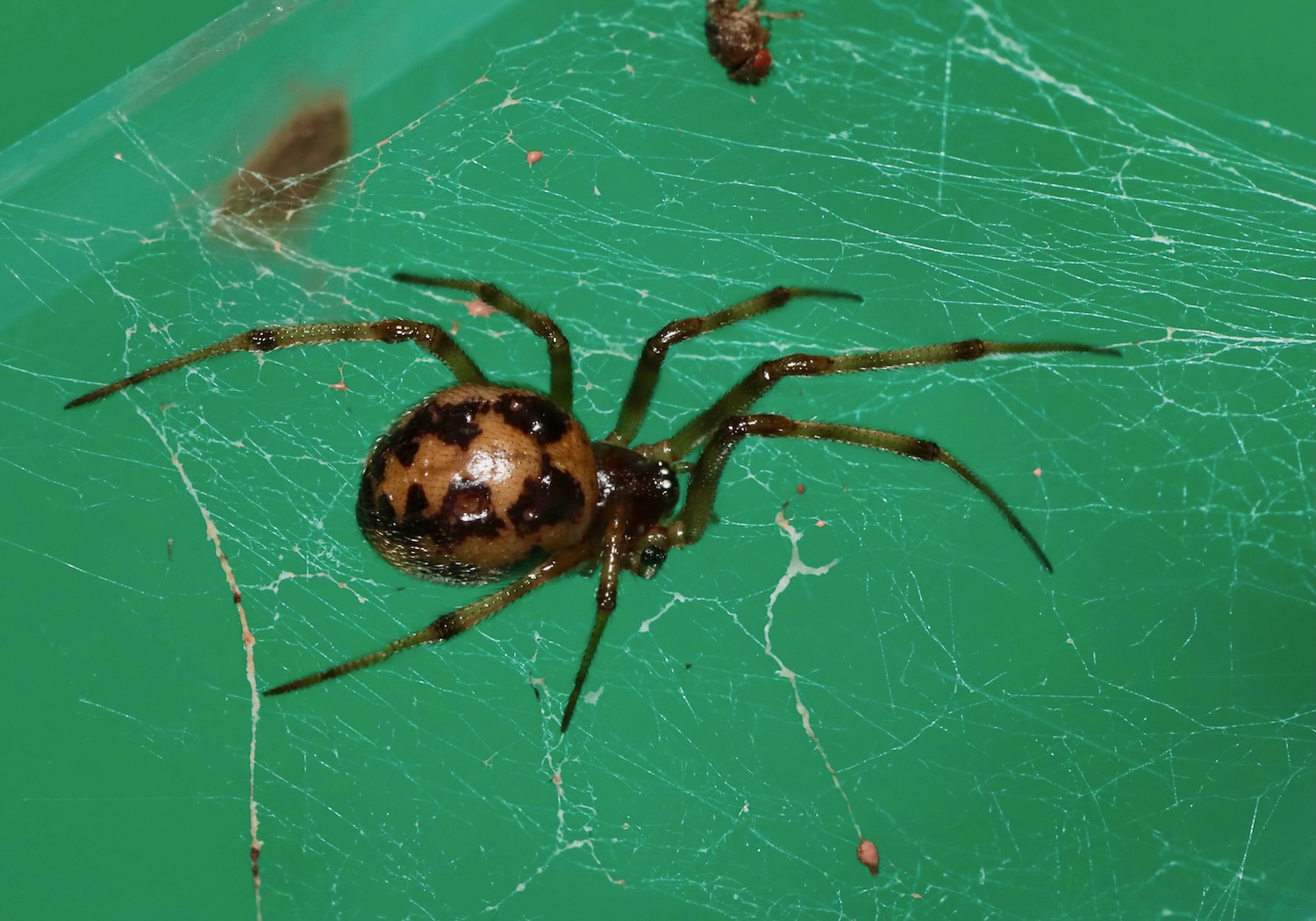
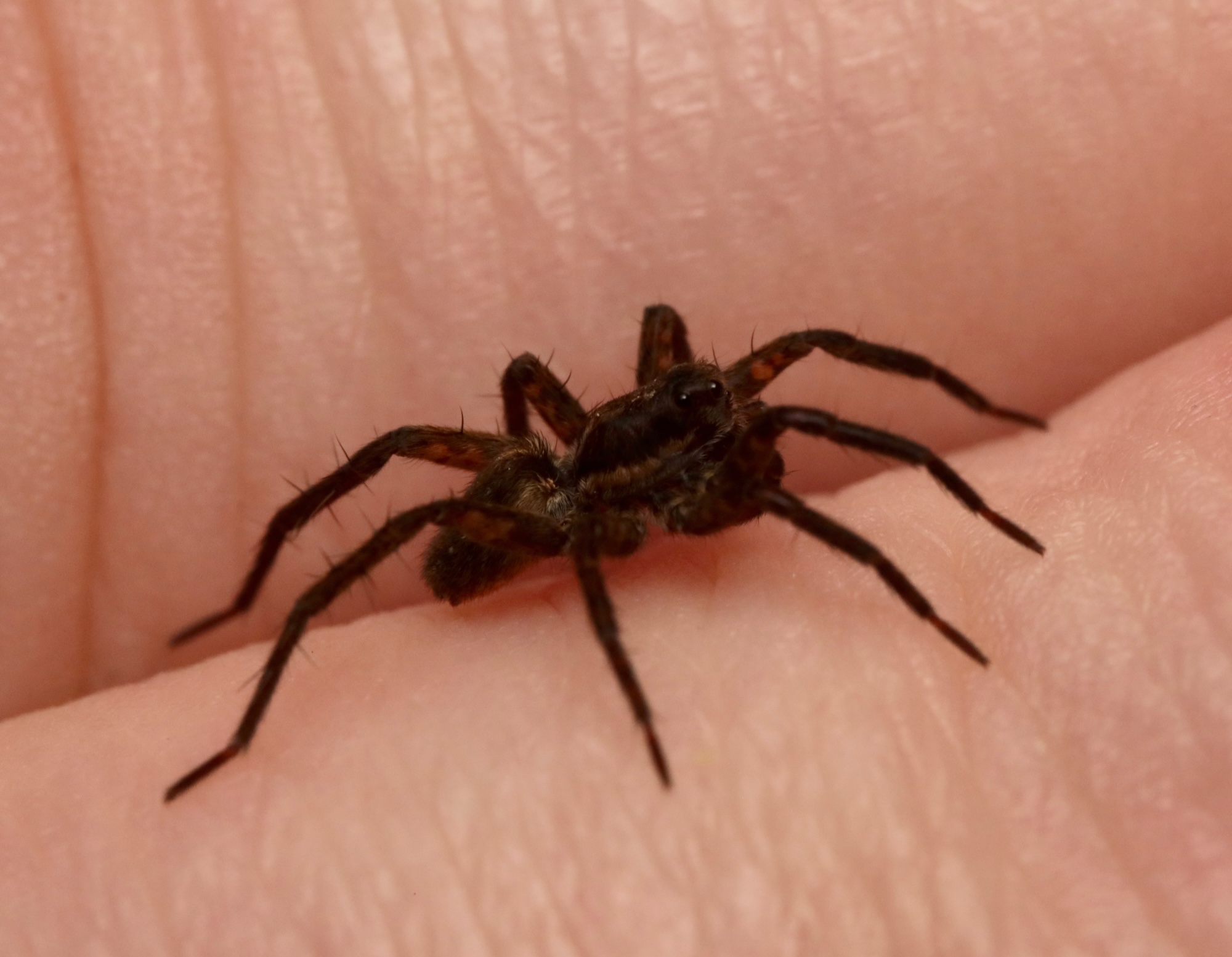
But what’s weird about all the other animals? I spent part of my morning tracing silk to find the teeny-tiny juveniles that are bouncing back from winter, and then I was in the lab hanging out with my girls in the spider colony, and all it takes is an hour of that and you begin wondering why you have so few limbs and such a paltry collection of eyes, and hey, wouldn’t some venom come in handy when you get drafted into a committee meeting? We’re the weird ones, not them.
I’m waiting until we crack the ice on Europa, then maybe we’ll find truly weird critters…or more likely, I’ll start to identify with them and humans will look even more creepy and strange.